
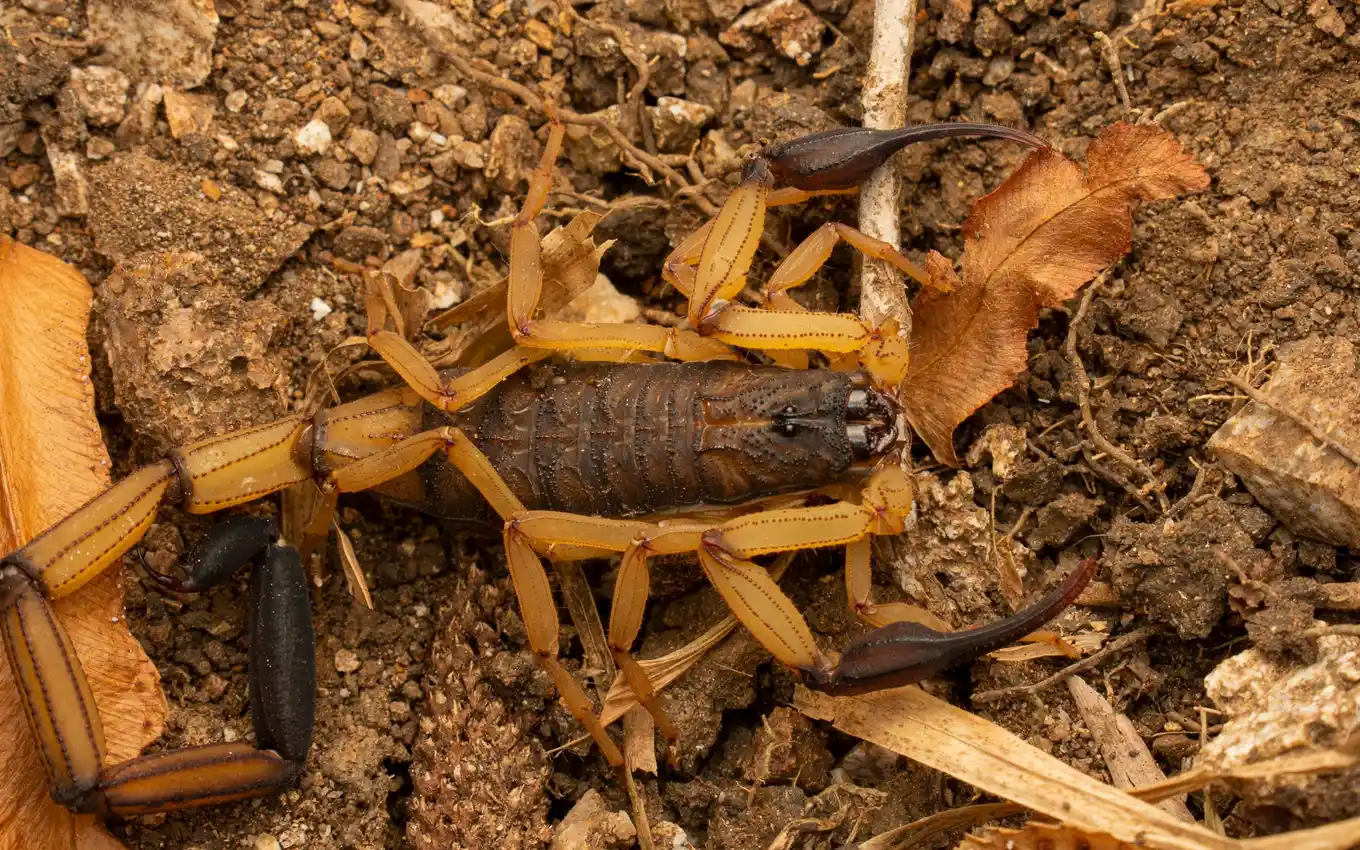
Scorpion control in Al Safrah Makkah
Al Safrah is a rural district scattered across the south eastern fringe of Makkah, where open ground, farms and isolated homes provide natural shelter for scorpions. Treatment here is fundamentally different from densely built areas because the sources never stop.
-
Targeted, not broadcast
Product goes into cracks and runways, never sprayed across open surfaces.
-
Told before we start
What we will use, where it goes, and what to cover or move before we arrive.
-
A follow-up visit
We return after the first treatment, because what survives it does not show on the day.
-
Homes and businesses
Apartments and villas, and kitchens and stores that need a record of each visit.
Why they keep coming back in Al Safrah
Homes spread far apart mean a scorpion can move freely between properties, and one house treated stays protected only whilst the surrounding farmland remains untreated and active. The method is set out in full on what Scorpion control involves.
Wide gaps between scattered homes and fields
Spacing means the scorpion crosses between properties with ease, and treatment of a single house protects only that threshold while the field beyond stays active. The gap between neighbours is not a barrier but a corridor, and both sides must be managed.
Continuous irrigation and damp soil all season
Farmland irrigation runs year round and draws scorpions close for water. After rain, pooled water in low ground creates perfect habitat. The soil stays damp long after the wet season, attracting the insects the scorpion follows.
Proximity to Taif road, Al Abidiyah campus and old Al Husayniyah
Main routes, fields and open country nearby provide safe passage for scorpions from surrounding rural areas. The scorpion does not arrive from inside the city; it comes from the wadi and open ground, and treatment must account for continuous reinvasion from those sources.
The character of Al Safrah
Rural area: farms, open ground and scattered homes
Rural habitat means a complete natural environment for the scorpion: water from irrigation, insects from the fields, shelter in open ground. Treatment creates a barrier around the house rather than eliminating scorpions from the environment itself, because continuous re-entry from surrounding sources is inevitable.
What we check outside before we go in
Largely open ground with scattered building near Umm Al Qura's campus at Al Abidiyah, crossed by the Taif Al Hada Road and the Non Muslims bypass. These routes and open spaces create natural corridors for the insects the scorpion hunts.
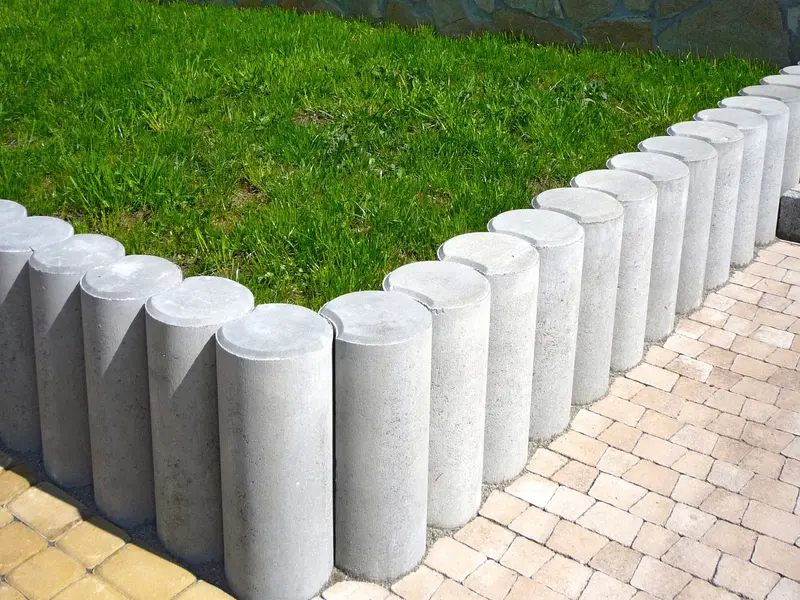
Wall joints and boundary walls
Open land around farmhouses means weak concrete or mud brick walls, and natural soil fissures create safe pathways into the foundations where scorpions shelter.
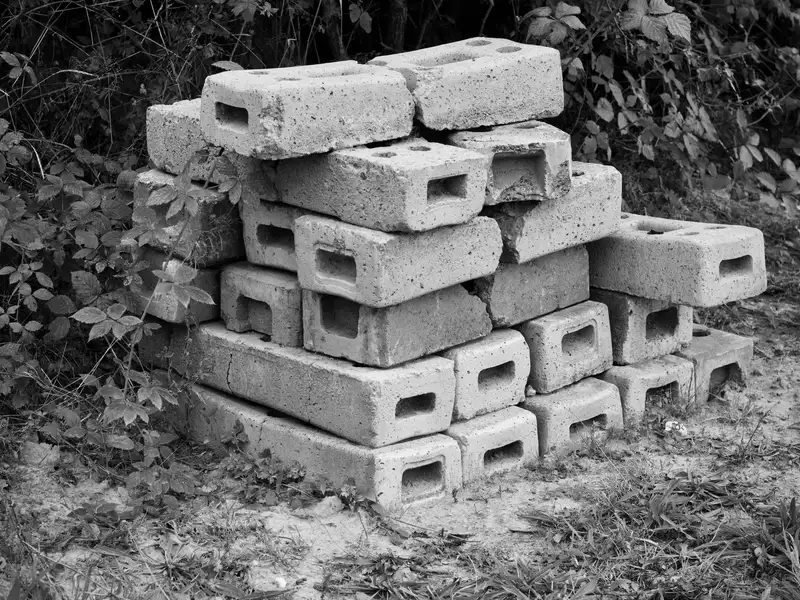
Rubble and stacked block
Old cultivation debris and farm remnants lie scattered, offering temporary refuge as the scorpion moves between fields and approaches the house.
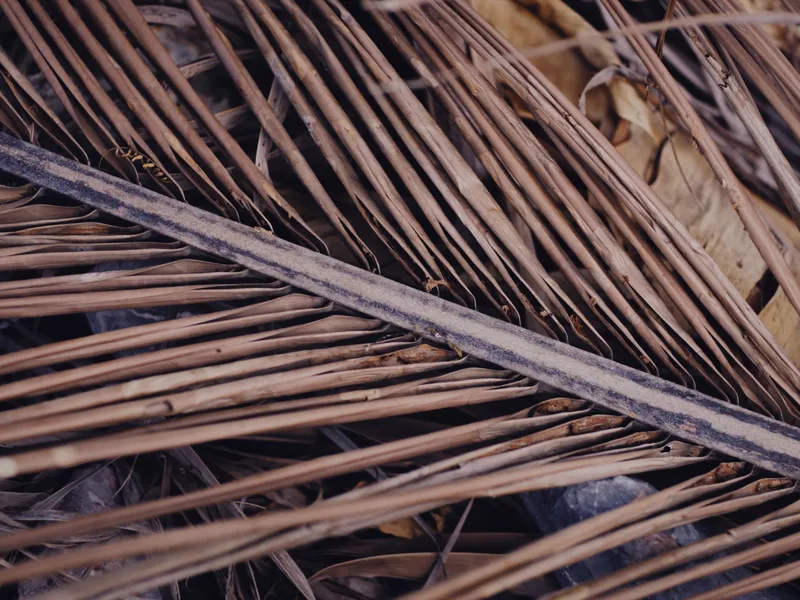
Palm fronds and garden litter
Trees, shrubs and organic manure in the fields draw the small insects scorpions hunt, concentrating them near property boundaries and house edges in darkness.
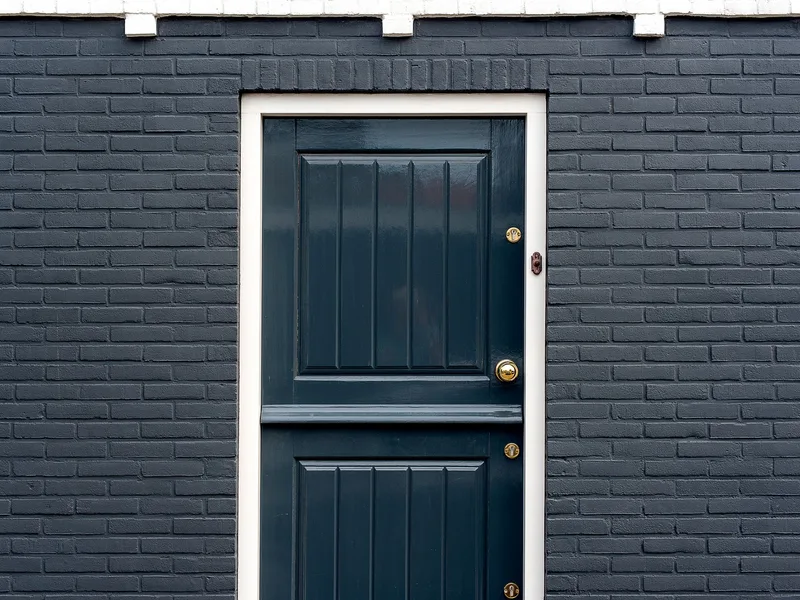
The gap under the door
Gaps under rural doors are often oversized or damaged from soil movement, creating easy access that treatment must seal completely.
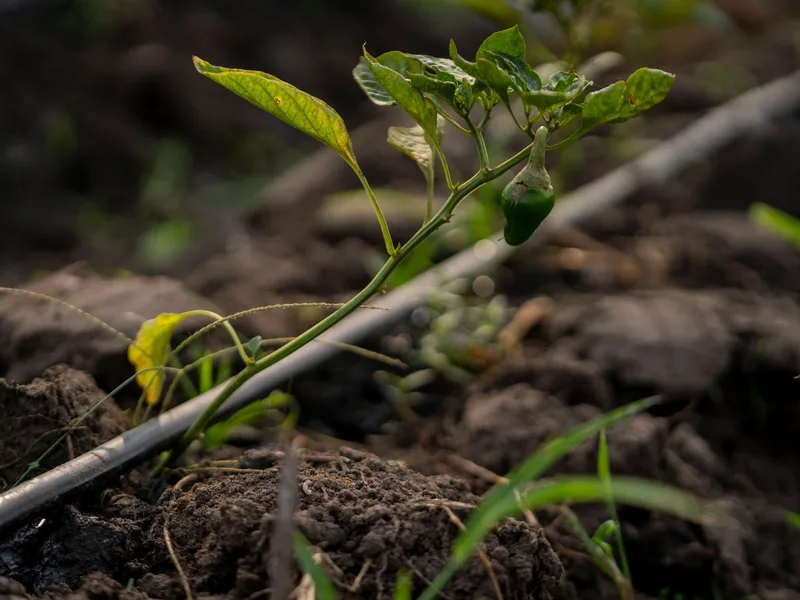
Irrigation and damp soil
Continuous irrigation raises soil moisture around the house year round, creating the damp environment scorpions seek between treatments.
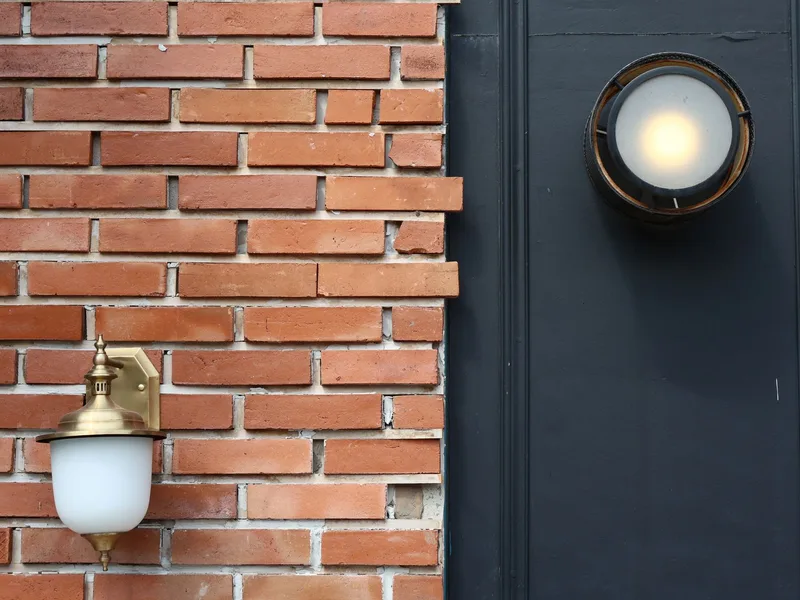
The light by the door
House lights at night attract the small insects scorpions feed on, drawing them to gather near doors and windows where they wait for prey.
How we work
-
1
Night survey and perimeter inspection
We walk the perimeter after dark with an ultraviolet lamp, which makes a scorpion show up against wall and soil, and we record the harbourage, the ways in and how much prey is present.
-
2
Treat the harbourage and the building edge
Dust into the wall joints and the dry voids, and a targeted band tight against the foundation and around openings, because the material holds longer on a porous surface than on tile.
-
3
Close the ways in and remove the prey
A sweep under the doors, sealing where air-conditioning and drain pipes pass through, mesh over openings, and treatment of the cockroaches and insects it feeds on, so the reason to come in goes with them.
-
4
The follow-up visit
A scorpion can sit in its harbourage for weeks without moving, so the first pass does not always reach it. We come back to refresh the perimeter band and check what has appeared since.
What scorpion control includes
-

A night survey with an ultraviolet lamp
A walk of the perimeter after dark that fixes the harbourage and the entry routes before anything is applied.
-

Targeted perimeter and joint treatment
A band against the foundation, plus wall joints and cracks, never open floors or where children play.
-

Sealing openings and pipe entries
Drain openings, the points where air-conditioning pipes pass through, and mesh on shafts, which are the routes actually used.
-

Treating what it feeds on
Placed bait for cockroaches at entrances and service areas, because cutting the food supply reduces visits more than repeating a spray.
-

Aftercare instructions
What to lift out of the yard, where to move the outside light, and the ventilation time for your situation, which we give you on site.
-

A scheduled follow-up
A set date after the first treatment, a refreshed perimeter band and a check of anything new around it.
What is different about Al Aziziyah (Makkah) Sub-Municipality
Al Aziziyah sub municipality runs from the Bin Dawood markets to the Al Hada road and carries pilgrim traffic to Mina. Hotel towers and furnished apartment blocks fill and empty with the Hajj and Ramadan seasons, and the kitchens, restaurants and markets along Al Masjid Al Haram Road and King Abdulaziz Road leave food waste at every peak. Southwards the fabric loosens into villas and planned streets in An Naseem and Al Awali, then Al Abidiyah's campus and the old farms of Al Husayniyah, where Wadi Uranah holds water after rain and farm enclosures shelter rodents and reptiles.
Questions about this district
Why are scorpions more common in Al Safrah than in dense residential areas?
Open ground and farmland provide a complete natural habitat: irrigation water, food insects, shelter in soil fissures and under rocks. Dense areas disturb and disperse them; the rural setting is their true home, and they do not leave without pressure on all sides.
Should the farmland around the house be treated as well as the house itself?
The fields are the primary source. Treating the house alone protects briefly only. The outer perimeter, boundaries and edges must be treated to make access harder, because the scorpion will attempt re-entry from the active ground beyond.
When does the scorpion problem worsen most, during irrigation and cultivation?
Summer heat and heavy irrigation draw scorpions closer to homes hunting water and insects. Seasonal rains spur activity. Treatment before the hot season begins prevents established nesting rather than reacting after the population peaks.
Is treatment different for scattered rural homes than for dense residential areas?
Yes. A single isolated house needs stronger perimeter protection because it lies exposed directly to the rural environment. We emphasise boundaries, foundations and outer edges more than dense areas where neighbouring buildings share the load.
Do Wadi Uranah and the old Al Husayniyah farms send scorpions into Al Safrah?
Al Husayniyah and old farmland lie directly north and west of Al Safrah. Wadi Uranah carries water and the insects scorpions follow. The proximity means continuous movement from those sources, not occasional visits.
How many treatments yearly should a rural home in Al Safrah have due to its exposure?
Spring treatment before heat and irrigation, then autumn after seasonal rain. The rural setting means constant environmental pressure, so treatment cycles are more frequent than enclosed residential areas where the threat is only from neighbours nearby.
How much does scorpion control in Al Safrah cost?
It is set after the inspection, because the price follows the type of infestation, the size of the space, how far it has spread and the number of visits it needs. Send a photo and a description on WhatsApp and we will give you an estimate before we reach Al Safrah.
Nearby districts we cover
Other services in Al Safrah
Other services we provide to residents of Al Safrah.
-
 Residential
Cockroach control
Residential
Cockroach control
-
 Residential
Bed bug control
Residential
Bed bug control
-
 Residential
Termite control
Residential
Termite control
-
 Residential
Rodents and mice
Residential
Rodents and mice
-
 Residential
Mosquito control
Residential
Mosquito control
-
 Residential
Fly control
Residential
Fly control
-
 Residential
Ant control
Residential
Ant control
-
 Residential
Gecko control
Residential
Gecko control
-
 Residential
Snake control
Residential
Snake control
-
 Residential
Flea control
Residential
Flea control
-
 Residential
Bird and pigeon control
Residential
Bird and pigeon control
-
 Residential
Preventive treatment
Residential
Preventive treatment
-
 Residential
Disinfection
Residential
Disinfection
-
 Commercial
Annual contracts
Commercial
Annual contracts
-
 Commercial
Restaurants and cafes
Commercial
Restaurants and cafes
-
 Commercial
Hotels and apartments
Commercial
Hotels and apartments
-
 Commercial
Warehouses and factories
Commercial
Warehouses and factories
-
 Commercial
Schools and nurseries
Commercial
Schools and nurseries
-
 Commercial
Retail and malls
Commercial
Retail and malls
-
 Commercial
Rest houses and farms
Commercial
Rest houses and farms
-
 Commercial
Fumigation
Commercial
Fumigation
-
 Water tanks
Water tank cleaning
Water tanks
Water tank cleaning
-
 Water tanks
Water tank sterilization
Water tanks
Water tank sterilization
-
 Water tanks
Water tank sealing
Water tanks
Water tank sealing
-
 Water tanks
Tank leak repair
Water tanks
Tank leak repair
Need scorpion control in Al Safrah? Tell us what you saw and we will tell you what it needs
We reach Al Safrah at a time we agree, and you get the full cost before we start.