
Snake control in Al Fayha Makkah
Al Fayha is a new development district laid out on wide schemes with vacant plots between rising homes. Ongoing construction, damp soil and rodents in the new foundations create ideal habitat for snakes. In this incomplete neighbourhood, entry points are not yet sealed and house foundations remain wet from concrete curing and construction water, making them irresistible to burrowing rodents which snakes pursue inside.
-
Targeted, not broadcast
Product goes into cracks and runways, never sprayed across open surfaces.
-
Told before we start
What we will use, where it goes, and what to cover or move before we arrive.
-
A follow-up visit
We return after the first treatment, because what survives it does not show on the day.
-
Homes and businesses
Apartments and villas, and kitchens and stores that need a record of each visit.
Why they keep coming back in Al Fayha
New homes in the district often have doors and windows open to construction workers throughout the building phase, which allows snakes easy passage into the structure. The method is set out in full on what Snake control involves.
Fresh foundations hold moisture that attracts burrowing rats
In a newly rising residential scheme, freshly poured foundations hold water from the concrete mix for weeks. Rats tunnel through this damp soil because it is easy to excavate. Snakes follow them beneath the earth or slide into the foundation cavity itself. Controlling rodents and reducing dampness together stops this route before snakes reach the house structure.
Vacant plots between homes provide snake refuge
Gaps between the schemes are unpaved and unwatered, making them ideal shelter for snakes and rodents during daylight. Snakes hide in these spaces during the day and then crawl to the new nearby house at night in search of prey. Completing roads and landscaping reduces this problem once the scheme is finished, but during construction these gaps are the snakes' base camp.
Entry points remain open throughout the building phase
Doors, windows and openings are left open to ventilate the building and allow materials in. Holes in the foundation for services are not sealed until electrical and plumbing work ends. Snakes enter freely during this phase and hide in damp corners and beneath fresh concrete floors. Sealing these openings early prevents habitation before the house is even finished.
The character of Al Fayha
New development: ongoing construction and vacant plots between the homes
A new development district has vacant plots and homes still under construction. Each new house needs periodic rodent and snake treatment during the build phase because entry points are open and foundations remain damp.
What the site tells us before we start
The district is bounded by Old Makkah Road to the south and neighbours Al Hamra, Al Buhayrat and As Salamah. The northern Haram boundary crosses Umm Al Mumineen Road here. Al Fayha Park, the Al Fayha Walkway, a shopping centre and several mosques serve the district.
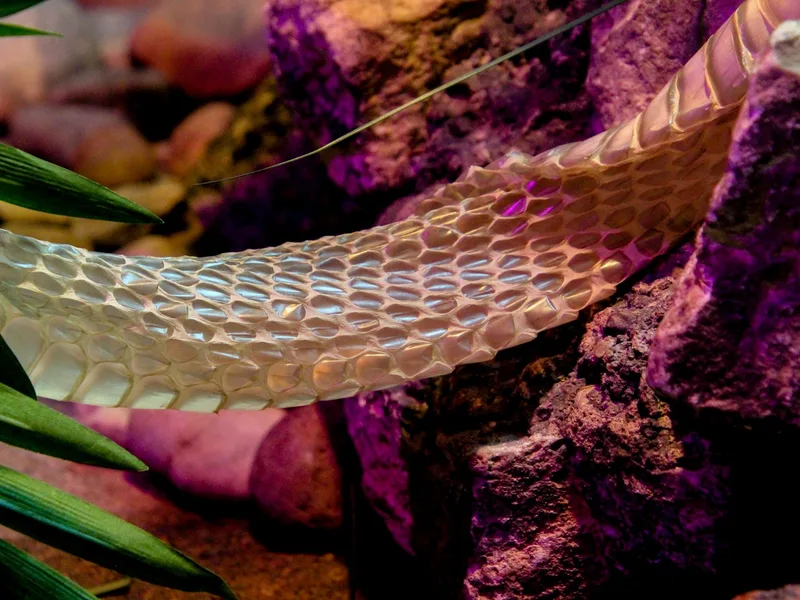
A shed skin
Shed skins may be found near the damp foundations where newly invading snakes concentrate.
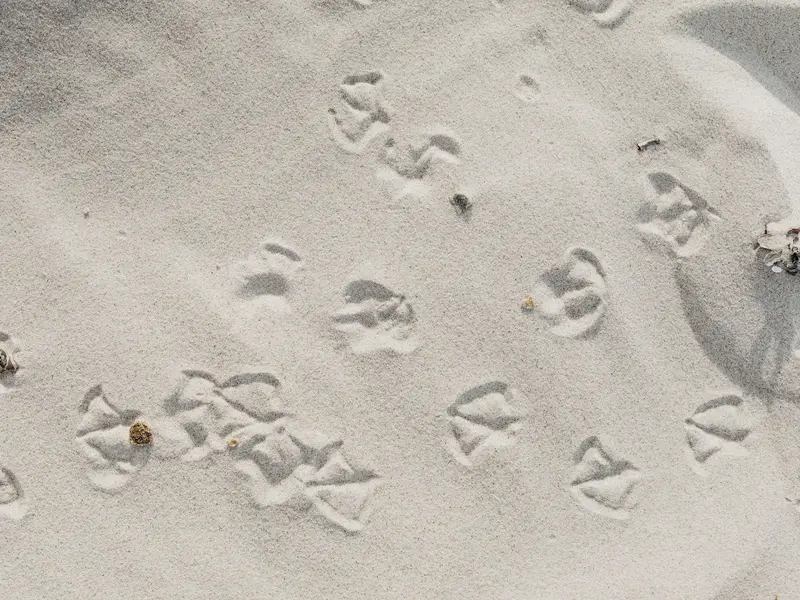
The track in the sand
Tracks in the sand appear around the vacant plots between homes, showing the snake's path from the refuge area to the new villa.
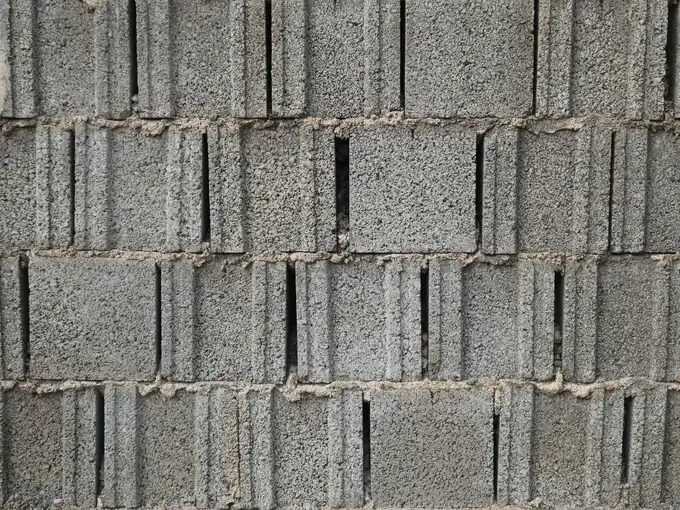
Block and rubble piles
Piles of block and rubble left over from construction provide ideal hiding places for snakes during the building phase.
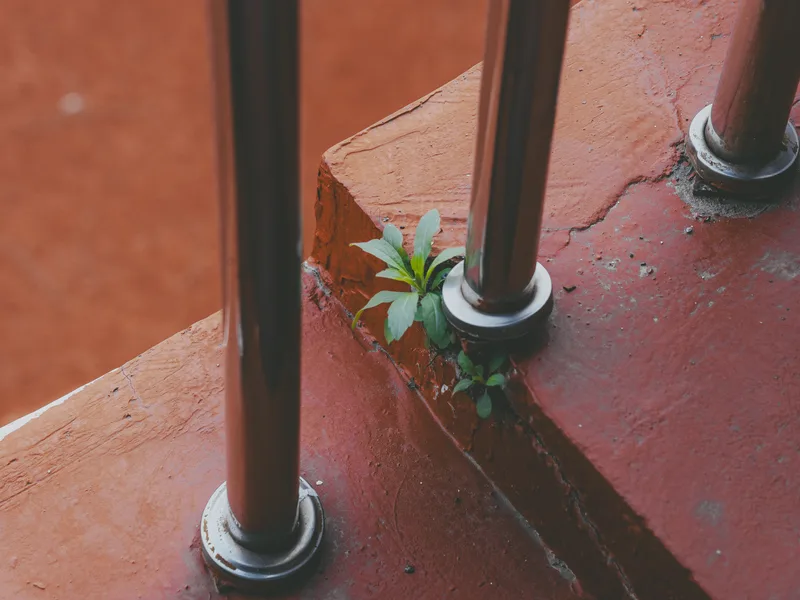
The gap under the gate
The gap beneath a newly fitted iron gate may not yet be sealed, allowing snakes direct passage into the plot.
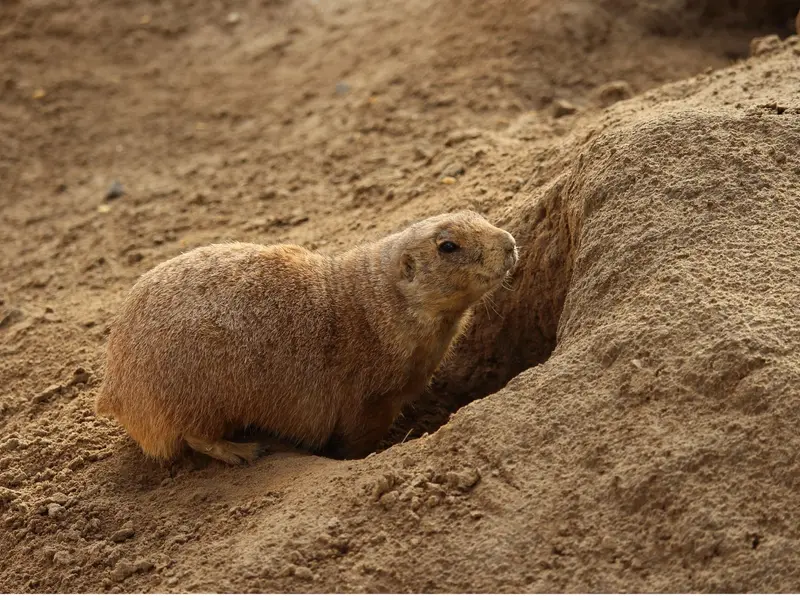
Rodent burrows
Rodent burrows in the damp soil around the foundation indicate that snakes are close behind.
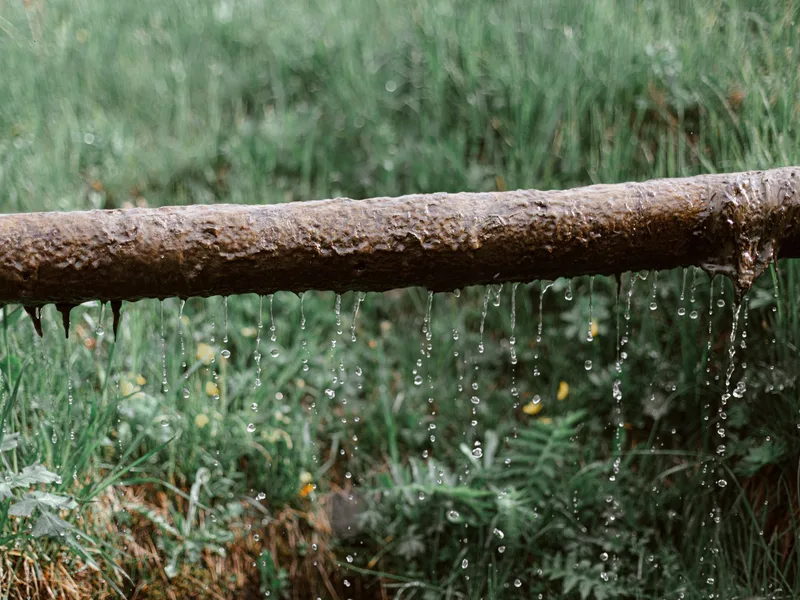
A leaking irrigation line
A leaking construction water line or curing moisture keeps the foundation damp, drawing both rats and snakes.
How we work
-
1
Inspect and locate
We work the perimeter, the garden and the service rooms with a torch and a mirror, reading the tracks, the skins and the burrows to establish whether it is still on site and where it came in.
-
2
Safe removal
It comes out on a hook and tongs into a closed container and is released away from buildings where that is possible, with no chasing it around a room.
-
3
Close the routes, take away the shelter
A strip under the gate, sleeves around pipe entries, tight covers on the floor drains, and the blocks and palm fronds moved off the wall line.
-
4
Cut the food, then come back
We treat the rodents and the geckos on the perimeter, then return once that activity has settled to check the sealed points and look for any fresh track.
What snake control includes
-

A recorded site inspection
Perimeter, garden, service rooms and pipe entries, with tracks and skins recorded before anything is applied.
-

Drains and entries closed
Tight covers on floor drains, sleeves around waste and air conditioning pipe runs, and the weep holes in the boundary wall closed.
-

Rodent work around the building
Closed bait stations on the rodent runs, because cutting the prey is what makes the site stop suiting them.
-

Perimeter treatment down the food chain
Insects on lit walls hold the geckos, and geckos feed some species, so we treat the chain from the bottom up.
-

A perimeter housekeeping list
What to move off the wall line, how low to cut the ground cover, where the lighting sits, and what to do if you see another one.
-

A scheduled follow-up
A set date to check the sealed points, the rodent stations and any new track in the sand.
What is different about Al Umrah Sub-Municipality
Al Umrah sub municipality covers the north west of Makkah along the Madinah road and the old Jeddah road, from At Tanim and Masjid Aisha to An Nawwariyah. Its districts are the city's newest, villas and apartment blocks raised on wide schemes where large tracts in Al Umrah Al Jadidah, Al Fayha and Al Buhayrat remain vacant or under construction. Wadi Saraf and Wadi At Tanim run through it and rainwater gathers on unfinished schemes, ihram shops, restaurants and coach stops along the Madinah road serve a constant flow of pilgrims, and villas fill Al Hamra and Umm Al Jud.
Questions about this district
When should I begin snake control treatment on a new villa in Al Fayha?
Do not wait for the scheme to complete. Start treating the foundations and rodents as soon as concrete is poured and steel is set. Entry points and service holes must be protected from day one. Early treatment stops snakes from establishing themselves before they have the chance to invade the finished house.
Are newly built homes with high moisture levels more vulnerable to snakes?
Yes, markedly so. Fresh concrete and wet mortar attract rats seeking water. Rats excavate through these soft materials. Snakes follow the rats. High moisture in a new house is an open invitation to snakes to arrive. Drying out and sealing speed is essential in new construction.
Can entry points in a new home be sealed before interior finishing is complete?
Yes, and it is strongly advisable. Holes needed for electrical and plumbing work can be sealed temporarily, opened when needed, then sealed finally. This greatly reduces the windows of time when a snake can enter. Coordinating with the building schedule ensures protection without delaying trades.
How does snake control differ in an incomplete district compared to a finished one?
In an incomplete district, vacant plots provide safe cover for snakes and rodents alike. Unpaved streets hold water after rain and concentrate prey. The problem reduces markedly once the district finishes. In a new scheme, work focuses on protecting each house individually and reducing the refuges that surround it.
Does construction supervision normally include snake prevention measures?
Not usually. A contractor is focused on completion and schedule. Snake prevention requires a specialist separate from general building supervision. You must request preventative treatment of foundations and entry points from the start, outside the main supervision framework.
Is treating a new home cheaper than treating an old one for snakes?
Treatment of new construction can be simpler because the building has not yet become complex. However, repeated treatment during the building phases may cost more overall. The best approach is a single early treatment followed by complete sealing, rather than repeated treatments across several months.
How much does snake control in Al Fayha cost?
It is set after the inspection, because the price follows the type of infestation, the size of the space, how far it has spread and the number of visits it needs. Send a photo and a description on WhatsApp and we will give you an estimate before we reach Al Fayha.
Nearby districts we cover
Other services in Al Fayha
Other services we provide to residents of Al Fayha.
-
 Residential
Cockroach control
Residential
Cockroach control
-
 Residential
Bed bug control
Residential
Bed bug control
-
 Residential
Termite control
Residential
Termite control
-
 Residential
Rodents and mice
Residential
Rodents and mice
-
 Residential
Mosquito control
Residential
Mosquito control
-
 Residential
Fly control
Residential
Fly control
-
 Residential
Ant control
Residential
Ant control
-
 Residential
Gecko control
Residential
Gecko control
-
 Residential
Scorpion control
Residential
Scorpion control
-
 Residential
Flea control
Residential
Flea control
-
 Residential
Bird and pigeon control
Residential
Bird and pigeon control
-
 Residential
Preventive treatment
Residential
Preventive treatment
-
 Residential
Disinfection
Residential
Disinfection
-
 Commercial
Annual contracts
Commercial
Annual contracts
-
 Commercial
Restaurants and cafes
Commercial
Restaurants and cafes
-
 Commercial
Hotels and apartments
Commercial
Hotels and apartments
-
 Commercial
Warehouses and factories
Commercial
Warehouses and factories
-
 Commercial
Schools and nurseries
Commercial
Schools and nurseries
-
 Commercial
Retail and malls
Commercial
Retail and malls
-
 Commercial
Rest houses and farms
Commercial
Rest houses and farms
-
 Commercial
Fumigation
Commercial
Fumigation
-
 Water tanks
Water tank cleaning
Water tanks
Water tank cleaning
-
 Water tanks
Water tank sterilization
Water tanks
Water tank sterilization
-
 Water tanks
Water tank sealing
Water tanks
Water tank sealing
-
 Water tanks
Tank leak repair
Water tanks
Tank leak repair
Need snake control in Al Fayha? Tell us what you saw and we will tell you what it needs
We reach Al Fayha at a time we agree, and you get the full cost before we start.