
Snake control in Al Shati Jeddah
Al Shati is a coastal district on Jeddah's Corniche facing constant high humidity and salt air that creates an environment attracting snakes and rodents. Homes sit between hotels, shopping centres and furnished flats, and the salinity weakens standard sealing materials, requiring treatment methods different from inland districts. The map shows Al Nahdah 2.5 km to the east and Al Naeem 4.5 km south.
-
Targeted, not broadcast
Product goes into cracks and runways, never sprayed across open surfaces.
-
Told before we start
What we will use, where it goes, and what to cover or move before we arrive.
-
A follow-up visit
We return after the first treatment, because what survives it does not show on the day.
-
Homes and businesses
Apartments and villas, and kitchens and stores that need a record of each visit.
Why they keep coming back in Al Shati
Villas and flats near the seafront experience faster erosion in foundations and doorframes due to salt exposure, multiplying the potential entry points where snakes gain access. The method is set out in full on the full Snake control page.
Salt corrosion weakens standard sealing materials
Salt air attacks cement, silicone and metal faster than in inland areas, so gaps sealed months ago may widen again within weeks rather than years. We use salt-resistant materials specifically formulated for coastal conditions, not the standard products used inland. This costs more but ensures the seals last.
High humidity attracts rats and draws snakes after them
Coastal humidity encourages algae and mould growth on foundations and walls, drawing rats that snakes follow. Treating humidity and improving ventilation is as essential as sealing entry points. A sealed house with poor airflow still draws rats underneath, inviting snakes to tunnel deeper.
Mixed commercial and residential buildings spread rodent populations
Hotels, shops and food storage facilities sit alongside villas and flats, so rats move easily between these sources and homes. Sealing alone cannot prevent entry when rat populations in adjacent buildings remain untreated. We assess neighbouring buildings to identify the likeliest rat routes into the home.
Al Shati on the map
Al Shati sits about 2.5 km from Al Nahdah and about 4.5 km from Al Naeem.
Open in Google MapsWhat the site tells us before we start
Coastal humidity and salt corrode concrete and metal quickly, widening gaps and voids that snakes use as entry routes into buildings year-round.
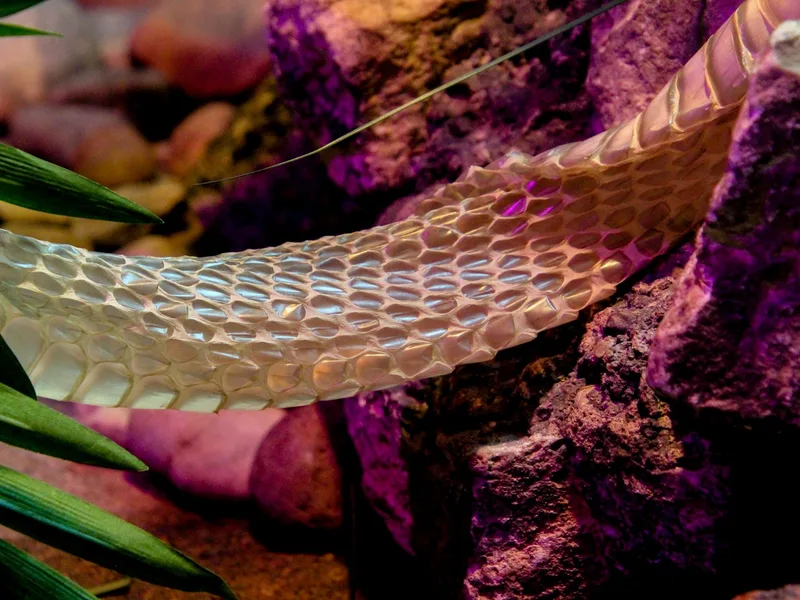
A shed skin
A shed skin in Al Shati shows clearly on wet sand and pathways near the seafront where humidity is highest.
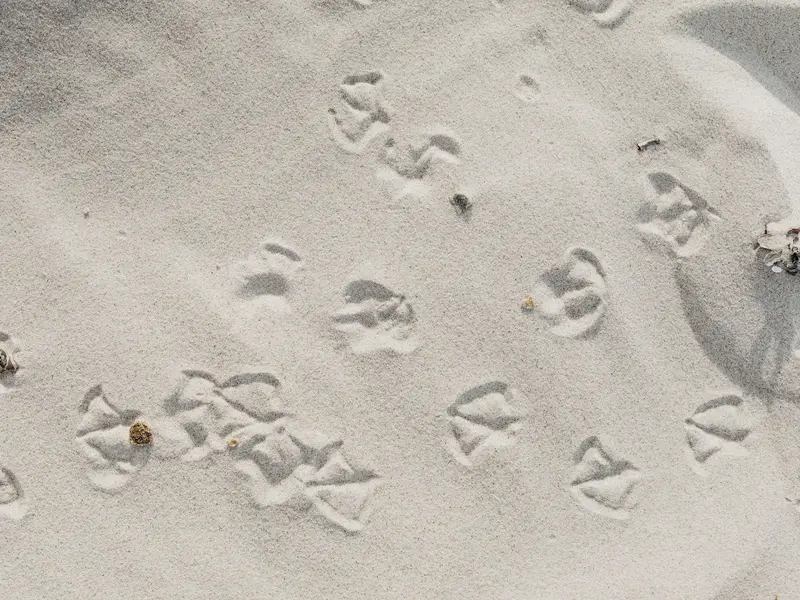
The track in the sand
The track in damp sand near the shore leaves a sharp impression, especially at doorways and foundation gaps exposed to salt spray.
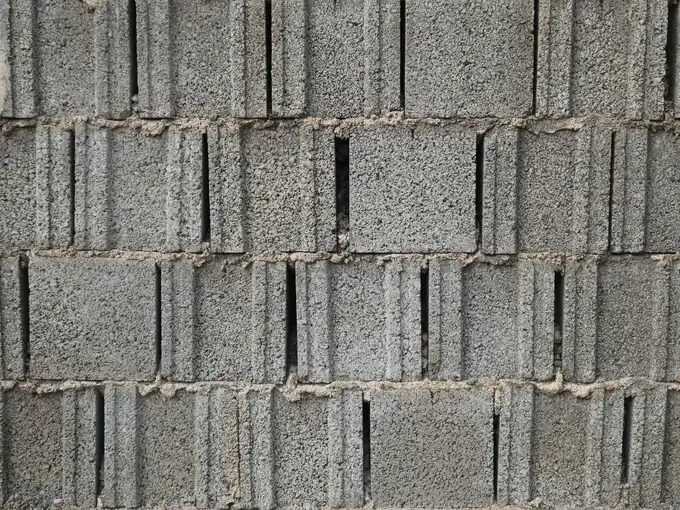
Block and rubble piles
Block and rubble piles around newly built villas in the coastal district provide shelter for snakes and rats in the humid environment.
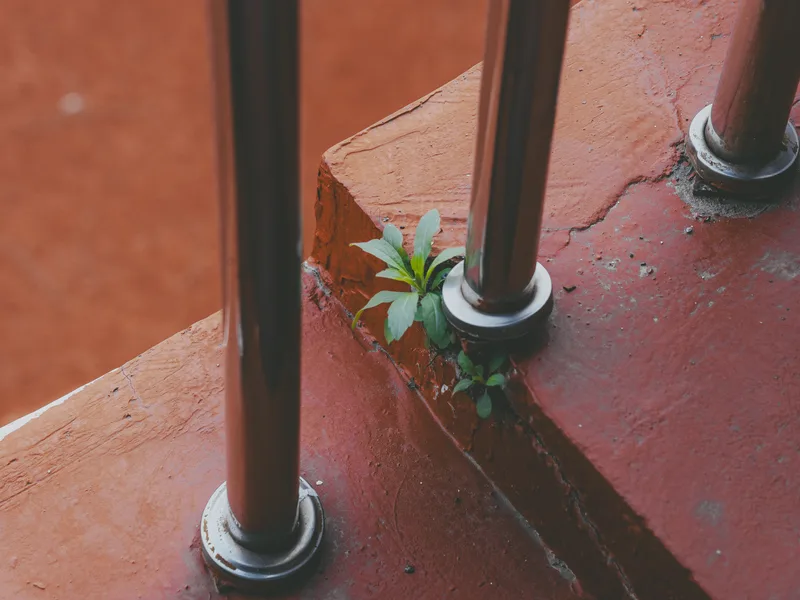
The gap under the gate
The gap under the gate in Al Shati widens faster than inland due to salt and moisture attack, easing snake entry through weakened seals.
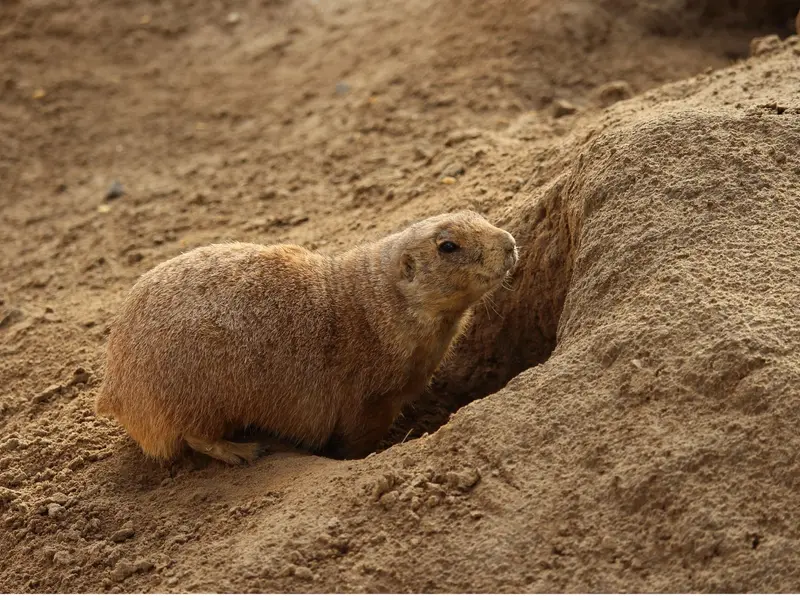
Rodent burrows
Rodent burrows spread around damp, salt-corroded foundations where moisture encourages their tunnelling in the coastal zone.
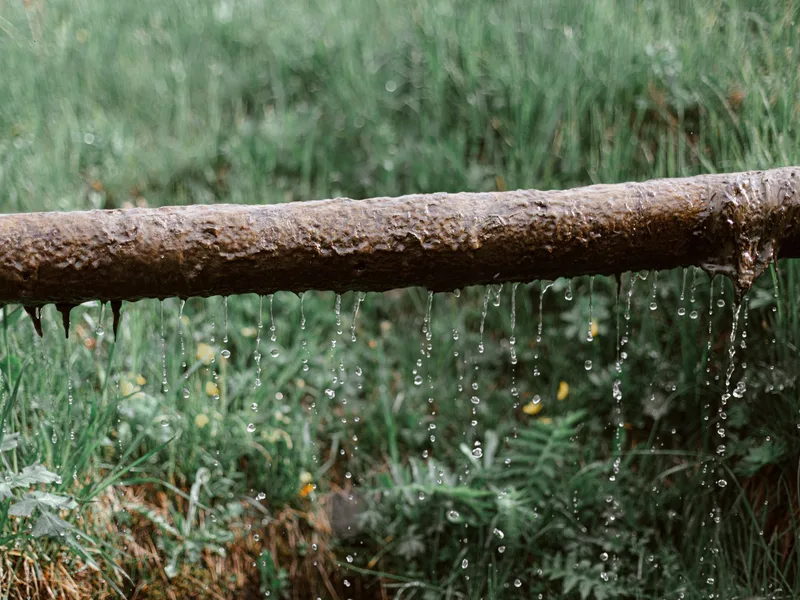
A leaking irrigation line
A leaking irrigation line in villa gardens here increases surrounding dampness, multiplying rat habitat and drawing snakes to feed on them.
How we work
-
1
Inspect and locate
We work the perimeter, the garden and the service rooms with a torch and a mirror, reading the tracks, the skins and the burrows to establish whether it is still on site and where it came in.
-
2
Safe removal
It comes out on a hook and tongs into a closed container and is released away from buildings where that is possible, with no chasing it around a room.
-
3
Close the routes, take away the shelter
A strip under the gate, sleeves around pipe entries, tight covers on the floor drains, and the blocks and palm fronds moved off the wall line.
-
4
Cut the food, then come back
We treat the rodents and the geckos on the perimeter, then return once that activity has settled to check the sealed points and look for any fresh track.
What snake control includes
-

A recorded site inspection
Perimeter, garden, service rooms and pipe entries, with tracks and skins recorded before anything is applied.
-

Drains and entries closed
Tight covers on floor drains, sleeves around waste and air conditioning pipe runs, and the weep holes in the boundary wall closed.
-

Rodent work around the building
Closed bait stations on the rodent runs, because cutting the prey is what makes the site stop suiting them.
-

Perimeter treatment down the food chain
Insects on lit walls hold the geckos, and geckos feed some species, so we treat the chain from the bottom up.
-

A perimeter housekeeping list
What to move off the wall line, how low to cut the ground cover, where the lighting sits, and what to do if you see another one.
-

A scheduled follow-up
A set date to check the sealed points, the rodent stations and any new track in the sand.
The character of Al Shati
Coastal area: high humidity and salt air through the year
Coastal means salt and humidity degrade every building material at speed, so sealing here requires salt-resistant products and continuous ventilation maintenance, not simply closing gaps as is done inland.
Questions about this district
Does the salt in the air affect how we seal gaps permanently?
Yes, salt corrodes ordinary silicone and cement much faster than in inland areas. We use salt-resistant materials throughout Al Shati, different from those used in city-centre districts. The cost is higher but it ensures the seals remain intact and functional for years, not months.
My flat is directly facing the sea. Is the risk of snakes higher?
Yes, proximity to the sea intensifies humidity and salt exposure, so foundations and doorframes deteriorate faster. Seafront villas and flats on the Cornnice require more frequent inspections than homes further inland, and sealing materials must be upgraded to resist corrosion.
Do snakes come into the district from the rocks and beaches adjacent to homes?
Snakes may shelter in coastal rocks and damp areas, but they follow rats and insects. Humidity attracts rats to foundations, so snakes tunnel in pursuit of food. The beach itself is not the entry route; the rats it draws are the draw.
After we removed a snake from the flat, could another come from the hotel next door?
It is possible if entry points remain unsealed. Hotels and shops surrounding the district may source rats and snakes, but thorough sealing and correct ventilation prevent entry from these buildings. Rodent control in adjacent commercial spaces helps but is not your responsibility alone.
The humidity here is very high. Do we need extra treatment after sealing?
Yes, humidity promotes mould and algae growth that attracts insects and rats. After sealing, improving drainage and ventilation around the home reduces moisture and makes the environment less inviting to rats. Drier foundations draw fewer rats and therefore fewer snakes.
Furnished flats rented to tourists. Are snakes more common in these than in private homes?
Furnished tourist flats see more insect and rat activity due to guest turnover and frequent servicing. Door and window gaps may be wider than in owner-occupied homes. The root cause is humidity and rats, not visitor numbers, but access control does matter in high-turnover buildings.
How much does snake control in Al Shati cost?
It is set after the inspection, because the price follows the type of infestation, the size of the space, how far it has spread and the number of visits it needs. Send a photo and a description on WhatsApp and we will give you an estimate before we reach Al Shati.
Nearby districts we cover
Other services in Al Shati
Other services we provide to residents of Al Shati.
-
 Residential
Cockroach control
Residential
Cockroach control
-
 Residential
Bed bug control
Residential
Bed bug control
-
 Residential
Termite control
Residential
Termite control
-
 Residential
Rodents and mice
Residential
Rodents and mice
-
 Residential
Mosquito control
Residential
Mosquito control
-
 Residential
Fly control
Residential
Fly control
-
 Residential
Ant control
Residential
Ant control
-
 Residential
Gecko control
Residential
Gecko control
-
 Residential
Scorpion control
Residential
Scorpion control
-
 Residential
Flea control
Residential
Flea control
-
 Residential
Bird and pigeon control
Residential
Bird and pigeon control
-
 Residential
Preventive treatment
Residential
Preventive treatment
-
 Residential
Disinfection
Residential
Disinfection
-
 Commercial
Annual contracts
Commercial
Annual contracts
-
 Commercial
Restaurants and cafes
Commercial
Restaurants and cafes
-
 Commercial
Hotels and apartments
Commercial
Hotels and apartments
-
 Commercial
Warehouses and factories
Commercial
Warehouses and factories
-
 Commercial
Schools and nurseries
Commercial
Schools and nurseries
-
 Commercial
Retail and malls
Commercial
Retail and malls
-
 Commercial
Rest houses and farms
Commercial
Rest houses and farms
-
 Commercial
Fumigation
Commercial
Fumigation
-
 Water tanks
Water tank cleaning
Water tanks
Water tank cleaning
-
 Water tanks
Water tank sterilization
Water tanks
Water tank sterilization
-
 Water tanks
Water tank sealing
Water tanks
Water tank sealing
-
 Water tanks
Tank leak repair
Water tanks
Tank leak repair
Need snake control in Al Shati? Tell us what you saw and we will tell you what it needs
We reach Al Shati at a time we agree, and you get the full cost before we start.