
Snake control in Harat Al Kanadirah Jeddah
Harat Al Kanadirah is a small quarter on Thuwal's seafront where old popular houses stand beside modern concrete blocks on the banks of Wadi Thuwal. The mix of housing ages, the wadi's seasonal moisture and the ocean's salt air create persistent conditions that draw snakes hunting the rodents and dampness they follow. Treatment here differs from denser quarters because the work reaches into older, lower buildings where the gaps run deeper.
-
Targeted, not broadcast
Product goes into cracks and runways, never sprayed across open surfaces.
-
Told before we start
What we will use, where it goes, and what to cover or move before we arrive.
-
A follow-up visit
We return after the first treatment, because what survives it does not show on the day.
-
Homes and businesses
Apartments and villas, and kitchens and stores that need a record of each visit.
Why they keep coming back in Harat Al Kanadirah
Older homes in the quarter hold persistent dampness from the wadi and proximity to sea air, and gaps under old gates sit open year-round, providing clear passages for snakes moving between structures. The method is set out in full on the full Snake control page.
Mixed housing and the shared passage problem
Ground-floor shops have large gaps under their doors for business and ventilation, while flats sit above them sharing a common stairwell. Snakes enter through the shop gaps straight from the street, then climb the shared stairs hunting rodents in the upper flats, so the quarter functions as a single vertical system that a single building does not.
Permanent salt damp and structural decay
Wadi moisture and sea salt work into the foundations and wall seals year-round. Old rendered walls crack and blister as salt crystallises behind the plaster, leaving gaps that let in both rodents seeking shelter and the snakes that follow them. The decay is progressive and continuous, not seasonal.
Tanker water and courtyard storage
The quarter depends on tankered water, so every household keeps storage tanks in courtyards and on roofs. These attract rodents, and the rodents draw snakes. A single treated house sits next to untreated tanks and adjoining properties, so snakes simply move along the line of food sources.
The character of Harat Al Kanadirah
Mixed district: shops at street level with homes above them
The mixed character means snakes enter through ground shops from the street, then use shared stairs to climb towards rodents in upper flats.
What the site tells us before we start
The coastal settlement lies on a wadi that carries seasonal floods and silt, with the university campus fence to the north and open shoreline to the east, creating multiple entry routes for snakes moving inland from the water.
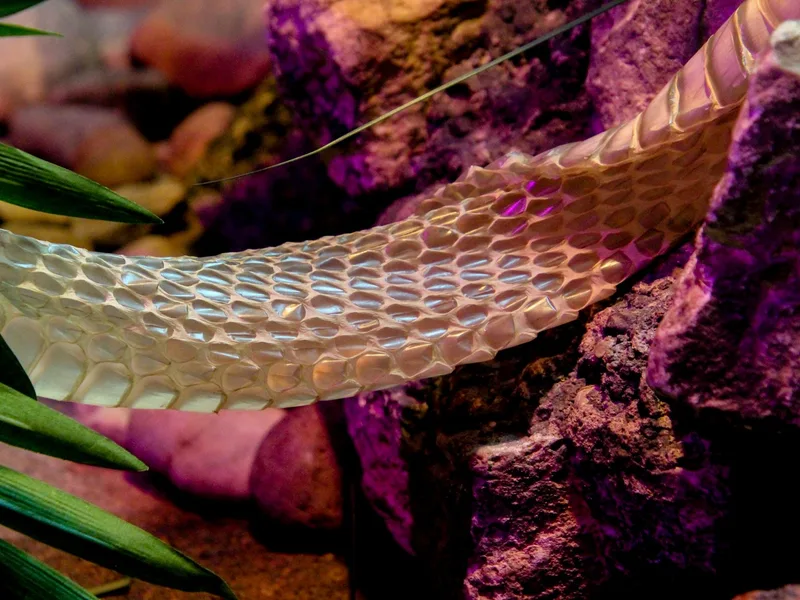
A shed skin
High humidity in Harat Al Kanadirah keeps shed snake skins damp and stuck to surfaces. Look for them on tank walls and under the old gates where moisture lingers longest.
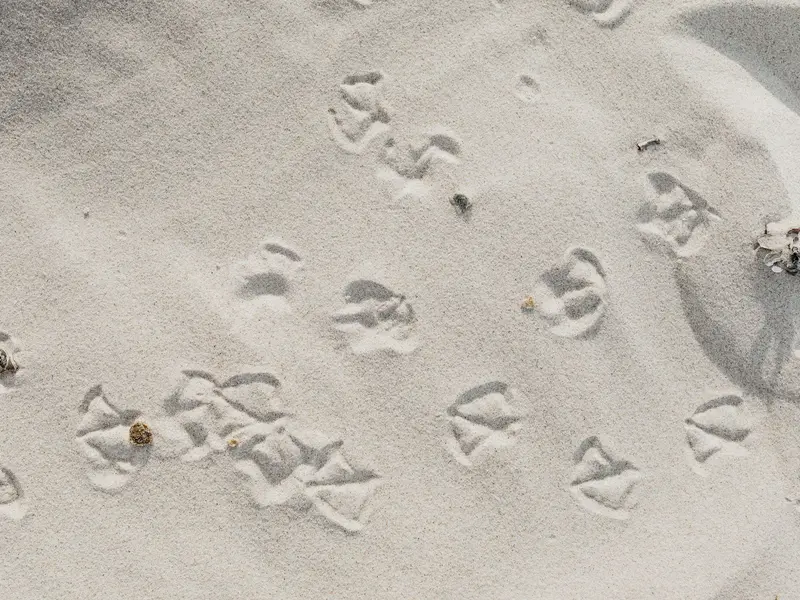
The track in the sand
Sand around the quarter's older houses preserves snake tracks clearly, especially near low windows and under the gaps where snakes hunt for shelter between structures.
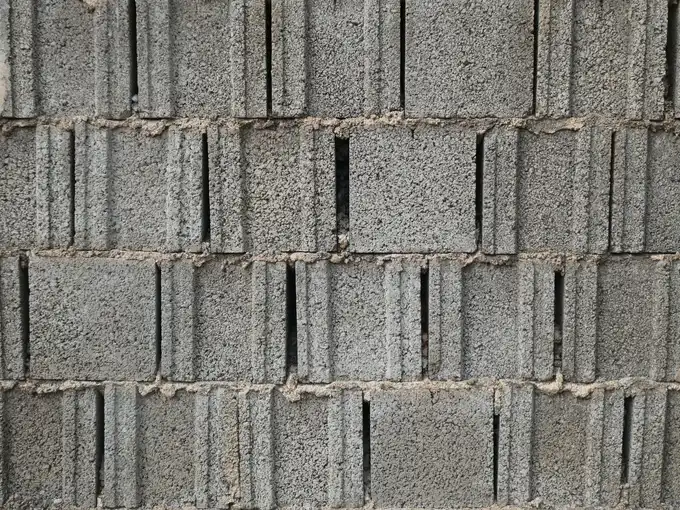
Block and rubble piles
Damaged concrete blocks and old stone foundations around the shops provide ready-made hides for snakes, and blocks are often broken under doors where heavy foot traffic has worn the seals.
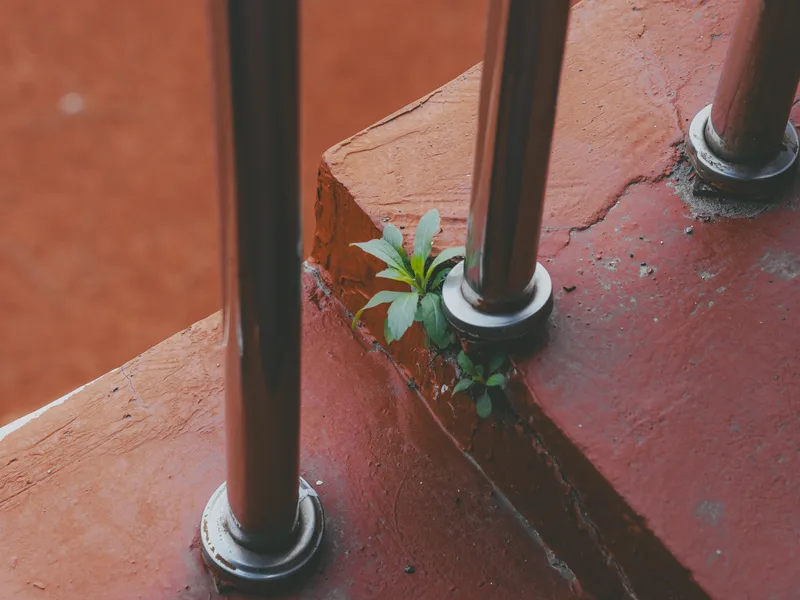
The gap under the gate
Gaps under shop gates are wide and old, allowing snakes to pass straight from the street into the shop interior without obstruction.
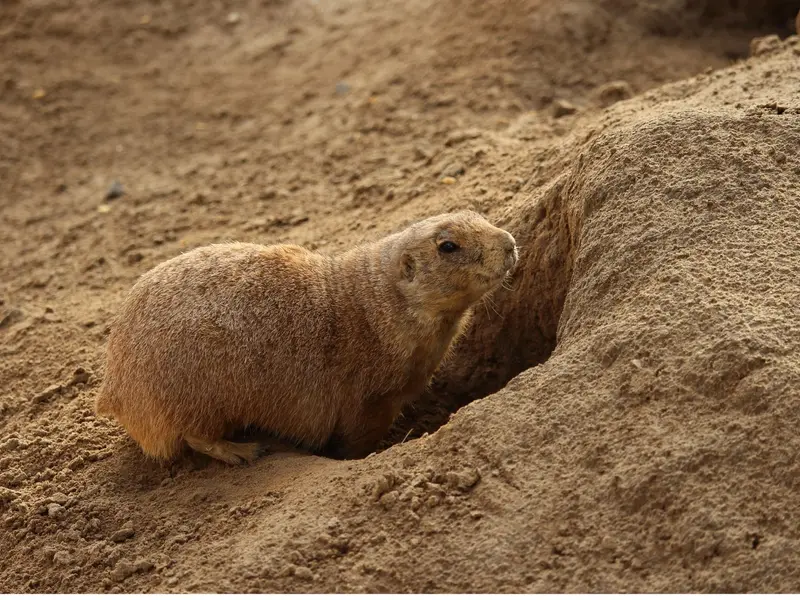
Rodent burrows
Rodent burrows under shops and the residential flats above them provide a food chain that pulls snakes from street level up into occupied homes.
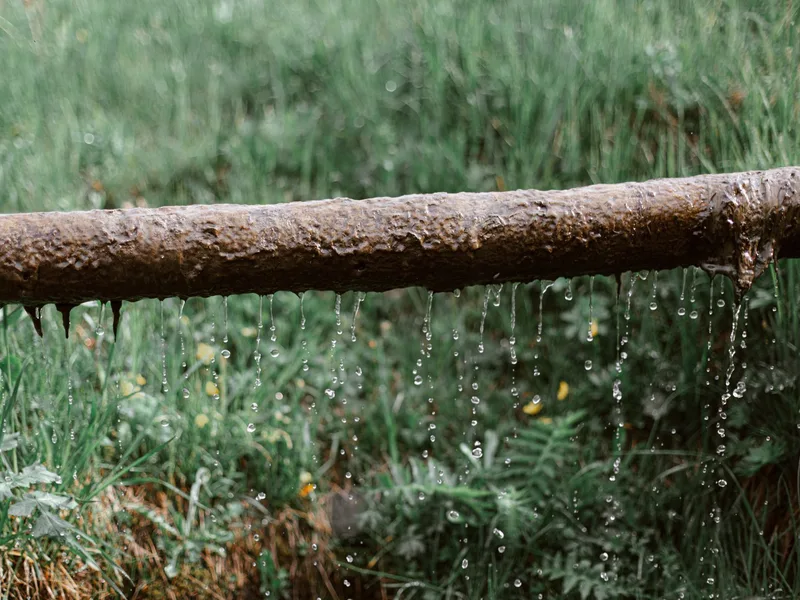
A leaking irrigation line
Leaking drainage and irrigation lines around old homes raise damp levels under foundations, creating the wet environment where both rodents and snakes shelter together.
How we work
-
1
Inspect and locate
We work the perimeter, the garden and the service rooms with a torch and a mirror, reading the tracks, the skins and the burrows to establish whether it is still on site and where it came in.
-
2
Safe removal
It comes out on a hook and tongs into a closed container and is released away from buildings where that is possible, with no chasing it around a room.
-
3
Close the routes, take away the shelter
A strip under the gate, sleeves around pipe entries, tight covers on the floor drains, and the blocks and palm fronds moved off the wall line.
-
4
Cut the food, then come back
We treat the rodents and the geckos on the perimeter, then return once that activity has settled to check the sealed points and look for any fresh track.
What snake control includes
-

A recorded site inspection
Perimeter, garden, service rooms and pipe entries, with tracks and skins recorded before anything is applied.
-

Drains and entries closed
Tight covers on floor drains, sleeves around waste and air conditioning pipe runs, and the weep holes in the boundary wall closed.
-

Rodent work around the building
Closed bait stations on the rodent runs, because cutting the prey is what makes the site stop suiting them.
-

Perimeter treatment down the food chain
Insects on lit walls hold the geckos, and geckos feed some species, so we treat the chain from the bottom up.
-

A perimeter housekeeping list
What to move off the wall line, how low to cut the ground cover, where the lighting sits, and what to do if you see another one.
-

A scheduled follow-up
A set date to check the sealed points, the rodent stations and any new track in the sand.
Landmarks of Harat Al Kanadirah
Harat Al Kanadirah lies between Thuwal Corniche to the east and the Jeddah to Madinah Road to the west, and treatment work is organised from the main access points along the corniche and the main road where snakes enter from the beach and wadi.
- King Abdullah University of Science and Technology
- Thuwal Corniche
- Jeddah Madinah Road
- Al Shati Mosque
Questions about this district
Does permanent salt damp from the beach mean snakes arrive all year here?
Yes. The steady moisture draws insects and soft creatures that juvenile snakes eat, and it keeps soil and foundations damp where snakes hide. Seasonal treatment does not work here because the conditions favouring snakes are constant. Ground conditions must be checked and sealed through all months.
The gap under the shop door is tiny. Can a thin snake still enter from the street?
Very thin snakes pass through gaps the width of a finger. Old wooden and metal doors warp and wear with time and moisture, opening gaps that seem small until a snake navigates it. Close inspection of shop doors often reveals gaps the owner has not noticed because they are at floor level.
If we clean the stairwell thoroughly, will that stop snakes entering our flat above?
Cleaning reduces rodents and insects, but the stairwell has gaps under doors and around pipes that a snake will use. Snakes follow food, not debris, so a clean empty passage is as good a route as a dirty one. Sealing the gaps matters more than cleaning.
If we treat our flat alone, will that stop snakes from reaching us from our neighbours?
Snakes move easily between flats through shared stairs and the gaps under doors, so treating one flat gives only temporary relief. Coordination with neighbours to seal gaps in the stairwell and under their doors is much more effective than treating a single flat in isolation.
We have a new water tank on the roof. Does that attract more snakes than the old one did?
New and old tanks both attract rodents that drink from them or shelter below them, and snakes follow. The difference is that old tanks may leak water under the house, raising damp that intensifies the attraction. Either way, tanks draw a food chain that ends with snakes.
The quarter's walls are very old. Do they have cracks that let snakes through them?
Old rendered walls in Thuwal are full of cracks and gaps, especially near foundations where moisture weakens the plaster. Snakes use these openings to enter homes and courtyards from street level. Thorough wall inspection is a core part of any treatment programme here because the breaches are numerous.
How much does snake control in Harat Al Kanadirah cost?
It is set after the inspection, because the price follows the type of infestation, the size of the space, how far it has spread and the number of visits it needs. Send a photo and a description on WhatsApp and we will give you an estimate before we reach Harat Al Kanadirah.
Nearby districts we cover
Other services in Harat Al Kanadirah
Other services we provide to residents of Harat Al Kanadirah.
-
 Residential
Cockroach control
-
 Residential
Bed bug control
-
 Residential
Termite control
-
 Residential
Rodents and mice
Need snake control in Harat Al Kanadirah? Tell us what you saw and we will tell you what it needs
We reach Harat Al Kanadirah at a time we agree, and you get the full cost before we start.