
Snake control in Jaranah Makkah
Jaranah is a wadi settlement north east of the Haram at the edge of the holy city, home to Al Jaranah Mosque where pilgrims enter ihram for umrah. Low houses stand alongside old wells and open ground, and the wadi carries floods after rain leaving damp silt. Farms and open land provide shelter for snakes and rodents that move into homes seeking water.
-
Targeted, not broadcast
Product goes into cracks and runways, never sprayed across open surfaces.
-
Told before we start
What we will use, where it goes, and what to cover or move before we arrive.
-
A follow-up visit
We return after the first treatment, because what survives it does not show on the day.
-
Homes and businesses
Apartments and villas, and kitchens and stores that need a record of each visit.
Why they keep coming back in Jaranah
Jaranah is a natural wadi channel that carries floods and moisture, and the farms and old wells supply permanent water for rodent and snake populations. The method is set out in full on Snake control in detail.
The wadi carries floods and moisture that attract rodent colonies and snakes
Wadi Al Jaranah carries flash floods after rain and leaves damp silt in the wadi bed and around homes. This permanent moisture provides shelter for rodent colonies, and snakes follow the rodents.
Farms and old wells supply permanent water and food for snakes
Jaranah has date palms and wells providing permanent water. The palms and crops shelter rodent and insect populations, and the wells provide water. Snakes inhabit the wadi as long as water and food remain.
Scattered homes lack protection from gaps and damp foundations
Houses in Jaranah are dispersed and old, with damp foundations and gaps around the buildings never treated. Snakes living in the wadi and on the farms enter homes freely through unprotected gaps.
Jaranah on the map
Jaranah sits about 3 km from Yamamah and about 4 km from Zamzam.
Open in Google MapsWhat the site tells us before we start
A wadi settlement at the Haram's north eastern edge with a small town and administrative centre on Al Jaranah Road north of Yamamah and Zamzam, serving scattered low houses, old wells, farms and a park.
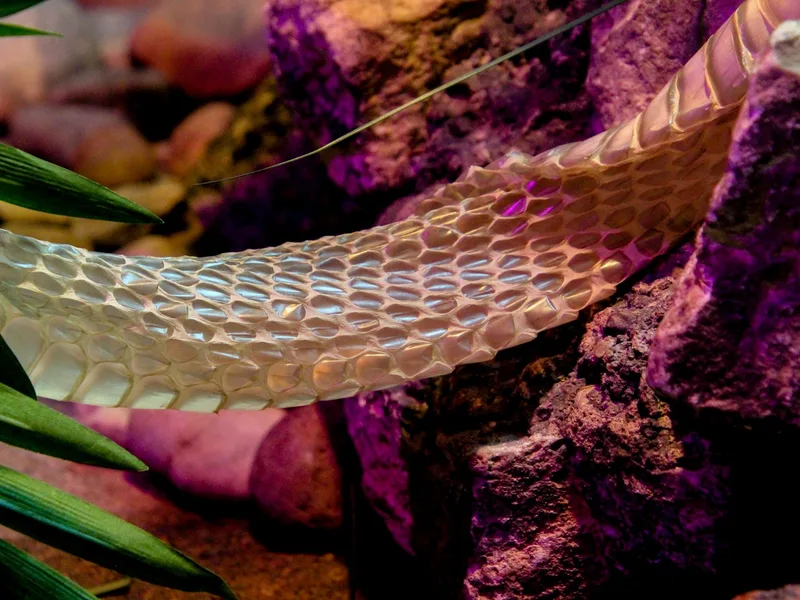
A shed skin
Snakes entering from the wadi leave shed skin around the house and in gaps near the damp foundations.
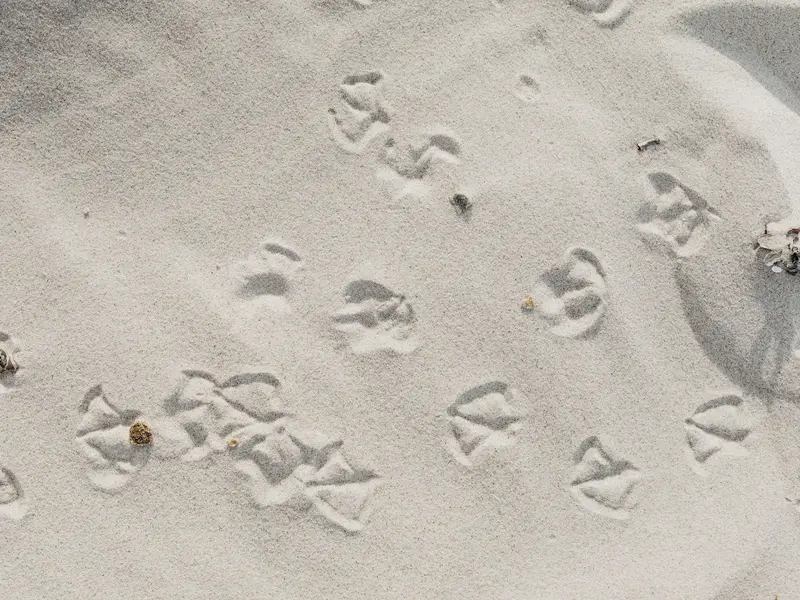
The track in the sand
In silt and sand around the wadi and house, snakes leave very clear movement trails.
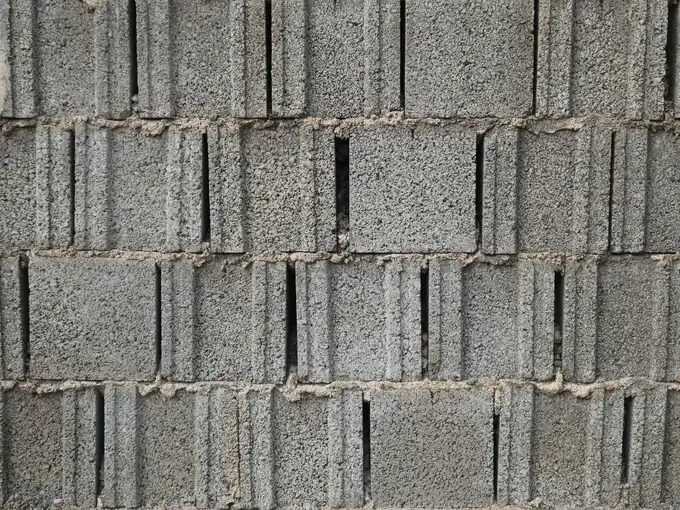
Block and rubble piles
Piles of wood, materials and stones around the house and farms provide snake shelter.
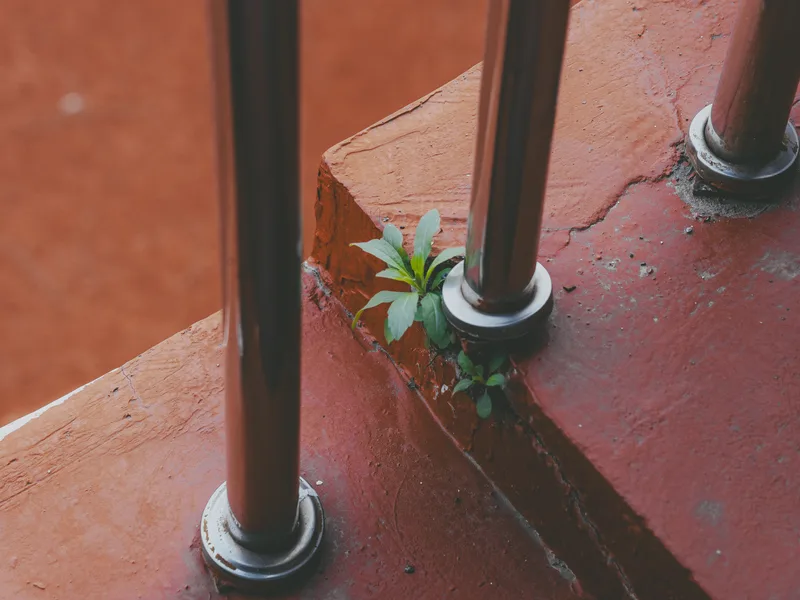
The gap under the gate
Gaps under doors and around damp foundations are the main entry routes.
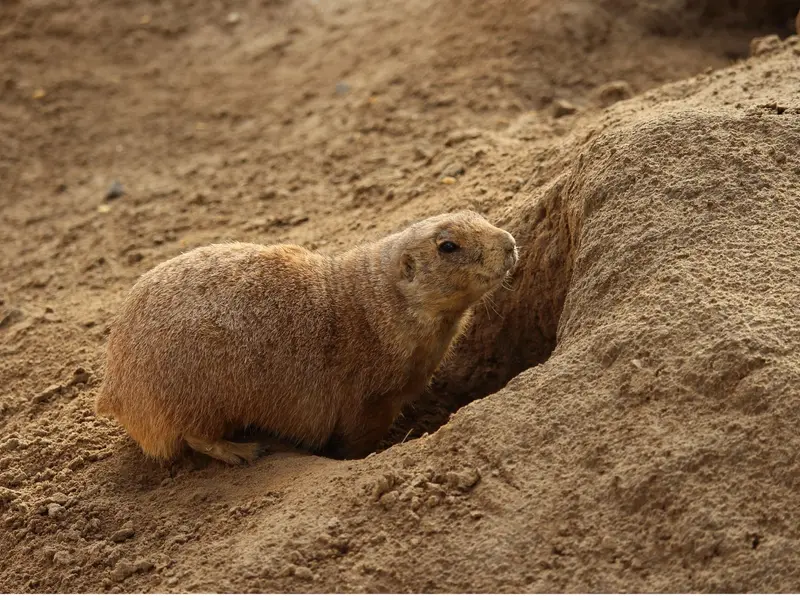
Rodent burrows
Rodent burrows in the wadi, farms and open land supply year round snake food.
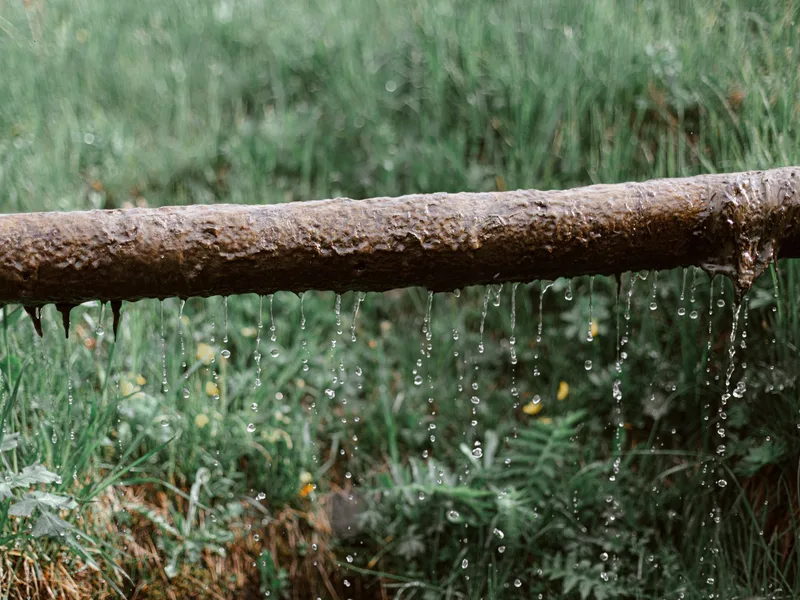
A leaking irrigation line
Water from the wadi, wells and continuous irrigation provide the permanent moisture that draws snakes to homes.
How we work
-
1
Inspect and locate
We work the perimeter, the garden and the service rooms with a torch and a mirror, reading the tracks, the skins and the burrows to establish whether it is still on site and where it came in.
-
2
Safe removal
It comes out on a hook and tongs into a closed container and is released away from buildings where that is possible, with no chasing it around a room.
-
3
Close the routes, take away the shelter
A strip under the gate, sleeves around pipe entries, tight covers on the floor drains, and the blocks and palm fronds moved off the wall line.
-
4
Cut the food, then come back
We treat the rodents and the geckos on the perimeter, then return once that activity has settled to check the sealed points and look for any fresh track.
What snake control includes
-

A recorded site inspection
Perimeter, garden, service rooms and pipe entries, with tracks and skins recorded before anything is applied.
-

Drains and entries closed
Tight covers on floor drains, sleeves around waste and air conditioning pipe runs, and the weep holes in the boundary wall closed.
-

Rodent work around the building
Closed bait stations on the rodent runs, because cutting the prey is what makes the site stop suiting them.
-

Perimeter treatment down the food chain
Insects on lit walls hold the geckos, and geckos feed some species, so we treat the chain from the bottom up.
-

A perimeter housekeeping list
What to move off the wall line, how low to cut the ground cover, where the lighting sits, and what to do if you see another one.
-

A scheduled follow-up
A set date to check the sealed points, the rodent stations and any new track in the sand.
What is different about Al Sharai Sub-Municipality
Al Sharai is the eastern growth front of Makkah along King Faisal Road and the Taif road. Settled quarters sit beside recently renamed schemes where plots are still vacant and buildings are going up, so construction sites, fill and open excavations lie next to occupied homes. Wadi channels such as Wadi Mudarraja, Wadi Al Sharai and Wadi Al Mughammas carry flash floods after rain and dry out to damp silt, while dust blows off the open hills. Roadside shops, restaurants and warehouses line the Taif road, and to the east the area shades into villages, palm farms and springs.
Questions about this district
Is Wadi Al Jaranah a direct source of snakes in the homes here?
Yes, a direct one. The wadi carries water and moisture, and rodent colonies live on its banks. Snakes that drink from the wadi enter adjoining homes.
Do farms and date palms provide shelter for snakes beside the houses?
Absolutely. Farms, palms and trees provide shelter and food. Snakes shelter among the palms, rodents eat dates and grain, and snakes follow rodents to the homes.
Do the old wells provide water that draws snakes?
Yes. Wells provide permanent water, and snakes come to drink. Water near the house attracts both snakes and rodents.
Are scattered houses more at risk than dense housing blocks?
Yes. Scattered houses are surrounded by open land and wadis, giving snakes complete freedom to move. Dense blocks offer better protection through shared walls.
Will removing water from the house stop snakes from coming?
Reducing water is important but not sufficient. The wadi itself carries water, and snakes remain as long as farms and other wells provide water and food.
Is protecting a home from snakes in Jaranah very difficult?
Yes more difficult than urban areas. The wadi is a continuous source, open land around the house is extensive, and old homes have many gaps.
How much does snake control in Jaranah cost?
It is set after the inspection, because the price follows the type of infestation, the size of the space, how far it has spread and the number of visits it needs. Send a photo and a description on WhatsApp and we will give you an estimate before we reach Jaranah.
Other services in Jaranah
Other services we provide to residents of Jaranah.
-
 Residential
Cockroach control
Residential
Cockroach control
-
 Residential
Bed bug control
Residential
Bed bug control
-
 Residential
Termite control
Residential
Termite control
-
 Residential
Rodents and mice
Residential
Rodents and mice
-
 Residential
Mosquito control
Residential
Mosquito control
-
 Residential
Fly control
Residential
Fly control
-
 Residential
Ant control
Residential
Ant control
-
 Residential
Gecko control
Residential
Gecko control
-
 Residential
Scorpion control
Residential
Scorpion control
-
 Residential
Flea control
Residential
Flea control
-
 Residential
Bird and pigeon control
Residential
Bird and pigeon control
-
 Residential
Preventive treatment
Residential
Preventive treatment
-
 Residential
Disinfection
Residential
Disinfection
-
 Commercial
Annual contracts
Commercial
Annual contracts
-
 Commercial
Restaurants and cafes
Commercial
Restaurants and cafes
-
 Commercial
Hotels and apartments
Commercial
Hotels and apartments
-
 Commercial
Warehouses and factories
Commercial
Warehouses and factories
-
 Commercial
Schools and nurseries
Commercial
Schools and nurseries
-
 Commercial
Retail and malls
Commercial
Retail and malls
-
 Commercial
Rest houses and farms
Commercial
Rest houses and farms
-
 Commercial
Fumigation
Commercial
Fumigation
-
 Water tanks
Water tank cleaning
Water tanks
Water tank cleaning
-
 Water tanks
Water tank sterilization
Water tanks
Water tank sterilization
-
 Water tanks
Water tank sealing
Water tanks
Water tank sealing
-
 Water tanks
Tank leak repair
Water tanks
Tank leak repair
Need snake control in Jaranah? Tell us what you saw and we will tell you what it needs
We reach Jaranah at a time we agree, and you get the full cost before we start.