
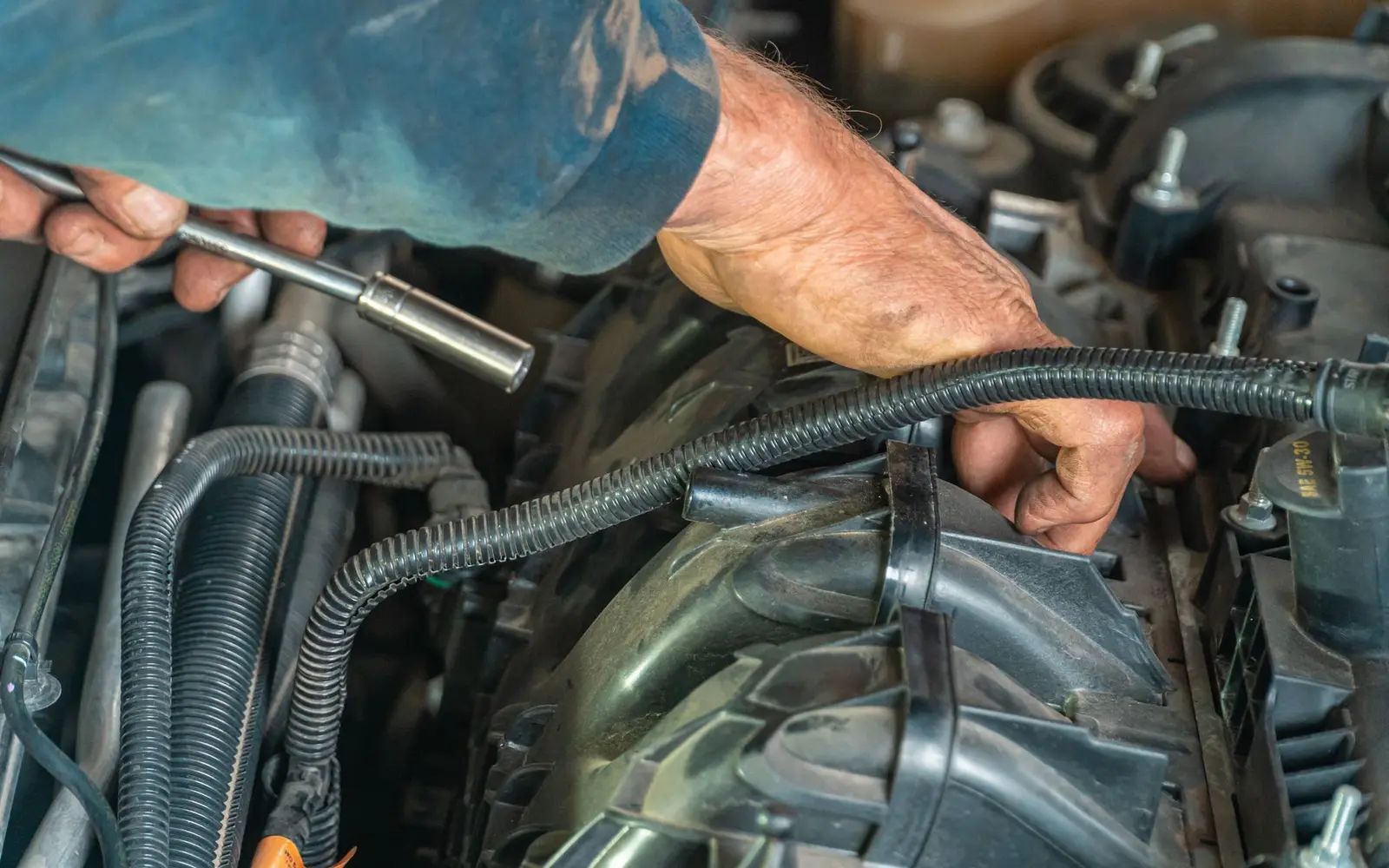
Tank leak repair in Al Sahifah Jeddah
Al Sahifah is an old central district blending historic and modern apartment buildings, with tanks distributed on rooftops and between floors. Most tanks are old or middle-aged, and leaks are common in the hot summer when metal and concrete expand and contract. Early inspection is essential because leaks can damage the ancient foundations beneath.
-
Potable-rated materials
Linings and disinfectants cleared for drinking water tanks, not general-purpose products.
-
You get the downtime first
How many hours the tank is out of service, told before we start rather than after we finish.
-
A first-draw flush
We run the first draw off after refilling, and the tank is not handed back until the water runs clear.
-
Ground and roof tanks
Villas, apartment blocks and premises that need a written record of each visit.
Why the job is different in Al Sahifah
The urban fabric here is old with modern additions interspersed, and existing tanks range from basic concrete boxes to slightly newer metal variants. The method is set out in full on our Tank leak repair service.
Old concrete tanks sitting on rooftops
Most residential buildings placed concrete tanks directly on rooftops decades ago. These tanks have endured sun and heat for decades, concrete has weakened, and fine cracks now appear on walls and floor.
Inlet and outlet pipes fixed through ancient walls
Tanks here are fed and drained by rigid or flex pipes piercing very old masonry. The joint between pipe and tank is a common leak site, especially if rubber seals have hardened with age.
Seasonal pressure and thermal expansion crack and widen fissures
In hot summers concrete expands and metals shift dimensions. Fine cracks widen and leak, especially at peak usage hours when network pressure climbs.
The character of Al Sahifah
Apartment district: residential blocks, repeated floors and shared entrances
Al Sahifah is an old quarter with modern buildings mixed in. Old rooftop tanks need repair that accounts for structural weakness of the roof and foundations, so work must be incremental to avoid extra stress.
Where the water leaves decides how it is repaired
A historic central quarter adjoining old Jeddah from inland, bounded by Al Balad, Al Ammariyah, Al Kandarah and Al Sabil, with Old Makkah Road along its north edge and King Abdulaziz Road running through it.
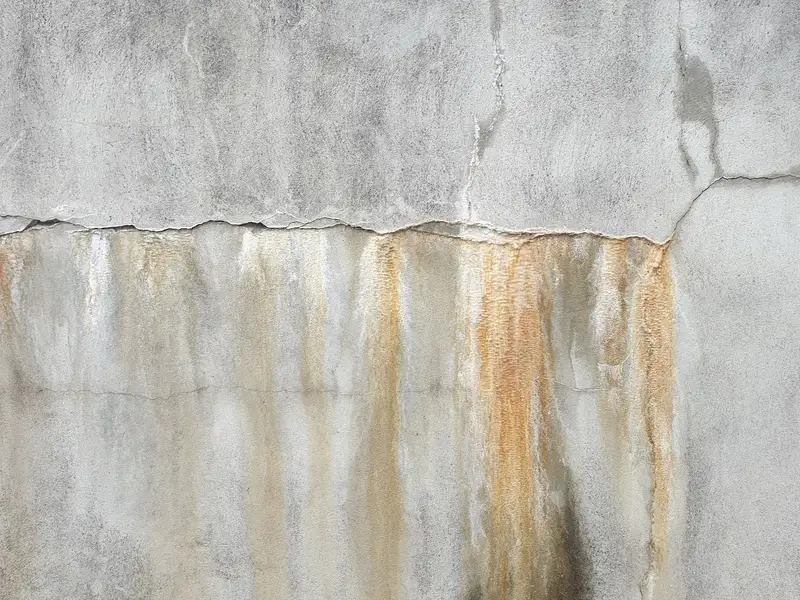
Damp and salt on the outside wall
Cracks in concrete walls and floor cause leaks from thermal stress and pressure cycling over years.
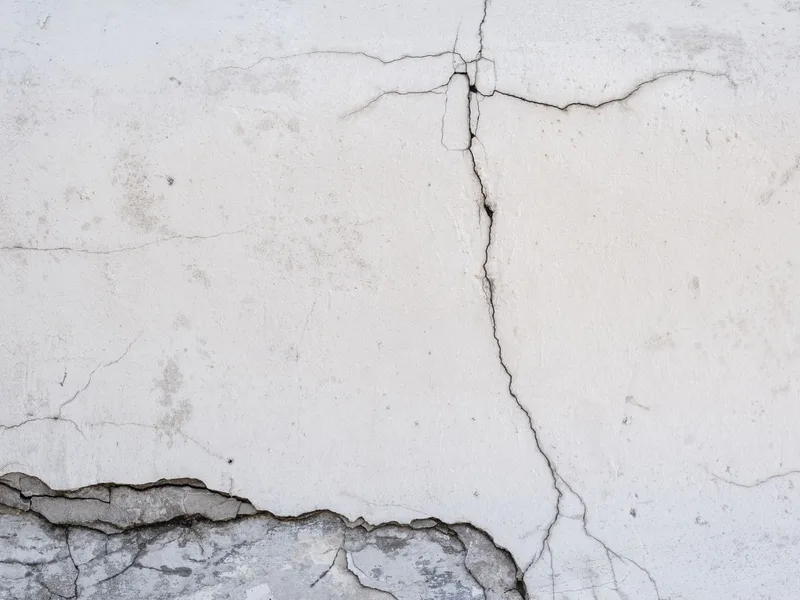
The kind of crack
Seals at pipe entry points fail because rubber has hardened or crumbled with age.
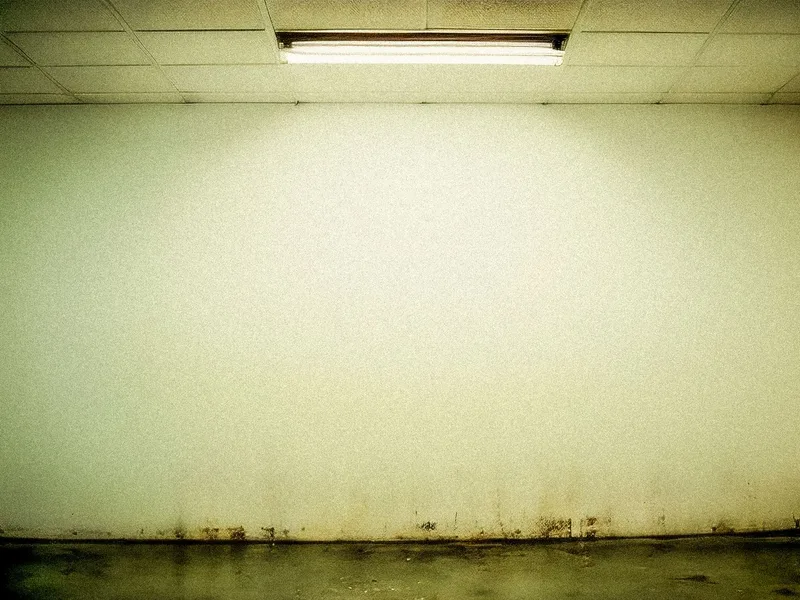
The wall to floor junction
Weak old foundations under heavy full tanks suffer additional stress, creating cracks through the floor.
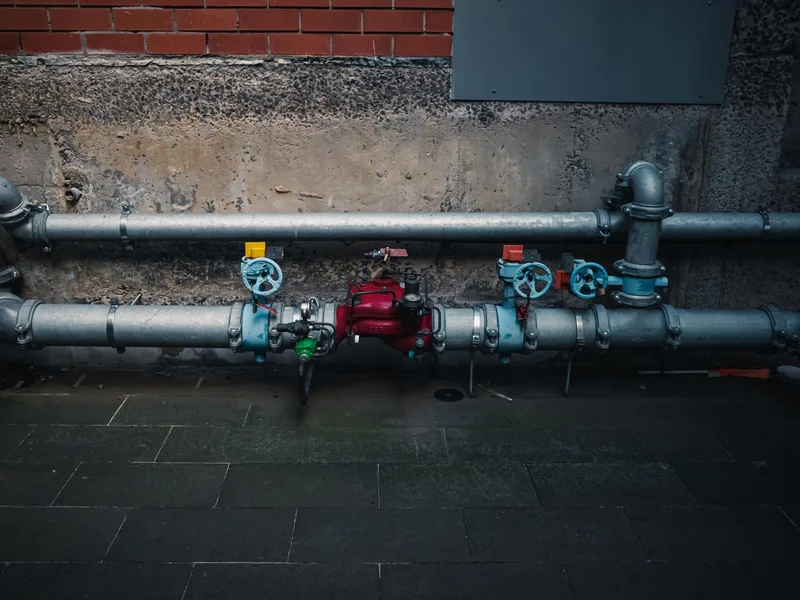
Pipe entries
Salt air, high humidity and direct sun accelerate concrete and steel decay.
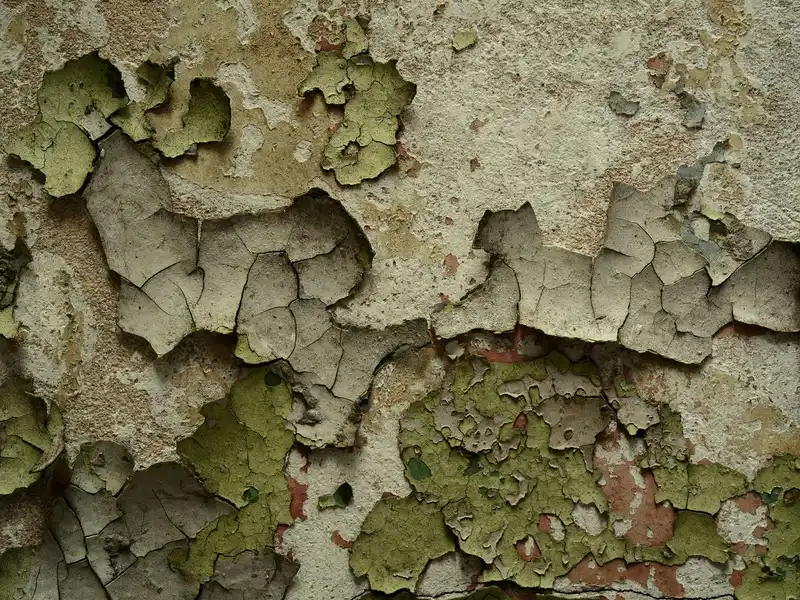
The condition of the old lining
The tank floor bears the full weight of water and highest pressure, leaking first.
What the tank is made of
Cracks appearing after intense summers may continue widening even in cooler seasons.
How we work
-
1
Inspect and locate the leak
We close the float valve and the outlet, mark the water level and watch it fall, then check the fittings and the wall beside it. That separates a tank leak from a pipe leak or a float valve that never shuts.
-
2
Drain, clean and dry
We empty the tank, lift the sediment off the base, wash back to sound concrete and let the surface dry. No repair holds on a damp or dusty face.
-
3
Repair the cracks and the entries
We cut the crack open, fill it with a non-shrink mortar, inject anything still weeping and rebuild around the pipe sleeve. A joint that moves takes a flexible detail, not a rigid one.
-
4
Refill, test, then sterilise
We refill, read the level again to confirm the drop has stopped, then sterilise before the water is used, because the tank has been open with tools and hands inside it.
What tank leak repair includes
-

A marked level test
A reading before and after with everything shut, which establishes that the loss is the tank and not the plumbing.
-

Draining and sediment removal
Water and silt out of the base, so the floor and the walls can be seen as they really are.
-

Pressure wash and dry back
The weak layer and the dust come off, because a repair only holds on sound concrete.
-

Cracks opened and filled
The crack is cut open and filled with a non-shrink mortar, and anything still weeping under water pressure is injected.
-

Refill and a recorded test
We refill, read the level again and write the reading down, so the result is not a matter of opinion.
-

Sterilised and back in service
A wash and a sterilisation once the material has cured, and guidance on running the first fill off before the water is used.
What is different about Al Balad Sub-Municipality
Al Balad sub municipality covers the historic core of Jeddah and the districts that first grew outside its wall. Its building stock is the oldest in the city: heritage stone houses and apartment blocks from past decades, threaded with hotels, shops and crowded popular markets around Bab Makkah, Bab Sharif and the Kandarah Souq. Nearness to the sea, the Islamic Port and the Arbaeen lagoon keeps humidity high all year, water and drainage networks are old, and narrow lanes, dense eateries and commercial storerooms put food and shelter within reach at every corner.
Questions about this district
How do we tell if the leak is in the tank itself or the plumbing?
We close the inlet float valve and outlet, then monitor the level fall. If it drops, the leak is in the tank. If it holds steady, the problem is in the pipes below.
Can old concrete tanks be repaired or must we replace them entirely?
We repair cracks with cement compound or specialist adhesive. If cracks are deep or very numerous, full replacement may be needed.
Does salt air and high moisture speed up tank deterioration?
Yes. Salt and humidity attack the steel reinforcement and weaken concrete, making cracks appear faster.
Is repair work safe if electrical wiring runs near the tank?
Yes, but we avoid electrical zones and dry-patch first. If wiring is very close, temporary power isolation may be needed.
Do tanks in old buildings need different treatment than modern tanks?
Yes. Old tanks sit directly on old roofs with no insulation. We focus on connection points and thermal expansion stress in these cases.
After repair, should we apply lining to the tank?
Lining comes after repair, cleaning and drying. Lining never replaces repair, only protects the repair from future damage.
How much does tank leak repair in Al Sahifah cost?
It is set after the inspection, because the price follows the type of infestation, the size of the space, how far it has spread and the number of visits it needs. Send a photo and a description on WhatsApp and we will give you an estimate before we reach Al Sahifah.
Nearby districts we cover
Other services in Al Sahifah
Other services we provide to residents of Al Sahifah.
-
 Water tanks
Water tank cleaning
-
 Water tanks
Water tank sterilization
-
 Water tanks
Water tank sealing
-
 Residential
Cockroach control
Need tank leak repair in Al Sahifah? Tell us what you saw and we will tell you what it needs
We reach Al Sahifah at a time we agree, and you get the full cost before we start.