
Termite control in Al Maabdah Makkah
Al Maabdah sits in Wadi Ibrahim on the Al Abtah side, a short drive north east of the Grand Mosque. It is an old district, its historic lanes and palaces like Al Saqqaf Palace converted now into hotels and apartment blocks on Al Maabdah Street. Termites here attack deep stone footings and timber set into walls, and the closely built hotels and flats provide multiple routes for spread from one building to the next.
-
Targeted, not broadcast
Product goes into cracks and runways, never sprayed across open surfaces.
-
Told before we start
What we will use, where it goes, and what to cover or move before we arrive.
-
A follow-up visit
We return after the first treatment, because what survives it does not show on the day.
-
Homes and businesses
Apartments and villas, and kitchens and stores that need a record of each visit.
Why they keep coming back in Al Maabdah
Hotels in Al Maabdah commonly carry infestations in basement footings, and the problem often spreads through shared passages and adjoining structures. The method is set out in full on the full Termite control page.
Deep stone footings provide colony shelter
Historic houses have stone footings extending a metre and a half or more, and old natural cracks provide complete passage networks. The stone itself is not eaten but the gaps form a complete termite highway.
Closely built hotels increase cross building spread
Hotels and apartment blocks here touch each other, and their base structures are shared. Treating one hotel may not stop infestation in the neighbouring hotel, especially if they share a structural frame.
Wadi flow brings moisture after rain and flash floods
Wadi Ibrahim carries water after rain, and moisture reaches the footings through the soil. Rainy seasons may greatly increase colony activity.
Al Maabdah on the map
Al Maabdah sits about 1 km from Al Rawdah and about 1.5 km from Al Jumayzah.
Open in Google MapsThe evidence that decides the treatment
The wadi location means moisture from the valley bed and water flow after rain, and old buildings have deep stone footings with natural fissures.
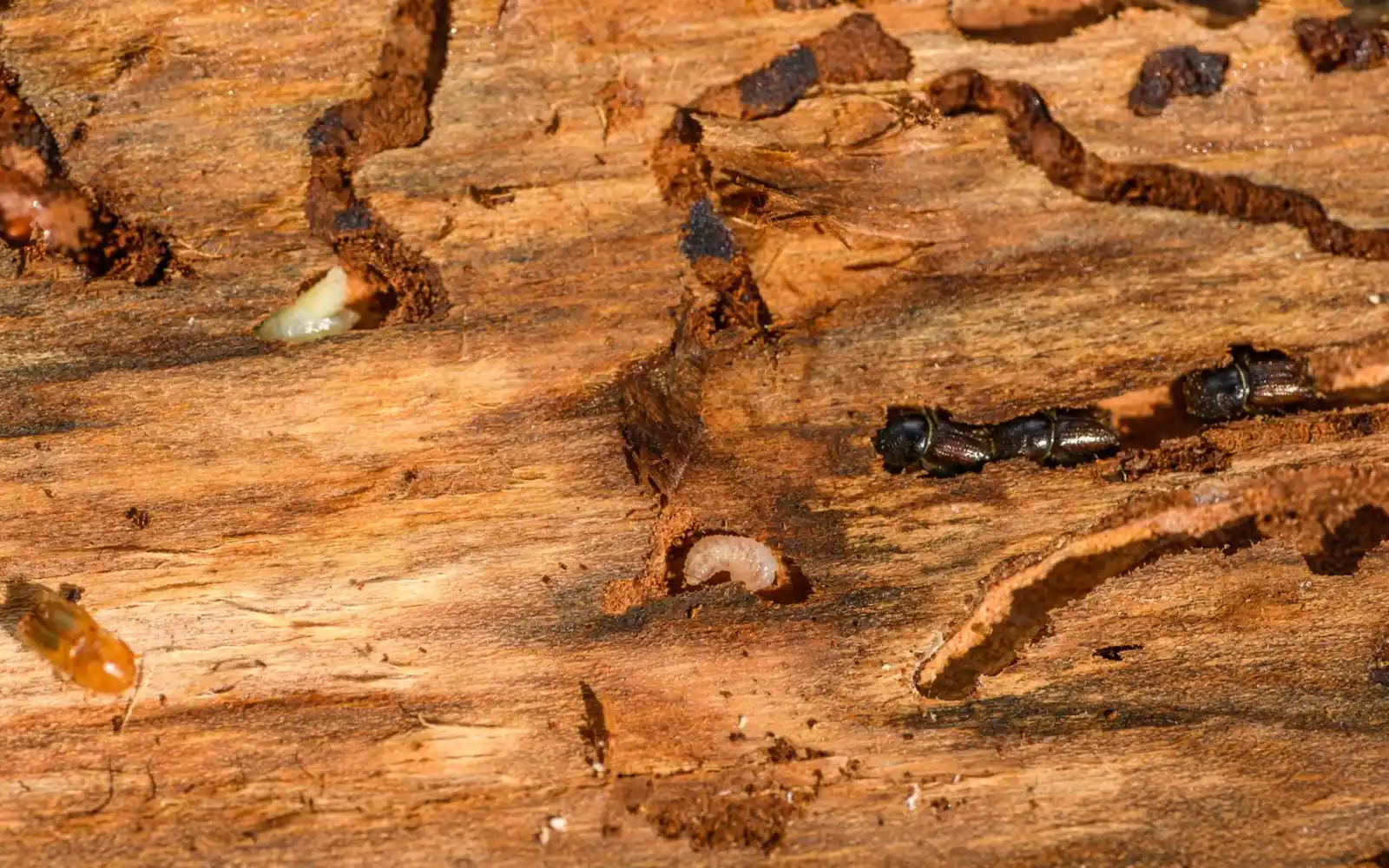
Mud tubes
Mud tubes may extend deep in stone cracks and may not surface, or may appear in unexpected places.
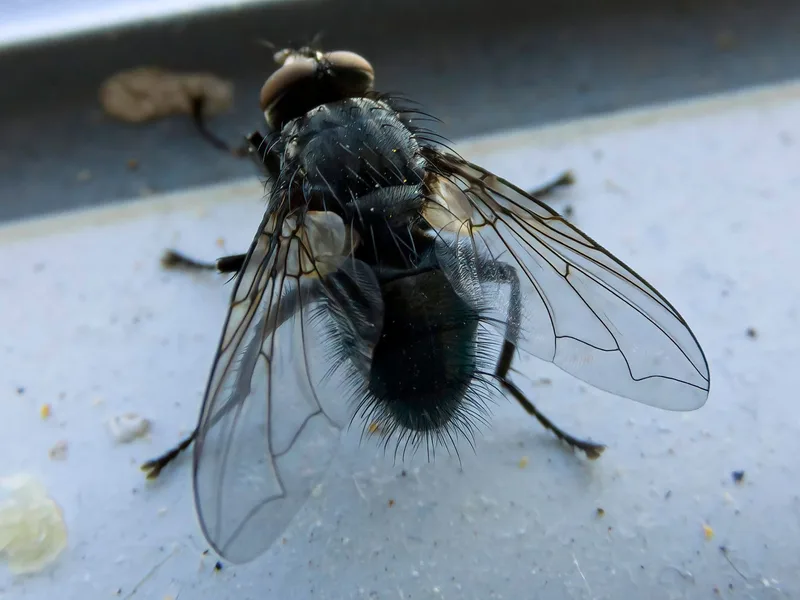
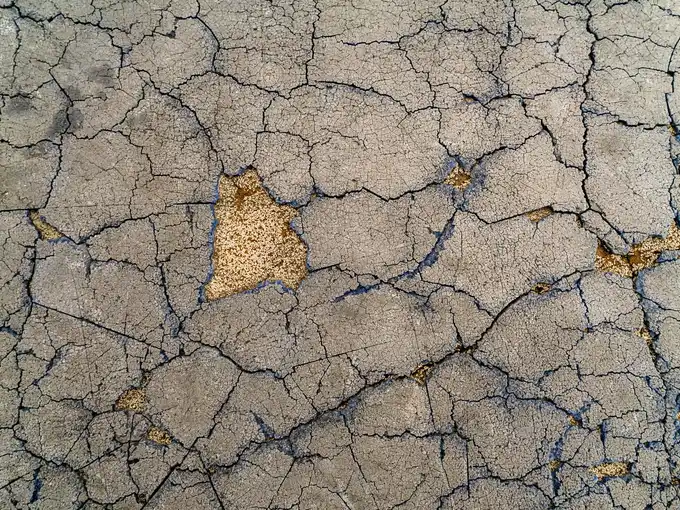
Shed wings
Flying termites are rare in stone buildings because internal cavities provide complete shelter.
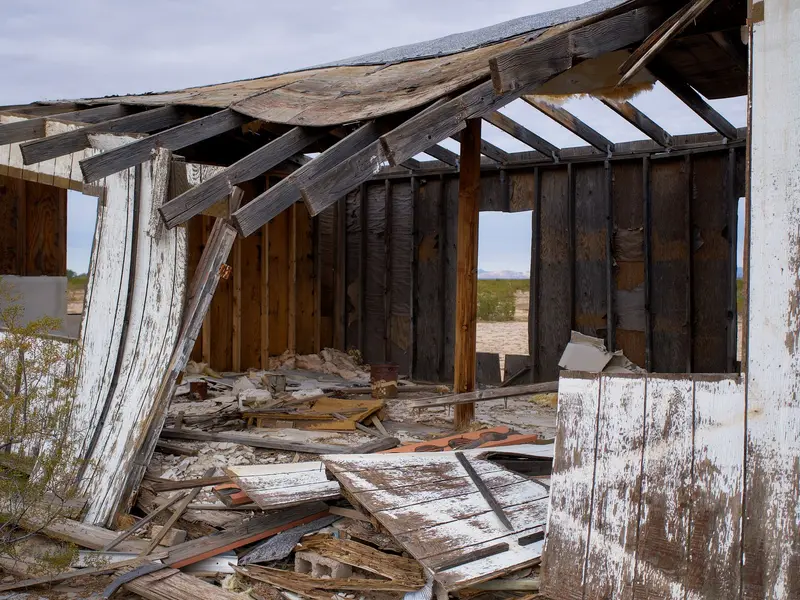
Hollow timber
Hollow timber is in stone walls, wooden doors and floors, and damage may be deep before it is found.
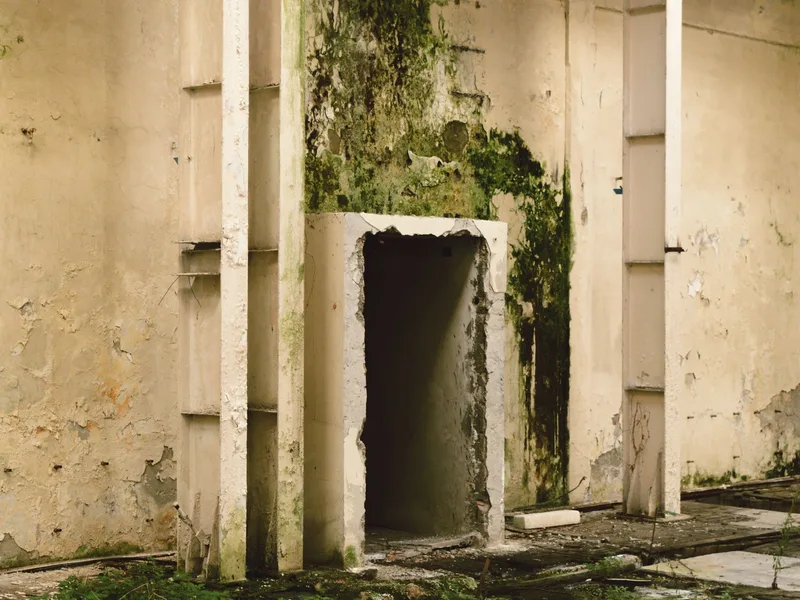
The water source
Water sources are multiple: from Wadi Ibrahim, rainwater, leaks from hotel pipes and the hospital.

Cellulose on the floor
Cellulose on the floor in timber floors and partitions faces direct attack from wadi moisture.
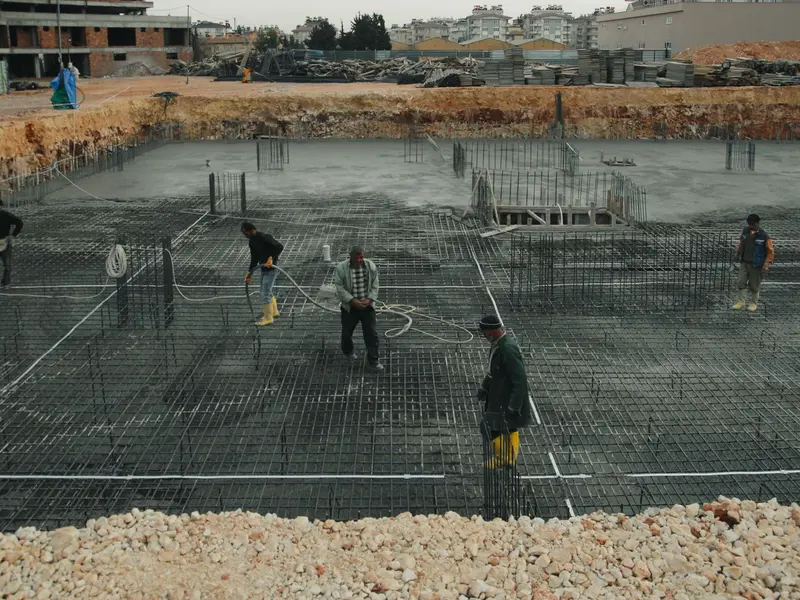
Joints and pipe entries
Joints and pipe entries are numerous in hotels and apartment blocks, and each point may provide termite access.
How we work
-
1
Inspect and trace
We sound the timber and the skirting, take moisture readings, and follow the tubes to the point where they leave the soil. We also settle the species, because one that lives inside dry wood is not treated like one that lives in the ground.
-
2
Treat the soil around the building
A narrow trench at the footing and injection at regular spacing, so the treated band runs continuous with no gap to walk around.
-
3
Drill the joints, inject the timber
Small holes at spacing along the slab joints, the wall bases and the pipe entries, direct injection into the galleries inside the affected timber, then the holes are closed and made good.
-
4
Bait stations and monitoring
Stations in the soil carrying a slow-acting material the workers pass through the colony by mouth-to-mouth feeding, and we come back to read them, because an empty tube on a wall proves nothing on its own.
What termite control includes
-

A traced, recorded inspection
Sounding, moisture readings, tubes traced back to the soil, and the species settled before anything is applied.
-

A treated band at the perimeter
Trenching and injection at the footing, spaced so the band is continuous rather than a set of patches.
-

Joints and service penetrations
Slab joints, pipe entries and floor drains, which are the ways up through the concrete.
-

Bait stations in the soil
A slow material carried back through the colony by feeding exchange, rather than stopping the workers at the wall.
-

Aftercare instructions
What not to dig or water near the treated band, what to keep off the walls, and the ventilation time we set for your case.
-

Scheduled monitoring visits
Reading the stations, sounding the same timber again, and treating any new activity.
Landmarks of Al Maabdah
Work in Al Maabdah is organised through Al Maabdah Street and Al Masjid Al Haram Road, with stations placed around the hotels and apartments near King Faisal Hospital and Al Saqqaf Palace.
- Al Maabdah Street
- Al Masjid Al Haram Road
- Holy Capital Municipality
- King Faisal Hospital
- Al Saqqaf Palace
Questions about this district
Do historic buildings here need different treatment than modern hotels?
Yes, deep stone footings and old timber need precise targeted treatment. Modern hotels may have their termites in shallower concrete footings.
Are hotels close to the mosque and courtyards more likely to be infested?
No major difference, but soil around the mosque stays damp from ablution water and regular cleaning.
Can we treat a hotel without shutting it down or only during partial closures?
Treatment can occur during off hours or at night without full closure if the infestation is limited.
Can wadi water after rain carry live termite colonies from one place to another?
Running water may carry timber and materials but not live colonies. Moisture is the real danger.
Is Al Saqqaf Palace and the other historic buildings also infested with termites?
Historic buildings likely carry infestation but are difficult to inspect and difficult to treat without heritage damage.
Does treating one apartment building protect it from adjacent infested hotels?
No, we may only move the colony. Each building may need separate treatment if the foundation structure is truly independent.
How much does termite control in Al Maabdah cost?
It is set after the inspection, because the price follows the type of infestation, the size of the space, how far it has spread and the number of visits it needs. Send a photo and a description on WhatsApp and we will give you an estimate before we reach Al Maabdah.
Nearby districts we cover
Other services in Al Maabdah
Other services we provide to residents of Al Maabdah.
-
 Residential
Cockroach control
Residential
Cockroach control
-
 Residential
Bed bug control
Residential
Bed bug control
-
 Residential
Rodents and mice
Residential
Rodents and mice
-
 Residential
Mosquito control
Residential
Mosquito control
-
 Residential
Fly control
Residential
Fly control
-
 Residential
Ant control
Residential
Ant control
-
 Residential
Gecko control
Residential
Gecko control
-
 Residential
Scorpion control
Residential
Scorpion control
-
 Residential
Snake control
Residential
Snake control
-
 Residential
Flea control
Residential
Flea control
-
 Residential
Bird and pigeon control
Residential
Bird and pigeon control
-
 Residential
Preventive treatment
Residential
Preventive treatment
-
 Residential
Disinfection
Residential
Disinfection
-
 Commercial
Annual contracts
Commercial
Annual contracts
-
 Commercial
Restaurants and cafes
Commercial
Restaurants and cafes
-
 Commercial
Hotels and apartments
Commercial
Hotels and apartments
-
 Commercial
Warehouses and factories
Commercial
Warehouses and factories
-
 Commercial
Schools and nurseries
Commercial
Schools and nurseries
-
 Commercial
Retail and malls
Commercial
Retail and malls
-
 Commercial
Rest houses and farms
Commercial
Rest houses and farms
-
 Commercial
Fumigation
Commercial
Fumigation
-
 Water tanks
Water tank cleaning
Water tanks
Water tank cleaning
-
 Water tanks
Water tank sterilization
Water tanks
Water tank sterilization
-
 Water tanks
Water tank sealing
Water tanks
Water tank sealing
-
 Water tanks
Tank leak repair
Water tanks
Tank leak repair
Need termite control in Al Maabdah? Tell us what you saw and we will tell you what it needs
We reach Al Maabdah at a time we agree, and you get the full cost before we start.