
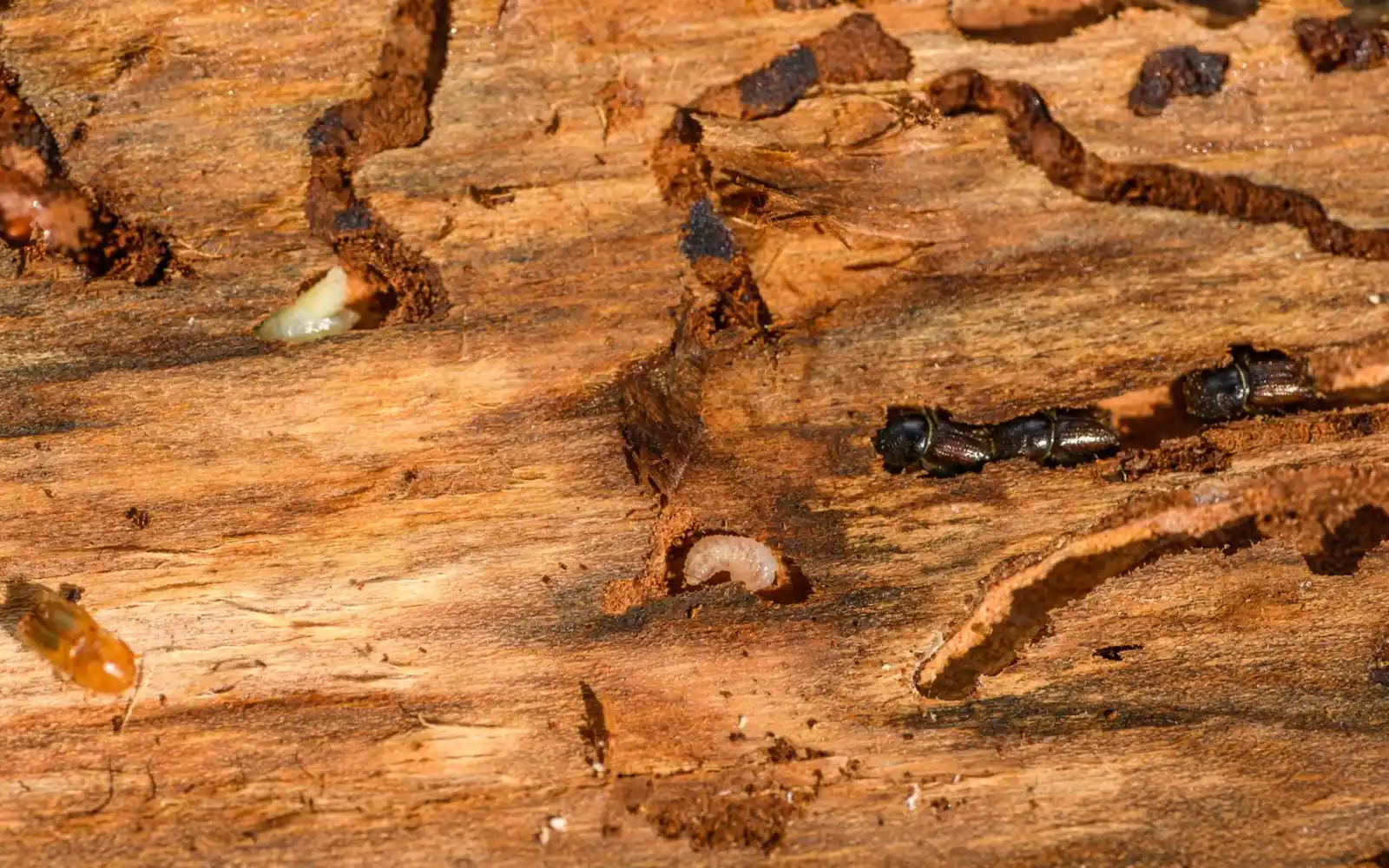
Termite control in Al Nahdah Jeddah
Al Nahdah runs between King Abdulaziz Road and Prince Sultan Road along Hira Street in northern Jeddah, a short distance from the sea. Inner blocks hold residential villas and apartment buildings, whilst the main streets carry intense trade in shops, restaurants, cafes and hotels.
-
Targeted, not broadcast
Product goes into cracks and runways, never sprayed across open surfaces.
-
Told before we start
What we will use, where it goes, and what to cover or move before we arrive.
-
A follow-up visit
We return after the first treatment, because what survives it does not show on the day.
-
Homes and businesses
Apartments and villas, and kitchens and stores that need a record of each visit.
Why they keep coming back in Al Nahdah
Al Nahdah is a mixed residential and commercial neighbourhood, and uniform high sea humidity penetrates every house and shop equally regardless of build year or quality. The method is set out in full on our Termite control service.
High sea humidity and salt laden winds
Al Nahdah stands very close to the sea, and sea humidity never drops year round. Salt laden sea breezes dampen walls and timber from outside, keeping timber perpetually wet. This is ideal termite habitat and supports rapid timber decay.
Irrigated gardens and green spaces round the corniche
Villas and the corniche area are surrounded by gardens and green spaces watered heavily to maintain greenery. Excess watering water seeps into soil round footings, raising moisture perpetually. Termites find in this damp and plant rich environment a permanent food and water source.
Restaurants, cafes, markets and daily food waste
The main spines along Hira Street are thick with restaurants, cafes and markets generating large volumes of food waste daily. This exposed food draws cockroaches, ants and flies, which may migrate from these commercial spaces into neighbouring residential villas and flats.
Landmarks of Al Nahdah
Al Nahdah sits along Hira Street, famous locally for its mix of trades and eateries, between King Abdulaziz Road and Prince Sultan Road very close to the waterfront. Hira Plaza and Al Nahdah Park are well known locally, and the area is marked by Umar ibn Al Khattab Mosque and the dense concentration of restaurants and cafes on all its main arteries.
- Hira Street
- King Abdulaziz Road
- Prince Sultan Road
- Hira Plaza
- Al Nahdah Park
- Umar ibn Al Khattab Mosque
The evidence that decides the treatment
Very close to the Red Sea shore, high sea humidity year round and salt laden winds, irrigated green spaces spread through villas and round the corniche, and dense commercial spines carrying restaurants, cafes, markets and hospitality uses line all main roads.
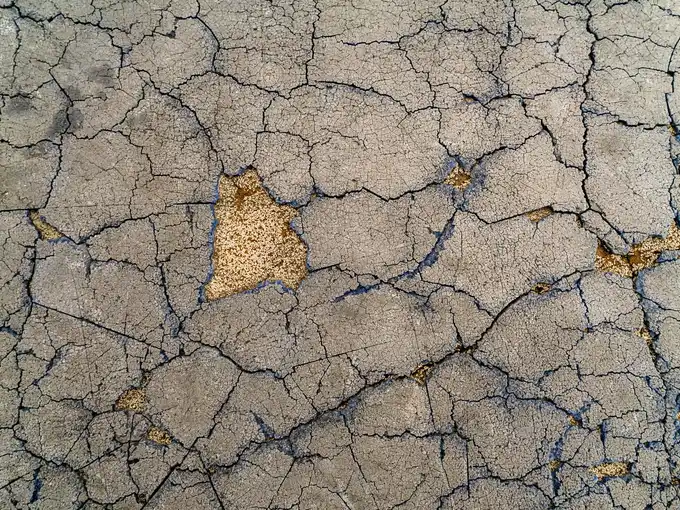
Mud tubes
Mud tubes in Al Nahdah are often visible on exterior walls and footings because sea humidity is uniform and very high.
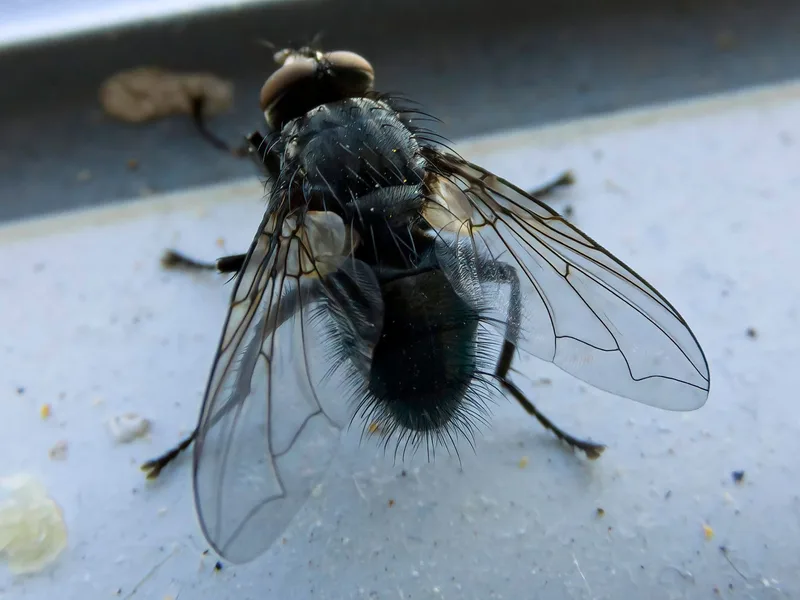
Shed wings
Shed wings appear regularly round joints and cracks in footings and exterior walls exposed directly to sea and wind.
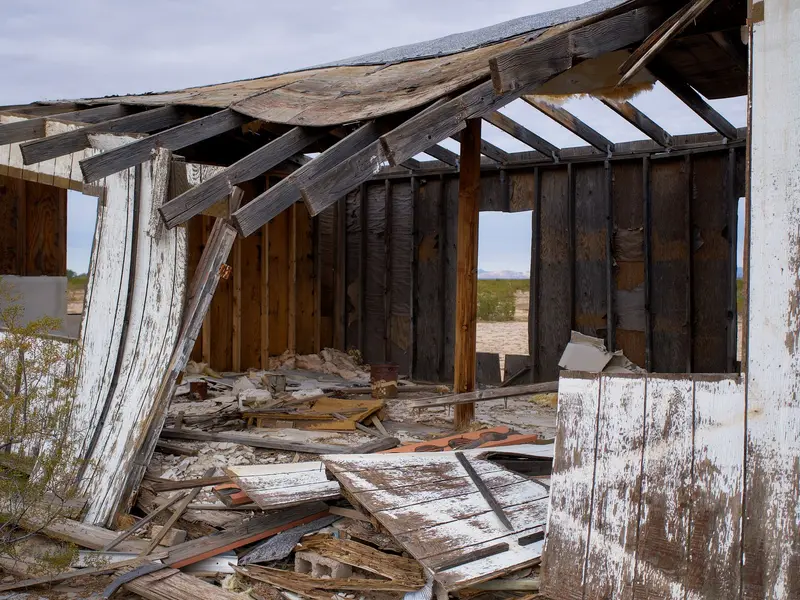
Hollow timber
Hollow timber spreads very rapidly in Al Nahdah from floors to interior walls throughout because sea humidity is relentless.
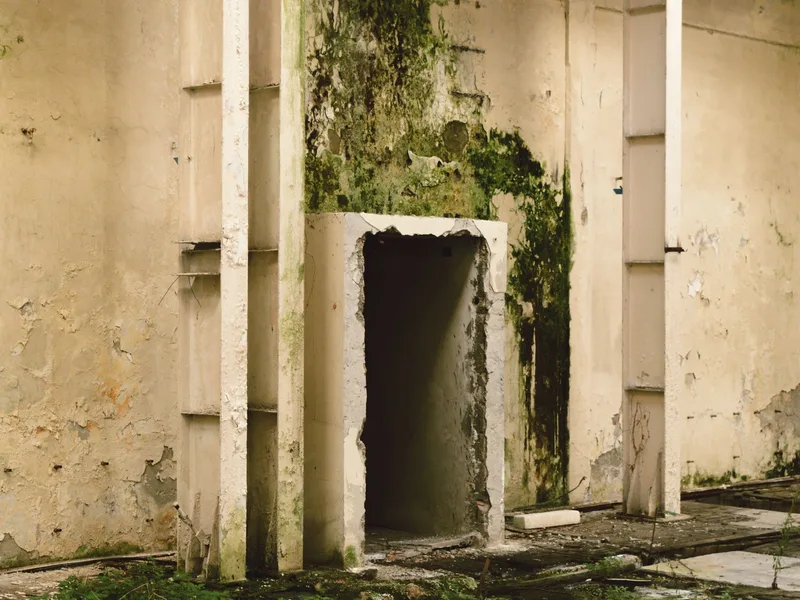
The water source
The moisture source in Al Nahdah combines natural high sea humidity and heavy garden watering and green space irrigation round the corniche.

Cellulose on the floor
Cellulose on the floor sits in footings and timber floors and columns, all directly exposed to perpetual sea humidity.
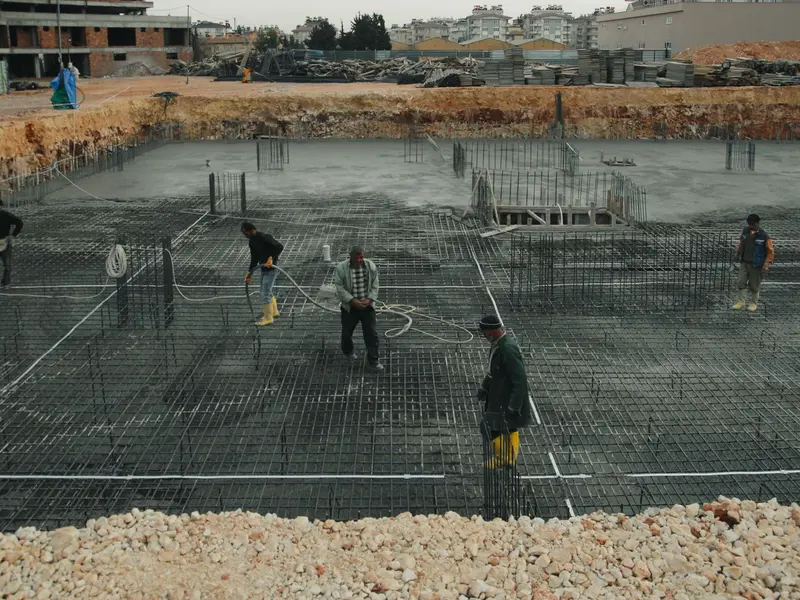
Joints and pipe entries
Joints and pipe entries in Al Nahdah offer easy termite and crawling insect routes from commercial spaces into residential areas because humidity weakens seals quickly.
How we work
-
1
Inspect and trace
We sound the timber and the skirting, take moisture readings, and follow the tubes to the point where they leave the soil. We also settle the species, because one that lives inside dry wood is not treated like one that lives in the ground.
-
2
Treat the soil around the building
A narrow trench at the footing and injection at regular spacing, so the treated band runs continuous with no gap to walk around.
-
3
Drill the joints, inject the timber
Small holes at spacing along the slab joints, the wall bases and the pipe entries, direct injection into the galleries inside the affected timber, then the holes are closed and made good.
-
4
Bait stations and monitoring
Stations in the soil carrying a slow-acting material the workers pass through the colony by mouth-to-mouth feeding, and we come back to read them, because an empty tube on a wall proves nothing on its own.
What termite control includes
-

A traced, recorded inspection
Sounding, moisture readings, tubes traced back to the soil, and the species settled before anything is applied.
-

A treated band at the perimeter
Trenching and injection at the footing, spaced so the band is continuous rather than a set of patches.
-

Joints and service penetrations
Slab joints, pipe entries and floor drains, which are the ways up through the concrete.
-

Bait stations in the soil
A slow material carried back through the colony by feeding exchange, rather than stopping the workers at the wall.
-

Aftercare instructions
What not to dig or water near the treated band, what to keep off the walls, and the ventilation time we set for your case.
-

Scheduled monitoring visits
Reading the stations, sounding the same timber again, and treating any new activity.
What is different about Obhur Sub-Municipality
Obhur sub-municipality runs along Jeddah's northern shoreline from Al Shati up to Obhur Creek. It mixes large villas and gated compounds with busy commercial spines of restaurants, cafes, markets and hotels. Sea humidity is high for most of the year and salt laden breezes keep timber and render damp, while irrigated gardens and lawns surround the corniche and the villa plots. Standing irrigation water, dense planting and food waste from the hospitality strip suit cockroaches, mosquitoes and ants, and the chalets and rest houses scattered along the creek stand empty for long spells, which lets insects and rodents settle undisturbed.
Questions about this district
Does the high sea humidity in Al Nahdah make termite treatment harder?
Yes, very high sea humidity creates ideal termite conditions year round. After treatment, humidity may speed reinfestation if moisture sources are not fixed.
Are villas on the corniche itself more at risk than those on inner streets?
Yes clearly. Corniche villas are exposed directly to sea humidity and salt, and winds carry moisture straight into walls and timber.
Do food sources from restaurants and cafes on Hira Street attract termites?
Yes greatly. Restaurants and cafes provide permanent food sources, and termites migrate from these commercial spaces into neighbouring residential villas and flats.
Should commercial shops and residential villas be treated the same way?
Treatment differs by use. Commercial spaces need special attention to food sources, residential areas to pipe networks and gardens.
How often will I need new treatment in this coastal environment?
After initial treatment, annual monitoring is important. Very high sea humidity may mean retreatment every year or two.
Are the chalets and rest houses closed for long periods along the creek a problem?
Yes absolutely. Chalets left vacant for long periods offer safe haven for termites and insects. Regular monitoring of these buildings is important.
How much does termite control in Al Nahdah cost?
It is set after the inspection, because the price follows the type of infestation, the size of the space, how far it has spread and the number of visits it needs. Send a photo and a description on WhatsApp and we will give you an estimate before we reach Al Nahdah.
Nearby districts we cover
Other services in Al Nahdah
Other services we provide to residents of Al Nahdah.
-
 Residential
Cockroach control
Residential
Cockroach control
-
 Residential
Bed bug control
Residential
Bed bug control
-
 Residential
Rodents and mice
Residential
Rodents and mice
-
 Residential
Mosquito control
Residential
Mosquito control
-
 Residential
Fly control
Residential
Fly control
-
 Residential
Ant control
Residential
Ant control
-
 Residential
Gecko control
Residential
Gecko control
-
 Residential
Scorpion control
Residential
Scorpion control
-
 Residential
Snake control
Residential
Snake control
-
 Residential
Flea control
Residential
Flea control
-
 Residential
Bird and pigeon control
Residential
Bird and pigeon control
-
 Residential
Preventive treatment
Residential
Preventive treatment
-
 Residential
Disinfection
Residential
Disinfection
-
 Commercial
Annual contracts
Commercial
Annual contracts
-
 Commercial
Restaurants and cafes
Commercial
Restaurants and cafes
-
 Commercial
Hotels and apartments
Commercial
Hotels and apartments
-
 Commercial
Warehouses and factories
Commercial
Warehouses and factories
-
 Commercial
Schools and nurseries
Commercial
Schools and nurseries
-
 Commercial
Retail and malls
Commercial
Retail and malls
-
 Commercial
Rest houses and farms
Commercial
Rest houses and farms
-
 Commercial
Fumigation
Commercial
Fumigation
-
 Water tanks
Water tank cleaning
Water tanks
Water tank cleaning
-
 Water tanks
Water tank sterilization
Water tanks
Water tank sterilization
-
 Water tanks
Water tank sealing
Water tanks
Water tank sealing
-
 Water tanks
Tank leak repair
Water tanks
Tank leak repair
Need termite control in Al Nahdah? Tell us what you saw and we will tell you what it needs
We reach Al Nahdah at a time we agree, and you get the full cost before we start.