
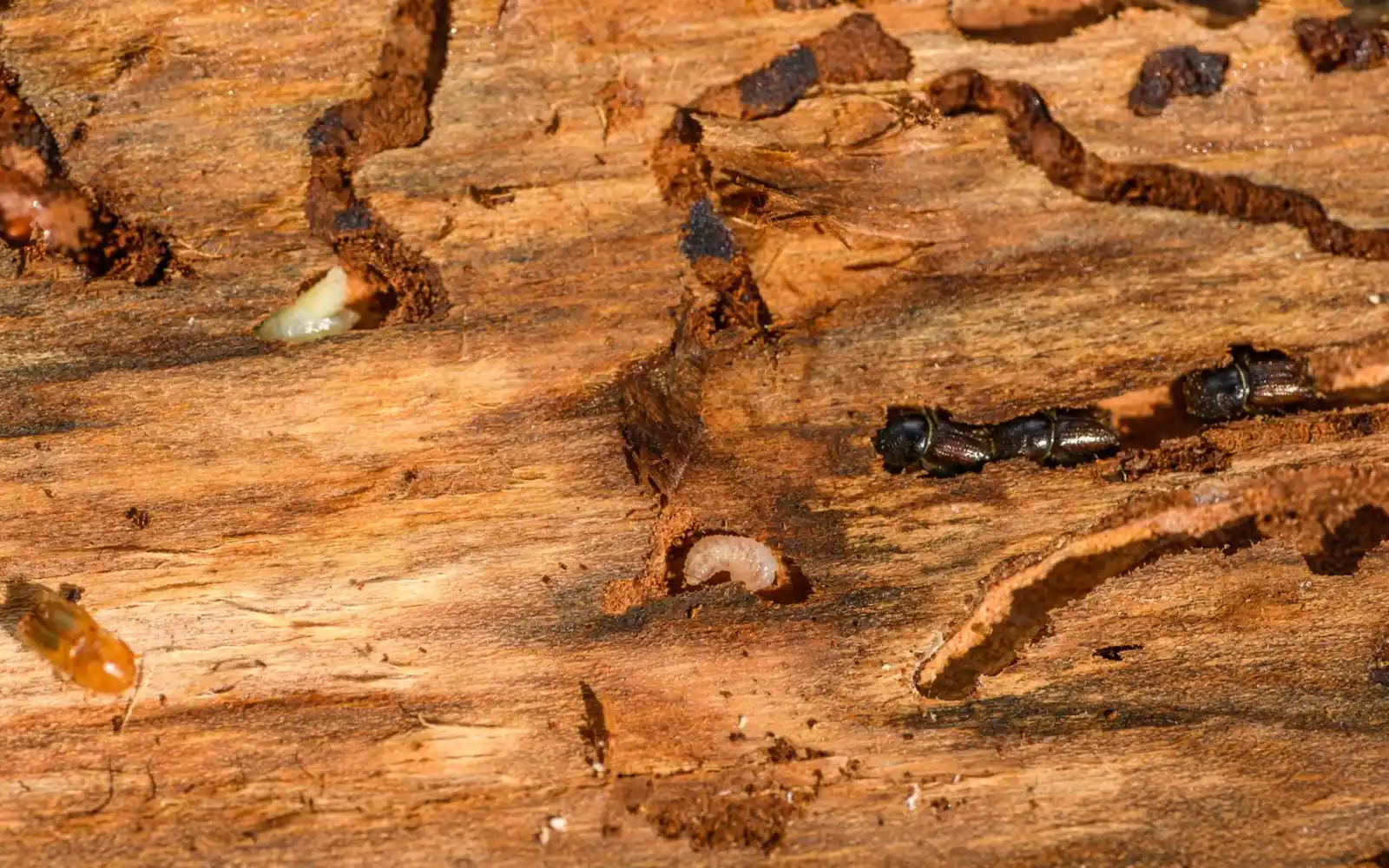
Termite control in Al Qashashiyah Al Jadid Makkah
Al Qashashiyah Al Jadid comprises crown prince schemes seven and eight in south Makkah, the southernmost developments, down by Kasab hills and Wadi Malakan. New residential buildings are under active construction, with a central market and medical complex, and municipal plots offered for future facilities. Intensive construction and excavation disturb the soil and awaken any ancient colonies within it, making the quarter vulnerable to infestation while building is ongoing.
-
Targeted, not broadcast
Product goes into cracks and runways, never sprayed across open surfaces.
-
Told before we start
What we will use, where it goes, and what to cover or move before we arrive.
-
A follow-up visit
We return after the first treatment, because what survives it does not show on the day.
-
Homes and businesses
Apartments and villas, and kitchens and stores that need a record of each visit.
Why they keep coming back in Al Qashashiyah Al Jadid
Intensive ongoing construction and repeated excavation create multiple pathways for termites to enter from the exposed soil into the new footings before permanent protective barriers are complete. The method is set out in full on what Termite control involves.
Intensive construction and exposed ground
Large scale construction exposes massive quantities of soil and causes constant vibration and movement. This activity awakens dormant termite colonies in the soil. New buildings surrounded by construction sites are at risk because the disturbed soil provides a direct highway from ancient colonies.
Excavated land and incomplete gaps in new footings
Excavation leaves loose soil and new footings with gaps that have not yet been sealed. These gaps provide easy entry for termites from the exposed neighbouring soil. Pre-treatment before construction finishes is far easier than treating after the buildings are fully occupied.
Hills and wadi with complex water drainage
Kasab hills and Wadi Malakan provide complex water drainage. Seasonal floods and soil around the hills may harbour ancient colonies. The hilly terrain makes treating the quarter more complicated than treating flat orderly suburbs.
Al Qashashiyah Al Jadid on the map
Al Qashashiyah Al Jadid sits about 6.5 km from Al Misyal Al Jadid and about 9 km from Al Hajlah Al Jadid.
Open in Google MapsThe evidence that decides the treatment
A newly built government development scheme in south Makkah, new residential buildings under active construction, crossed by the Fifth Ring Road and the southern extension of Ibrahim Al Khalil Road, beside Kasab hills and Wadi Malakan.
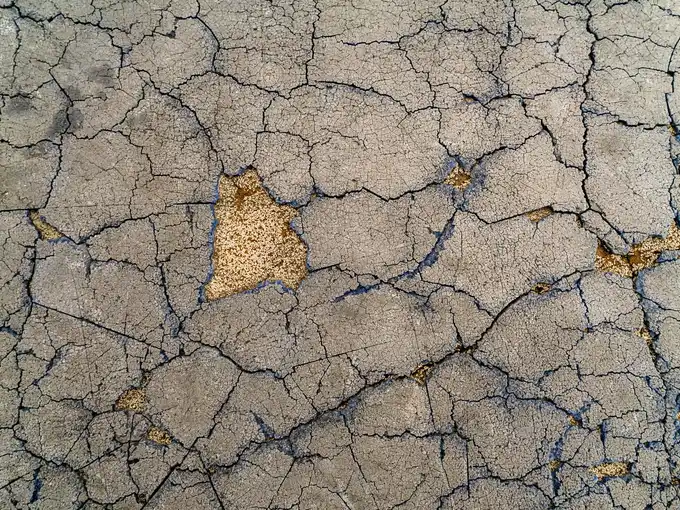
Mud tubes
Mud tubes begin in the exposed soil at intensive construction sites and travel rapidly toward the new and incomplete footings.
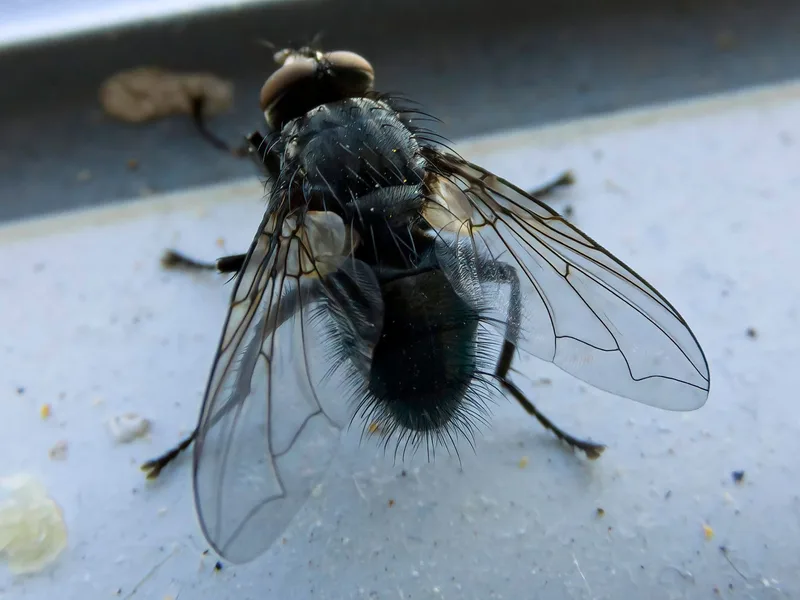
Shed wings
Shed wings may appear early in new buildings because ancient colonies in the soil were awakened by construction activity.
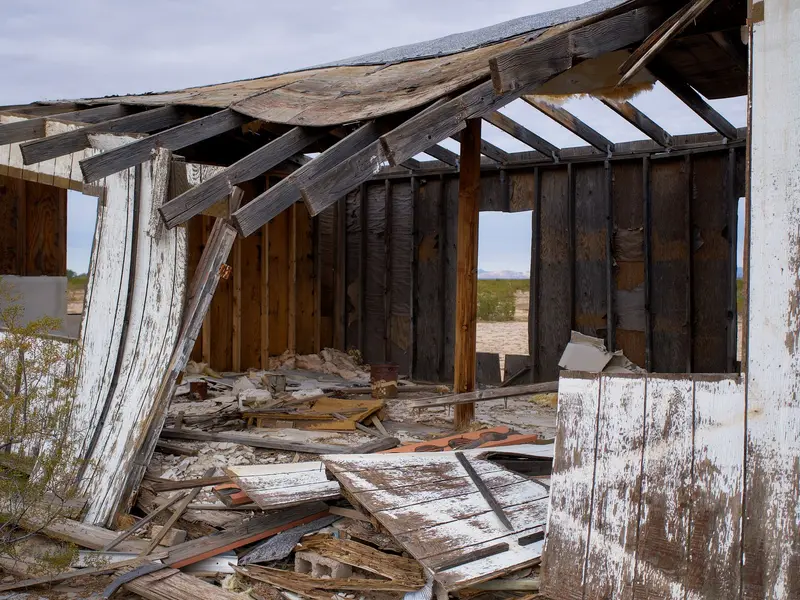
Hollow timber
Hollow timber appears quickly in new floors and joists because the exposed soil provides easy entry for the infestation.
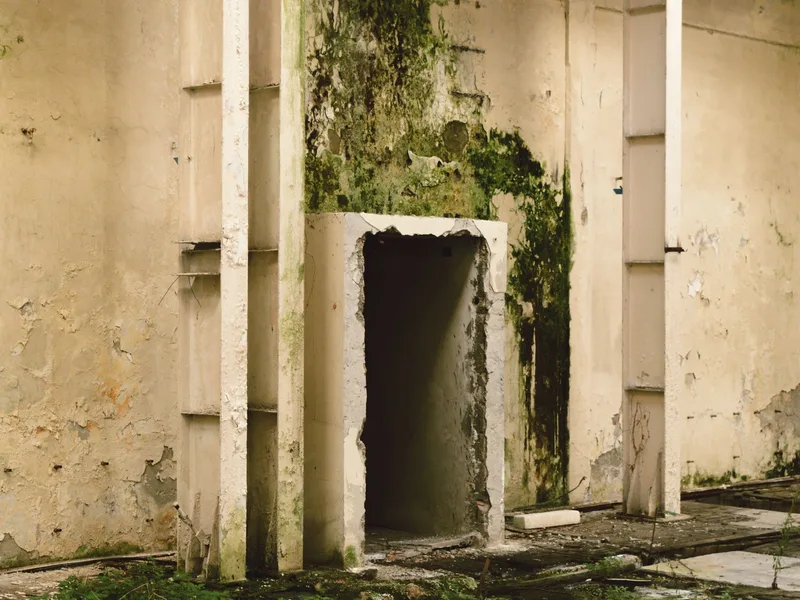
The water source
The moisture source is the exposed and loosened soil at construction sites, and may include extra moisture from seasonal floods from the hills and wadi.

Cellulose on the floor
Exposed and excavated soil around new footings provides a direct pathway for old colonies in the deep soil to reach fresh timber.
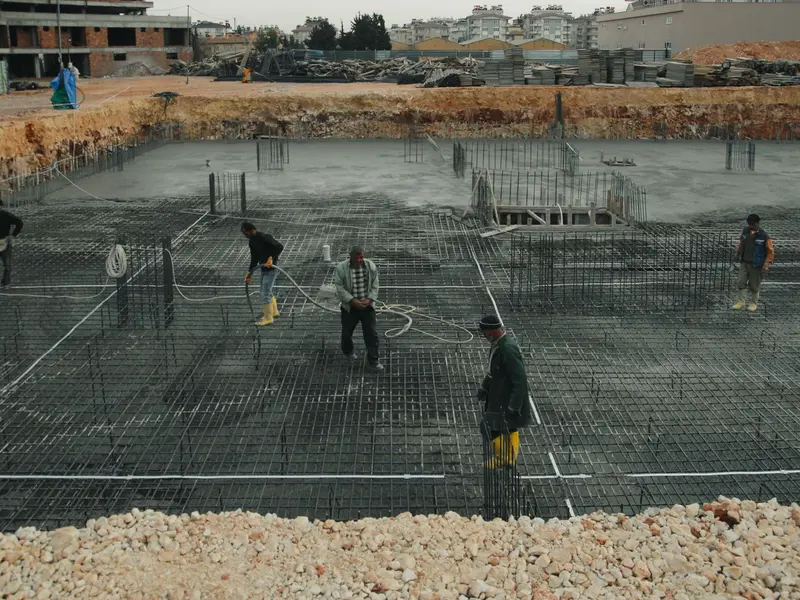
Joints and pipe entries
Unsealed gaps and voids in new footings before completion provide easy entry for termites from the exposed soil around construction sites.
How we work
-
1
Inspect and trace
We sound the timber and the skirting, take moisture readings, and follow the tubes to the point where they leave the soil. We also settle the species, because one that lives inside dry wood is not treated like one that lives in the ground.
-
2
Treat the soil around the building
A narrow trench at the footing and injection at regular spacing, so the treated band runs continuous with no gap to walk around.
-
3
Drill the joints, inject the timber
Small holes at spacing along the slab joints, the wall bases and the pipe entries, direct injection into the galleries inside the affected timber, then the holes are closed and made good.
-
4
Bait stations and monitoring
Stations in the soil carrying a slow-acting material the workers pass through the colony by mouth-to-mouth feeding, and we come back to read them, because an empty tube on a wall proves nothing on its own.
What termite control includes
-

A traced, recorded inspection
Sounding, moisture readings, tubes traced back to the soil, and the species settled before anything is applied.
-

A treated band at the perimeter
Trenching and injection at the footing, spaced so the band is continuous rather than a set of patches.
-

Joints and service penetrations
Slab joints, pipe entries and floor drains, which are the ways up through the concrete.
-

Bait stations in the soil
A slow material carried back through the colony by feeding exchange, rather than stopping the workers at the wall.
-

Aftercare instructions
What not to dig or water near the treated band, what to keep off the walls, and the ventilation time we set for your case.
-

Scheduled monitoring visits
Reading the stations, sounding the same timber again, and treating any new activity.
The character of Al Qashashiyah Al Jadid
New development: ongoing construction and vacant plots between the homes
A newly developing scheme with ongoing construction means permanent protection is incomplete and pests have multiple entry paths. Pre-treatment and intensive monitoring during construction are essential, and coordination between contractor and owners is vital for treatment success.
Questions about this district
Should the scheme be treated before construction is completely finished?
Yes, preventive treatment before construction ends is far better. Treating footings and exposed soil now is easier than after years pass. Once construction finishes and occupation begins, access to the soil becomes very difficult.
Do new foundation excavations awaken dormant old termite colonies?
Yes, excavation exposes and disturbs colonies sleeping in deep soil. This disturbance wakes the pests and makes them search for new food, which they find in the new buildings beside them. Buildings next to active construction are very exposed.
Are Kasab hills and Wadi Malakan the source of termite colonies?
The hills and wadi may harbour natural colonies in the soil. When construction and excavation begin these colonies come closer to the surface and to the new buildings. Treating the soil around buildings protects against spread from the hills and wadi.
Why might a new scheme be easier to treat than an older established one?
The new scheme still has construction ongoing, so access to soil and building sites is available. Treatment now can be built into the foundation plan. Once construction ends and occupation is complete, access becomes limited and the work is much harder.
Should each building be treated separately or the whole scheme together?
The new scheme shares some footings and soil between buildings. Treating the entire scheme in an organised way is better than treating each building separately. This provides integrated protection for the whole scheme.
How often must the new scheme be inspected in year one?
The new scheme needs repeated inspection in year one and year two. Bait stations are placed before construction ends and checked every three months. This confirms that old colonies did not awaken and become active.
How much does termite control in Al Qashashiyah Al Jadid cost?
It is set after the inspection, because the price follows the type of infestation, the size of the space, how far it has spread and the number of visits it needs. Send a photo and a description on WhatsApp and we will give you an estimate before we reach Al Qashashiyah Al Jadid.
Nearby districts we cover
Other services in Al Qashashiyah Al Jadid
Other services we provide to residents of Al Qashashiyah Al Jadid.
-
 Residential
Cockroach control
Residential
Cockroach control
-
 Residential
Bed bug control
Residential
Bed bug control
-
 Residential
Rodents and mice
Residential
Rodents and mice
-
 Residential
Mosquito control
Residential
Mosquito control
-
 Residential
Fly control
Residential
Fly control
-
 Residential
Ant control
Residential
Ant control
-
 Residential
Gecko control
Residential
Gecko control
-
 Residential
Scorpion control
Residential
Scorpion control
-
 Residential
Snake control
Residential
Snake control
-
 Residential
Flea control
Residential
Flea control
-
 Residential
Bird and pigeon control
Residential
Bird and pigeon control
-
 Residential
Preventive treatment
Residential
Preventive treatment
-
 Residential
Disinfection
Residential
Disinfection
-
 Commercial
Annual contracts
Commercial
Annual contracts
-
 Commercial
Restaurants and cafes
Commercial
Restaurants and cafes
-
 Commercial
Hotels and apartments
Commercial
Hotels and apartments
-
 Commercial
Warehouses and factories
Commercial
Warehouses and factories
-
 Commercial
Schools and nurseries
Commercial
Schools and nurseries
-
 Commercial
Retail and malls
Commercial
Retail and malls
-
 Commercial
Rest houses and farms
Commercial
Rest houses and farms
-
 Commercial
Fumigation
Commercial
Fumigation
-
 Water tanks
Water tank cleaning
Water tanks
Water tank cleaning
-
 Water tanks
Water tank sterilization
Water tanks
Water tank sterilization
-
 Water tanks
Water tank sealing
Water tanks
Water tank sealing
-
 Water tanks
Tank leak repair
Water tanks
Tank leak repair
Need termite control in Al Qashashiyah Al Jadid? Tell us what you saw and we will tell you what it needs
We reach Al Qashashiyah Al Jadid at a time we agree, and you get the full cost before we start.