
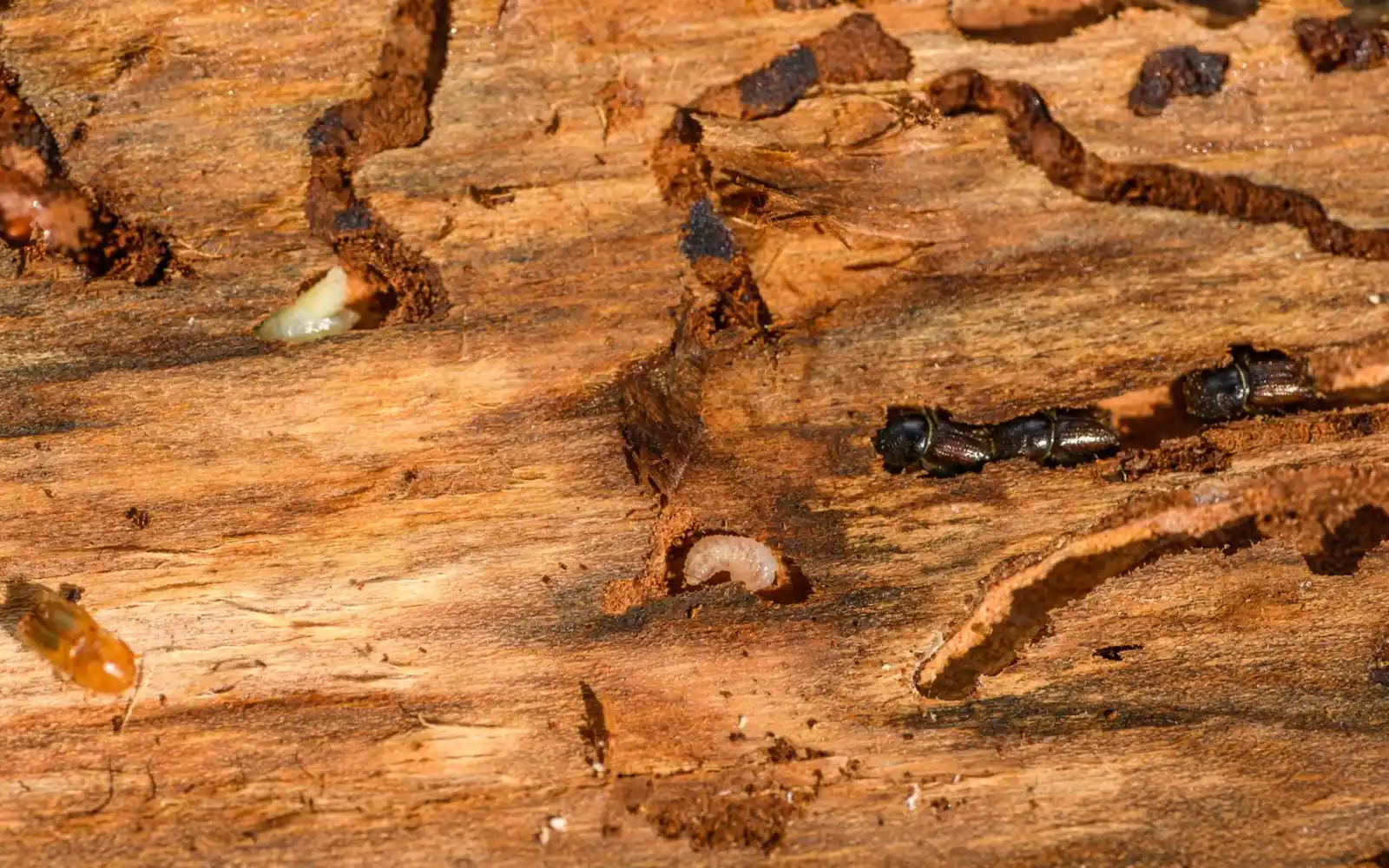
Termite control in Al Rehab Jeddah
Al Rehab is a large mixed district between Al Arbaeen Street and the expressway, with shops at ground level and flats above them, villas alongside. Shared basement voids and central pipes connect the shops to the flats above, and termites entering a shop can spread to the flat directly above it through these passages.
-
Targeted, not broadcast
Product goes into cracks and runways, never sprayed across open surfaces.
-
Told before we start
What we will use, where it goes, and what to cover or move before we arrive.
-
A follow-up visit
We return after the first treatment, because what survives it does not show on the day.
-
Homes and businesses
Apartments and villas, and kitchens and stores that need a record of each visit.
Why they keep coming back in Al Rehab
In mixed districts like Al Rehab, commercial shops especially restaurants and bakeries attract termites faster, and a flat above an infested shop faces direct risk unless the connecting voids are treated as well. The method is set out in full on our Termite control service.
Shop and flat above share enclosed basement voids and pipes
Commercial shops in Al Rehab provide continuous food for termites from food waste, cardboard and timber. Basement voids and pipes connect the shop to the flat above. Treating the shop alone is not enough if the shared gaps and pipes are not treated.
Neighbouring shops may be the source of shared termite problems
If the shop next to you is untreated or under different management, termites move between shops through shared voids. Treating your own shop stops insects from inside but not entry from the adjacent shop, so continuous monitoring is needed.
Tall residential blocks in Al Rehab mean complex vertical pipe networks
Pipes and wires run vertically through multiple storeys, and gaps around them at different floors provide passage for termites from ground level upwards. Treating each entry point and every horizontal joint needs precision and comprehensive planning.
The character of Al Rehab
Mixed district: shops at street level with homes above them
A mixed district means termites have diverse food sources and many hiding places, and the shared basement voids connect all of this together. Treatment must envelop the district as a single system, not each shop or flat separately.
The evidence that decides the treatment
The district is bounded by Prince Mohammed bin Abdulaziz Street to the north and Prince Majid Road to the west, with King Abdullah Road crossing it. This creates variety in building heights and connections between structures that concentrate termite risks.
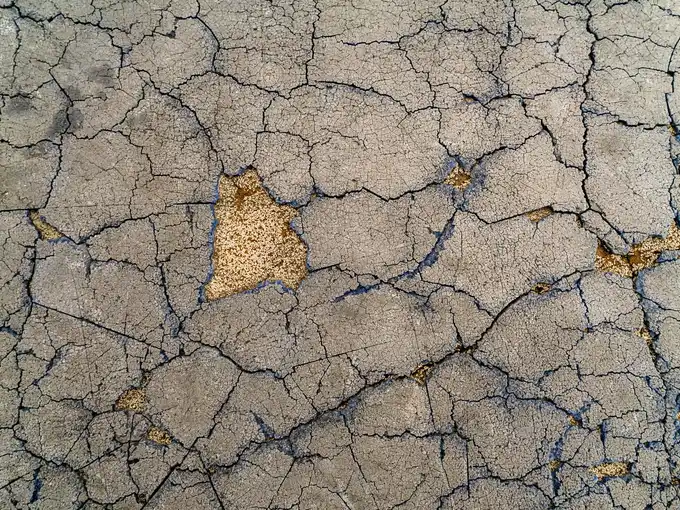
Mud tubes
Mud tubes in Al Rehab appear on internal walls of enclosed voids and on pipes, and detecting them needs thorough inspection of shared joints and basement footings.
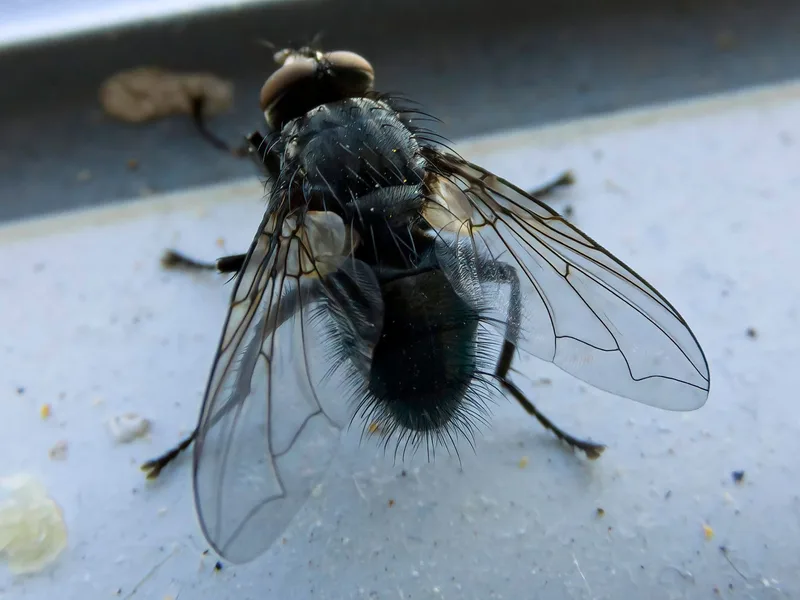
Shed wings
Shed wings gather in large numbers near main pipes and horizontal joints, a clear sign of an active colony in the shared basement voids.
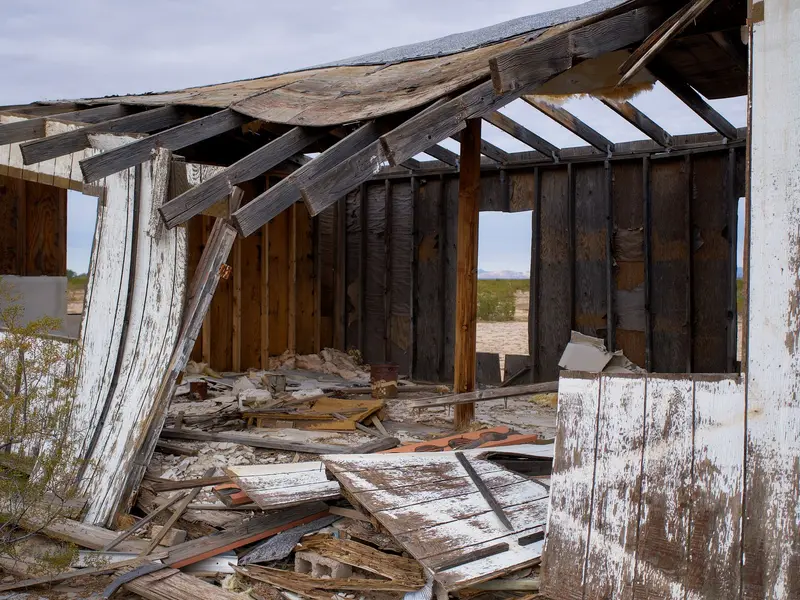
Hollow timber
Hollow timber shows in wooden shop floors and stored furniture, and treatment must reach every piece kept in the voids.
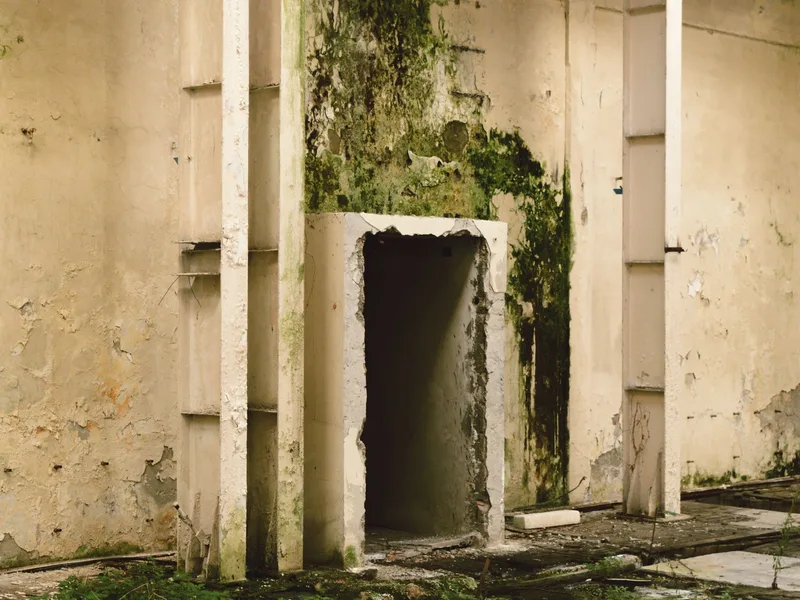
The water source
The water source in Al Rehab is the damp foundation and pipes that may leak, and controlling these dampens seasonal colony activity.

Cellulose on the floor
Cellulose from stacked cardboard in shops and old wood in voids acts as strong bait, and treatment must surround it and cut the path from voids to adjacent timbers.
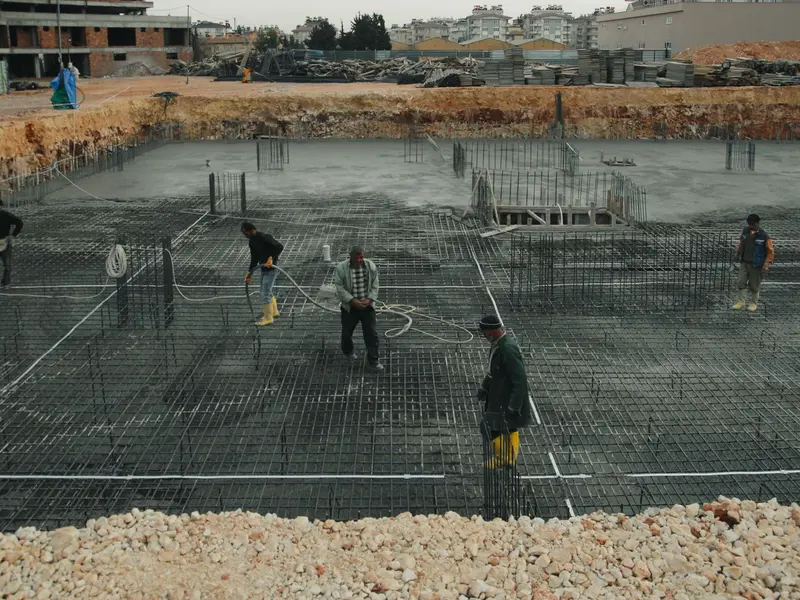
Joints and pipe entries
Gaps between shops and flats and the central pipes need careful treatment at every point, and regular re-inspection ensures these connections do not reopen.
How we work
-
1
Inspect and trace
We sound the timber and the skirting, take moisture readings, and follow the tubes to the point where they leave the soil. We also settle the species, because one that lives inside dry wood is not treated like one that lives in the ground.
-
2
Treat the soil around the building
A narrow trench at the footing and injection at regular spacing, so the treated band runs continuous with no gap to walk around.
-
3
Drill the joints, inject the timber
Small holes at spacing along the slab joints, the wall bases and the pipe entries, direct injection into the galleries inside the affected timber, then the holes are closed and made good.
-
4
Bait stations and monitoring
Stations in the soil carrying a slow-acting material the workers pass through the colony by mouth-to-mouth feeding, and we come back to read them, because an empty tube on a wall proves nothing on its own.
What termite control includes
-

A traced, recorded inspection
Sounding, moisture readings, tubes traced back to the soil, and the species settled before anything is applied.
-

A treated band at the perimeter
Trenching and injection at the footing, spaced so the band is continuous rather than a set of patches.
-

Joints and service penetrations
Slab joints, pipe entries and floor drains, which are the ways up through the concrete.
-

Bait stations in the soil
A slow material carried back through the colony by feeding exchange, rather than stopping the workers at the wall.
-

Aftercare instructions
What not to dig or water near the treated band, what to keep off the walls, and the ventilation time we set for your case.
-

Scheduled monitoring visits
Reading the stations, sounding the same timber again, and treating any new activity.
Landmarks of Al Rehab
In Al Rehab, the work spreads across a wide area between King Abdullah Road to the west and Al Arbaeen Street to the east. Mixed shops and flats along these thoroughfares need unified treatment, and access is easiest through main entrances and the shared basement passages.
- King Abdullah Road
- Al Arbaeen Street
- Palestine Street
- University of Jeddah (Al Rehab campus)
- Al Ahli Club
- Prince Majid Road
Questions about this district
Our shop is clean and well ordered, the flat above has not complained: is termites still possible?
Yes, termites may be in the basement voids without showing in the shop or flat yet. Specialist checking of joints and pipes detects colonies before they eat timber. Cleanliness prevents new attraction but does not stop entry from below.
Do we need treatment if only one of three adjoining shops is infested?
Yes, urgent treatment. The shared basement voids connect all three shops, so one infestation spreads to the others within weeks if the pipes and joints are not treated.
The flat below ours: does treating it protect the upper flat too?
Treating one flat protects that flat only if joints are sealed tightly. But if joints are shared with the flat above, each flat needs separate treatment for full protection.
Treating our shop: will it affect food safety and customers?
Modern treatments are safe for food when applied correctly. Application is in basement voids, pipes and joints, not surfaces that touch food. Closing the shop for hours after spraying ensures complete safety.
The wall between us and the shop next door is shared: do termites eat it from both sides?
Yes, a shared wall may be a passage for termites from one side to the other, especially if there are gaps in joints or old paint. Treating your side protects your side, but treating the wall itself is better if the other owner agrees.
We have a generator and water tank on the roof: does this increase termite risk below?
The roof does not increase risk directly, but a leak from the tank or generator runoff may seep through internal pipes and raise moisture below. Regular tank and pipe maintenance prevents this.
How much does termite control in Al Rehab cost?
It is set after the inspection, because the price follows the type of infestation, the size of the space, how far it has spread and the number of visits it needs. Send a photo and a description on WhatsApp and we will give you an estimate before we reach Al Rehab.
Nearby districts we cover
Other services in Al Rehab
Other services we provide to residents of Al Rehab.
-
 Residential
Cockroach control
Residential
Cockroach control
-
 Residential
Bed bug control
Residential
Bed bug control
-
 Residential
Rodents and mice
Residential
Rodents and mice
-
 Residential
Mosquito control
Residential
Mosquito control
-
 Residential
Fly control
Residential
Fly control
-
 Residential
Ant control
Residential
Ant control
-
 Residential
Gecko control
Residential
Gecko control
-
 Residential
Scorpion control
Residential
Scorpion control
-
 Residential
Snake control
Residential
Snake control
-
 Residential
Flea control
Residential
Flea control
-
 Residential
Bird and pigeon control
Residential
Bird and pigeon control
-
 Residential
Preventive treatment
Residential
Preventive treatment
-
 Residential
Disinfection
Residential
Disinfection
-
 Commercial
Annual contracts
Commercial
Annual contracts
-
 Commercial
Restaurants and cafes
Commercial
Restaurants and cafes
-
 Commercial
Hotels and apartments
Commercial
Hotels and apartments
-
 Commercial
Warehouses and factories
Commercial
Warehouses and factories
-
 Commercial
Schools and nurseries
Commercial
Schools and nurseries
-
 Commercial
Retail and malls
Commercial
Retail and malls
-
 Commercial
Rest houses and farms
Commercial
Rest houses and farms
-
 Commercial
Fumigation
Commercial
Fumigation
-
 Water tanks
Water tank cleaning
Water tanks
Water tank cleaning
-
 Water tanks
Water tank sterilization
Water tanks
Water tank sterilization
-
 Water tanks
Water tank sealing
Water tanks
Water tank sealing
-
 Water tanks
Tank leak repair
Water tanks
Tank leak repair
Need termite control in Al Rehab? Tell us what you saw and we will tell you what it needs
We reach Al Rehab at a time we agree, and you get the full cost before we start.