
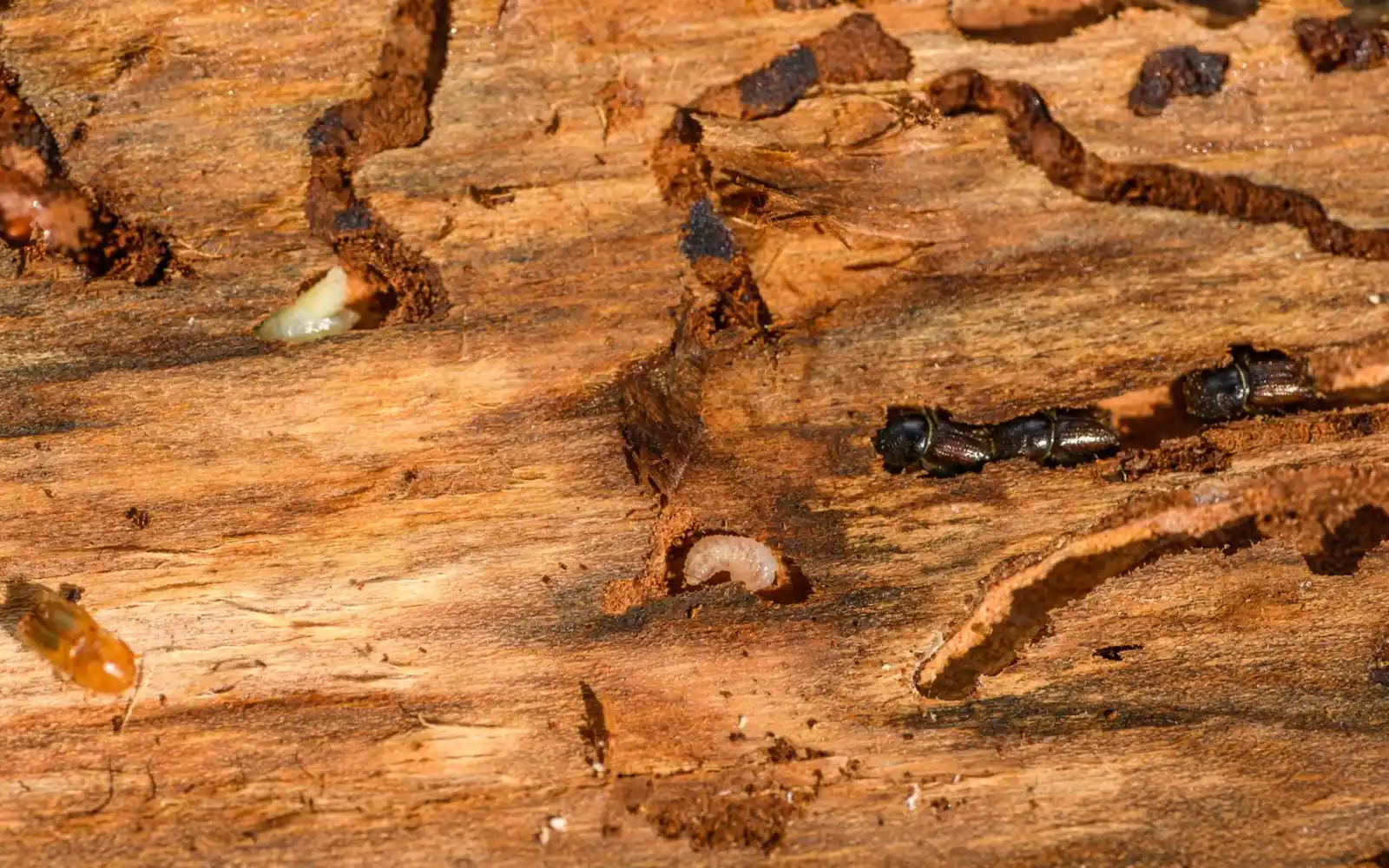
Termite control in Al Salamah Jeddah
Al Salamah mixes retail storefronts and offices at ground level with dense residential blocks above, and termites breach the shared foundations between units. Treatment here demands coordination with open shops and access to multiple units, because the water and food sources cross property lines below the street.
-
Targeted, not broadcast
Product goes into cracks and runways, never sprayed across open surfaces.
-
Told before we start
What we will use, where it goes, and what to cover or move before we arrive.
-
A follow-up visit
We return after the first treatment, because what survives it does not show on the day.
-
Homes and businesses
Apartments and villas, and kitchens and stores that need a record of each visit.
Why they keep coming back in Al Salamah
The old district inside the new means mixed pipework underground, and villa footings close to retail bases form natural highways for insects spreading upward. The method is set out in full on what Termite control involves.
Shared utility networks hold moisture
Water and drainage pipes run deep beneath mixed residential and commercial density, and slow seepage creates pockets of moisture that draw colonies. Monitoring must follow stations under shops and shared courtyards, because what you treat below the flat may be fed by water from the shop below it.
Foundations sit too close together
Villas and apartment blocks share very tight footing lines, so one colony can service several buildings. Treatment must cross property lines at the base to sever the natural routes between neighbouring structures and block reinfestation from outside your plot.
Commercial and residential run concurrently
Shops do not close the way homes do, and that leaves pathways open for entry and exit. Treatment windows must be coordinated with both shopkeepers and residents at once, and inspection access demands different rights in each space.
Al Salamah on the map
Al Salamah sits about 2 km from Al Zahra and about 3 km from Al Rawdah.
Open in Google MapsThe evidence that decides the treatment
North Jeddah between Prince Sultan Road and Madinah Road, densely packed with villas and apartments built on relatively new land, but lying low toward its commercial streets.
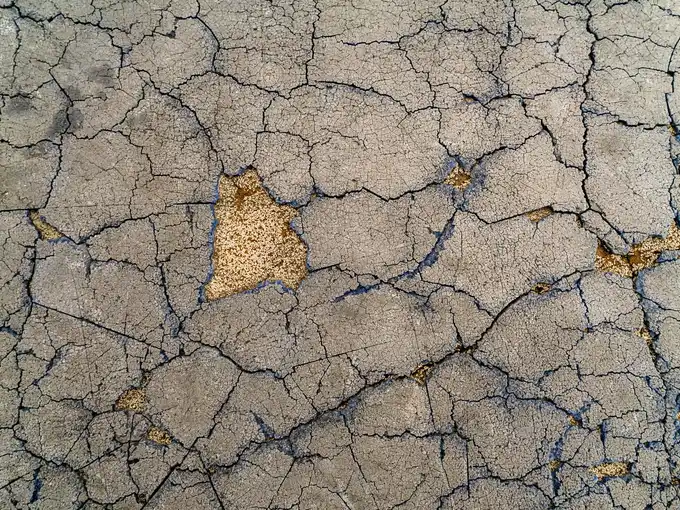
Mud tubes
Mud tubes in Al Salamah rise from close-set footings deep underground, and steady water from shared pipes makes the pathways easy to build and rebuild across property lines.
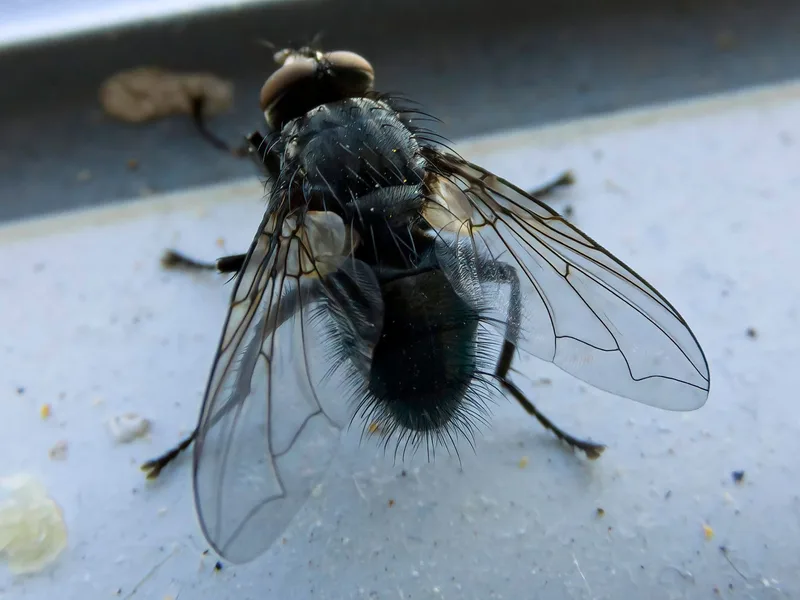
Shed wings
Shed wings in mating season appear most often in shops and shared passages, because termites seek exits that are easy to reach from the outside.
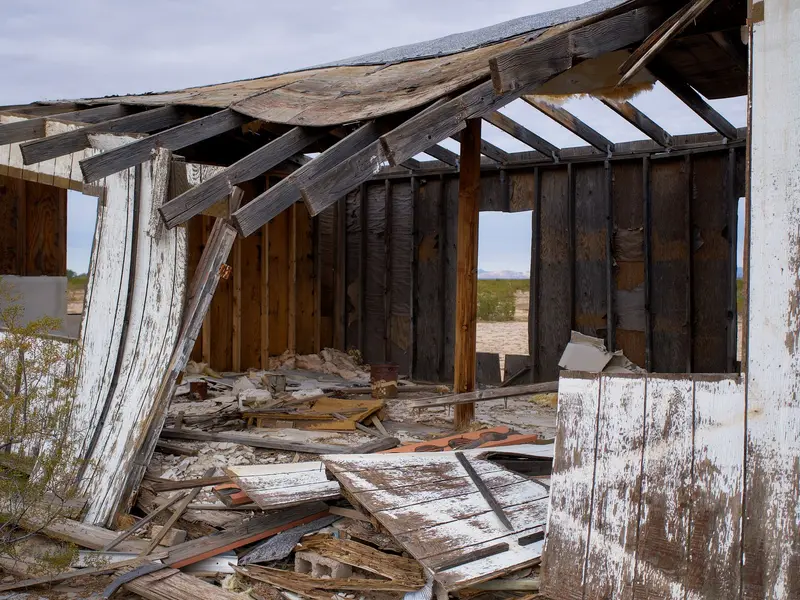
Hollow timber
Hollow timber in old villas and retail frontages with wooden shop faces needs separate treatment from soil work, and shop owners often discover damage to their ceilings late.
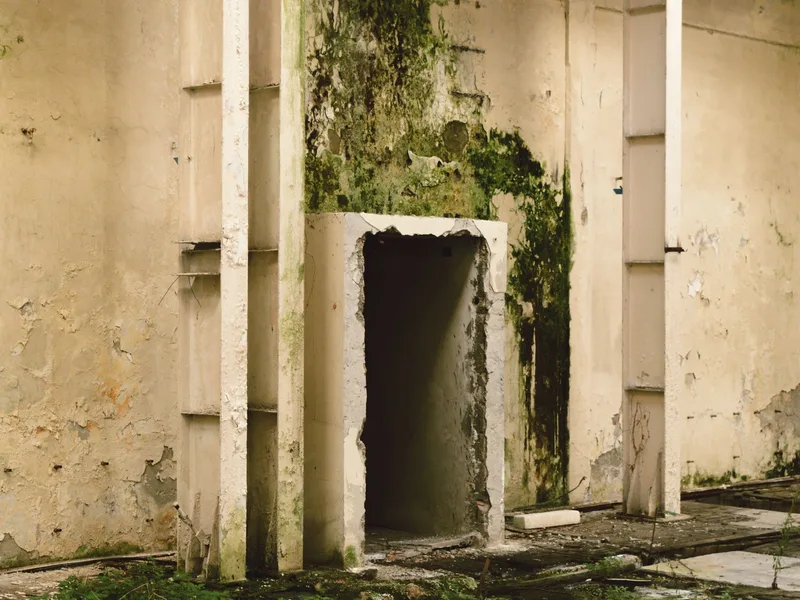
The water source
The water source here is two-fold: slow seeps from shared utility networks underground and natural moisture rising from footings that sit low to the water table.

Cellulose on the floor
Cellulose on the floor starts at wooden foundation posts and old wooden floors in villas, and shops below may not know the ceiling above them is already hollowed out.
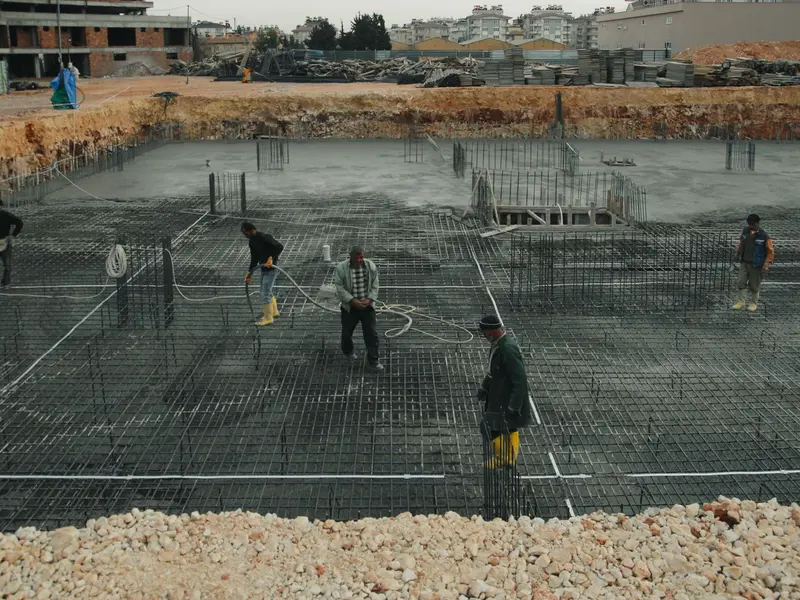
Joints and pipe entries
Joints and pipe entries in a mixed building are numerous and hard to trace, because each unit has its own water and drainage run passing through the shared footing.
How we work
-
1
Inspect and trace
We sound the timber and the skirting, take moisture readings, and follow the tubes to the point where they leave the soil. We also settle the species, because one that lives inside dry wood is not treated like one that lives in the ground.
-
2
Treat the soil around the building
A narrow trench at the footing and injection at regular spacing, so the treated band runs continuous with no gap to walk around.
-
3
Drill the joints, inject the timber
Small holes at spacing along the slab joints, the wall bases and the pipe entries, direct injection into the galleries inside the affected timber, then the holes are closed and made good.
-
4
Bait stations and monitoring
Stations in the soil carrying a slow-acting material the workers pass through the colony by mouth-to-mouth feeding, and we come back to read them, because an empty tube on a wall proves nothing on its own.
What termite control includes
-

A traced, recorded inspection
Sounding, moisture readings, tubes traced back to the soil, and the species settled before anything is applied.
-

A treated band at the perimeter
Trenching and injection at the footing, spaced so the band is continuous rather than a set of patches.
-

Joints and service penetrations
Slab joints, pipe entries and floor drains, which are the ways up through the concrete.
-

Bait stations in the soil
A slow material carried back through the colony by feeding exchange, rather than stopping the workers at the wall.
-

Aftercare instructions
What not to dig or water near the treated band, what to keep off the walls, and the ventilation time we set for your case.
-

Scheduled monitoring visits
Reading the stations, sounding the same timber again, and treating any new activity.
The character of Al Salamah
Mixed district: shops at street level with homes above them
A mixed district means termites exploit shop moisture and food sources to reach residential units above. Treatment cannot focus on flats alone: it must ensure the shared foundations with the shops below stay clear, or reinfestation will always find a way back.
Questions about this district
Does the treatment affect the shops and food stored in them?
Treatment concentrates on soil and footings below ground and only enters shops if tubes are found there. We use products approved for occupied spaces, and we give you simple precautions before we visit, so food safety is not at risk.
How do we handle multiple owners in the same building?
We document shared footings and passages, and we enter each flat or shop with the owner's consent. If one owner refuses, protection for the others stays partial, which weakens the whole treatment, so we explain the shared risk clearly.
Do small hotels in the area increase termite spread?
Hotels and high-traffic shops create wet, food-rich environments with moisture all year. If one gets infested nearby, your risk rises sharply, so we monitor stations with extra care in commercial zones.
Can we treat the building before adjoining new construction finishes?
Yes, but ongoing digging nearby may reopen routes in months. We advise waiting for neighbouring excavation to finish if you can, or we revisit monitoring once building work stops.
Does Quraish Street the retail strip nearby make the problem worse?
The commercial street has food markets and constant moisture, meaning active nests are likely nearby. But your main risk is the soil beneath you, and the street is just part of the wider environment.
How often do we need to read stations in a mixed district like this?
Density and constant moisture mean monthly or twice-monthly visits, especially in warm seasons. We stay with it until activity truly stops, not just when tubes disappear from the wall.
How much does termite control in Al Salamah cost?
It is set after the inspection, because the price follows the type of infestation, the size of the space, how far it has spread and the number of visits it needs. Send a photo and a description on WhatsApp and we will give you an estimate before we reach Al Salamah.
Nearby districts we cover
Other services in Al Salamah
Other services we provide to residents of Al Salamah.
-
 Residential
Cockroach control
Residential
Cockroach control
-
 Residential
Bed bug control
Residential
Bed bug control
-
 Residential
Rodents and mice
Residential
Rodents and mice
-
 Residential
Mosquito control
Residential
Mosquito control
-
 Residential
Fly control
Residential
Fly control
-
 Residential
Ant control
Residential
Ant control
-
 Residential
Gecko control
Residential
Gecko control
-
 Residential
Scorpion control
Residential
Scorpion control
-
 Residential
Snake control
Residential
Snake control
-
 Residential
Flea control
Residential
Flea control
-
 Residential
Bird and pigeon control
Residential
Bird and pigeon control
-
 Residential
Preventive treatment
Residential
Preventive treatment
-
 Residential
Disinfection
Residential
Disinfection
-
 Commercial
Annual contracts
Commercial
Annual contracts
-
 Commercial
Restaurants and cafes
Commercial
Restaurants and cafes
-
 Commercial
Hotels and apartments
Commercial
Hotels and apartments
-
 Commercial
Warehouses and factories
Commercial
Warehouses and factories
-
 Commercial
Schools and nurseries
Commercial
Schools and nurseries
-
 Commercial
Retail and malls
Commercial
Retail and malls
-
 Commercial
Rest houses and farms
Commercial
Rest houses and farms
-
 Commercial
Fumigation
Commercial
Fumigation
-
 Water tanks
Water tank cleaning
Water tanks
Water tank cleaning
-
 Water tanks
Water tank sterilization
Water tanks
Water tank sterilization
-
 Water tanks
Water tank sealing
Water tanks
Water tank sealing
-
 Water tanks
Tank leak repair
Water tanks
Tank leak repair
Need termite control in Al Salamah? Tell us what you saw and we will tell you what it needs
We reach Al Salamah at a time we agree, and you get the full cost before we start.