
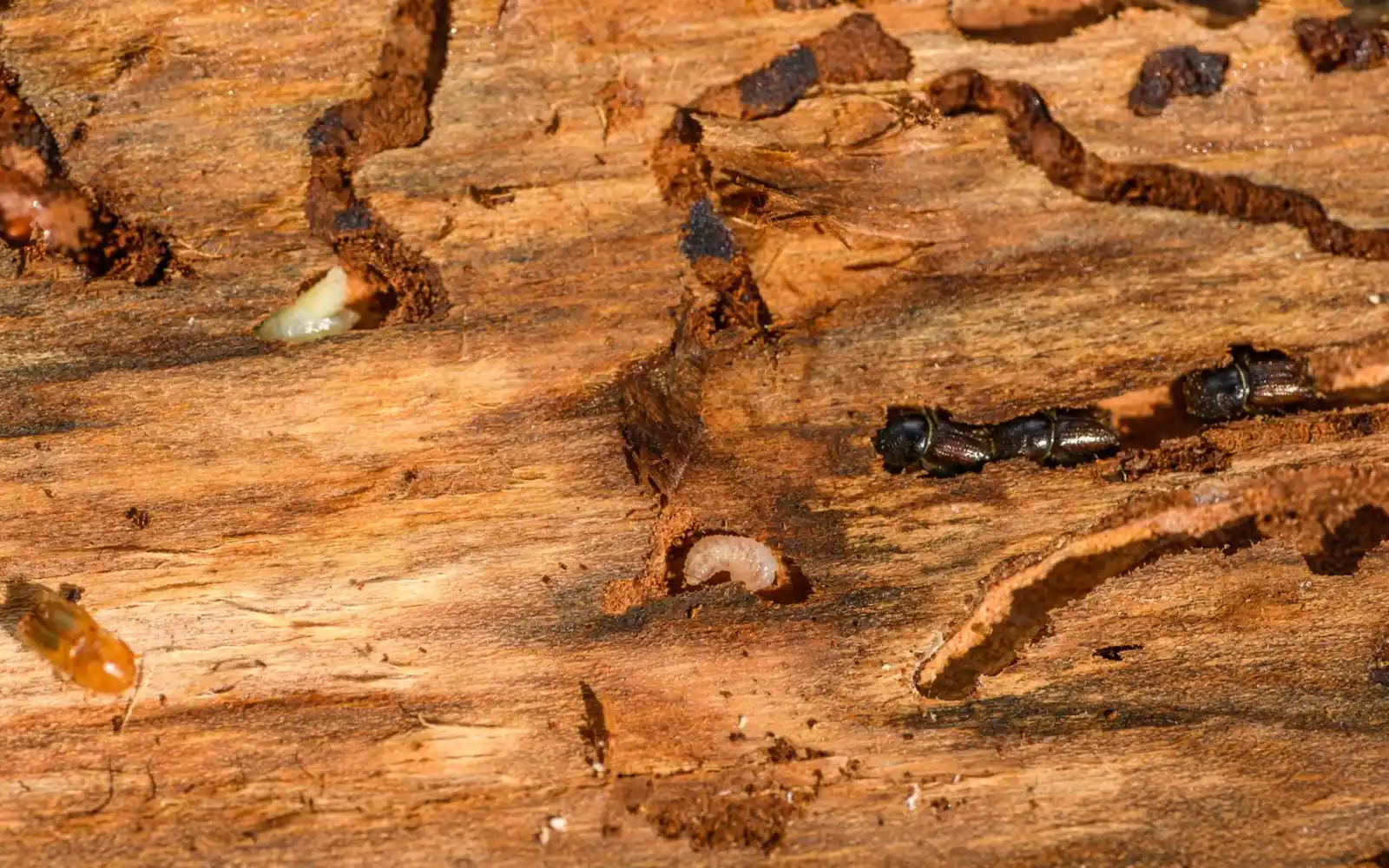
Termite control in Harat Al Mazloum Jeddah
Harat Al Mazloum sits within the old city wall in Historic Jeddah, where tall houses of coral stone faced with wooden rawashin have stood for centuries, squeezed shoulder to shoulder on narrow lanes that rarely see the sun. Old timber, voids between walls, stored goods in the souqs, and high humidity drifting in from the sea have created an environment where termites have flourished undisturbed.
-
Targeted, not broadcast
Product goes into cracks and runways, never sprayed across open surfaces.
-
Told before we start
What we will use, where it goes, and what to cover or move before we arrive.
-
A follow-up visit
We return after the first treatment, because what survives it does not show on the day.
-
Homes and businesses
Apartments and villas, and kitchens and stores that need a record of each visit.
Why they keep coming back in Harat Al Mazloum
The narrow lanes of Al Mazloum never fully dry, even in the hottest days of summer, and timber in the rawashin and ceilings that never sees direct sun stays damp enough to soften and weaken, becoming a continuous meal for termites. The method is set out in full on the full Termite control page.
Timber rawashin and ancient wood on weak coral stone footings
The rawashin here are centuries old, set on footings of coral stone laid with loose joints. Termites eat through the porous stone and hollow out the timber from the inside. The eaten wood may show no sign from the street, but the rawashin carry the weight of upper floors. Collapse of one means the building above will fall.
Voids between tightly packed buildings hide spreading colonies
Buildings stand so closely they touch, and the load-bearing walls between them have horizontal gaps centuries old. Termites use these voids to migrate from one building to the next without leaving a trace. Treating one building does nothing to stop the infestation that is already tunnelling next door.
Ancient souqs store timber, grain, cloth and goods year round
Souq Al Jami and other covered markets keep spice, grain, wood, cloth and other stored goods on or near the ground. This stock draws termites up from the soil, and a whole souq can become a single undivided colony. Once established, it spreads into the residential buildings above and beside the market.
Landmarks of Harat Al Mazloum
Harat Al Mazloum extends from Bab Makkah eastward to Souq Al Jami and the surrounding streets, and treatment must account for the layout of each lane and the presence of Al Shafi'i Mosque and Baeshen House nearby, because the old stone footings beneath all these landmarks are connected.
- Al Shafi'i Mosque
- Souq Al Jami
- Baeshen House
- Bab Makkah
- Al Alawi Street
The evidence that decides the treatment
The district lies north of Al Alawi Street inside the wall, on low ground near the sea and port. Humidity is high throughout the year. The old trading souqs such as Souq Al Jami have been active for centuries, and water never fully drains from the lanes.
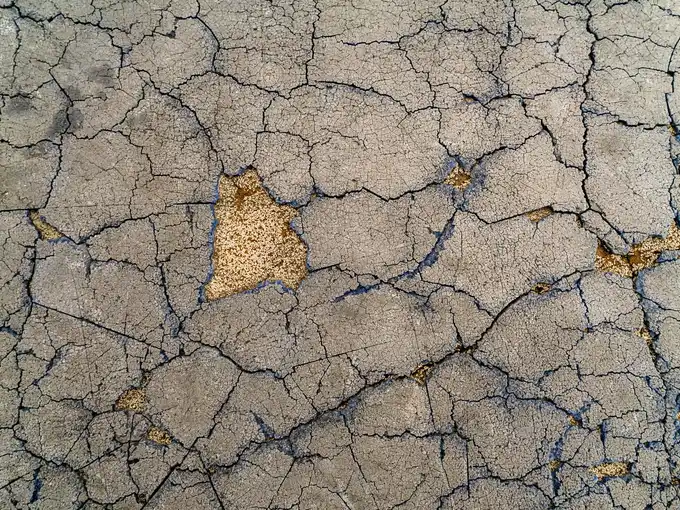
Mud tubes
Mud tubes in Al Mazloum start in loose coral stone footings and climb through timber rawashin. Inspection requires removing internal linings from the rawashin to see the hollow wood inside.
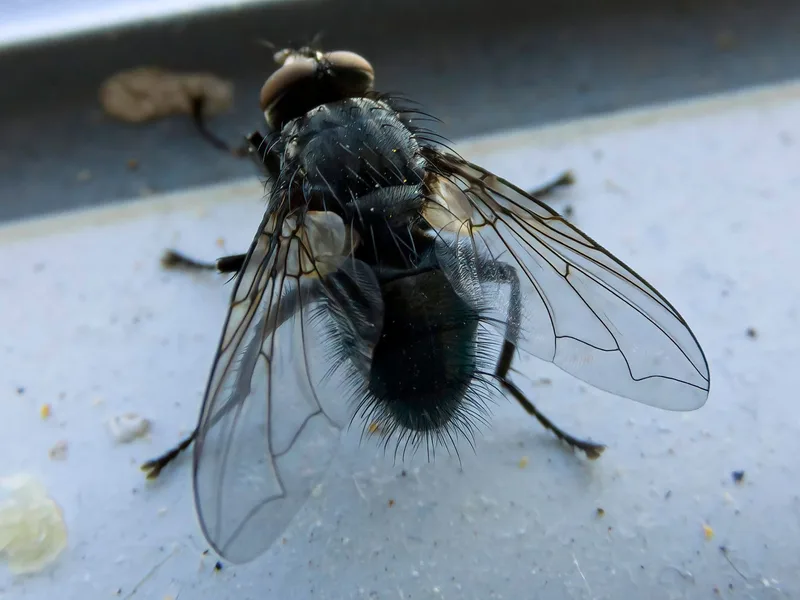
Shed wings
Shed wings appear frequently in the souqs and passages because colonies here are old and large, and the wings drift into shops and into goods on display.
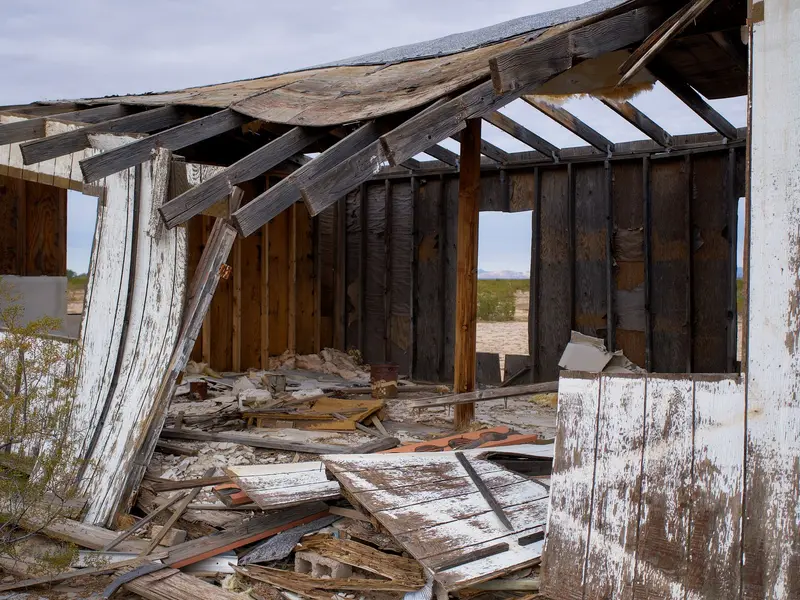
Hollow timber
Hollow timber in the rawashin, ceilings and stall supports cannot be seen from outside because a thin shell of wood remains. Breaking through the shell to inspect risks bringing the ceiling down.
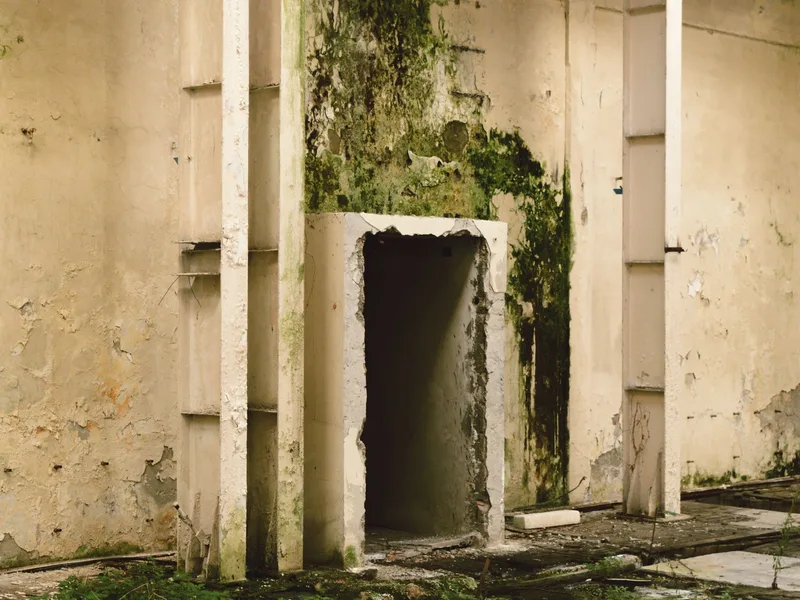
The water source
The water source is the sea and port, the narrow lanes that never fully dry, and the old seepage paths under the stone buildings. Treatment must be continuous and never stop.

Cellulose on the floor
Cellulose on the floor includes the loose coral stone footings, the timber rawashin, and the timber ceilings of every storey. The porous stone lets termites straight through into the buried timber.
Joints and pipe entries
Joints and pipe entries between tightly packed buildings are highways for colony spread. Sealing these gaps may be impossible when buildings touch and there is no access to the wall between them.
How we work
-
1
Inspect and trace
We sound the timber and the skirting, take moisture readings, and follow the tubes to the point where they leave the soil. We also settle the species, because one that lives inside dry wood is not treated like one that lives in the ground.
-
2
Treat the soil around the building
A narrow trench at the footing and injection at regular spacing, so the treated band runs continuous with no gap to walk around.
-
3
Drill the joints, inject the timber
Small holes at spacing along the slab joints, the wall bases and the pipe entries, direct injection into the galleries inside the affected timber, then the holes are closed and made good.
-
4
Bait stations and monitoring
Stations in the soil carrying a slow-acting material the workers pass through the colony by mouth-to-mouth feeding, and we come back to read them, because an empty tube on a wall proves nothing on its own.
What termite control includes
-

A traced, recorded inspection
Sounding, moisture readings, tubes traced back to the soil, and the species settled before anything is applied.
-

A treated band at the perimeter
Trenching and injection at the footing, spaced so the band is continuous rather than a set of patches.
-

Joints and service penetrations
Slab joints, pipe entries and floor drains, which are the ways up through the concrete.
-

Bait stations in the soil
A slow material carried back through the colony by feeding exchange, rather than stopping the workers at the wall.
-

Aftercare instructions
What not to dig or water near the treated band, what to keep off the walls, and the ventilation time we set for your case.
-

Scheduled monitoring visits
Reading the stations, sounding the same timber again, and treating any new activity.
What is different about Historic Jeddah Municipality
The Historic Jeddah municipality covers the quarters of Al Balad inside the old wall: Al Mazloum, Al Sham, Al Yaman and Al Bahr. The buildings are tall houses of coral limestone and timber rawashin, centuries old, standing shoulder to shoulder on narrow lanes that see little sun, many under restoration or partly vacant. The ground is low and close to the sea and the harbour, humidity stays high through the year, and popular souqs and eateries trade late into the night. Old timber, voids between walls and goods stores create conditions favoured by termites, cockroaches, rodents and wood boring beetles.
Questions about this district
Can old rawashan timber be saved after treatment is begun?
Yes, if treatment starts before the termites have eaten more than half the thickness. Timber that has started to deteriorate may collapse despite treatment. Close inspection determines whether saving the piece is worth the cost.
Why are old souqs like Souq Al Jami far more exposed than residential buildings?
They store spice, grain, wood and goods at ground level, and the gaps between stalls and storage rooms offer protected routes. Termites may eat the timber in stall supports, ceilings and doors without being noticed in the bustle of trade.
Should an entire quarter be treated as one system or each building separately?
Each building must be treated with its surrounding soil, but voids between buildings connect colonies, so effective treatment includes at least the affected building and its immediate neighbours on both sides.
Does the high humidity from the sea decrease further inland into the quarter?
It decreases only slightly, because tightly packed buildings and narrow lanes trap air and prevent drying. Even the lanes furthest from the shore stay damp throughout the year.
Do vacant or restoration-work buildings increase the infestation in occupied ones nearby?
Yes, drastically. Empty buildings with no maintenance become perfect shelter for termites. Unmaintained moisture and exposed wood make them ideal colony sites, and infestations spread from them into occupied buildings.
How many treatments must Al Mazloum have in a year?
At least twice, because moisture and cool nights and available food persist year round. Some colonies may need treatment every three months to prevent re-establishment.
How much does termite control in Harat Al Mazloum cost?
It is set after the inspection, because the price follows the type of infestation, the size of the space, how far it has spread and the number of visits it needs. Send a photo and a description on WhatsApp and we will give you an estimate before we reach Harat Al Mazloum.
Nearby districts we cover
Other services in Harat Al Mazloum
Other services we provide to residents of Harat Al Mazloum.
-
 Residential
Cockroach control
Residential
Cockroach control
-
 Residential
Bed bug control
Residential
Bed bug control
-
 Residential
Rodents and mice
Residential
Rodents and mice
-
 Residential
Mosquito control
Residential
Mosquito control
-
 Residential
Fly control
Residential
Fly control
-
 Residential
Ant control
Residential
Ant control
-
 Residential
Gecko control
Residential
Gecko control
-
 Residential
Scorpion control
Residential
Scorpion control
-
 Residential
Snake control
Residential
Snake control
-
 Residential
Flea control
Residential
Flea control
-
 Residential
Bird and pigeon control
Residential
Bird and pigeon control
-
 Residential
Preventive treatment
Residential
Preventive treatment
-
 Residential
Disinfection
Residential
Disinfection
-
 Commercial
Annual contracts
Commercial
Annual contracts
-
 Commercial
Restaurants and cafes
Commercial
Restaurants and cafes
-
 Commercial
Hotels and apartments
Commercial
Hotels and apartments
-
 Commercial
Warehouses and factories
Commercial
Warehouses and factories
-
 Commercial
Schools and nurseries
Commercial
Schools and nurseries
-
 Commercial
Retail and malls
Commercial
Retail and malls
-
 Commercial
Rest houses and farms
Commercial
Rest houses and farms
-
 Commercial
Fumigation
Commercial
Fumigation
-
 Water tanks
Water tank cleaning
Water tanks
Water tank cleaning
-
 Water tanks
Water tank sterilization
Water tanks
Water tank sterilization
-
 Water tanks
Water tank sealing
Water tanks
Water tank sealing
-
 Water tanks
Tank leak repair
Water tanks
Tank leak repair
Need termite control in Harat Al Mazloum? Tell us what you saw and we will tell you what it needs
We reach Harat Al Mazloum at a time we agree, and you get the full cost before we start.