
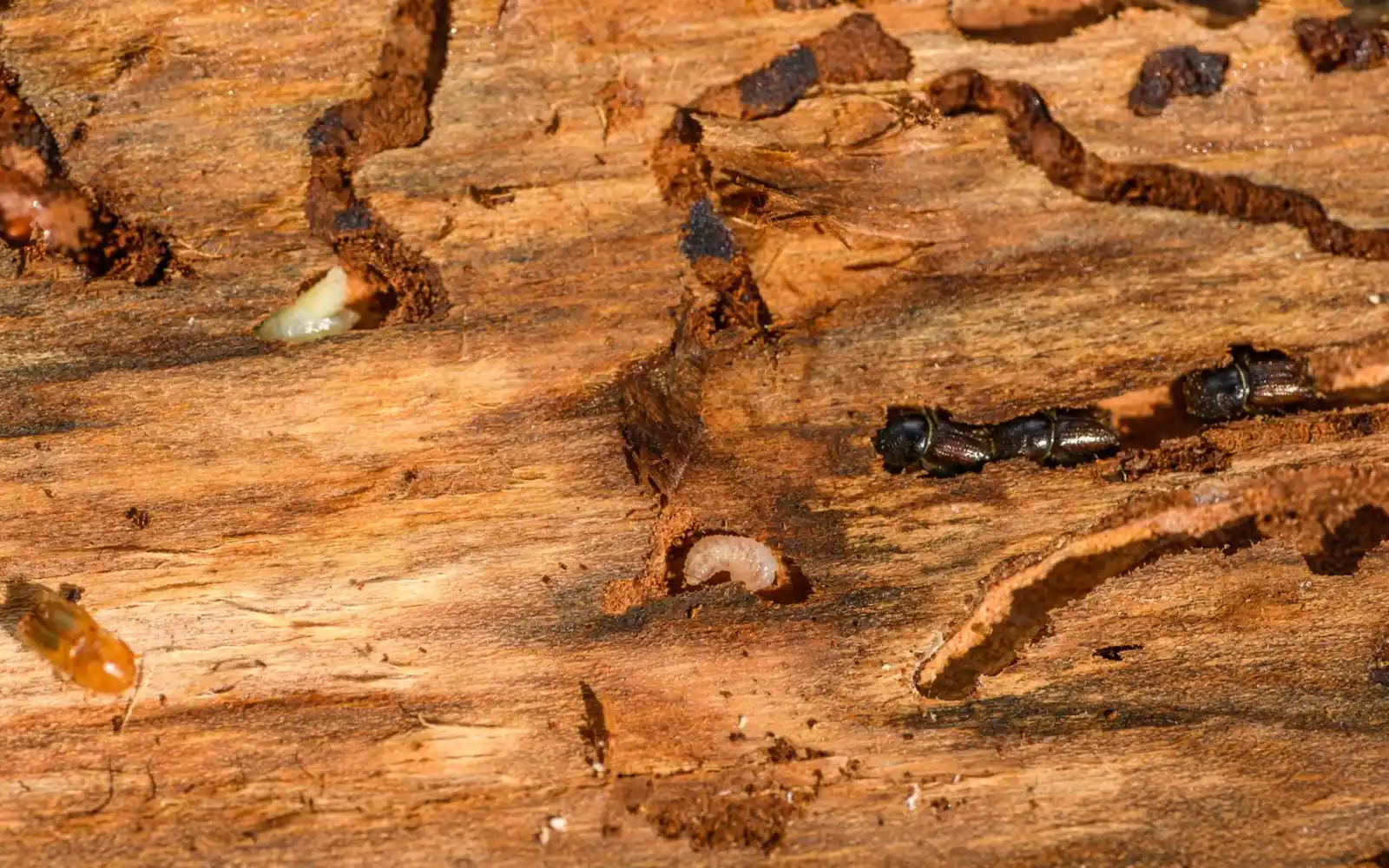
Termite control in Harat Al Sham Jeddah
Harat Al Sham is a historic quarter of close set coral stone buildings with very narrow alleys, and deep stone footings below the houses mean the water table is very close. Tall buildings with wooden rawashin and alleys so tight they hide very old drainage networks buried deep. Treatment here needs care for heritage, monuments and buildings jammed shoulder to shoulder.
-
Targeted, not broadcast
Product goes into cracks and runways, never sprayed across open surfaces.
-
Told before we start
What we will use, where it goes, and what to cover or move before we arrive.
-
A follow-up visit
We return after the first treatment, because what survives it does not show on the day.
-
Homes and businesses
Apartments and villas, and kitchens and stores that need a record of each visit.
Why they keep coming back in Harat Al Sham
Ground level in the quarter sits close to the water table because it was the old shore of Jeddah cove, stone footings pierce this water, and termites live in damp conditions from the foundation up. The method is set out in full on what Termite control involves.
Deep stone footings and the water table
Coral rock reaches deep and may hit groundwater directly. Termites do not search far from the footing: water sits beside them always, and coral rock is easy to mine.
Original wooden rawashin and ancient timber
Stone houses carry original old wooden rawashin screens, and wooden posts inside support floors and ceilings. This timber is centuries old, and termites find in it food that is mature and easy.
Very narrow alleys hide forgotten networks
Alleys are extremely tight and dark, and networks below may never be inspected. Pipes may be ancient or missing entirely, and moisture seeps from everywhere unseen.
Harat Al Sham on the map
Harat Al Sham sits about 0.5 km from Harat Al Mazloum and about 0.5 km from Harat Al Bahr.
Open in Google MapsThe evidence that decides the treatment
The northern section inside the old wall by Bab Al Madinah, with very old coral stone buildings and extremely narrow lanes, deep footings in soil close to the water table.
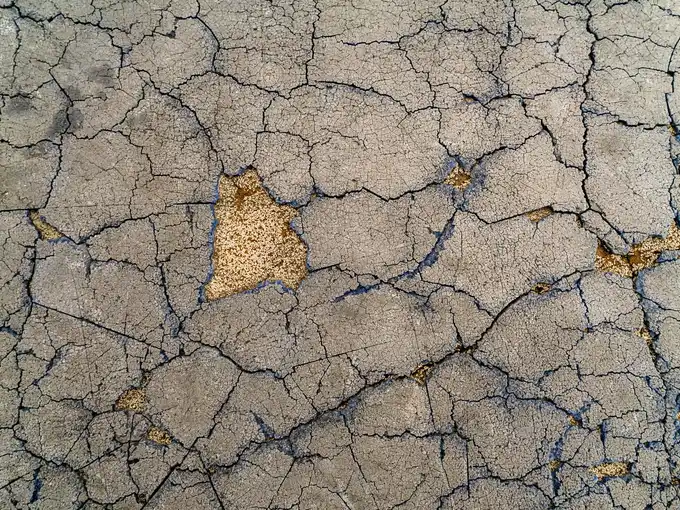
Mud tubes
Mud tubes in coral rock may run inside the stone itself, not on surfaces, so inspection needs careful study of hairline cracks and faint staining.
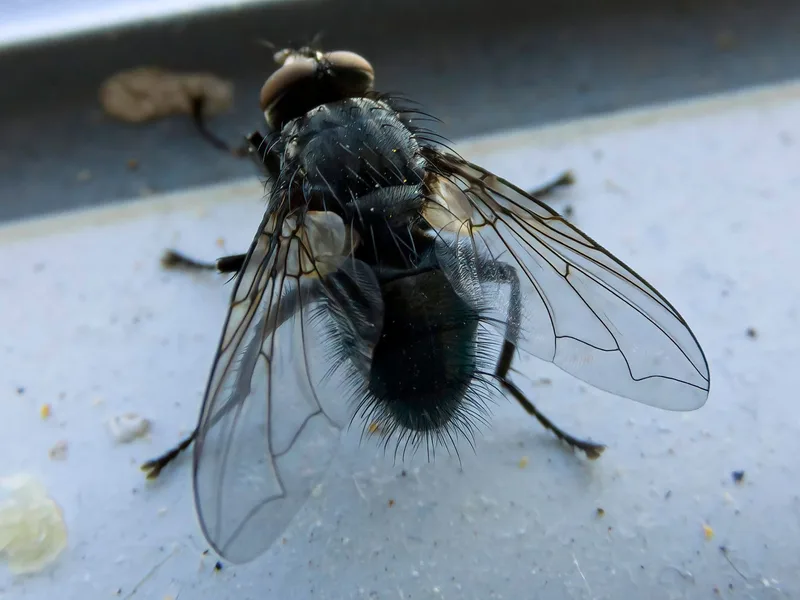
Shed wings
Shed wings may appear in alleys or by doorways, but they are hard to spot because alleys are dark and wings may be eaten by other insects.
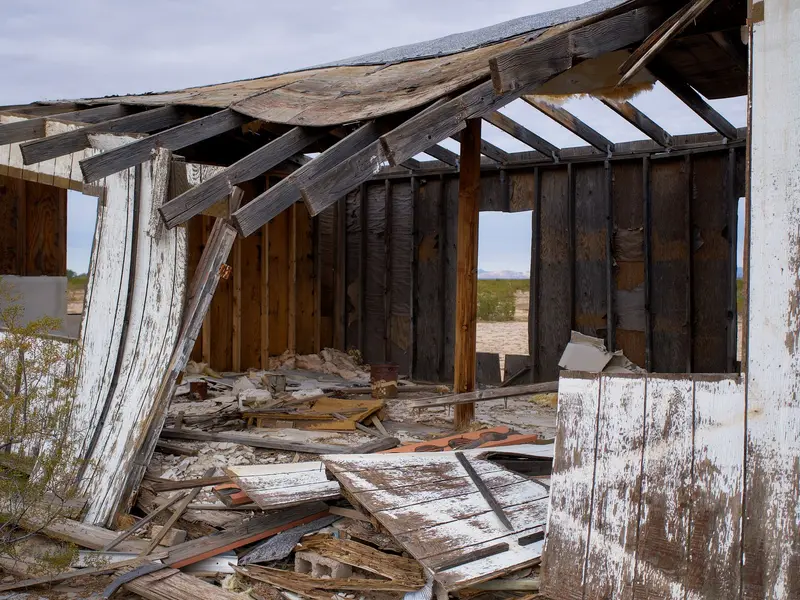
Hollow timber
Hollow timber in rawashin and internal posts may be far advanced without showing, and the insect eats from inside while the outer shell stays sound.
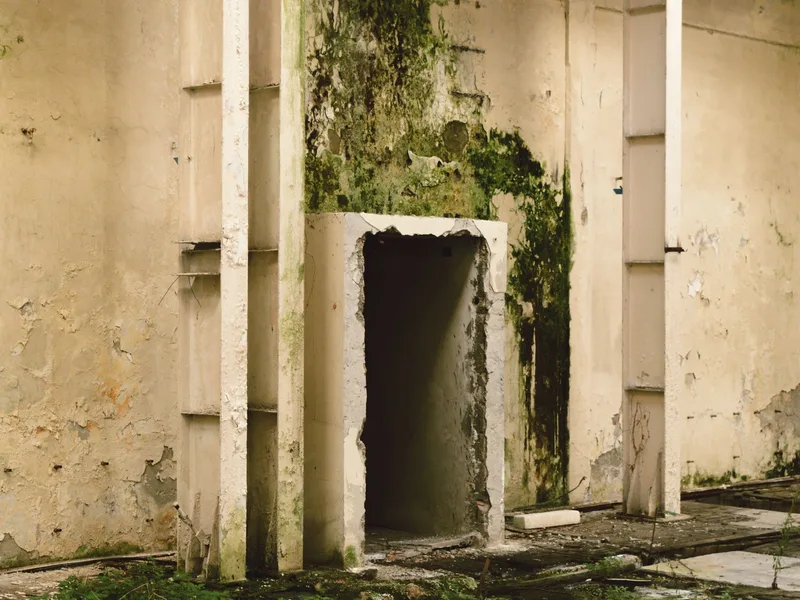
The water source
The water source is groundwater directly below the quarter, with stone footings piercing through it, and any old network leak pumps more water in.

Cellulose on the floor
Cellulose on the floor in historic quarters is abundant: original wood in floors, load bearing posts, old rawashin and ancient doors.
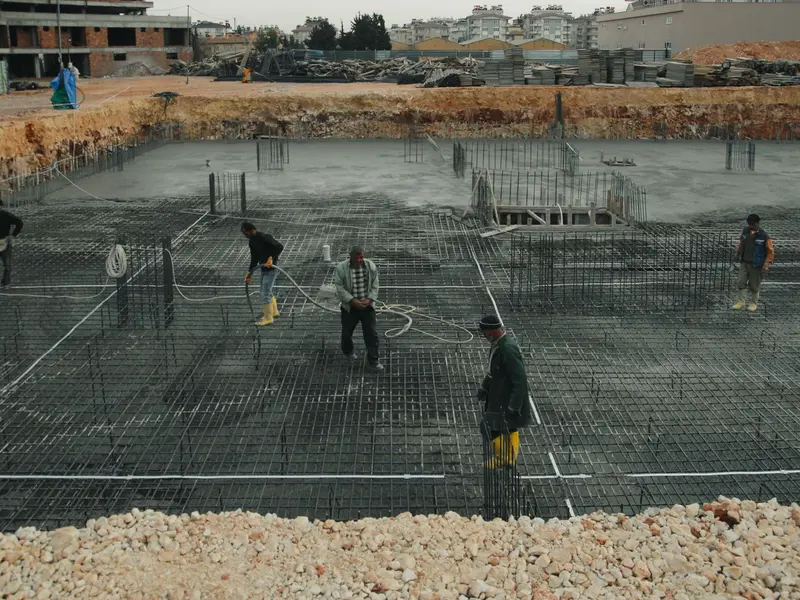
Joints and pipe entries
Joints and pipe entries in heritage buildings may be damaged or undocumented, and drilling or inspection may harm the original fabric, so great care is essential.
How we work
-
1
Inspect and trace
We sound the timber and the skirting, take moisture readings, and follow the tubes to the point where they leave the soil. We also settle the species, because one that lives inside dry wood is not treated like one that lives in the ground.
-
2
Treat the soil around the building
A narrow trench at the footing and injection at regular spacing, so the treated band runs continuous with no gap to walk around.
-
3
Drill the joints, inject the timber
Small holes at spacing along the slab joints, the wall bases and the pipe entries, direct injection into the galleries inside the affected timber, then the holes are closed and made good.
-
4
Bait stations and monitoring
Stations in the soil carrying a slow-acting material the workers pass through the colony by mouth-to-mouth feeding, and we come back to read them, because an empty tube on a wall proves nothing on its own.
What termite control includes
-

A traced, recorded inspection
Sounding, moisture readings, tubes traced back to the soil, and the species settled before anything is applied.
-

A treated band at the perimeter
Trenching and injection at the footing, spaced so the band is continuous rather than a set of patches.
-

Joints and service penetrations
Slab joints, pipe entries and floor drains, which are the ways up through the concrete.
-

Bait stations in the soil
A slow material carried back through the colony by feeding exchange, rather than stopping the workers at the wall.
-

Aftercare instructions
What not to dig or water near the treated band, what to keep off the walls, and the ventilation time we set for your case.
-

Scheduled monitoring visits
Reading the stations, sounding the same timber again, and treating any new activity.
Landmarks of Harat Al Sham
The quarter lies at Bab Jadid to the north and runs south toward Dar Al Zahid and Banaja House. Treatment can be coordinated from Bab Jadid if infestation lies near the gate, or through interior alleys if the problem runs deeper.
- Bab Jadid
- Dar Al Zahid
- Banaja House
- Ribat Al Khunji Al Kabeer
- The Qishla
Questions about this district
Do historic buildings need different treatment than ordinary construction?
Very much so. Wooden rawashin and original stone must stay protected, and we may not drill floors the same way. Treatment needs special planning and heritage-approved products.
Why is termite infestation so common in historic quarters?
Conditions are ideal: very old timber, moisture from nearby groundwater, and neglected drainage networks. Historic quarters are perfect termite environments.
Do water sources easily penetrate old stone footings or does the rock block it?
Coral rock is very porous and water breaches it easily. Some footings may be constantly saturated, and termites colonise inside and build their nests within.
Can we treat the buildings without removing the rawashin or changing anything?
Yes, treatment can be external or internal without touching the screens. But if damage is advanced, we may need to remove a small section to inspect or repair.
Are the networks below the alleys documented or lost from memory?
Most alleys have not been inspected from inside in decades, and networks may be very old or damaged. We may need to explore them during treatment.
How many years has infestation been active if we see deep damage in stone or wood?
It may be several years, possibly two or more. Deep damage means the colony settled the place long ago undetected.
How much does termite control in Harat Al Sham cost?
It is set after the inspection, because the price follows the type of infestation, the size of the space, how far it has spread and the number of visits it needs. Send a photo and a description on WhatsApp and we will give you an estimate before we reach Harat Al Sham.
Nearby districts we cover
Other services in Harat Al Sham
Other services we provide to residents of Harat Al Sham.
-
 Residential
Cockroach control
Residential
Cockroach control
-
 Residential
Bed bug control
Residential
Bed bug control
-
 Residential
Rodents and mice
Residential
Rodents and mice
-
 Residential
Mosquito control
Residential
Mosquito control
-
 Residential
Fly control
Residential
Fly control
-
 Residential
Ant control
Residential
Ant control
-
 Residential
Gecko control
Residential
Gecko control
-
 Residential
Scorpion control
Residential
Scorpion control
-
 Residential
Snake control
Residential
Snake control
-
 Residential
Flea control
Residential
Flea control
-
 Residential
Bird and pigeon control
Residential
Bird and pigeon control
-
 Residential
Preventive treatment
Residential
Preventive treatment
-
 Residential
Disinfection
Residential
Disinfection
-
 Commercial
Annual contracts
Commercial
Annual contracts
-
 Commercial
Restaurants and cafes
Commercial
Restaurants and cafes
-
 Commercial
Hotels and apartments
Commercial
Hotels and apartments
-
 Commercial
Warehouses and factories
Commercial
Warehouses and factories
-
 Commercial
Schools and nurseries
Commercial
Schools and nurseries
-
 Commercial
Retail and malls
Commercial
Retail and malls
-
 Commercial
Rest houses and farms
Commercial
Rest houses and farms
-
 Commercial
Fumigation
Commercial
Fumigation
-
 Water tanks
Water tank cleaning
Water tanks
Water tank cleaning
-
 Water tanks
Water tank sterilization
Water tanks
Water tank sterilization
-
 Water tanks
Water tank sealing
Water tanks
Water tank sealing
-
 Water tanks
Tank leak repair
Water tanks
Tank leak repair
Need termite control in Harat Al Sham? Tell us what you saw and we will tell you what it needs
We reach Harat Al Sham at a time we agree, and you get the full cost before we start.