
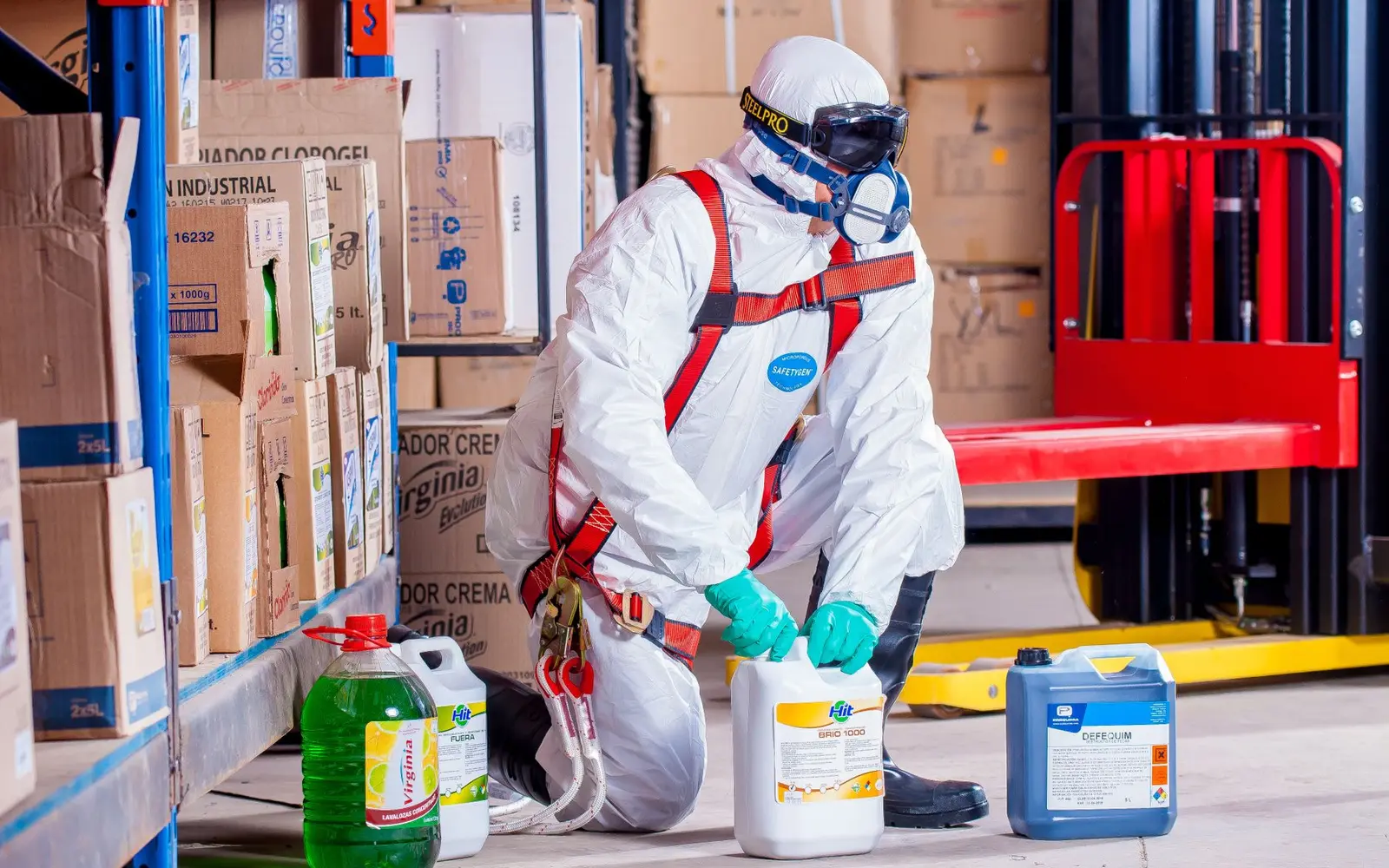
Warehouses and factories in Al Bawadi Jeddah
Al Bawadi is a long established district that blends commercial ground floors with residential flats and an active popular market. Its warehouses face high commercial pressure from the street, hotels and furnished apartments, and aged shared pipes transmit infestation readily between units.
-
Targeted, not broadcast
Product goes into cracks and runways, never sprayed across open surfaces.
-
Told before we start
What we will use, where it goes, and what to cover or move before we arrive.
-
A follow-up visit
We return after the first treatment, because what survives it does not show on the day.
-
Homes and businesses
Apartments and villas, and kitchens and stores that need a record of each visit.
Why they keep coming back in Al Bawadi
Commercial and residential pressure is constant throughout the year. Hotels and furnished flats have very high guest turnover, and seasonality is weak because tourists and visitors arrive all year. The method is set out in full on what Warehouses and factories involves.
Continuous commercial and tourist pressure
Quraish Street is a major tourist and commercial hub. Hotels and furnished apartments have constant high guest movement, restaurants and shops supply steady insect food sources. The warehouse faces relentless exceptional pressure that never abates.
Very old shared pipework
Pipes connecting the hotel to the warehouse and the flat to the shop are very old and damp, seals are failing. Cockroaches move freely between units through these pipes with minimal resistance.
The adjacent popular market and traditional souqs
The popular market beside the district supplies enormous commercial pressure from food waste, rodents and insects. The nearby warehouse receives this pressure daily through street gaps and wall cracks.
Landmarks of Al Bawadi
The warehouse may sit on Quraish Street itself, known for its hotels and furnished flats, or near Al Hijaz Mall and Engineering Roundabout. Access is through the main commercial street where cargo movement and tourist foot traffic flow continuously from morning to late evening.
- Quraish Street
- Al Khatib Al Tabrizi Street
- Al Hijaz Mall
- Al Bawadi Park
- Engineering Roundabout
- King Fahd Road
What the first walk through the building reads
Older buildings erected decades ago carry crumbling water and sewer lines. Quraish Street is lined densely with hotels, furnished apartments, small shops and restaurants.

The shutter line
The goods-in door opens onto Quraish Street or the main commercial street, where constant foot and cargo traffic flows all day. Traps focus on the immediate interior zone past the threshold.
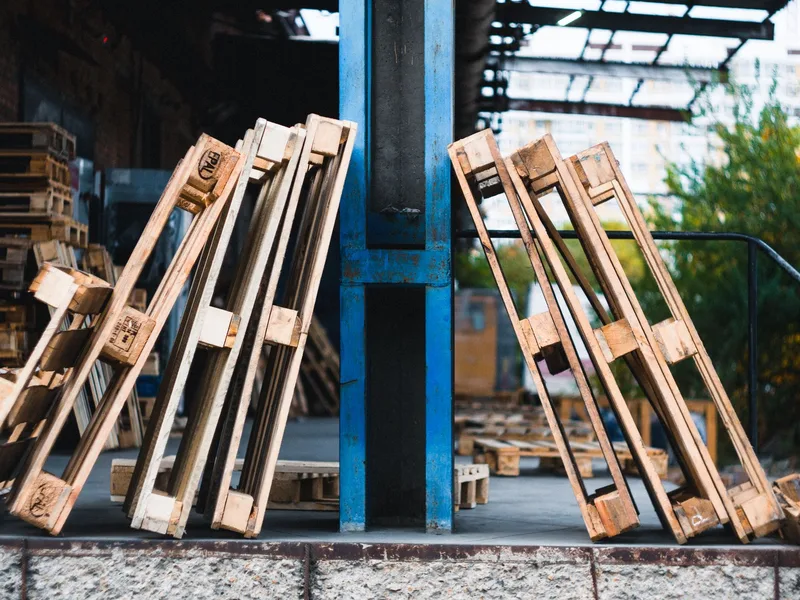
What comes in on the pallet
Incoming stock from the popular market and suppliers may carry diverse insect species. Inspection at goods-in focuses on cardboard boxes, bedding, second-hand clothing and used furniture.
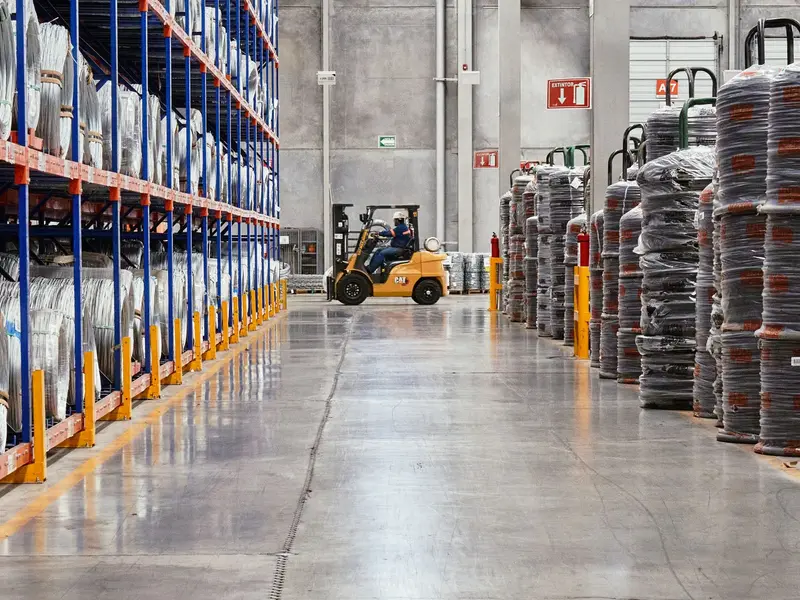
The strip along the wall
Warehouse walls shared with the hotel and furnished flat carry complex old pipes that are impossible to fully seal. Traps are placed densely along the entire shared wall length.
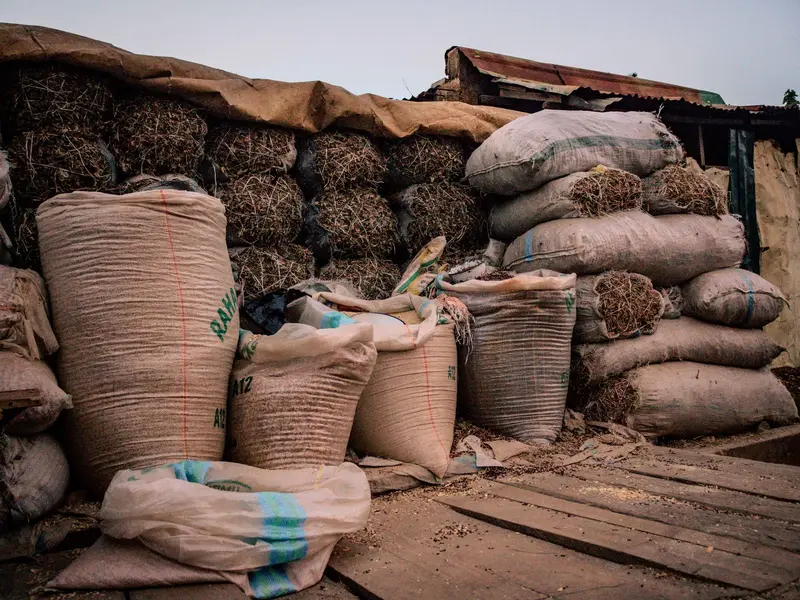
Spillage under the racking
The floor stays damp from seepage, coastal humidity and proximity to King Abdulaziz International Airport. Moisture and gaps provide ideal cockroach breeding conditions.
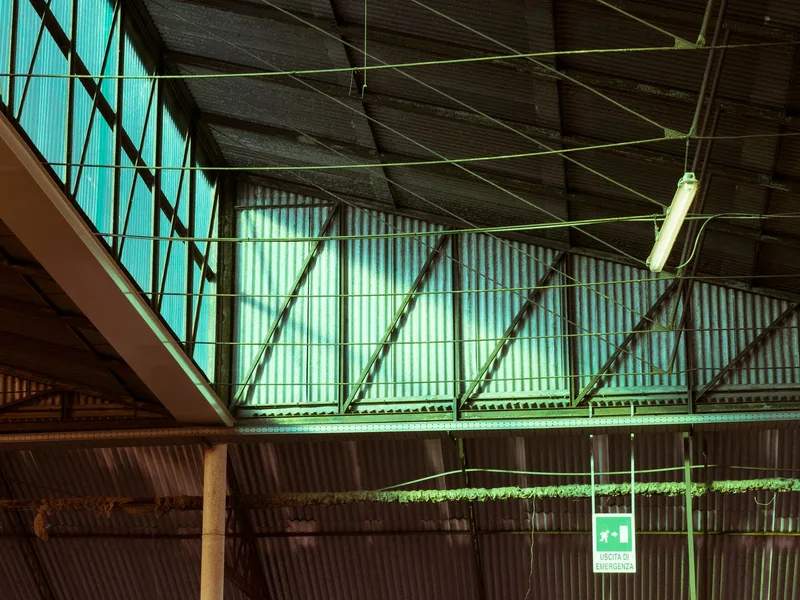
The roof and the openings above
The roof and upper gaps allow insect movement from the hotel and flat into the warehouse. Pipes and electrical runs pass through these gaps, providing easy routes.
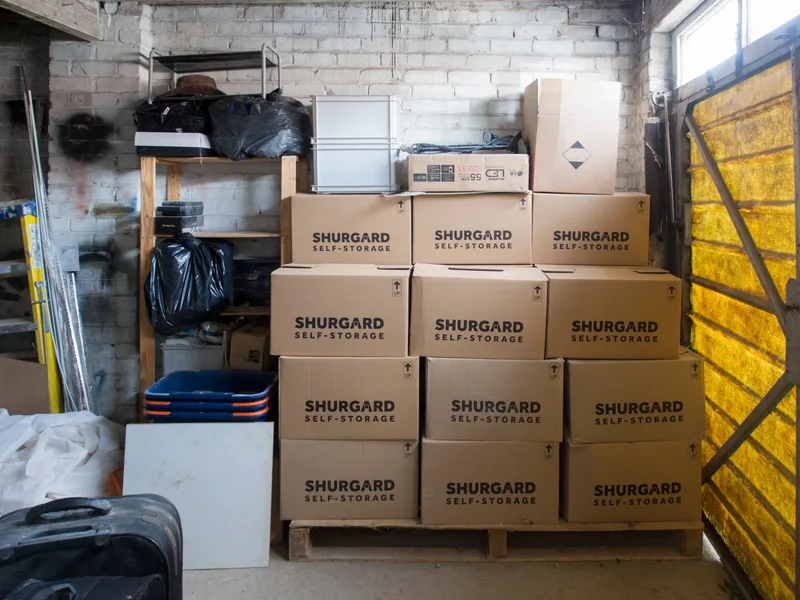
Stock that does not move
Stock may remain in storage for weeks, especially bedding, clothing and heavy goods. These items provide pest refuge unless goods move quickly and are inspected before long-term storage.
How we work
-
1
Survey the building and locate the source
We walk from the goods-in door through the racking, the production areas and the outside wall line, and establish whether the pressure is stored product pests inside the goods, rodents from the perimeter or flying insects from waste and doorways, because each of those is a different programme.
-
2
Pheromone traps and numbered points
Species-specific pheromone traps through the storage areas, and monitoring points on the external ring and along the internal walls, numbered on the racking plan. A trap treats nothing, it tells us which aisle the numbers are climbing in.
-
3
Targeted treatment and isolating the consignment
Spillage is lifted first, then empty racking, wall and floor junctions and voids are treated, and nothing is placed over open stock or a running line. A consignment showing activity is isolated where it stands rather than carried through the building.
-
4
Sealing, then the scheduled visits
We close door gaps, openings and pipe entries, then come back on an agreed schedule: the same traps and points are read each time, and a report goes over what was found, what was treated and what the building still needs closed.
What warehouse pest control includes
-

Site survey and racking plan
A walk from the goods-in door to the last aisle, and a plan with every monitoring position numbered before anything is installed.
-

Pheromone traps and numbered points
Species-specific traps through the storage areas and points along the perimeter line, read and logged on every visit.
-

Targeted treatment of racking and junctions
On empty racking, wall and floor junctions and voids, never over open stock or a running line.
-

Drains, waste and the perimeter
Floor gullies, the container area and the outside wall line, because that is the source which renews itself.
-

Proofing and building findings
Shutter gaps, brush seals and mesh over openings, with a list of what the site needs to repair.
-

Scheduled visits and a report each time
Agreed dates set by the pressure on the site, the same traps read again, and a report that records every visit.
What is different about Airport Sub-Municipality
The Airport sub-municipality covers some of the oldest established districts of northern Jeddah, gathered around King Abdulaziz International Airport between Madinah Road, King Fahd Road and Prince Majid Road. The stock is villas, single family houses and apartment blocks built decades ago, many served by ageing water and sewer lines. Commercial streets such as Quraish, Sari and Sultan bin Salman are lined with restaurants, furnished flats and popular markets. Dense commercial kitchens, worn pipework and the gaps in older buildings give cockroaches and rodents steady food and shelter, and the high resident population keeps that pressure constant through the year.
Questions about this district
A hotel sits directly beside the warehouse and hosts tourists constantly. Is it a permanent reinfection source?
Yes. Hotels on commercial streets with dense markets have very high pressure. New visitors may carry insects, and street pressure enters the hotel before passing to the warehouse through shared pipes.
A furnished flat above the warehouse has very short rental terms. Does that increase infestation risk?
Yes. Short leases mean rapid guest turnover and incomplete cleaning between tenants. New guests arrive constantly, and shared pipes offer direct cockroach routes from flat to warehouse.
The warehouse receives stock from the popular market daily. Do we need daily inspection of goods-in?
Yes. Daily inspection of incoming goods and trap reads at least three times weekly. Quick isolation of any box showing activity prevents infestation from spreading into racking.
Humidity is very high and external walls sweat constantly. Does that mean certain infestation?
High humidity provides ideal cockroach conditions, but does not confirm current infestation. Continuous trap monitoring determines the actual pressure level and triggers treatment if thresholds are crossed.
A small restaurant beside the warehouse dumps scraps in the alley. Can we do anything about that?
We establish a regular cleaning agreement with the restaurant owner and request covered waste storage. We then focus warehouse isolation on dense traps around the shared wall and all floor-level gaps.
How do we tell if infestation comes from the hotel, the market, or the furnished flat above?
Traps placed in different zones tell the story: traps near shared pipes show more activity if hotel pressure is high, while traps at the goods-in door show street and market pressure clearly.
How much does warehouses and factories in Al Bawadi cost?
It is set after the inspection, because the price follows the type of infestation, the size of the space, how far it has spread and the number of visits it needs. Send a photo and a description on WhatsApp and we will give you an estimate before we reach Al Bawadi.
Nearby districts we cover
Other services in Al Bawadi
Other services we provide to residents of Al Bawadi.
-
 Residential
Cockroach control
Residential
Cockroach control
-
 Residential
Bed bug control
Residential
Bed bug control
-
 Residential
Termite control
Residential
Termite control
-
 Residential
Rodents and mice
Residential
Rodents and mice
-
 Residential
Mosquito control
Residential
Mosquito control
-
 Residential
Fly control
Residential
Fly control
-
 Residential
Ant control
Residential
Ant control
-
 Residential
Gecko control
Residential
Gecko control
-
 Residential
Scorpion control
Residential
Scorpion control
-
 Residential
Snake control
Residential
Snake control
-
 Residential
Flea control
Residential
Flea control
-
 Residential
Bird and pigeon control
Residential
Bird and pigeon control
-
 Residential
Preventive treatment
Residential
Preventive treatment
-
 Residential
Disinfection
Residential
Disinfection
-
 Commercial
Annual contracts
Commercial
Annual contracts
-
 Commercial
Restaurants and cafes
Commercial
Restaurants and cafes
-
 Commercial
Hotels and apartments
Commercial
Hotels and apartments
-
 Commercial
Schools and nurseries
Commercial
Schools and nurseries
-
 Commercial
Retail and malls
Commercial
Retail and malls
-
 Commercial
Rest houses and farms
Commercial
Rest houses and farms
-
 Commercial
Fumigation
Commercial
Fumigation
-
 Water tanks
Water tank cleaning
Water tanks
Water tank cleaning
-
 Water tanks
Water tank sterilization
Water tanks
Water tank sterilization
-
 Water tanks
Water tank sealing
Water tanks
Water tank sealing
-
 Water tanks
Tank leak repair
Water tanks
Tank leak repair
Need warehouses and factories in Al Bawadi? Tell us what you saw and we will tell you what it needs
We reach Al Bawadi at a time we agree, and you get the full cost before we start.