

Warehouse pest control for factories and storage sites
We walk the building from the goods-in door to the last racking aisle and establish whether the source is inside the stock or arriving from the perimeter. Then we set pheromone traps and numbered points that are read every visit, and treat only what the readings point to.
-
Targeted, not broadcast
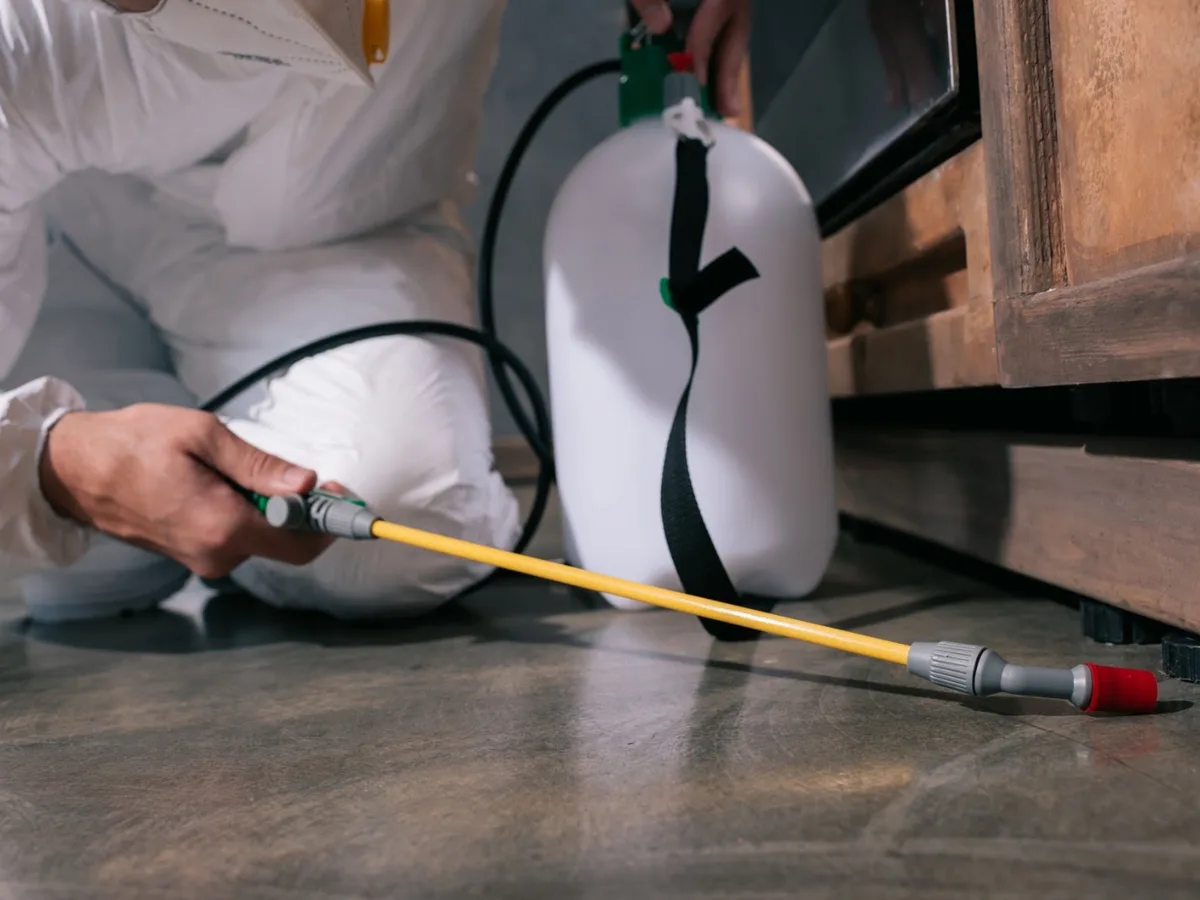
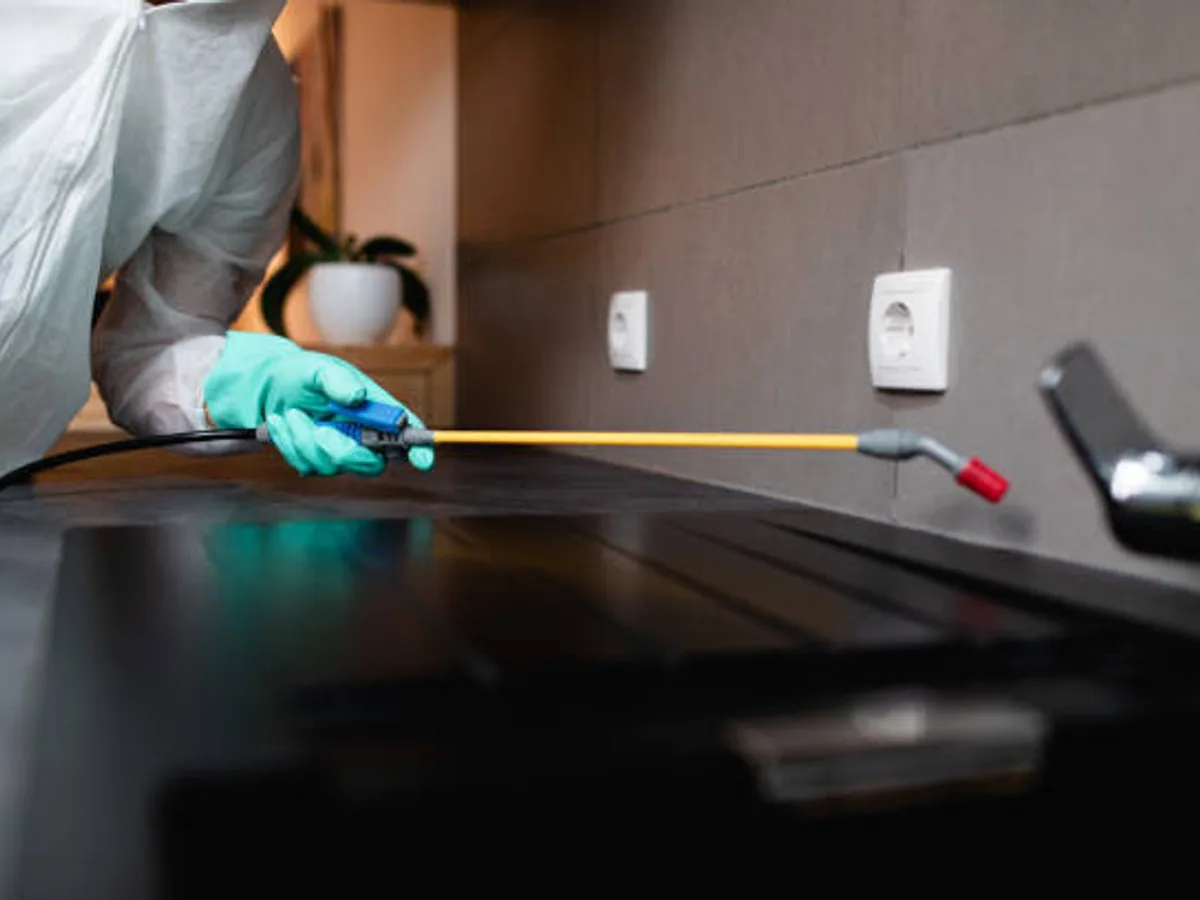
Product goes into cracks and runways, never sprayed across open surfaces.
-
Told before we start
What we will use, where it goes, and what to cover or move before we arrive.
-
A follow-up visit
We return after the first treatment, because what survives it does not show on the day.
-
Homes and businesses
Apartments and villas, and kitchens and stores that need a record of each visit.
Why a spray does not settle a warehouse
Three reasons, and all three are about where the source sits rather than how big the building is.
It arrives with the stock
Stored product pests come in inside sacks and cartons and in the joints of pallets, not through the walls. A building treated wall to wall takes one infested consignment the next morning and is back where it started.
A fog does not get inside the bag
The larva completes its development inside the grain or inside a sealed pack, and a space treatment reaches the air and the surfaces. Sightings drop for a week, then the next generation emerges from the same stock.
Warehouse heat shortens the cycle
Stored product beetles and moths develop faster as the temperature in the hall rises. The gap between one visit and the next decides the result, not the strength of what was applied.
What the first walk through the building reads
Six things we go through before anything is applied, and each one moves the points or changes how often we come.

The shutter line
Daylight under a closed shutter means a gap a mouse can use, and whether a brush seal is fitted decides if we start on the external ring or inside the hall.

What comes in on the pallet
A wooden pallet carries the residue of the last store in its joints, and goods inwards is the main route for stored product pests, which is why the check belongs at the door rather than after the stock reaches the racking.
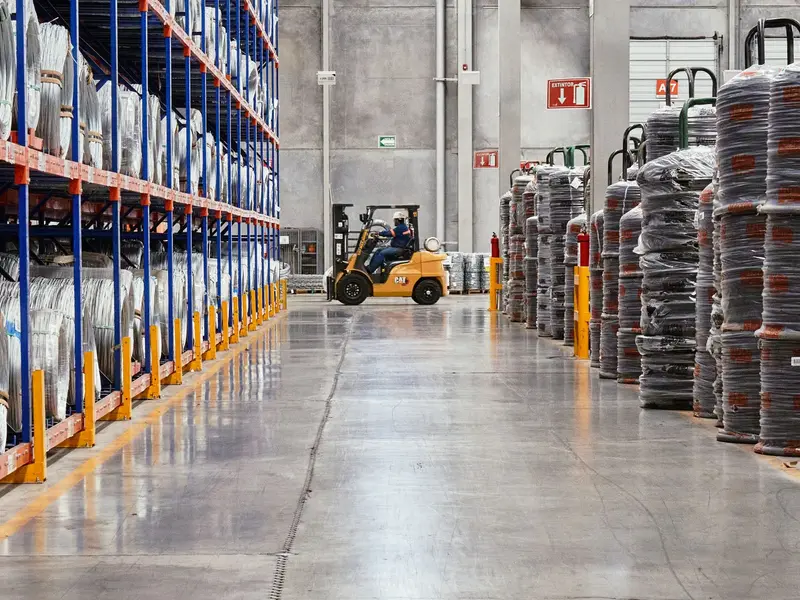
The strip along the wall
A pallet pushed to the wall removes the strip where the first evidence shows and hides the point behind it, which is why we ask for a walkable gap along the whole wall.
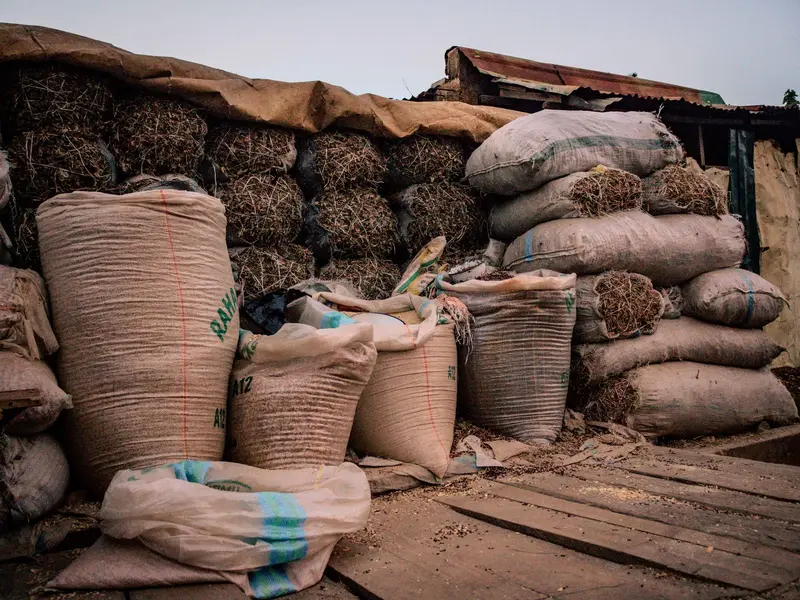
Spillage under the racking
A split sack or a spill left under a rack will feed a whole generation, and lifting that one spot before treatment changes the outcome more than anything applied after it.
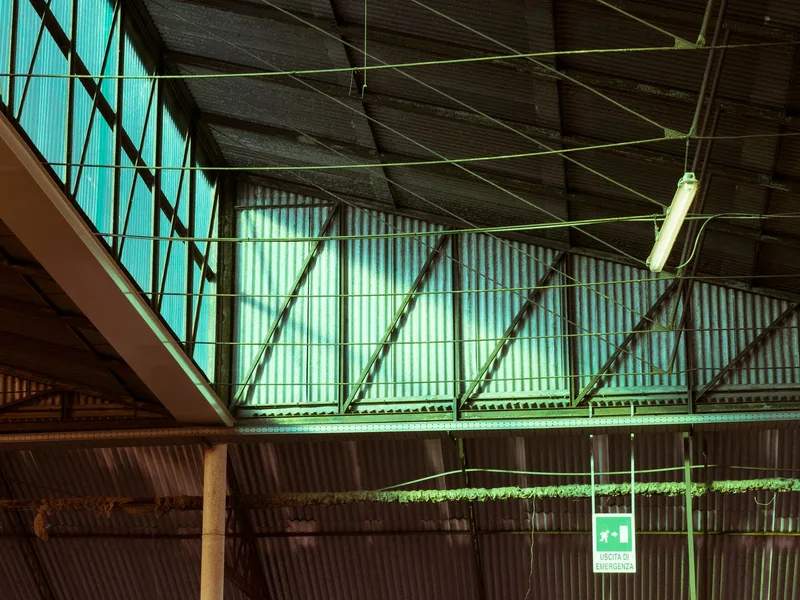
The roof and the openings above
Birds nest on the steelwork above the stock, and the answer there is netting and proofing rather than treatment, while a broken rooflight explains flying insects arriving after dark.
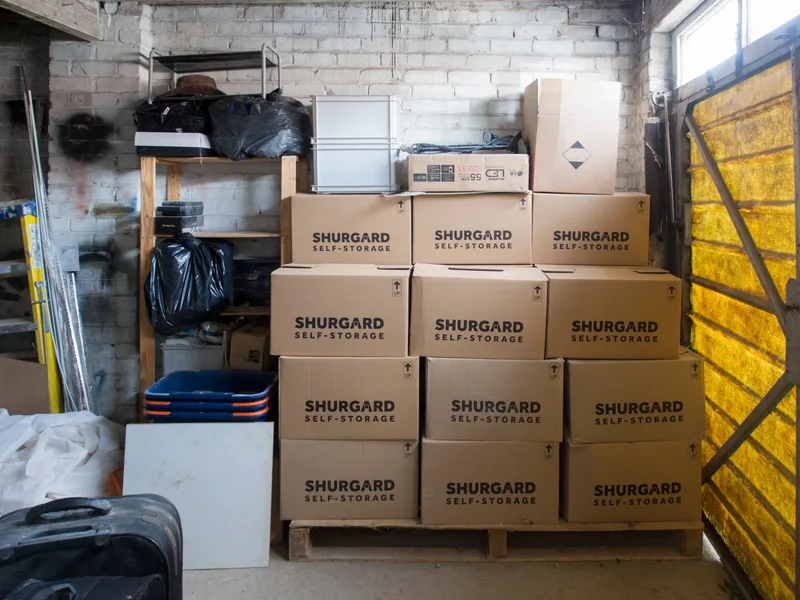
Stock that does not move
A consignment that sits for months in the last aisle is where a population matures unseen, and how the stock rotates tells us which pallet to open first.
How the visit runs
Four steps. It starts with a survey of the building and does not end at the treatment.
-
1
Survey the building and locate the source
We walk from the goods-in door through the racking, the production areas and the outside wall line, and establish whether the pressure is stored product pests inside the goods, rodents from the perimeter or flying insects from waste and doorways, because each of those is a different programme.
-
2
Pheromone traps and numbered points
Species-specific pheromone traps through the storage areas, and monitoring points on the external ring and along the internal walls, numbered on the racking plan. A trap treats nothing, it tells us which aisle the numbers are climbing in.
-
3
Targeted treatment and isolating the consignment
Spillage is lifted first, then empty racking, wall and floor junctions and voids are treated, and nothing is placed over open stock or a running line. A consignment showing activity is isolated where it stands rather than carried through the building.
-
4
Sealing, then the scheduled visits
We close door gaps, openings and pipe entries, then come back on an agreed schedule: the same traps and points are read each time, and a report goes over what was found, what was treated and what the building still needs closed.
What warehouse pest control includes
-

Site survey and racking plan
A walk from the goods-in door to the last aisle, and a plan with every monitoring position numbered before anything is installed.
-

Pheromone traps and numbered points
Species-specific traps through the storage areas and points along the perimeter line, read and logged on every visit.
-

Targeted treatment of racking and junctions
On empty racking, wall and floor junctions and voids, never over open stock or a running line.
-

Drains, waste and the perimeter
Floor gullies, the container area and the outside wall line, because that is the source which renews itself.
-

Proofing and building findings
Shutter gaps, brush seals and mesh over openings, with a list of what the site needs to repair.
-

Scheduled visits and a report each time
Agreed dates set by the pressure on the site, the same traps read again, and a report that records every visit.

Exactly where the product goes
-
1
Inside joints, not on surfaces
Bait goes into a cabinet joint or a gap behind an appliance, in dots the size of a match head, in places no hand reaches and nothing touches in ordinary use.
-
2
Away from where food is
Nothing is sprayed on preparation surfaces, inside food cupboards, or across open floor in living rooms and bedrooms.
-
3
A little preparation first
Cover dishes, move water bowls. We give you the ventilation time for your treatment on the call, rather than a general number printed on a page.
-
4
Tell us the exceptions
Asthma, an allergy or a pregnancy in the home changes the product choice and the order of the visit. It is a change we make often and it does not delay the appointment.
Our work

What customers say on Google
The termite problem disappeared after the treatment. Thank you.
Translated from the Arabic original.
We had a cockroach problem, and after the treatment, praise God, the cockroaches have largely gone. Their work is tidy and they are respectful to deal with. I recommend them.
Translated from the Arabic original.
Excellent and courteous service, and the bed bugs were cleared from the house completely. I recommend them, God willing.
Translated from the Arabic original.
We cover Jeddah and Makkah
Every district has its own page for this service. Tap yours.
Common questions
Do we have to stop work while you treat?
Usually not. Most of the work runs between shifts or on a closed day and stays inside areas that are cleared and covered before we arrive, with treatment placed on racking and junctions rather than broadcast over the goods. Ventilation and re-entry we set with you on the call, because it changes with the product and the space, and we do not print a fixed number here.
We treated the warehouse and it came back. Why?
Three common reasons. The source was inside the stock, where a surface treatment never reached it. The larva leaves the food to pupate in a wall junction or a rack corner, so it survives well away from where the treatment went and the adult later shows up somewhere unrelated to the source. And most often of all, a new consignment brought it back in after the visit. That is why we read the pheromone traps across visits and check goods inwards, instead of repeating the same spray.
A consignment has arrived with activity in it. What now?
It is isolated where it stands and not moved down the racking aisles, because moving it is what spreads the problem into the rest of the stock. We inspect it and identify the species, then decide: a local treatment of the pallets and the area around them, or a sealed treatment of the consignment itself through Fumigation when the source sits inside the packaging and cannot be reached from outside.
Which pests does a warehouse programme cover?
Usually four groups, and each is a different method. Stored product beetles and moths inside the goods, followed with pheromone traps. Rodents off the perimeter line, where every opening the size of a coin is closed before a single station is placed, as in Rodents and mice. Flies out of the waste area and through a door held open across a delivery. And birds on the roof steel, where the answer is netting and nest proofing, as in Bird and pigeon control.
Will the report answer an auditor or a customer?
The file carries the scope, the numbered station map, the date of every visit, the reading from every trap including the nil ones, what was applied and where, and the findings and corrective actions with the state of each. The value is in the series rather than in one visit, which is why it is built on a fixed schedule as in Annual contracts. We record what was actually done and when, and we sign nothing on anyone's behalf.
How should we prepare the site?
Clear a walkable strip along the walls, lift the spillage from under the racking, cover open stock and any production line, and give us one person who can open locked areas and take the report. Send us the delivery times as well so we come around them, because a door standing open during treatment undoes half the work. The rest is in how rodents get in.
What does a warehouse programme cost?
It is set after the survey, because the figure follows the size of the building and the height of the racking, how many points and traps the layout demands, what the stock is and how sensitive it is, how often we come, and whether the work happens inside operating hours or outside them. We walk the site first, then send a written proposal setting out the scope and the schedule before anything is agreed.
Other services
Scroll to see the rest of what we do.
-
 Residential
Cockroach control
Residential
Cockroach control
-
 Residential
Bed bug control
Residential
Bed bug control
-
 Residential
Termite control
Residential
Termite control
-
 Residential
Rodents and mice
Residential
Rodents and mice
-
 Residential
Mosquito control
Residential
Mosquito control
-
 Residential
Fly control
Residential
Fly control
-
 Residential
Ant control
Residential
Ant control
-
 Residential
Gecko control
Residential
Gecko control
-
 Residential
Scorpion control
Residential
Scorpion control
-
 Residential
Snake control
Residential
Snake control
-
 Residential
Flea control
Residential
Flea control
-
 Residential
Bird and pigeon control
Residential
Bird and pigeon control
-
 Residential
Preventive treatment
Residential
Preventive treatment
-
 Residential
Disinfection
Residential
Disinfection
-
 Commercial
Annual contracts
Commercial
Annual contracts
-
 Commercial
Restaurants and cafes
Commercial
Restaurants and cafes
-
 Commercial
Hotels and apartments
Commercial
Hotels and apartments
-
 Commercial
Schools and nurseries
Commercial
Schools and nurseries
-
 Commercial
Retail and malls
Commercial
Retail and malls
-
 Commercial
Rest houses and farms
Commercial
Rest houses and farms
-
 Commercial
Fumigation
Commercial
Fumigation
-
 Water tanks
Water tank cleaning
Water tanks
Water tank cleaning
-
 Water tanks
Water tank sterilization
Water tanks
Water tank sterilization
-
 Water tanks
Water tank sealing
Water tanks
Water tank sealing
-
 Water tanks
Tank leak repair
Water tanks
Tank leak repair
Need pest control for warehouses and factories? Describe what you saw and we will tell you what it needs
A short call is enough. We tell you what we can see and the full cost before we start, and you decide after that.