
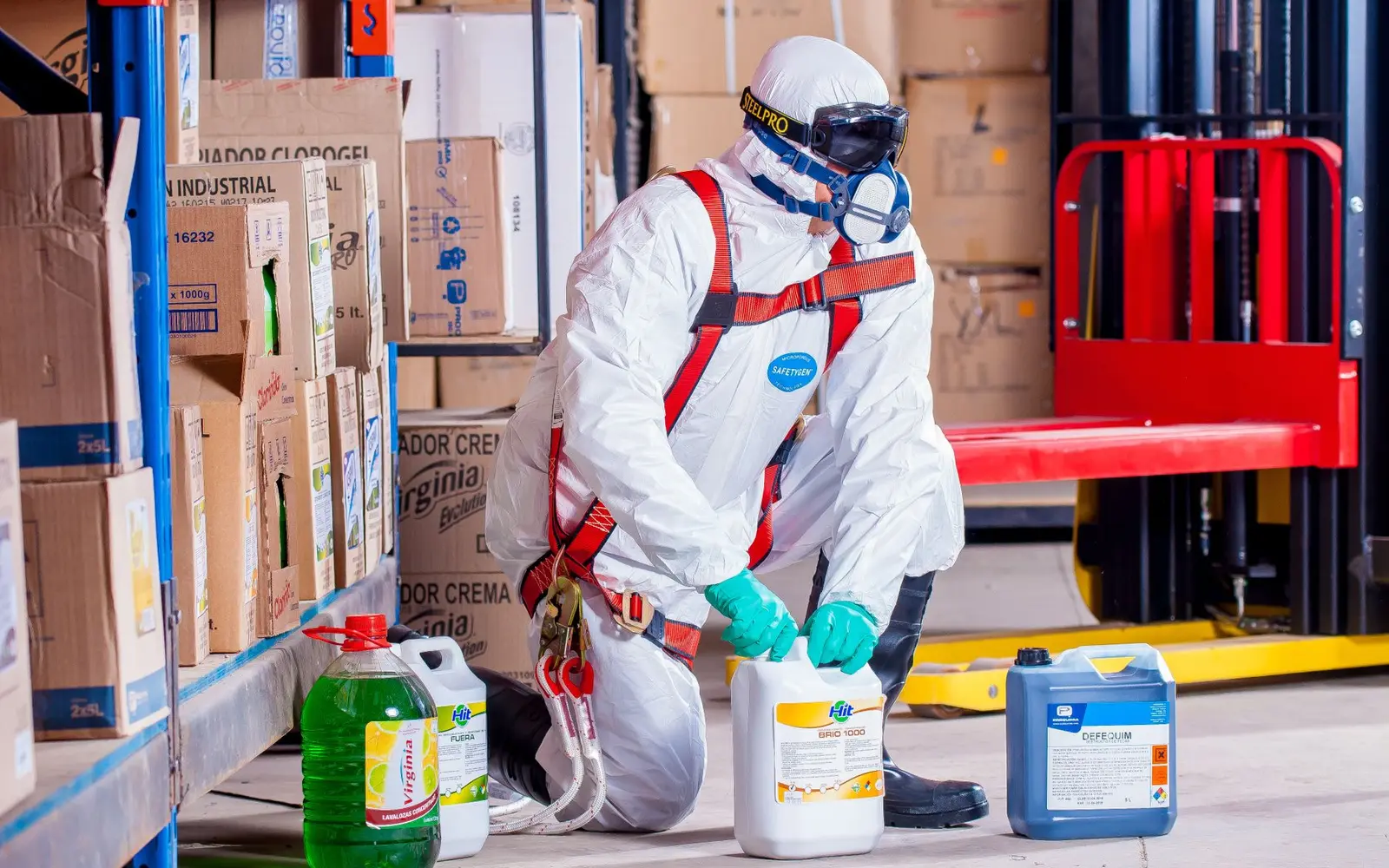
Warehouses and factories in Al Khalidiyah Jeddah
Al Khalidiyah is a villa and gated compound district with large private plots and open gardens. Its warehouses sit distant from dense residential pressure, but the gardens and open ground around them provide steady rodent habitat and create direct entry routes from the soil itself.
-
Targeted, not broadcast
Product goes into cracks and runways, never sprayed across open surfaces.
-
Told before we start
What we will use, where it goes, and what to cover or move before we arrive.
-
A follow-up visit
We return after the first treatment, because what survives it does not show on the day.
-
Homes and businesses
Apartments and villas, and kitchens and stores that need a record of each visit.
Why they keep coming back in Al Khalidiyah
Rodent activity here exceeds cockroach pressure. They enter from gardens and open ground, and pressure intensifies in autumn and winter months. The method is set out in full on the full Warehouses and factories page.
Gardens and open ground around the warehouse
Large villas and walled compounds have landscaped gardens and open space surrounding storage buildings. Rodents inhabit these areas readily, so external boundary protection before internal warehouse work is essential.
Soft soil and tunnelling beneath foundations
Soil here is light and allows rodents to dig runs beneath building foundations. External traps focus on the foundation perimeter and likely subsurface entry routes, not only on doors and visible gaps.
Seasonal pressure from neighbouring compounds and vacant land
Adjacent compounds and empty plots within the district provide rodent habitat. Seasonal migration increases pressure in autumn and winter, so monitoring intensifies during these periods with higher trap reading frequency.
Al Khalidiyah on the map
Al Khalidiyah sits about 2.5 km from Al Rawdah and about 3.5 km from Al Zahra.
Open in Google MapsWhat the first walk through the building reads
Large villa plots and walled compounds have landscaped gardens and green areas surrounding storage buildings, and soft soil allows rodents to tunnel easily beneath boundary walls from outside.

The shutter line
The warehouse door opens onto a garden or open ground, so rodents approach the door easily from landscaped areas. Traps focus on the door line from both outside and inside.
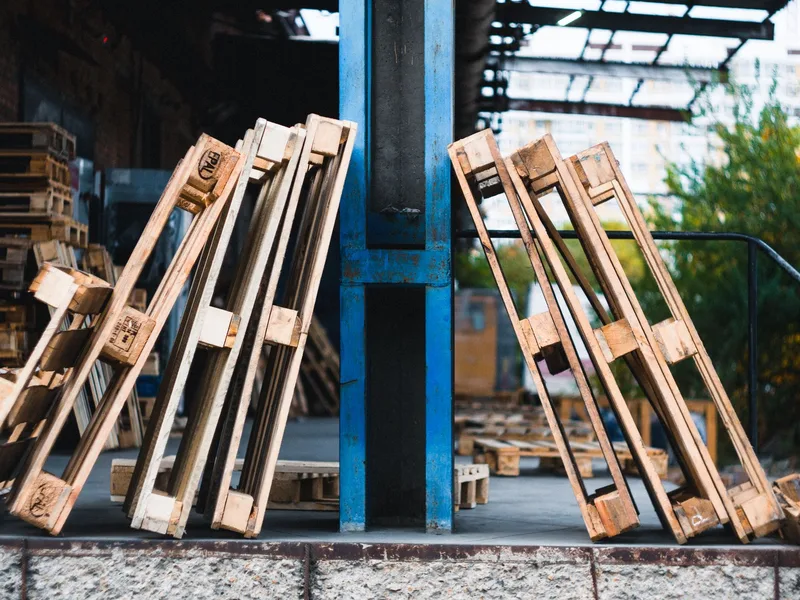
What comes in on the pallet
Incoming goods from suppliers may carry hidden young rodents, especially in cardboard, bedding and upholstered items. Inspection at goods-in before stacking is essential.
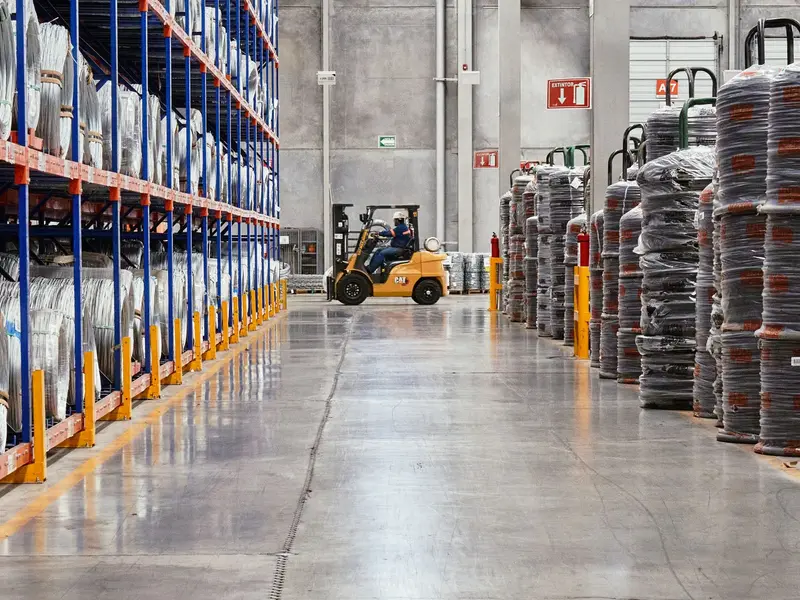
The strip along the wall
Exterior warehouse walls adjacent to gardens or planted areas attract rodent activity. External monitoring with traps is essential, and overgrown plants and debris near walls must be cleared.
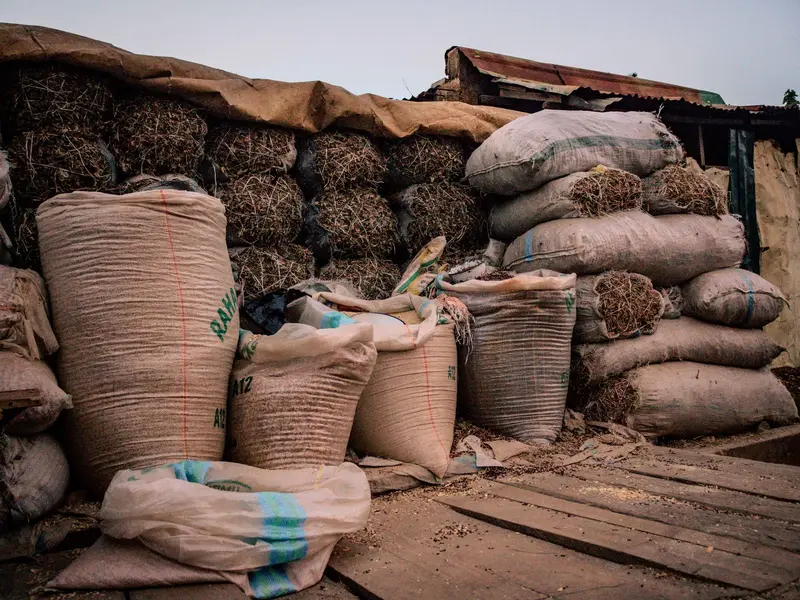
Spillage under the racking
The floor may have small gaps or cracks from soil drying or minor movement, and rodents recognise these pathways. Traps cover every corner and shadow where the floor meets the perimeter wall.
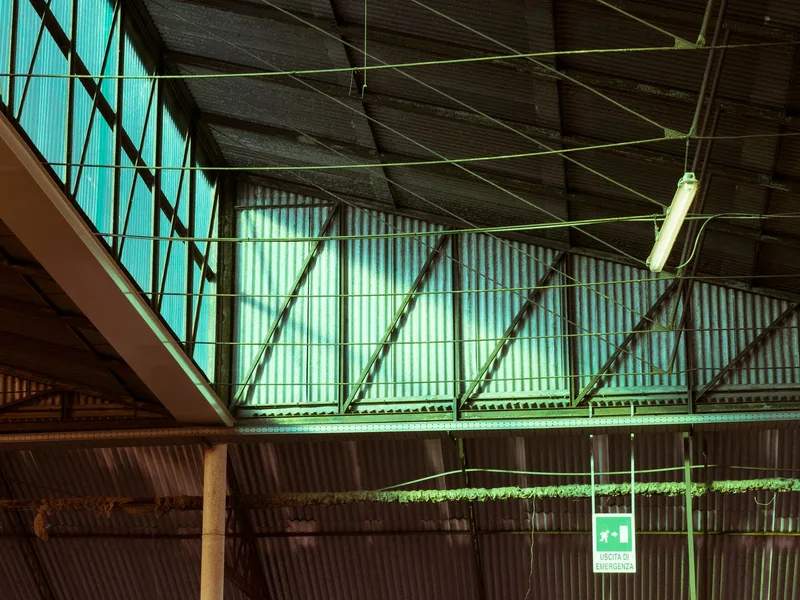
The roof and the openings above
Roof and upper openings are less critical here, but ventilation pipes and roof access points are inspected to ensure rodents cannot enter from above via the compound's higher structures.
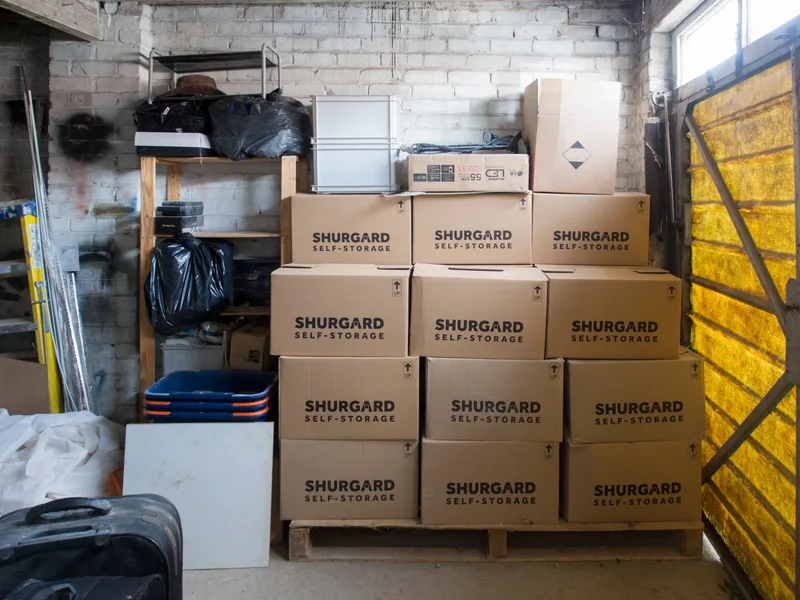
Stock that does not move
Long-term stored stock can become rodent refuge if it is not rotated. Rapid stock turnover is important, and old or damaged cartons must be inspected and cleared regularly.
How we work
-
1
Survey the building and locate the source
We walk from the goods-in door through the racking, the production areas and the outside wall line, and establish whether the pressure is stored product pests inside the goods, rodents from the perimeter or flying insects from waste and doorways, because each of those is a different programme.
-
2
Pheromone traps and numbered points
Species-specific pheromone traps through the storage areas, and monitoring points on the external ring and along the internal walls, numbered on the racking plan. A trap treats nothing, it tells us which aisle the numbers are climbing in.
-
3
Targeted treatment and isolating the consignment
Spillage is lifted first, then empty racking, wall and floor junctions and voids are treated, and nothing is placed over open stock or a running line. A consignment showing activity is isolated where it stands rather than carried through the building.
-
4
Sealing, then the scheduled visits
We close door gaps, openings and pipe entries, then come back on an agreed schedule: the same traps and points are read each time, and a report goes over what was found, what was treated and what the building still needs closed.
What warehouse pest control includes
-

Site survey and racking plan
A walk from the goods-in door to the last aisle, and a plan with every monitoring position numbered before anything is installed.
-

Pheromone traps and numbered points
Species-specific traps through the storage areas and points along the perimeter line, read and logged on every visit.
-

Targeted treatment of racking and junctions
On empty racking, wall and floor junctions and voids, never over open stock or a running line.
-

Drains, waste and the perimeter
Floor gullies, the container area and the outside wall line, because that is the source which renews itself.
-

Proofing and building findings
Shutter gaps, brush seals and mesh over openings, with a list of what the site needs to repair.
-

Scheduled visits and a report each time
Agreed dates set by the pressure on the site, the same traps read again, and a report that records every visit.
Landmarks of Al Khalidiyah
The warehouse may sit close to King Abdulaziz Road or within a compound accessed via Al Khalidiyah Street through gated entrances. Access for monitoring is arranged through compound management, and surveillance focuses on the external perimeter before reaching the warehouse door itself.
- King Abdulaziz Road
- Souq Al Khalidiyah
- Al Khalidiyah Street
- Saud Al Faisal Road
- Al Ruwaished Mosque
Questions about this district
The warehouse sits inside a walled compound. Do we need external protection outside the walls?
Yes. Rodents tunnel readily beneath boundary walls and enter from landscaped gardens. Traps are placed outside the compound perimeter and around the warehouse foundation itself to intercept them before they reach doors.
The garden around the warehouse has trees and shrubs. Does that attract rodents?
Yes, trees and shrubs provide food and shelter for rodents. We monitor them with traps and recommend reducing dense vegetation planted immediately against warehouse walls.
We found a small hole beside the warehouse door on the outside. Is that from rodents?
Likely yes. Rodents dig tunnels searching for entry points. We inspect the hole, clear it, place traps inside and outside the door, and seal the opening with cement or a barrier.
How often are external traps read around the compound perimeter in winter?
Weekly or fortnightly in winter because pressure is higher. Reading frequency drops to once weekly in summer if activity is low. Winter reads increase when autumn migration is observed.
Stock stored outside in the sun needs additional protection?
Outdoor uncovered stock attracts rodents and insects readily. It is better stored near or inside the sealed warehouse. Traps must surround any outdoor storage that cannot be moved indoors.
We found rodent droppings near the back door. Is there a nest inside the warehouse already?
Droppings near the back door may be from a rodent attempting entry but not yet successful. Increase surveillance at all doors, windows and foundation gaps. If droppings continue to appear, a nest search inside becomes necessary.
How much does warehouses and factories in Al Khalidiyah cost?
It is set after the inspection, because the price follows the type of infestation, the size of the space, how far it has spread and the number of visits it needs. Send a photo and a description on WhatsApp and we will give you an estimate before we reach Al Khalidiyah.
Nearby districts we cover
Other services in Al Khalidiyah
Other services we provide to residents of Al Khalidiyah.
-
 Residential
Cockroach control
Residential
Cockroach control
-
 Residential
Bed bug control
Residential
Bed bug control
-
 Residential
Termite control
Residential
Termite control
-
 Residential
Rodents and mice
Residential
Rodents and mice
-
 Residential
Mosquito control
Residential
Mosquito control
-
 Residential
Fly control
Residential
Fly control
-
 Residential
Ant control
Residential
Ant control
-
 Residential
Gecko control
Residential
Gecko control
-
 Residential
Scorpion control
Residential
Scorpion control
-
 Residential
Snake control
Residential
Snake control
-
 Residential
Flea control
Residential
Flea control
-
 Residential
Bird and pigeon control
Residential
Bird and pigeon control
-
 Residential
Preventive treatment
Residential
Preventive treatment
-
 Residential
Disinfection
Residential
Disinfection
-
 Commercial
Annual contracts
Commercial
Annual contracts
-
 Commercial
Restaurants and cafes
Commercial
Restaurants and cafes
-
 Commercial
Hotels and apartments
Commercial
Hotels and apartments
-
 Commercial
Schools and nurseries
Commercial
Schools and nurseries
-
 Commercial
Retail and malls
Commercial
Retail and malls
-
 Commercial
Rest houses and farms
Commercial
Rest houses and farms
-
 Commercial
Fumigation
Commercial
Fumigation
-
 Water tanks
Water tank cleaning
Water tanks
Water tank cleaning
-
 Water tanks
Water tank sterilization
Water tanks
Water tank sterilization
-
 Water tanks
Water tank sealing
Water tanks
Water tank sealing
-
 Water tanks
Tank leak repair
Water tanks
Tank leak repair
Need warehouses and factories in Al Khalidiyah? Tell us what you saw and we will tell you what it needs
We reach Al Khalidiyah at a time we agree, and you get the full cost before we start.