
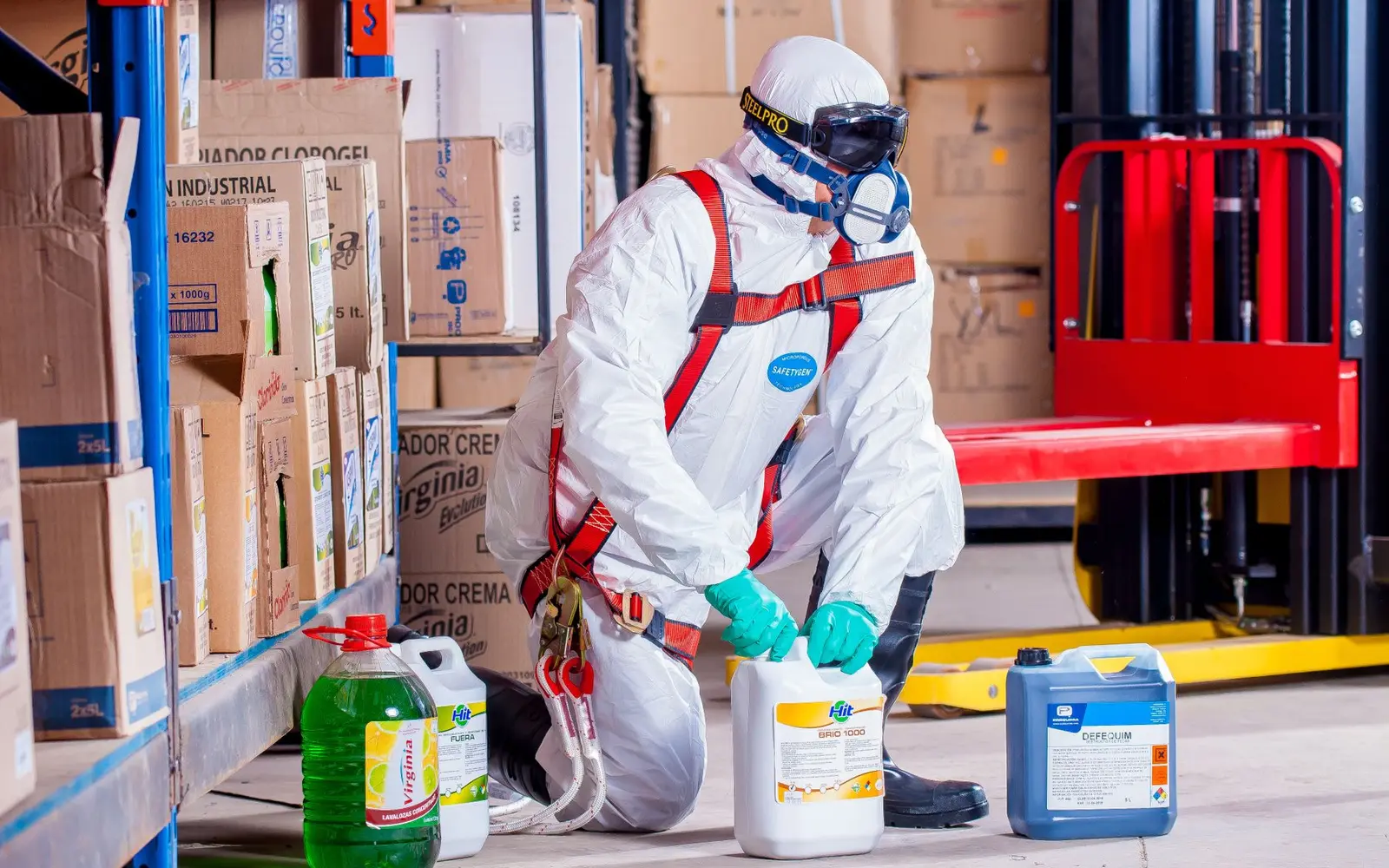
Warehouses and factories in Al Marwah Jeddah
Al Marwah is a comparatively recent district in northern Jeddah between Prince Majid Road and Al Nuzhah Road, with villas, shops and newer apartment buildings. The warehouses here occupy buildings that stack shopfronts on the street level, storage at mid-level and homes above, all under one roof. This mixed-use stacking means insects that enter the street-facing shop climb directly into the adjacent warehouse and then upward into the residential flats above.
-
Targeted, not broadcast
Product goes into cracks and runways, never sprayed across open surfaces.
-
Told before we start
What we will use, where it goes, and what to cover or move before we arrive.
-
A follow-up visit
We return after the first treatment, because what survives it does not show on the day.
-
Homes and businesses
Apartments and villas, and kitchens and stores that need a record of each visit.
Why they keep coming back in Al Marwah
The buildings are new but the mixed-use stacking brings shops, warehouses and homes into the same structure, so insects entering the retail shop from the street reach the warehouse and flats with no barrier. The method is set out in full on the full Warehouses and factories page.
Street-level retail shops feed pests directly upward
The shopfront operates on the street with dozens of daily customer visits and hundreds of door openings. Insects enter with people and deliveries, then ascend directly into the adjoining warehouse through shared passages or through gaps in dividing walls that were never designed to be pest barriers.
Shared openings between shop and warehouse are permeable
Modern design may connect shop and warehouse through a single door or a shared service passage. This permits unobstructed insect movement from the open shop into the rear warehouse, especially during late evening and early morning hours when boundaries are unmonitored.
Warm air from cooling systems draws insects upward
Modern warehouses run air conditioning and the residential units above stay heated. Insects track warm and humid air currents from shared passages, utility penetrations and ducting upward into warehouse and flat, converging on temperature-stable zones.
Al Marwah on the map
Al Marwah sits about 3 km from Al Rabwah and about 4 km from Al Safa.
Open in Google MapsWhat the first walk through the building reads
A comparatively modern district in northern Jeddah with a mix of new villas, apartment buildings and ground-floor retail, bordered by Al Safa and Al Rabwah districts.

The shutter line
The roller shutter entrance to the warehouse opens directly onto the passage that adjoins the retail shop, and insects entering the shop from street level climb readily toward the warehouse roller door.

What comes in on the pallet
Goods incoming to the warehouse pass through the shop or adjoining passage and carry insects from the street or from their original retail sales points in multiple markets.
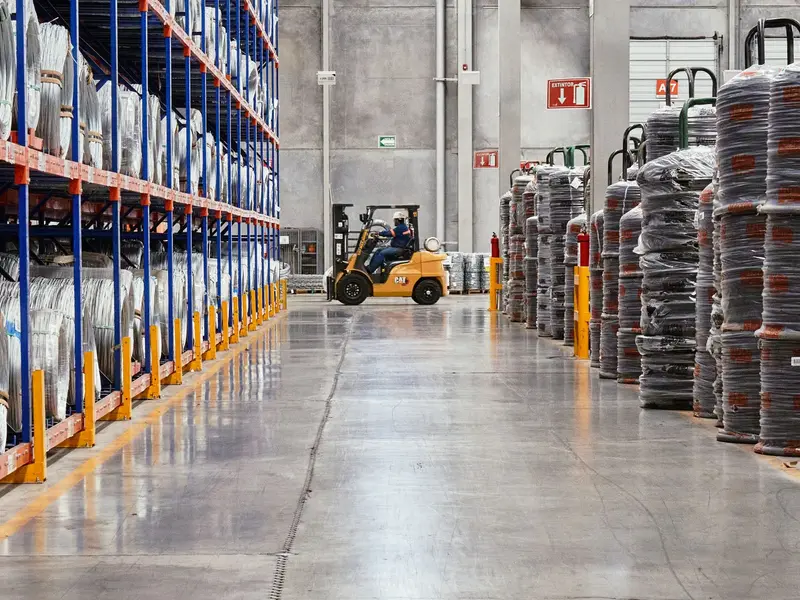
The strip along the wall
Racking and stored goods sit very close to shared walls between warehouse, shop and residential flat, and insects penetrate through fine cracks and gaps in dividing walls and their plasterwork.
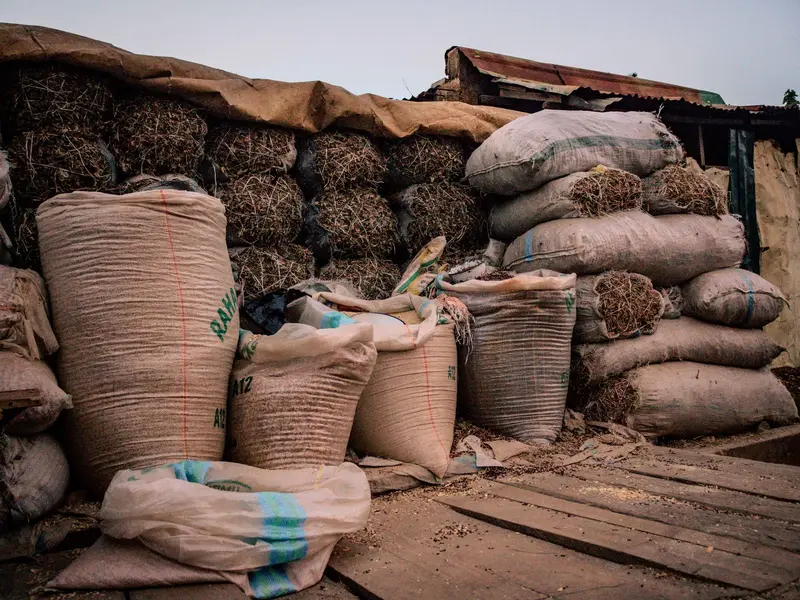
Spillage under the racking
Spillage beneath warehouse shelves includes packaged goods and loose wrapping that attracts insects and roaches, especially if food scraps or organic matter fall through gaps from the shop or flat above.
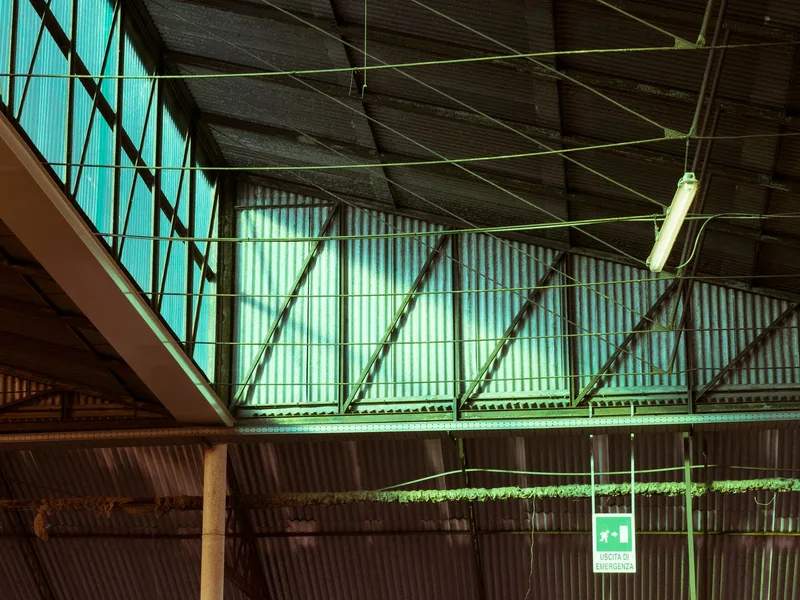
The roof and the openings above
Upper openings, air conditioning ducting and utility runs connect the warehouse to the shop below and flat above, and insects and rodents use these ducts as vertical highways between floors and between buildings.
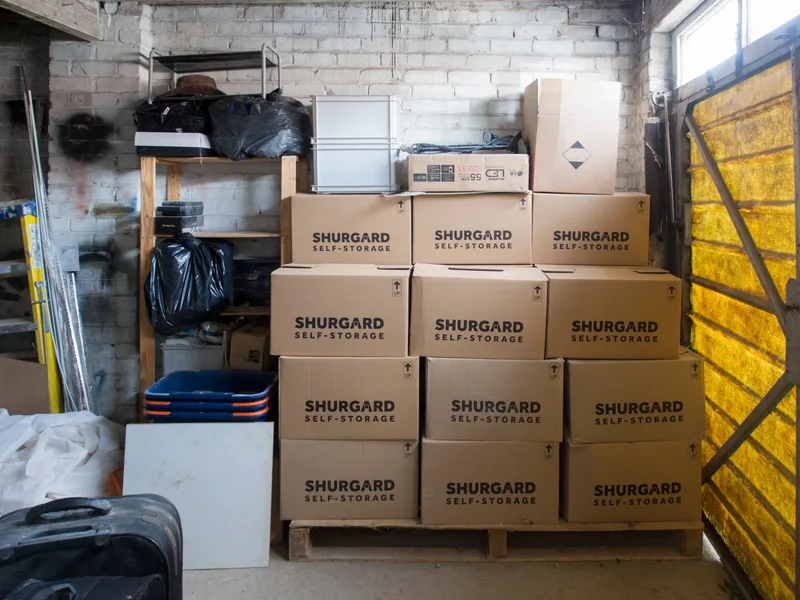
Stock that does not move
Slow-moving stock in warehouse corners sits against shared walls with the shop and flat, becoming a refuge for insects fleeing treatment in the retail space or residential units above.
How we work
-
1
Survey the building and locate the source
We walk from the goods-in door through the racking, the production areas and the outside wall line, and establish whether the pressure is stored product pests inside the goods, rodents from the perimeter or flying insects from waste and doorways, because each of those is a different programme.
-
2
Pheromone traps and numbered points
Species-specific pheromone traps through the storage areas, and monitoring points on the external ring and along the internal walls, numbered on the racking plan. A trap treats nothing, it tells us which aisle the numbers are climbing in.
-
3
Targeted treatment and isolating the consignment
Spillage is lifted first, then empty racking, wall and floor junctions and voids are treated, and nothing is placed over open stock or a running line. A consignment showing activity is isolated where it stands rather than carried through the building.
-
4
Sealing, then the scheduled visits
We close door gaps, openings and pipe entries, then come back on an agreed schedule: the same traps and points are read each time, and a report goes over what was found, what was treated and what the building still needs closed.
What warehouse pest control includes
-

Site survey and racking plan
A walk from the goods-in door to the last aisle, and a plan with every monitoring position numbered before anything is installed.
-

Pheromone traps and numbered points
Species-specific traps through the storage areas and points along the perimeter line, read and logged on every visit.
-

Targeted treatment of racking and junctions
On empty racking, wall and floor junctions and voids, never over open stock or a running line.
-

Drains, waste and the perimeter
Floor gullies, the container area and the outside wall line, because that is the source which renews itself.
-

Proofing and building findings
Shutter gaps, brush seals and mesh over openings, with a list of what the site needs to repair.
-

Scheduled visits and a report each time
Agreed dates set by the pressure on the site, the same traps read again, and a report that records every visit.
Landmarks of Al Marwah
Warehouses in Al Marwah spread across the strip between Prince Majid Road and Al Nuzhah Road, with Prince Majid Park and its surroundings providing clear landmarks for locating buildings and directing inspections. Regular monitoring cycles originate from these reference points and trace pest movement between adjoining shops and warehouse units across the district.
- Prince Majid Road
- Al Nuzhah Road
- Prince Majid Park
- Uthman ibn Affan Mosque
- Al Marwah Health Centre
Questions about this district
Does the retail shop directly below the warehouse provide a continuous pest source?
Absolutely. The shop stands on the street and doors open hundreds of times daily. Insects enter with foot traffic and stock deliveries directly from the street and traffic, then move into the warehouse through shared passages and structural gaps.
Do the warehouse and ground-floor shop need a unified or separate protection plan?
Unified but with different standards. The shop needs visible, customer-safe protection. The warehouse requires stronger treatment. We link trap stations across boundaries to intercept insects before they climb into storage areas.
Can the residential flat above the warehouse send pests down into storage?
Certainly. Flat dwellers bring food and may keep pets, both pest sources. Insects and rodents descend through shared drainage stacks, utility penetrations and ducting openings toward the warehouse below.
Does warm air from air conditioning systems actually attract insects into the warehouse?
Yes. Insects track warm, humid air currents. We inspect cooling outlet positions, ducting junctions and shared penetrations carefully and schedule filter cleaning to prevent blockages that concentrate insect attraction points.
New district means new buildings, so should pest pressure be lower here?
No. New construction may be well-sealed but mixed-use stacking creates entirely new pathways. Shared passages and utility routes between different occupancy types form direct pest corridors.
What should the Al Marwah warehouse report emphasise about mixed-use pressure?
We explain that the issue is not building quality but design that stacks retail, warehouse and residence in one structure. We focus reporting on monitoring at shared openings, passage junctions and utility penetrations where insects naturally converge.
How much does warehouses and factories in Al Marwah cost?
It is set after the inspection, because the price follows the type of infestation, the size of the space, how far it has spread and the number of visits it needs. Send a photo and a description on WhatsApp and we will give you an estimate before we reach Al Marwah.
Other services in Al Marwah
Other services we provide to residents of Al Marwah.
-
 Residential
Cockroach control
Residential
Cockroach control
-
 Residential
Bed bug control
Residential
Bed bug control
-
 Residential
Termite control
Residential
Termite control
-
 Residential
Rodents and mice
Residential
Rodents and mice
-
 Residential
Mosquito control
Residential
Mosquito control
-
 Residential
Fly control
Residential
Fly control
-
 Residential
Ant control
Residential
Ant control
-
 Residential
Gecko control
Residential
Gecko control
-
 Residential
Scorpion control
Residential
Scorpion control
-
 Residential
Snake control
Residential
Snake control
-
 Residential
Flea control
Residential
Flea control
-
 Residential
Bird and pigeon control
Residential
Bird and pigeon control
-
 Residential
Preventive treatment
Residential
Preventive treatment
-
 Residential
Disinfection
Residential
Disinfection
-
 Commercial
Annual contracts
Commercial
Annual contracts
-
 Commercial
Restaurants and cafes
Commercial
Restaurants and cafes
-
 Commercial
Hotels and apartments
Commercial
Hotels and apartments
-
 Commercial
Schools and nurseries
Commercial
Schools and nurseries
-
 Commercial
Retail and malls
Commercial
Retail and malls
-
 Commercial
Rest houses and farms
Commercial
Rest houses and farms
-
 Commercial
Fumigation
Commercial
Fumigation
-
 Water tanks
Water tank cleaning
Water tanks
Water tank cleaning
-
 Water tanks
Water tank sterilization
Water tanks
Water tank sterilization
-
 Water tanks
Water tank sealing
Water tanks
Water tank sealing
-
 Water tanks
Tank leak repair
Water tanks
Tank leak repair
Need warehouses and factories in Al Marwah? Tell us what you saw and we will tell you what it needs
We reach Al Marwah at a time we agree, and you get the full cost before we start.