
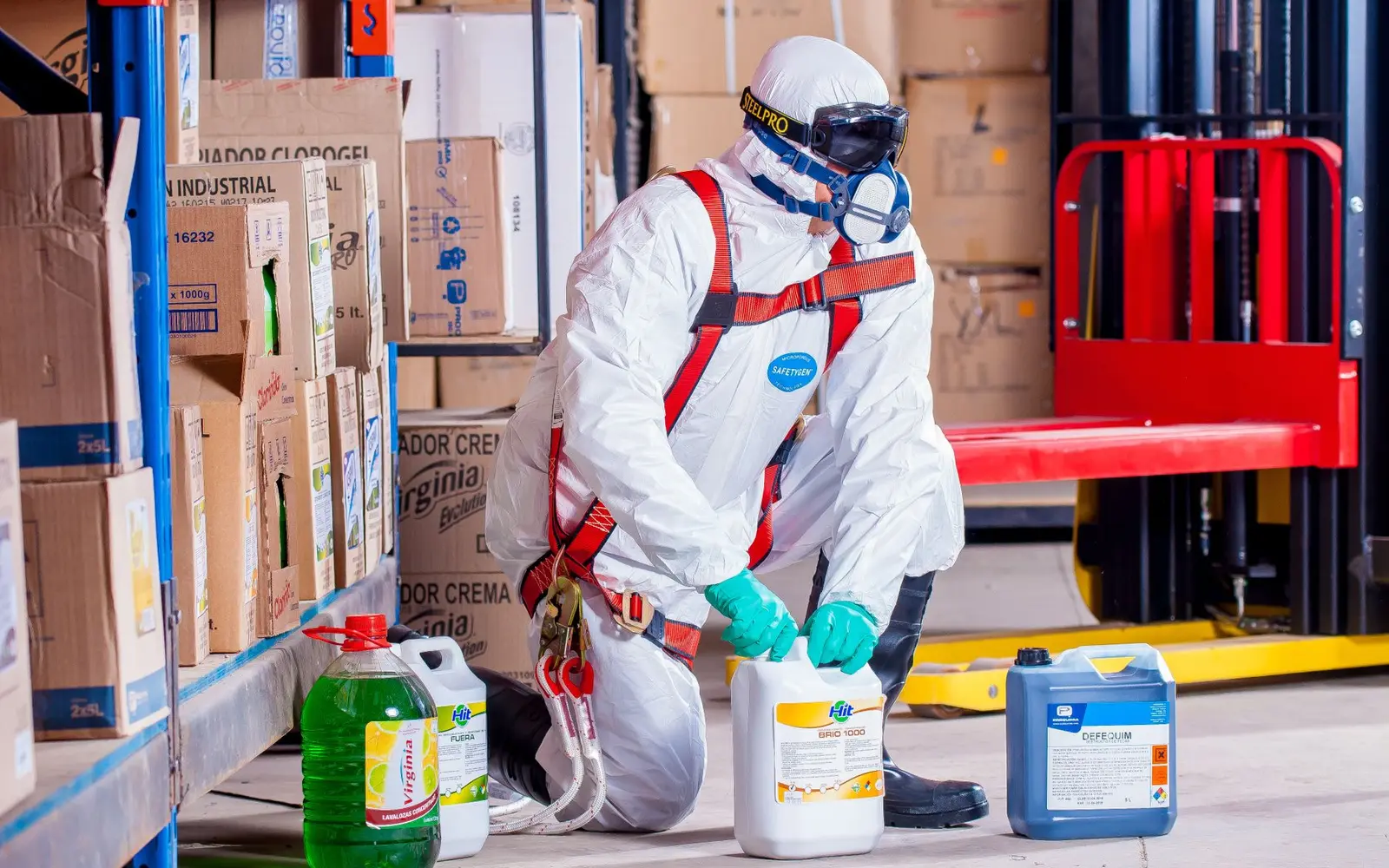
Warehouses and factories in Al Sulaymaniyah Jeddah
Al Sulaymaniyah is a comparatively new residential district, but the distribution warehouses here receive shipments from factories and ports every day. Their position on King Abdullah Road means continuous effort to stop pests reaching the residential buildings immediately next door.
-
Targeted, not broadcast
Product goes into cracks and runways, never sprayed across open surfaces.
-
Told before we start
What we will use, where it goes, and what to cover or move before we arrive.
-
A follow-up visit
We return after the first treatment, because what survives it does not show on the day.
-
Homes and businesses
Apartments and villas, and kitchens and stores that need a record of each visit.
Why they keep coming back in Al Sulaymaniyah
Distribution warehouses here are pressed against residential blocks, and trucks unload in tight yards with families and children living metres away on the other side of the wall. The method is set out in full on our Warehouses and factories service.
Large warehouse directly beside residential housing
The distribution warehouses in Al Sulaymaniyah are spacious and receive heavy goods in bulk. Their proximity to apartment blocks means any warehouse infestation spreads rapidly into homes through shared walls and utility gaps. Wall-to-wall monitoring is essential here.
Tight exterior yards with intense vehicle traffic
Trucks queue in narrow yards between warehouses and homes. The ground stays wet from air conditioning drainage and washing water, which draws insects seeking damp refuges. The congestion means pests find transport into the residential zone easily.
Goods from multiple sources mean varied pest types
Distribution warehouses receive from more than one supplier, so infestation may arrive with furniture, textiles, or food products. Each category attracts different pests and demands separate monitoring density and treatment timing.
Al Sulaymaniyah on the map
Al Sulaymaniyah sits about 3.5 km from Al Jamiah and about 3.5 km from Al Fayha.
Open in Google MapsWhat the first walk through the building reads
A residential district along King Abdullah Road between modern apartment blocks and villas, with large commercial distribution warehouses set directly adjacent to family housing, and the railway station brings high traffic intensity.
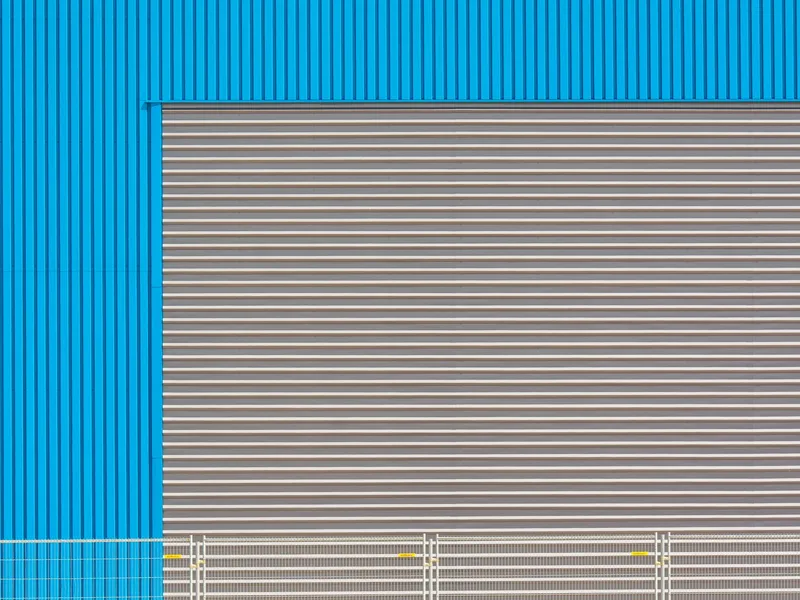
The shutter line
The unloading shutter of the distribution warehouse opens onto a tight yard hemmed between the warehouse and residential blocks, so the pheromone trap here must intercept everything attempting entry from outside circulation.
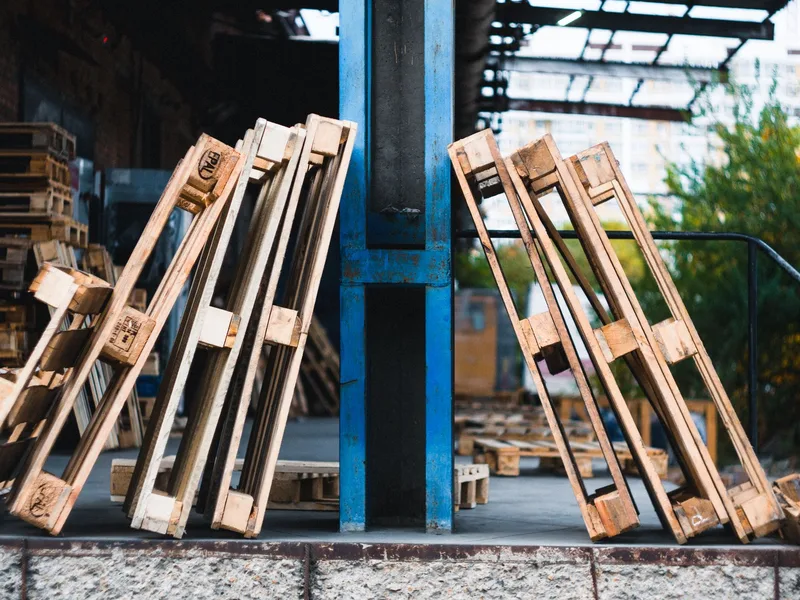
What comes in on the pallet
Pallets arrive stacked from rooftops and factories, and our first reading determines whether infestation came with the shipment or entered the warehouse from the exterior yard environment.
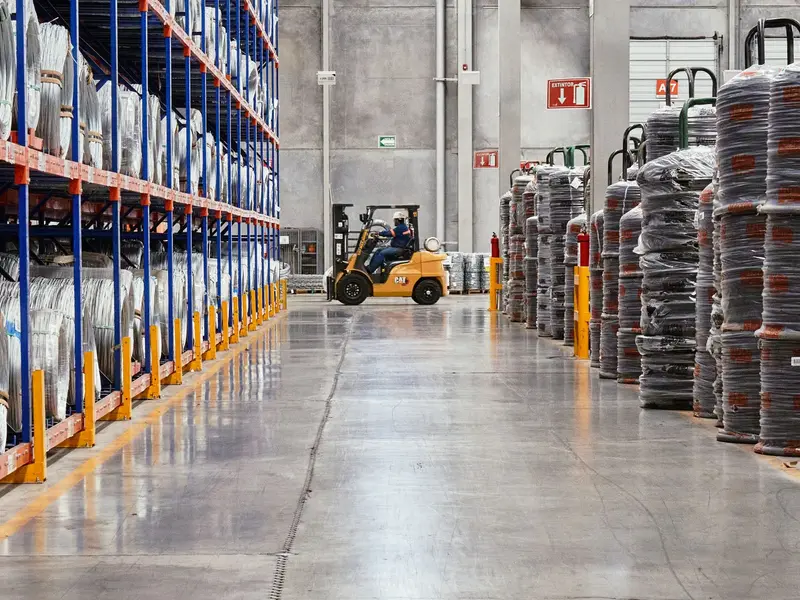
The strip along the wall
The wall strip between warehouse and apartments is sensitive territory because walls are shared and may allow pest movement through old cracks and utility penetrations. We focus on sealing every gap and entry point there.
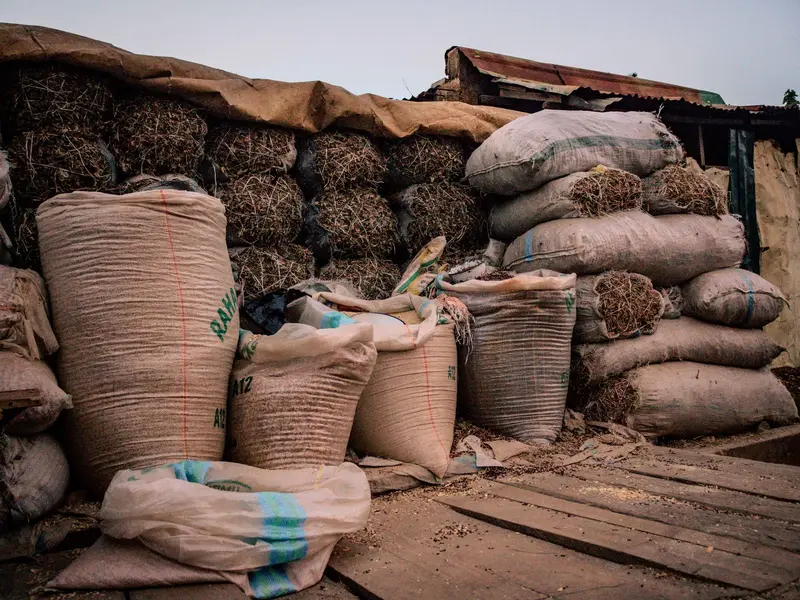
Spillage under the racking
Spillage under racking here results from broken pallets or leaked cartons being stacked, creating damp zones that attract insects. We focus on drying and cleaning those areas to remove standing food waste.
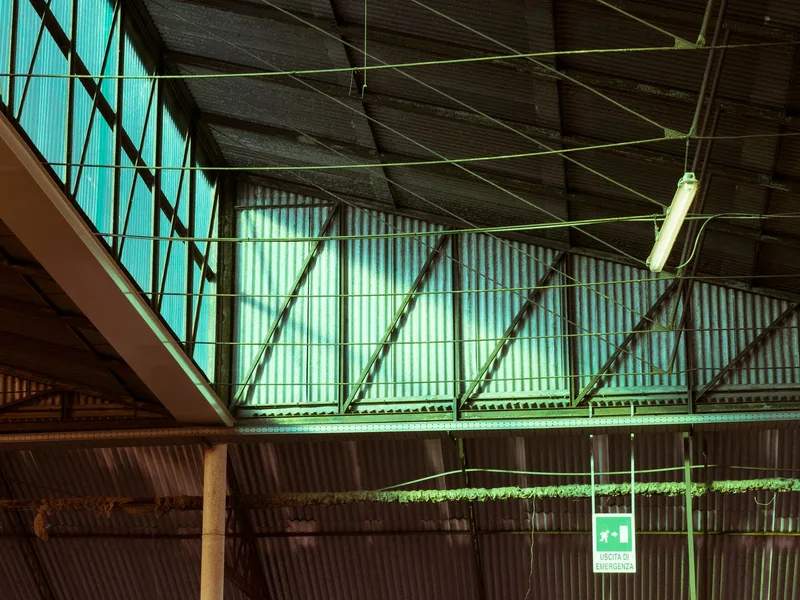
The roof and the openings above
The roof and upper openings matter greatly because the warehouse shares walls with apartments above, and insects can climb through ceiling gaps and inter-storey spaces. We seal those routes first in any new programme.
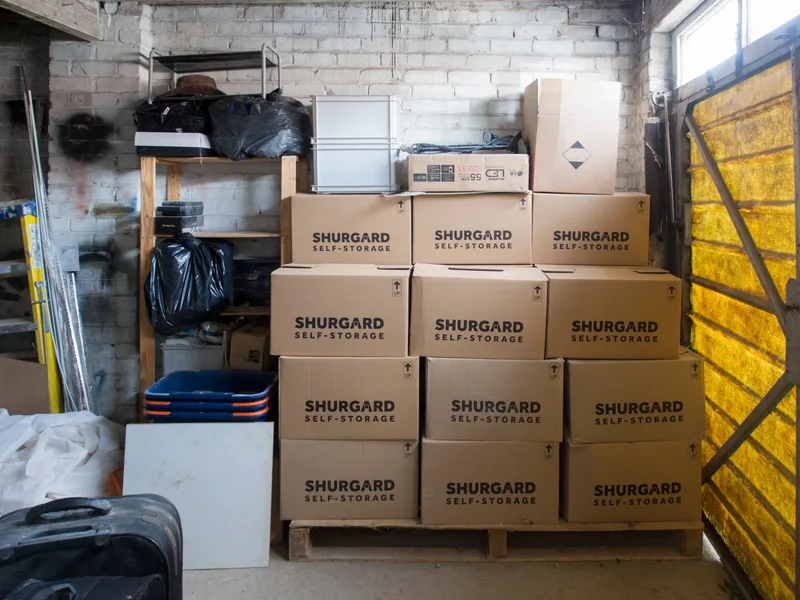
Stock that does not move
Goods left undisturbed for weeks attract fresh infestation, so we focus monitoring on quiet zones away from truck movements and staff activity, where pests nest undetected.
How we work
-
1
Survey the building and locate the source
We walk from the goods-in door through the racking, the production areas and the outside wall line, and establish whether the pressure is stored product pests inside the goods, rodents from the perimeter or flying insects from waste and doorways, because each of those is a different programme.
-
2
Pheromone traps and numbered points
Species-specific pheromone traps through the storage areas, and monitoring points on the external ring and along the internal walls, numbered on the racking plan. A trap treats nothing, it tells us which aisle the numbers are climbing in.
-
3
Targeted treatment and isolating the consignment
Spillage is lifted first, then empty racking, wall and floor junctions and voids are treated, and nothing is placed over open stock or a running line. A consignment showing activity is isolated where it stands rather than carried through the building.
-
4
Sealing, then the scheduled visits
We close door gaps, openings and pipe entries, then come back on an agreed schedule: the same traps and points are read each time, and a report goes over what was found, what was treated and what the building still needs closed.
What warehouse pest control includes
-

Site survey and racking plan
A walk from the goods-in door to the last aisle, and a plan with every monitoring position numbered before anything is installed.
-

Pheromone traps and numbered points
Species-specific traps through the storage areas and points along the perimeter line, read and logged on every visit.
-

Targeted treatment of racking and junctions
On empty racking, wall and floor junctions and voids, never over open stock or a running line.
-

Drains, waste and the perimeter
Floor gullies, the container area and the outside wall line, because that is the source which renews itself.
-

Proofing and building findings
Shutter gaps, brush seals and mesh over openings, with a list of what the site needs to repair.
-

Scheduled visits and a report each time
Agreed dates set by the pressure on the site, the same traps read again, and a report that records every visit.
What is different about Al Jamiah Sub-Municipality
Al Jamiah sub municipality spans the older south of Jeddah. Planned districts such as Al Fayha, Al Thaghr and Madain Al Fahd sit beside crowded popular quarters like the Nazlahs and Al Quraiyat, and beside cleared or clearing land in Ghulail, Petromin and Al Thaalibah awaiting redevelopment. Apartment buildings stand close together above dense runs of shops and restaurants along Old Makkah Road and Prince Majid Road. Drainage in the popular quarters is ageing, humid air drifts in from the port and refinery side to the west, and the flat low lying ground holds rainwater in narrow streets.
Questions about this district
The warehouse sits against apartments. Do pests reach the homes?
Yes, this is a genuine risk here. We focus on pipe runs and cable gaps and openings between warehouse and residential blocks. We install barriers, seal penetrations, and place monitoring points at every crossing where pests could migrate upwards.
How do you handle vehicles parked in the loading yard?
Parked vehicles in a damp tight yard collect pests quickly. We inspect each truck before unloading and isolate infested cartons before they enter the warehouse. An infested consignment unloaded into the yard spreads to the surrounding area.
How long does it take the warehouse to become pest free?
We do not give a fixed timeline, but our programme tracks readings every visit. If we find no activity at three consecutive inspections, the warehouse is considered clear. But preventive monitoring continues because deliveries never stop.
Some goods are moisture sensitive. Does the fog damage them?
We do not use fog in Al Sulaymaniyah warehouses because sensitive goods are at risk. We use liquid station treatments and traps only, which protect the merchandise whilst controlling pests effectively.
Does the residential community know we are treating the warehouse?
We do not announce our treatments because they pose zero risk to residents. However, we notify building management if we need access to shared utility spaces or roof areas to place barrier points.
If pests appear inside an apartment, does the warehouse programme protect it?
The warehouse programme protects homes from pests arriving from the warehouse only. If an infestation originates elsewhere, it requires separate treatment. We help you identify the source source of any apartment-level finding.
How much does warehouses and factories in Al Sulaymaniyah cost?
It is set after the inspection, because the price follows the type of infestation, the size of the space, how far it has spread and the number of visits it needs. Send a photo and a description on WhatsApp and we will give you an estimate before we reach Al Sulaymaniyah.
Nearby districts we cover
Other services in Al Sulaymaniyah
Other services we provide to residents of Al Sulaymaniyah.
-
 Residential
Cockroach control
Residential
Cockroach control
-
 Residential
Bed bug control
Residential
Bed bug control
-
 Residential
Termite control
Residential
Termite control
-
 Residential
Rodents and mice
Residential
Rodents and mice
-
 Residential
Mosquito control
Residential
Mosquito control
-
 Residential
Fly control
Residential
Fly control
-
 Residential
Ant control
Residential
Ant control
-
 Residential
Gecko control
Residential
Gecko control
-
 Residential
Scorpion control
Residential
Scorpion control
-
 Residential
Snake control
Residential
Snake control
-
 Residential
Flea control
Residential
Flea control
-
 Residential
Bird and pigeon control
Residential
Bird and pigeon control
-
 Residential
Preventive treatment
Residential
Preventive treatment
-
 Residential
Disinfection
Residential
Disinfection
-
 Commercial
Annual contracts
Commercial
Annual contracts
-
 Commercial
Restaurants and cafes
Commercial
Restaurants and cafes
-
 Commercial
Hotels and apartments
Commercial
Hotels and apartments
-
 Commercial
Schools and nurseries
Commercial
Schools and nurseries
-
 Commercial
Retail and malls
Commercial
Retail and malls
-
 Commercial
Rest houses and farms
Commercial
Rest houses and farms
-
 Commercial
Fumigation
Commercial
Fumigation
-
 Water tanks
Water tank cleaning
Water tanks
Water tank cleaning
-
 Water tanks
Water tank sterilization
Water tanks
Water tank sterilization
-
 Water tanks
Water tank sealing
Water tanks
Water tank sealing
-
 Water tanks
Tank leak repair
Water tanks
Tank leak repair
Need warehouses and factories in Al Sulaymaniyah? Tell us what you saw and we will tell you what it needs
We reach Al Sulaymaniyah at a time we agree, and you get the full cost before we start.