
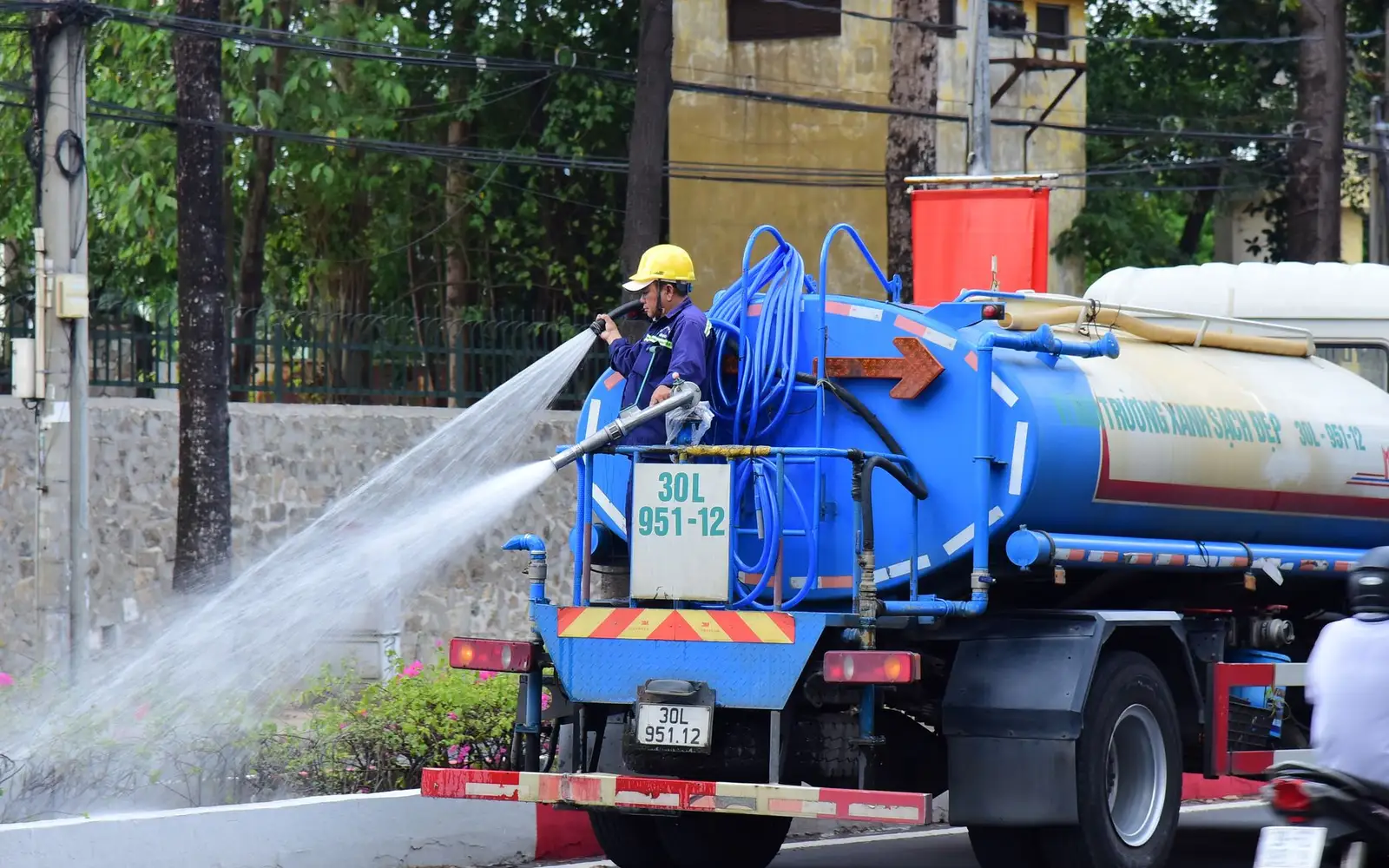
Water tank cleaning in Al Hajlah Al Jadid Makkah
Al Hajlah Al Jadid is a new scheme east of the Saudi German Hospital, south of the city, with Ibrahim Al Khalil Road cutting through it and Wadi Uranah crossing the low ground. Building is still active with foundations being dug, and tanks here fill from local groundwater sources, not a central network. Flash floods pass through.
-
Potable-rated materials
Linings and disinfectants cleared for drinking water tanks, not general-purpose products.
-
You get the downtime first
How many hours the tank is out of service, told before we start rather than after we finish.
-
A first-draw flush
We run the first draw off after refilling, and the tank is not handed back until the water runs clear.
-
Ground and roof tanks
Villas, apartment blocks and premises that need a written record of each visit.
Why the job is different in Al Hajlah Al Jadid
Tanks fill quickly from the high water table, but the incoming water carries sand and silt from active excavations and site runoff around it, so sediment loads are much heavier than in finished neighbourhoods. The method is set out in full on Water tank cleaning in detail.
Active construction sites fill tanks with debris
Building sites around tanks excavate deep foundations and pump out groundwater, so the water that fills nearby tanks carries earth and clay. Sediment here is denser and accumulates faster than in completed districts where construction has finished and dust has settled.
Groundwater carries heavier mineral loads
The scheme fills tanks from local wells and springs, not from the central water network. Groundwater has much higher concentrations of salt and minerals, so deposits form faster and corrode pipes and tank internals at an accelerated rate.
Flash floods reach tank tops after rain
Wadi Uranah runs nearby and heavy rains raise water levels high enough to reach tank lids and vents. Cleaning must manage the entry of silt-laden flood water through tank openings and the sediment it leaves behind.
The character of Al Hajlah Al Jadid
New development: ongoing construction and vacant plots between the homes
New construction means tanks may never have been properly tested or cleaned, and groundwater must be handled differently than piped supplies. The first clean often reveals problems with the tank itself that need repair before full occupancy.
The condition of the tank decides the method
The scheme sits on low ground where Wadi Uranah runs, groundwater stands high, and heavy rain collects in the depression. Construction sites pump groundwater and drainage into the area constantly during the build phase.
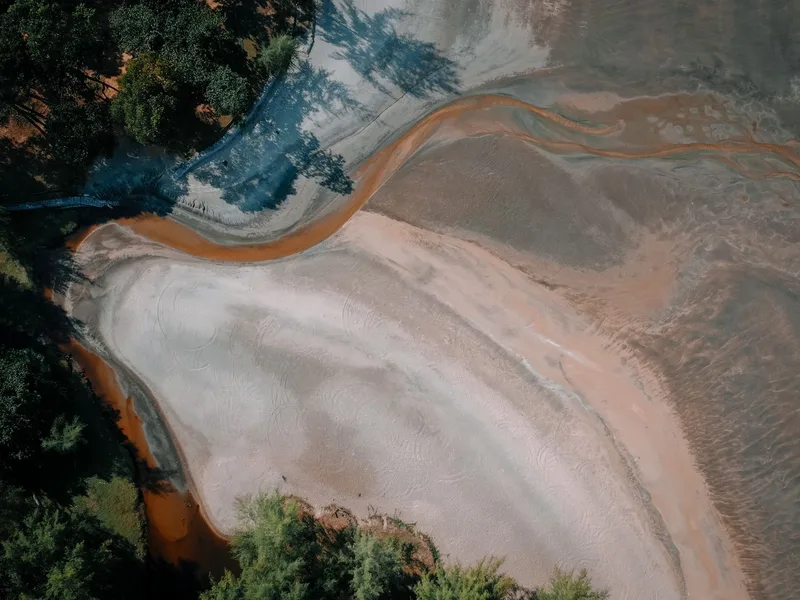
The layer on the floor
The floor layer is thick and dense because groundwater is mineral rich and carries silt, so deposits settle much faster than water from central supplies.
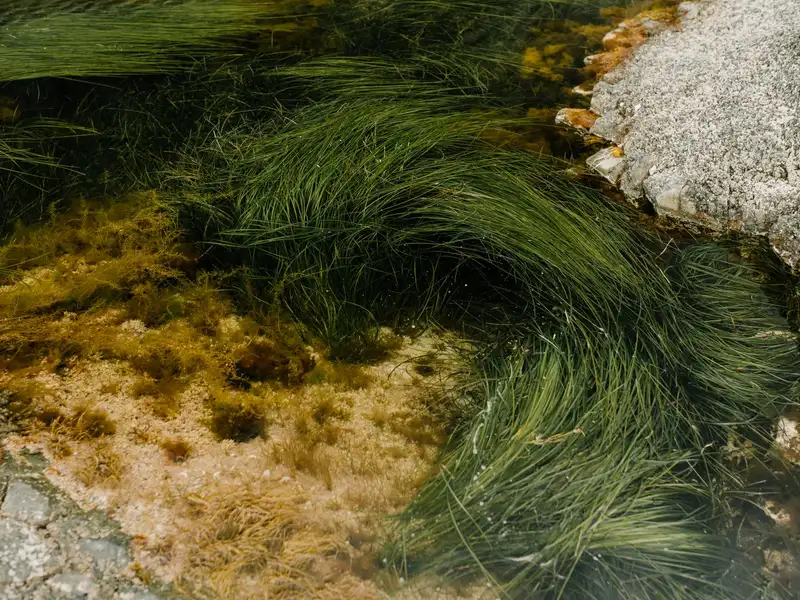
Light and algae
Algae grow rapidly in mineral-rich water because it contains nutrients, especially in tanks exposed on rooftops during the building phase when dust and organic matter enter through uncovered openings.
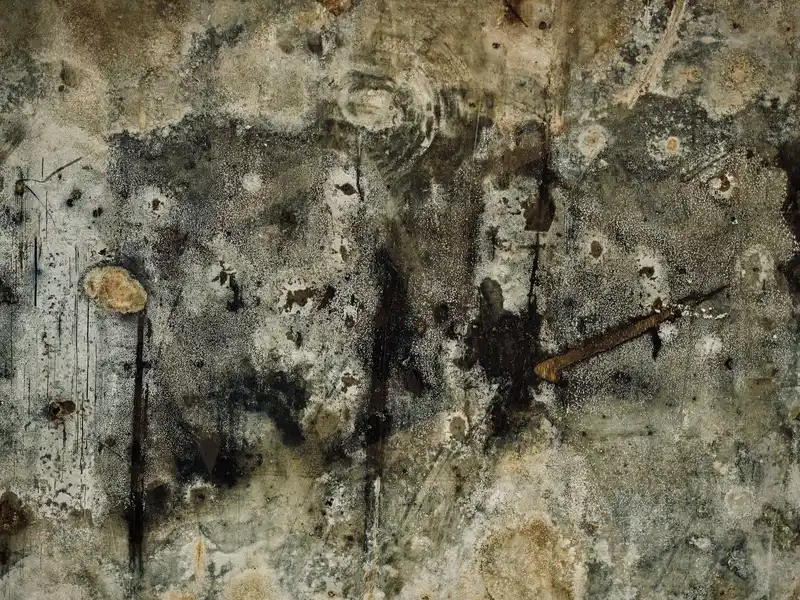
The deposit on the wall
The wall deposit is white and thick because it is mineral salts: calcium and magnesium from the groundwater precipitate quickly on every surface.
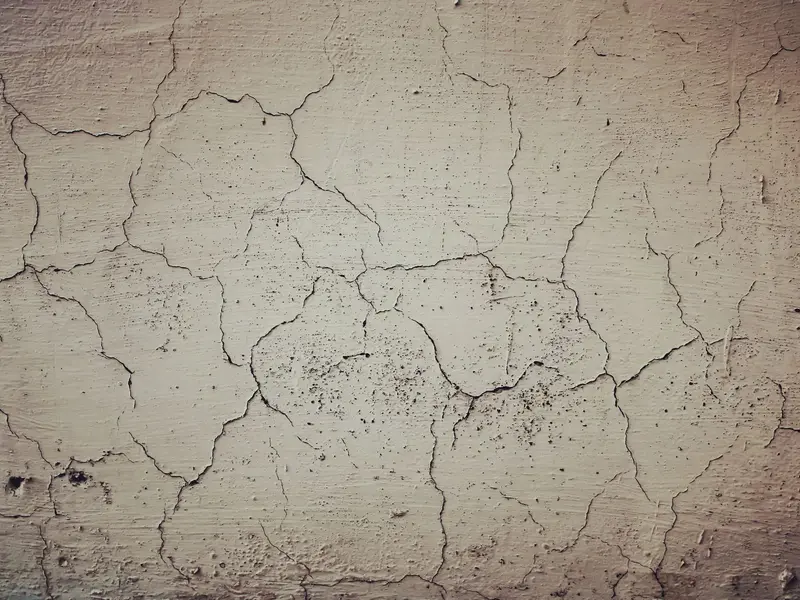
The lining and hairline cracks
Hairline cracks appear in new tanks if the water table is very high because the external humidity around the tank causes expansion and contraction cycles.
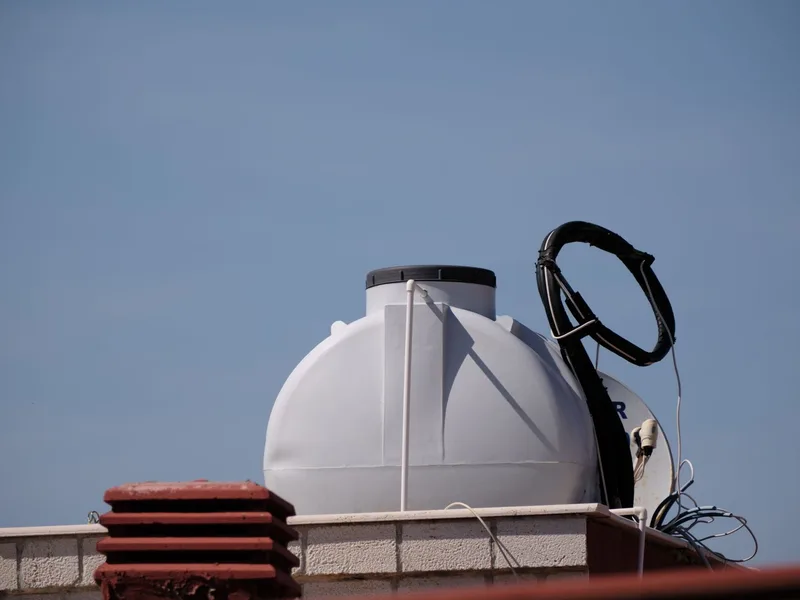
The lid and the access hatch
The lid and access hatch may not be fully tightened in new tanks still being built, so they must be cleaned with care and the seals and fasteners checked.
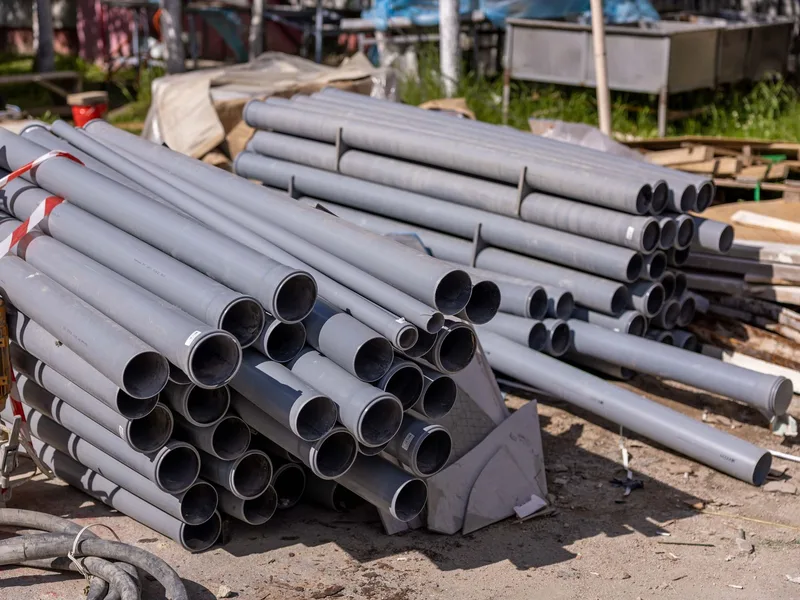
The vent and the overflow pipe
The vent is often clogged with earth and silt from nearby excavations, so it must be cleared gently during the clean to ensure proper air flow.
How we work
-
1
Inspect before the drain
Tank type and material, the condition of the lining, the depth of the sediment, the lid and the vent, and where the drained water will go. We agree the window without supply before anything is opened.
-
2
Drain, then lift the sludge
The water leaves through the outlet, then the layer beneath it is taken out by hand and by suction. That layer is the reason for the visit, not the water that ran out ahead of it.
-
3
High pressure wash
Walls, floor and the joint where they meet, with a brush wherever the film resists, then the wash water is taken out completely so nothing we lifted settles again.
-
4
Disinfect and put back in service
Disinfectant over every internal surface, left for its contact time and then rinsed out, followed by the refill, a first draw off at the taps, and a report on what was inside the tank.
What water tank cleaning includes
-

An inspection before the valve
Tank type, lining condition, depth of sediment, lid and vent, recorded before any water leaves.
-

Full drain and sediment removal
The water through the outlet, and the layer below it by hand and by suction until the floor itself is showing.
-

Pressure washing walls and floor
High pressure across the surfaces and corners, and a brush on anything water alone will not lift.
-

Disinfection after the wash
A disinfectant intended for drinking water tanks, named to you before it is used, left for its contact time and then rinsed out.
-

Refill and the first draw off
We refill, run the taps so the new water moves through the pipework, and tell you when it is ready to use.
-

A report and the next date
What was inside the tank, anything on the lid or the lining that needs repair, and a sensible date for the next clean.
What is different about South Makkah Sub-Municipality
South Makkah sub municipality is the belt of Crown Prince schemes south of Al Ukayshiyah, along the Al Laith road and the extension of Ibrahim Al Khalil Road to the Fifth Ring Road and the Non Muslims bypass. Most of it is still bare: granted plots awaiting houses, new villas standing alone, open building sites and unfinished paving and drainage. Wadi Uranah and its tributaries cross the low ground and hold water after rain, hills close it in, and rodents, reptiles and scorpions shelter in stacked materials and foundation pits before the neighbourhoods fill up.
Questions about this district
Why is the water yellow and cloudy in a brand new tank?
New tanks in this area fill from local groundwater with very high mineral concentration. Rust and sediment begin forming on the first fill, not years later. Groundwater mineralisation happens immediately.
Is the local groundwater safe to drink and use daily?
Groundwater must be tested and analysed by a specialised lab before use. The high concentration of salts and minerals may be safe or may require additional filtration, and depends on the specific depth and source of the water.
Building work is still going on near our tank. When should we have it cleaned the first time?
A first clean within weeks of the first fill is wise, once the heaviest construction sediment has settled. Then regular cleaning during building because excavation sites pump silt-laden water that rapidly loads the tank.
Are new tanks strong enough to withstand high pressure cleaning?
New tanks are strong but pipework and fittings must be inspected first. Some recently installed pipes and connections may not be fully tightened, so inspection comes before high-pressure work begins.
The tank leaks from the base after heavy rain. Is that normal?
If the leak is from the lower walls after rain only, it may be from external groundwater pressure on the tank walls. New tanks in damp soil need plumbing inspection to distinguish construction leaks from hydrostatic pressure.
Do we need cleaning twice a year in an area still under construction?
Yes, during the build phase. Cleaning every month or two is advised. After construction finishes, once or twice yearly depends on the quality of the local groundwater supply and whether flooding recurs.
How much does water tank cleaning in Al Hajlah Al Jadid cost?
It is set after the inspection, because the price follows the type of infestation, the size of the space, how far it has spread and the number of visits it needs. Send a photo and a description on WhatsApp and we will give you an estimate before we reach Al Hajlah Al Jadid.
Nearby districts we cover
Other services in Al Hajlah Al Jadid
Other services we provide to residents of Al Hajlah Al Jadid.
-
 Residential
Cockroach control
Residential
Cockroach control
-
 Residential
Bed bug control
Residential
Bed bug control
-
 Residential
Termite control
Residential
Termite control
-
 Residential
Rodents and mice
Residential
Rodents and mice
-
 Residential
Mosquito control
Residential
Mosquito control
-
 Residential
Fly control
Residential
Fly control
-
 Residential
Ant control
Residential
Ant control
-
 Residential
Gecko control
Residential
Gecko control
-
 Residential
Scorpion control
Residential
Scorpion control
-
 Residential
Snake control
Residential
Snake control
-
 Residential
Flea control
Residential
Flea control
-
 Residential
Bird and pigeon control
Residential
Bird and pigeon control
-
 Residential
Preventive treatment
Residential
Preventive treatment
-
 Residential
Disinfection
Residential
Disinfection
-
 Commercial
Annual contracts
Commercial
Annual contracts
-
 Commercial
Restaurants and cafes
Commercial
Restaurants and cafes
-
 Commercial
Hotels and apartments
Commercial
Hotels and apartments
-
 Commercial
Warehouses and factories
Commercial
Warehouses and factories
-
 Commercial
Schools and nurseries
Commercial
Schools and nurseries
-
 Commercial
Retail and malls
Commercial
Retail and malls
-
 Commercial
Rest houses and farms
Commercial
Rest houses and farms
-
 Commercial
Fumigation
Commercial
Fumigation
-
 Water tanks
Water tank sterilization
Water tanks
Water tank sterilization
-
 Water tanks
Water tank sealing
Water tanks
Water tank sealing
-
 Water tanks
Tank leak repair
Water tanks
Tank leak repair
Need water tank cleaning in Al Hajlah Al Jadid? Tell us what you saw and we will tell you what it needs
We reach Al Hajlah Al Jadid at a time we agree, and you get the full cost before we start.