
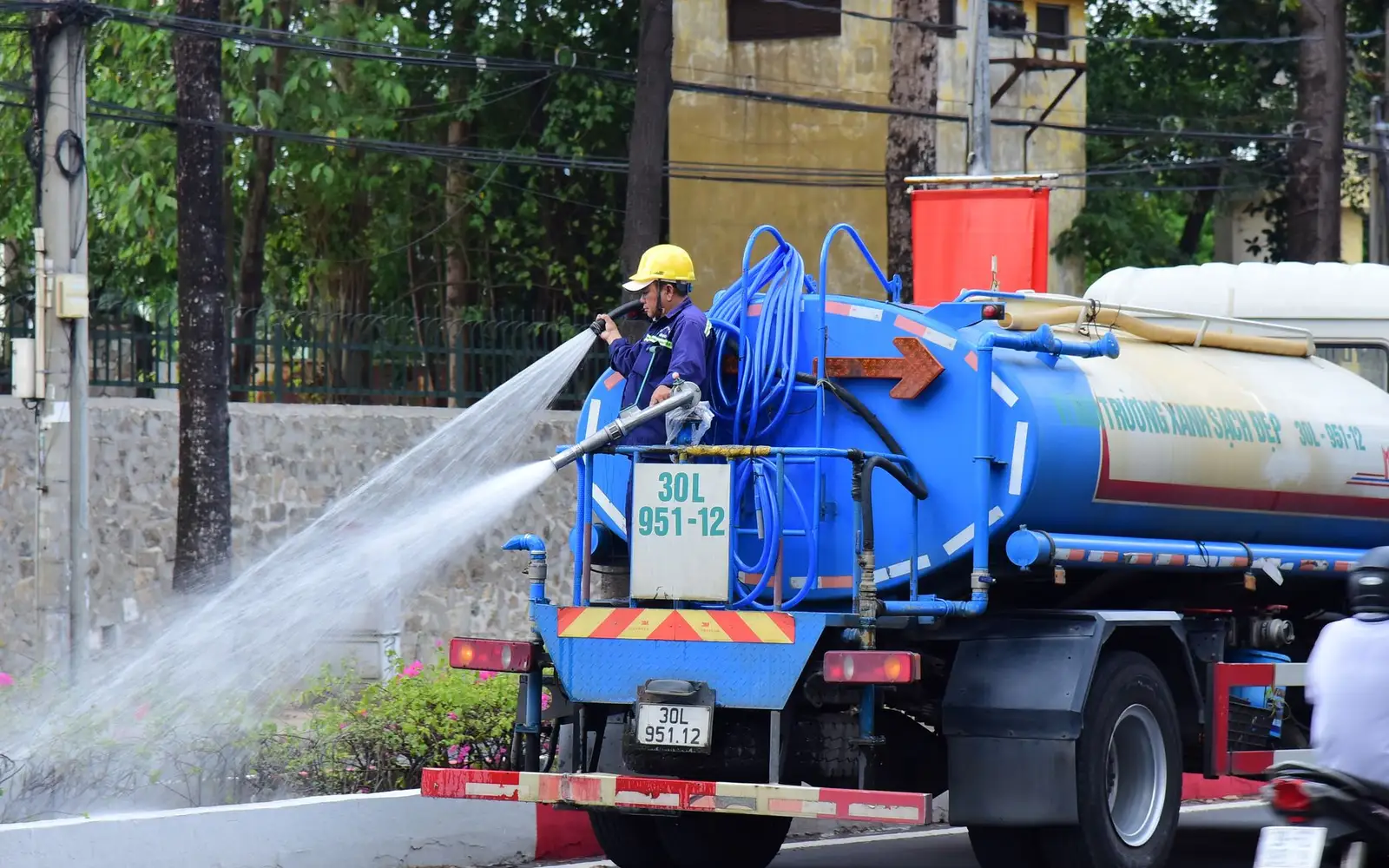
Water tank cleaning in Al Safrah Makkah
Al Safrah is a small outlying district east of Al Husayniyah on the south eastern fringe of Makkah. Open ground and scattered dwellings sit far from each other. Tanks here are isolated and water sits for long periods in long pipes. Pollution comes from wadis and flooding and seeping ground water, not from dense population.
-
Potable-rated materials
Linings and disinfectants cleared for drinking water tanks, not general-purpose products.
-
You get the downtime first
How many hours the tank is out of service, told before we start rather than after we finish.
-
A first-draw flush
We run the first draw off after refilling, and the tank is not handed back until the water runs clear.
-
Ground and roof tanks
Villas, apartment blocks and premises that need a written record of each visit.
Why the job is different in Al Safrah
Tanks here are very far apart and water sits for long periods in long pipes. The soil is damp and the water table is high, so water may seep into the tank from below. The method is set out in full on how we approach Water tank cleaning.
Nearby wadis, flooding and standing water
Wadis nearby carry water in winter and flooding may reach near tanks. Stagnant water in wadis causes high humidity and many insects around the tank.
High water table and seepage from below
Soil here is damp and ground water sits close to the surface. Water may leak from the tank bottom in wet seasons or polluted water may seep into the tank from the earth.
Long pipes and stagnant water growing anaerobic bacteria
Tanks are far apart so pipes are very long. Water sits in pipes for extended periods and anaerobic bacteria grow, producing strange smells and gases.
The character of Al Safrah
Rural area: farms, open ground and scattered homes
Rural areas mean isolated tanks and stagnant water and pollution from nature not people. Ground water, wadis, insects and rodents are the main threats, not human consumption.
The condition of the tank decides the method
A small rural area on the city edge with farms and open ground and very scattered houses, nearby wadis and damp soil, high water table.
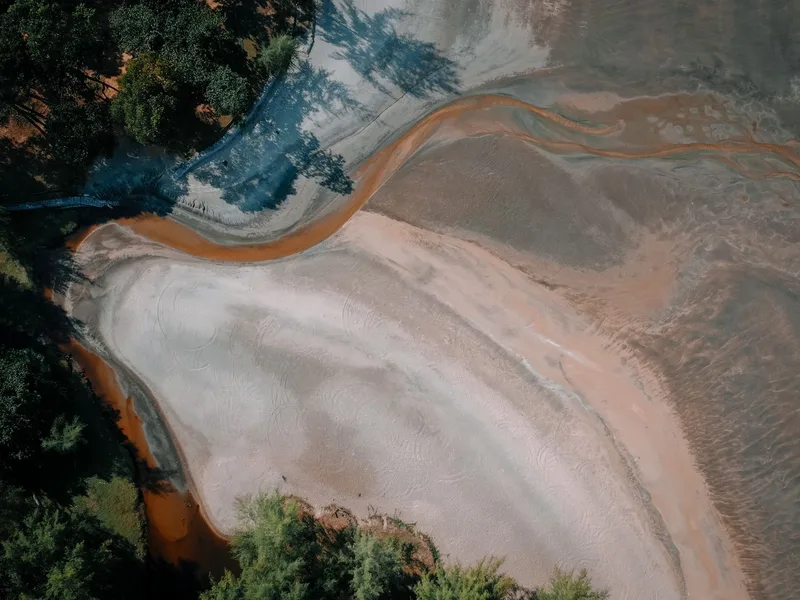
The layer on the floor
The floor layer is brown and mixed, drawing from ground water and wadi silt. Removal is hard because sediment clings and water tends to sit.
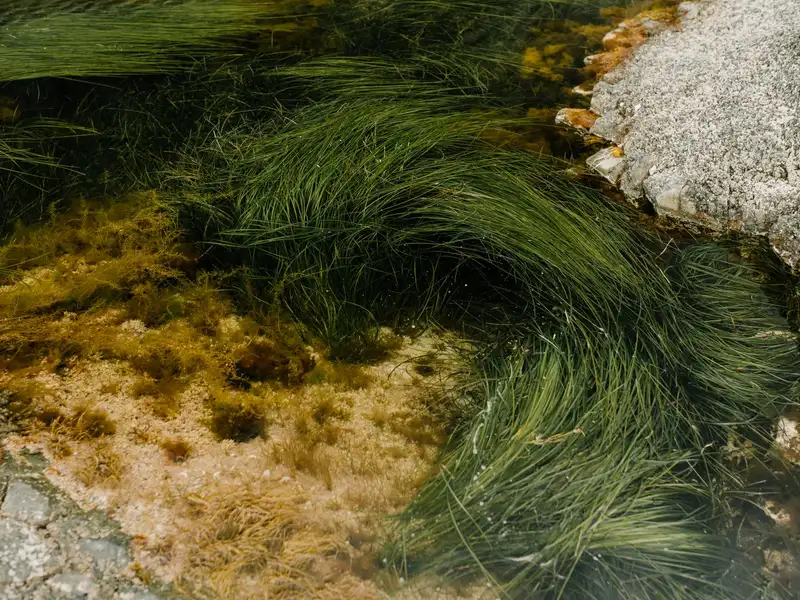
Light and algae
Black algae and fungi grow fast from continuous damp and standing water. Low light favours fungal growth.
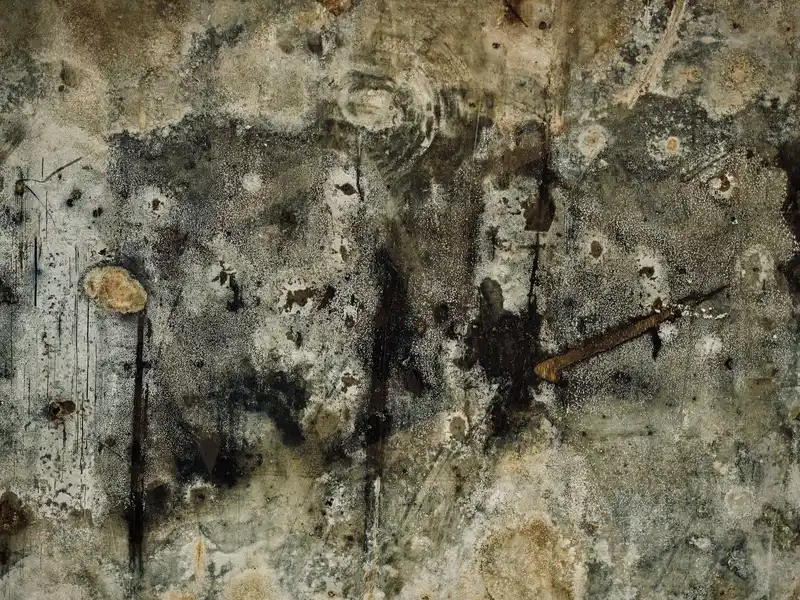
The deposit on the wall
Wall coating is thick and mixed with organic sediment and fungal film. Cleaning needs special technique to clear odours.
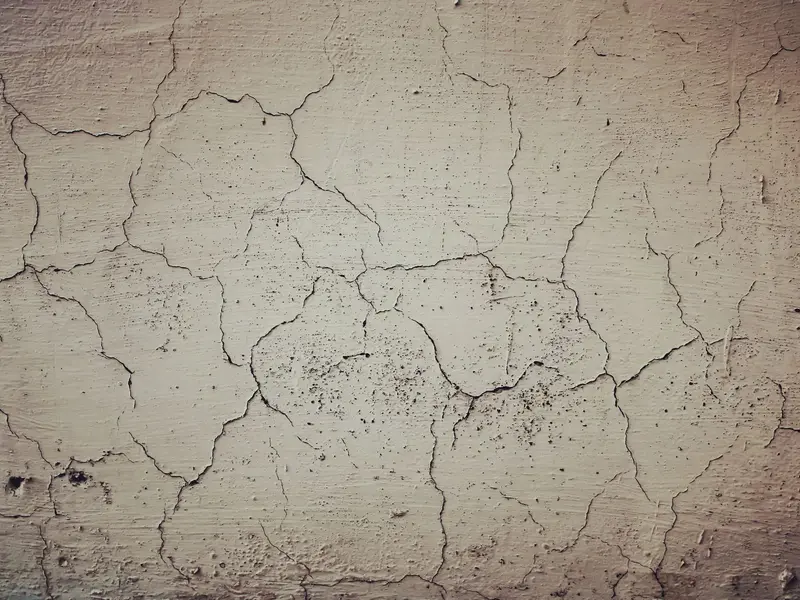
The lining and hairline cracks
Lining may crack from pressure caused by ground water rising below. Cracks allow dirty water from earth to seep in.
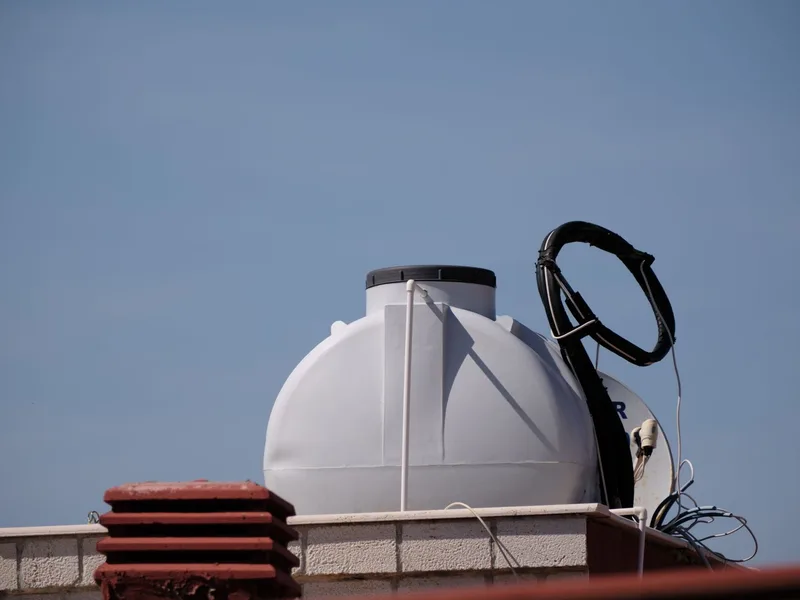
The lid and the access hatch
Lids and openings may lack tight protection in rural areas. Insects and rodents from wadis enter easily.
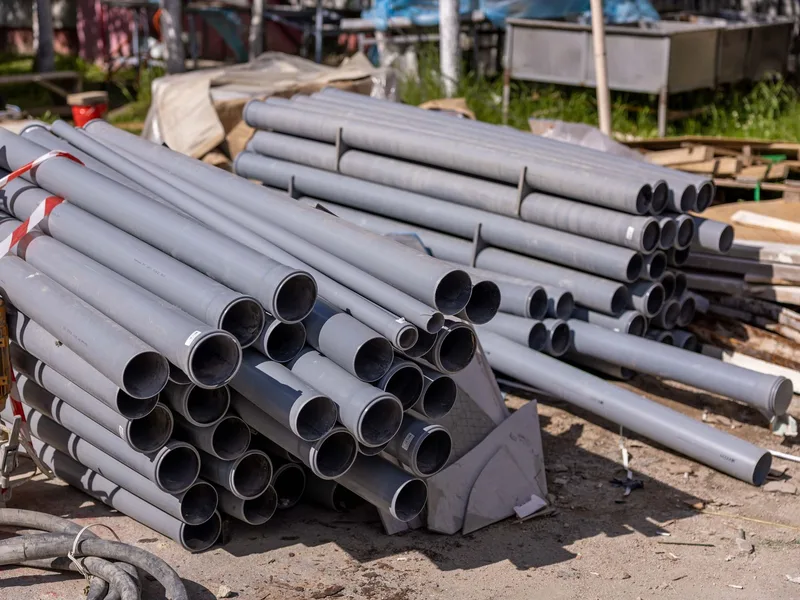
The vent and the overflow pipe
Air vents and overflow pipe may clog with dust and insects from wadis and open land.
How we work
-
1
Inspect before the drain
Tank type and material, the condition of the lining, the depth of the sediment, the lid and the vent, and where the drained water will go. We agree the window without supply before anything is opened.
-
2
Drain, then lift the sludge
The water leaves through the outlet, then the layer beneath it is taken out by hand and by suction. That layer is the reason for the visit, not the water that ran out ahead of it.
-
3
High pressure wash
Walls, floor and the joint where they meet, with a brush wherever the film resists, then the wash water is taken out completely so nothing we lifted settles again.
-
4
Disinfect and put back in service
Disinfectant over every internal surface, left for its contact time and then rinsed out, followed by the refill, a first draw off at the taps, and a report on what was inside the tank.
What water tank cleaning includes
-

An inspection before the valve
Tank type, lining condition, depth of sediment, lid and vent, recorded before any water leaves.
-

Full drain and sediment removal
The water through the outlet, and the layer below it by hand and by suction until the floor itself is showing.
-

Pressure washing walls and floor
High pressure across the surfaces and corners, and a brush on anything water alone will not lift.
-

Disinfection after the wash
A disinfectant intended for drinking water tanks, named to you before it is used, left for its contact time and then rinsed out.
-

Refill and the first draw off
We refill, run the taps so the new water moves through the pipework, and tell you when it is ready to use.
-

A report and the next date
What was inside the tank, anything on the lid or the lining that needs repair, and a sensible date for the next clean.
What is different about Al Aziziyah (Makkah) Sub-Municipality
Al Aziziyah sub municipality runs from the Bin Dawood markets to the Al Hada road and carries pilgrim traffic to Mina. Hotel towers and furnished apartment blocks fill and empty with the Hajj and Ramadan seasons, and the kitchens, restaurants and markets along Al Masjid Al Haram Road and King Abdulaziz Road leave food waste at every peak. Southwards the fabric loosens into villas and planned streets in An Naseem and Al Awali, then Al Abidiyah's campus and the old farms of Al Husayniyah, where Wadi Uranah holds water after rain and farm enclosures shelter rodents and reptiles.
Questions about this district
Is water leaking from below the tank a sign that the water table has risen?
Yes. In winter and heavy rains the water table rises and may seep into the tank from below or cause leaks.
Does the strange smell from a rural tank come from old water sitting in long pipes?
Yes. Long pipes hold old water for extended periods. Anaerobic bacteria grow and produce foul smell.
Do insects from nearby wadis enter the tank more easily than in crowded quarters?
Yes. A remote rural tank may lack tight protection. Insects from wadis and open land enter easily.
Will cleaning the tank fix the problem of leaks from below in damp soil?
Cleaning removes bacteria and sediment. Leaks from below need external tank sealing or ground water management.
Do wadis affect tank water quality directly or only through the water table?
Wadis mainly act through raising the water table during flooding. They may affect directly if very close to the tank.
How often must a rural tank be cleaned?
A rural tank needs cleaning at least every three months because water sits long and pollution from ground water and wadis is continuous.
How much does water tank cleaning in Al Safrah cost?
It is set after the inspection, because the price follows the type of infestation, the size of the space, how far it has spread and the number of visits it needs. Send a photo and a description on WhatsApp and we will give you an estimate before we reach Al Safrah.
Nearby districts we cover
Other services in Al Safrah
Other services we provide to residents of Al Safrah.
-
 Residential
Cockroach control
Residential
Cockroach control
-
 Residential
Bed bug control
Residential
Bed bug control
-
 Residential
Termite control
Residential
Termite control
-
 Residential
Rodents and mice
Residential
Rodents and mice
-
 Residential
Mosquito control
Residential
Mosquito control
-
 Residential
Fly control
Residential
Fly control
-
 Residential
Ant control
Residential
Ant control
-
 Residential
Gecko control
Residential
Gecko control
-
 Residential
Scorpion control
Residential
Scorpion control
-
 Residential
Snake control
Residential
Snake control
-
 Residential
Flea control
Residential
Flea control
-
 Residential
Bird and pigeon control
Residential
Bird and pigeon control
-
 Residential
Preventive treatment
Residential
Preventive treatment
-
 Residential
Disinfection
Residential
Disinfection
-
 Commercial
Annual contracts
Commercial
Annual contracts
-
 Commercial
Restaurants and cafes
Commercial
Restaurants and cafes
-
 Commercial
Hotels and apartments
Commercial
Hotels and apartments
-
 Commercial
Warehouses and factories
Commercial
Warehouses and factories
-
 Commercial
Schools and nurseries
Commercial
Schools and nurseries
-
 Commercial
Retail and malls
Commercial
Retail and malls
-
 Commercial
Rest houses and farms
Commercial
Rest houses and farms
-
 Commercial
Fumigation
Commercial
Fumigation
-
 Water tanks
Water tank sterilization
Water tanks
Water tank sterilization
-
 Water tanks
Water tank sealing
Water tanks
Water tank sealing
-
 Water tanks
Tank leak repair
Water tanks
Tank leak repair
Need water tank cleaning in Al Safrah? Tell us what you saw and we will tell you what it needs
We reach Al Safrah at a time we agree, and you get the full cost before we start.