
Water tank sterilization in Al Safrah Makkah
Al Safrah is a small rural district at the eastern edge of Jeddah near the Umm Al Qura University campus. Buildings are sparse and few, and the area is essentially open desert. The few modern administrative and residential buildings are found on the south eastern fringe. Tanks here sit far from the main network and may be located on very low or very high ground.
-
Potable-rated materials
Linings and disinfectants cleared for drinking water tanks, not general-purpose products.
-
You get the downtime first
How many hours the tank is out of service, told before we start rather than after we finish.
-
A first-draw flush
We run the first draw off after refilling, and the tank is not handed back until the water runs clear.
-
Ground and roof tanks
Villas, apartment blocks and premises that need a written record of each visit.
Why the job is different in Al Safrah
Buildings in Al Safrah are relatively modern and very few. The tanks face harsh conditions from intense heat, strong winds and desert dust and sand. The method is set out in full on how we approach Water tank sterilization.
Scattered buildings and distant tanks
Al Safrah buildings are widely separated across large distances. Each tank is isolated and pipelines connecting them may be very long. Water takes considerable time to reach distant outlets.
Intense heat and desert dust
Al Safrah is open desert with extreme summer heat and strong winds. Dust enters open tanks freely. Direct sunlight accelerates bacterial growth and water decay.
Stagnant water and low pressure
Large distances between buildings and tanks mean low water pressure and slow flow. Water may sit stagnant in pipes and tanks for hours.
Landmarks of Al Safrah
Al Safrah sits on the Taif road towards Al Hada near the Umm Al Qura University campus at Al Abidiyah. The university landmarks, main road and surrounding desert regions define the district boundaries and guide access to scattered tank locations.
- Non Muslims Road (Al Khawajat Road)
- Taif Al Hada Road
- Umm Al Qura University Abidiyah campus
What we read inside the tank before anything starts
A small rural district at the municipal edge on the Taif road east of Al Husayniyah. Mostly open desert with scattered building on the south eastern fringe, near the university campus at Al Abidiyah and the Taif road towards Al Hada.
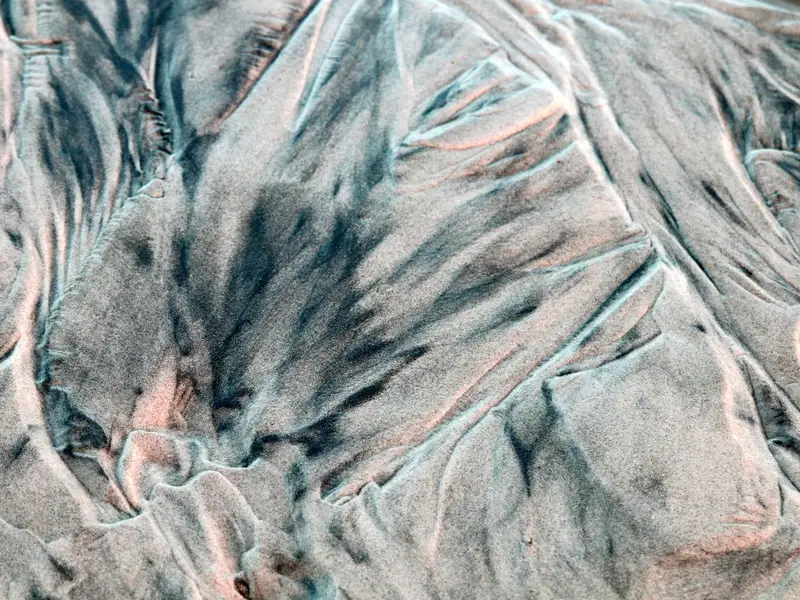
Sediment on the floor
Desert sediment and dust enter open tanks from wind, airborne particles and blowing sand throughout the day.
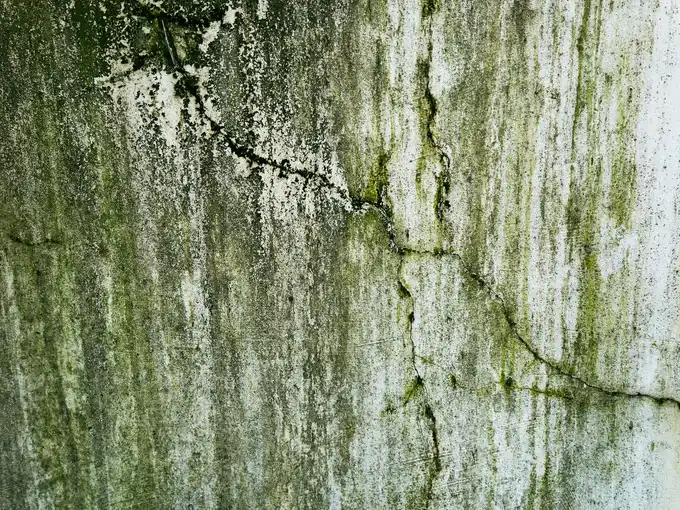
The slime film on the wall
Bacteria and algae grow rapidly because extreme heat and direct sunlight create ideal growth conditions.
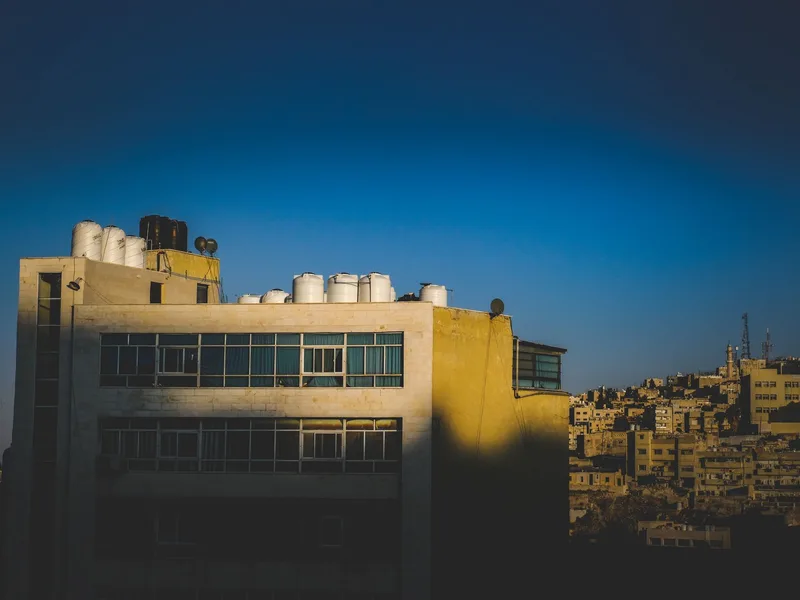
Light and heat
Stagnant water in long pipes and distant reaches accumulates contaminants due to low pressure and slow flow.
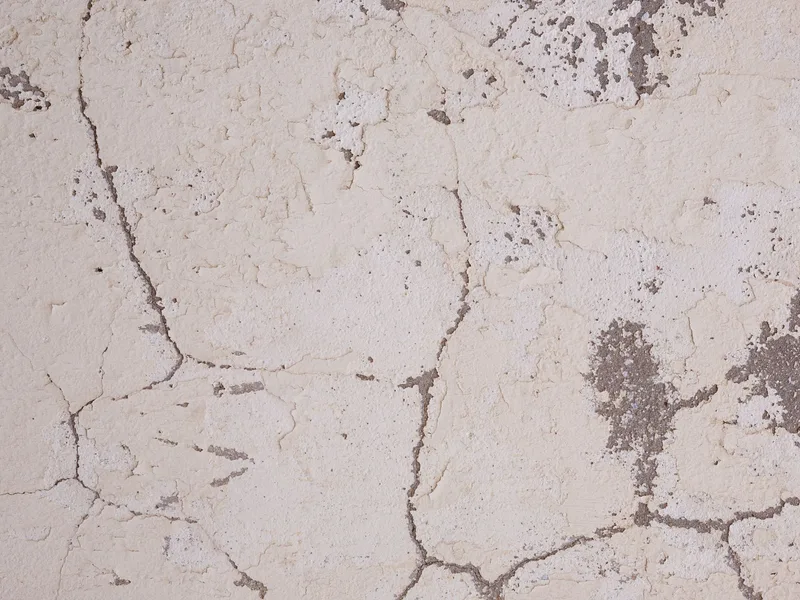
The lining and any cracking
Birds, insects and small desert creatures inhabit the open landscape and can contaminate exposed tanks.
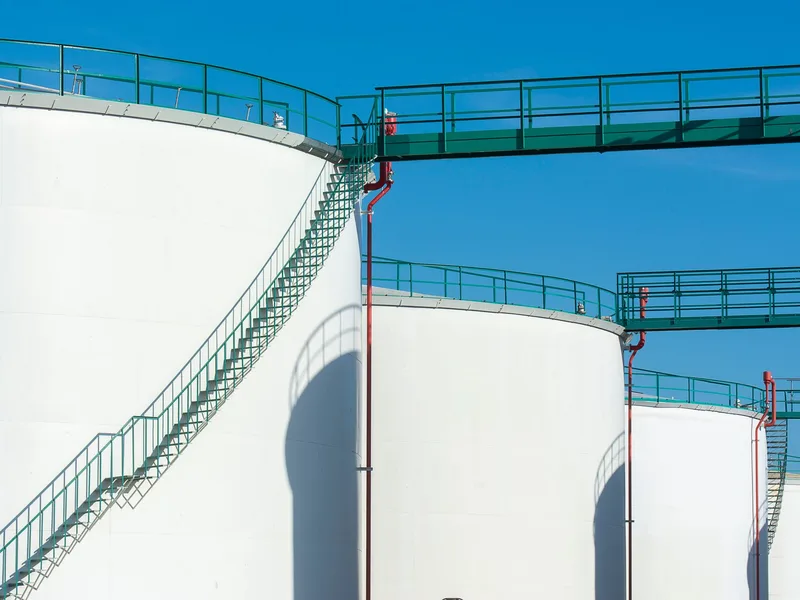
The lid and the openings
Very long distribution lines mean large distances between tanks and outlets, reducing pressure and flow speed.

What shows up at the tap
Harsh conditions from heat, wind and dust accelerate chemical and biological breakdown of stored water.
How we work
-
1
Inspect and record the condition
We open the hatch and work through what the tank is made of and how big it is, how deep the sediment lies, the state of the lining, whether the lid and the overflow seal, and whether there is a crack that has to be repaired before any sterilizing.
-
2
Drain and lift the sediment out
The water goes out, then the silt and sand are lifted off the floor by suction rather than pushed toward the outlet, because pushing them sends them into the house pipework and the heater.
-
3
High pressure wash
Walls, floor, corners and the area around the outlet, until the slime film is completely gone. This is the step that makes the sterilizing after it mean anything.
-
4
Sterilize, rinse, then return to service
The sterilizing agent goes onto the walls, the floor and the underside of the lid and is left for its contact time, then we rinse, refill and run the furthest tap until the whole line is clear.
What water tank sterilization includes
-

A recorded inspection
Material, capacity, sediment depth, the state of the lining, the lid and the overflow, all before any work begins.
-

Draining and sediment removal
The water out, and the silt and sand lifted off the floor instead of being pushed into the outlet and the house pipework.
-

High pressure washing
Walls, corners and around the outlet, until the biofilm that no disinfectant penetrates has gone.
-
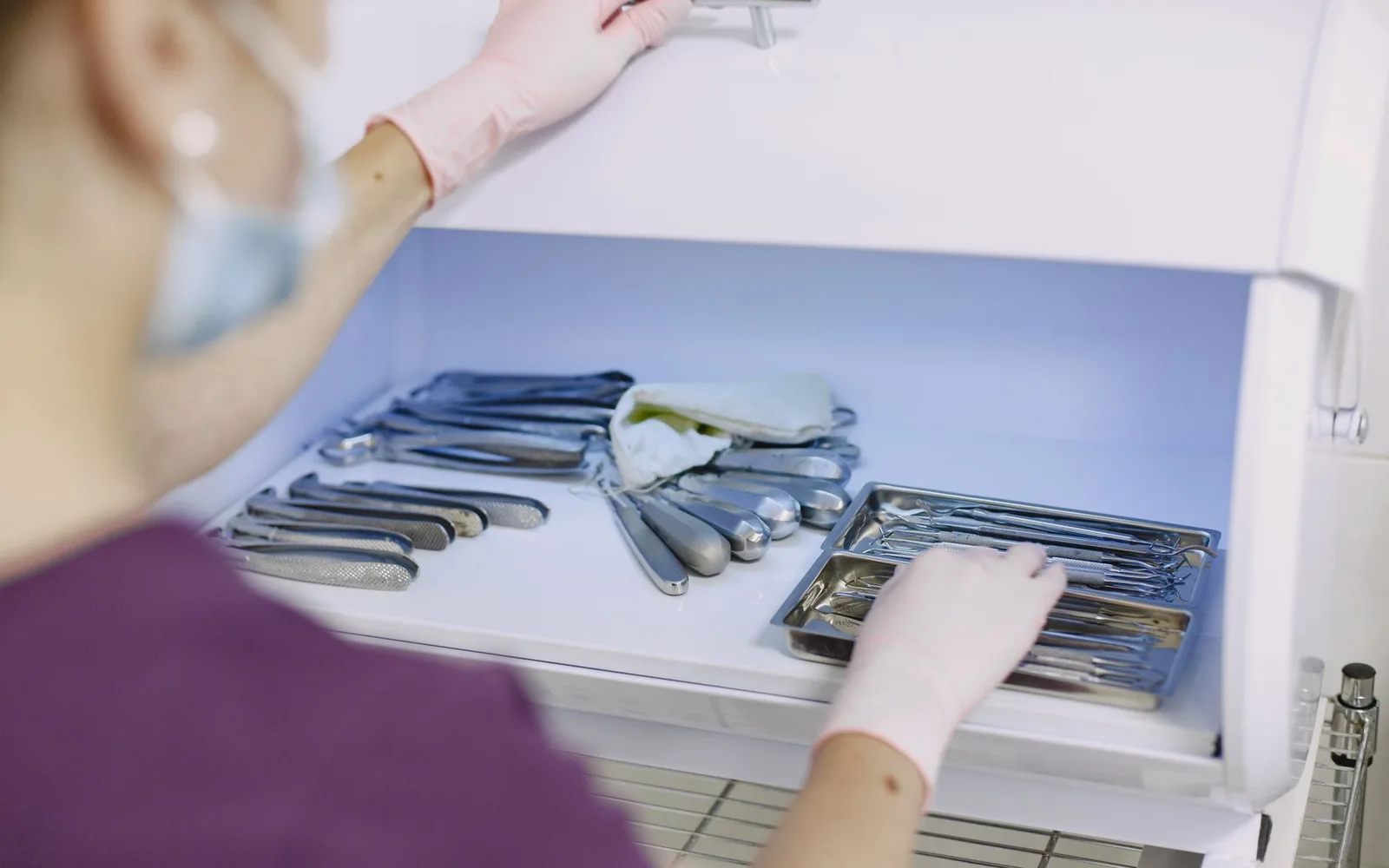
Sterilizing the internal surfaces
A sterilizing agent meant for drinking water tanks, applied to the walls, the floor and the underside of the lid, and left for its contact time.
-

Line flush and aftercare
Rinse, refill and a flush from the furthest tap, when the water is usable again, and what to change in the filter afterwards.
-

The next cycle
We agree the right interval for your tank from how it is filled, how much sun it takes and the condition of the lid.
What is different about Al Aziziyah (Makkah) Sub-Municipality
Al Aziziyah sub municipality runs from the Bin Dawood markets to the Al Hada road and carries pilgrim traffic to Mina. Hotel towers and furnished apartment blocks fill and empty with the Hajj and Ramadan seasons, and the kitchens, restaurants and markets along Al Masjid Al Haram Road and King Abdulaziz Road leave food waste at every peak. Southwards the fabric loosens into villas and planned streets in An Naseem and Al Awali, then Al Abidiyah's campus and the old farms of Al Husayniyah, where Wadi Uranah holds water after rain and farm enclosures shelter rodents and reptiles.
Questions about this district
Why does water in Al Safrah need frequent cleaning?
Extreme heat, dust, open-air contamination and low pressure all accelerate water quality decline.
Do long pipes cause water quality problems?
Yes. Long pipes accumulate sediment and bacteria, and stagnant water in them becomes contaminated easily.
What about exposed tanks in the desert?
Open tanks are directly exposed to bird droppings, insects, dust and blowing sand.
Is one annual cleaning enough for a full year?
In Al Safrah because of heat and dust, twice-yearly cleaning is better, especially in summer months.
How do we handle long and scattered pipe networks?
We visit each tank and outlet and flush all pipes from the tank to the furthest point.
Do rural areas need lower cleaning standards?
No. Rural areas may need higher standards because natural environmental contamination is greater.
How much does water tank sterilization in Al Safrah cost?
It is set after the inspection, because the price follows the type of infestation, the size of the space, how far it has spread and the number of visits it needs. Send a photo and a description on WhatsApp and we will give you an estimate before we reach Al Safrah.
Nearby districts we cover
Other services in Al Safrah
Other services we provide to residents of Al Safrah.
-
 Water tanks
Water tank cleaning
-
 Water tanks
Water tank sealing
-
 Water tanks
Tank leak repair
-
 Residential
Cockroach control
Need water tank sterilization in Al Safrah? Tell us what you saw and we will tell you what it needs
We reach Al Safrah at a time we agree, and you get the full cost before we start.