
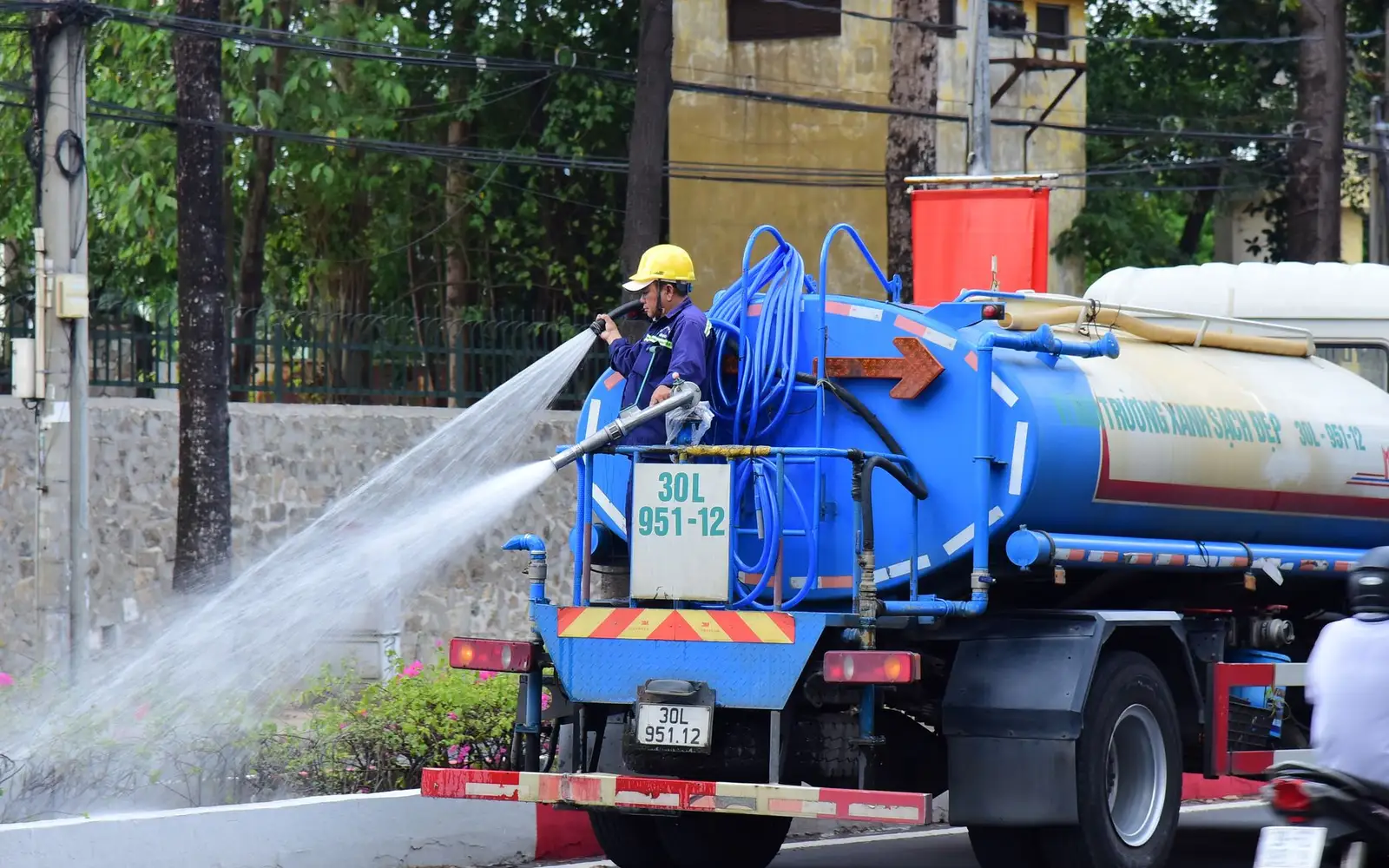
Water tank cleaning in Al Sanabel Makkah
Al Sanabel is a dense apartment district south of Al Aziziyah where one tank serves dozens of flats across many storeys. Water travels through long horizontal pipework before reaching any flat, so the sediment settles in the lines, not just the tank. Cleaning here breaks through both.
-
Potable-rated materials
Linings and disinfectants cleared for drinking water tanks, not general-purpose products.
-
You get the downtime first
How many hours the tank is out of service, told before we start rather than after we finish.
-
A first-draw flush
We run the first draw off after refilling, and the tank is not handed back until the water runs clear.
-
Ground and roof tanks
Villas, apartment blocks and premises that need a written record of each visit.
Why the job is different in Al Sanabel
Upper flats receive cloudier water than lower ones because sediment collects in the horizontal pipes that carry water from tank to riser, and it falls out of suspension as pressure drops. The method is set out in full on how we approach Water tank cleaning.
Water travels through shared supply pipes
In tall blocks, water drops from the roof tank through long shared vertical risers to each floor. Sediment settles in these runs where the flow slows, and it does not settle in the tank at all. High-pressure cleaning reaches inside these pipes in ways that tank cleaning alone cannot.
Each flat draws from the same line
Different flats pull water from shared pipework at different times, so pressure changes constantly and sediment is stirred up and deposited throughout the network. Cleaning must account for the dynamic flow between flats and the pressure changes that move deposits, not assume the water stays still.
Shared entrances mean coordinated timing
Cleaning is not a single procedure but a coordinated sequence that depends on which flat draws first and which draws last. The crew must either wait for no water to be drawn at all, or notify residents to close stopcocks together so no movement interferes with the work.
Landmarks of Al Sanabel
Al Sanabel sits between King Khalid Road to the west and the Third Ring Road to the east, with the tank access typically on a block roof central to the apartment grid, or from the plant room near the Makkah Development Commission if the building operates a central system.
- King Khalid Road
- Third Ring Road
- Muzdalifah Road
- Makkah Development Commission
- Al Iman Mosque
- Al Mousa Park
The condition of the tank decides the method
Single tanks serve entire apartment blocks, and water resting in the vertical and horizontal runs accumulates salt deposits and scale much faster than in smaller private tanks.
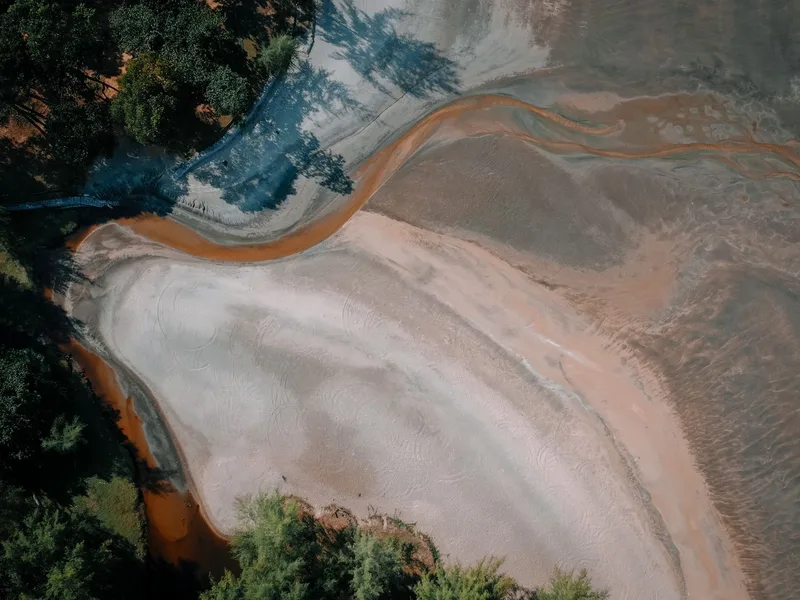
The layer on the floor
The floor layer is heavier in shared tanks because flow is slow and there are dead corners in the pipework where water sits almost still, allowing sediment to settle instead of staying suspended.
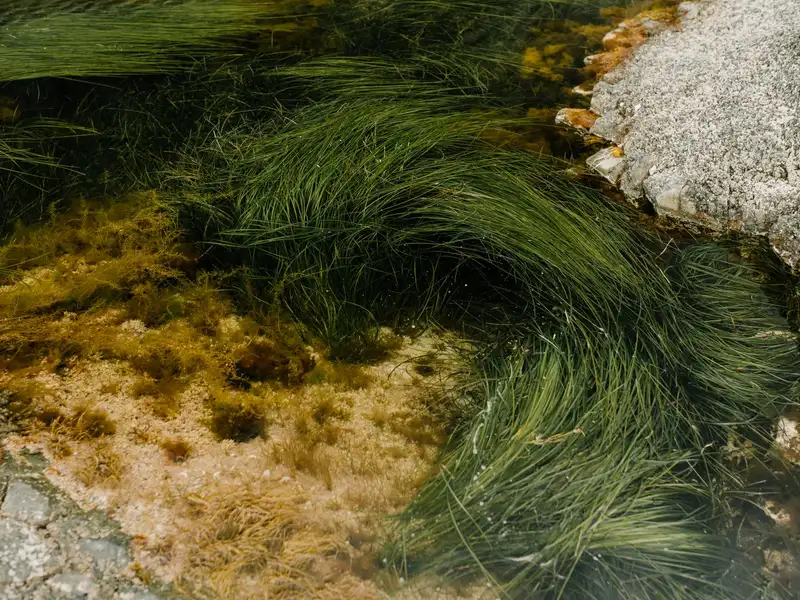
Light and algae
Algae colonise horizontal pipes more readily than the tank itself because the pipes have shade and the water passes slowly enough to let biofilm establish.
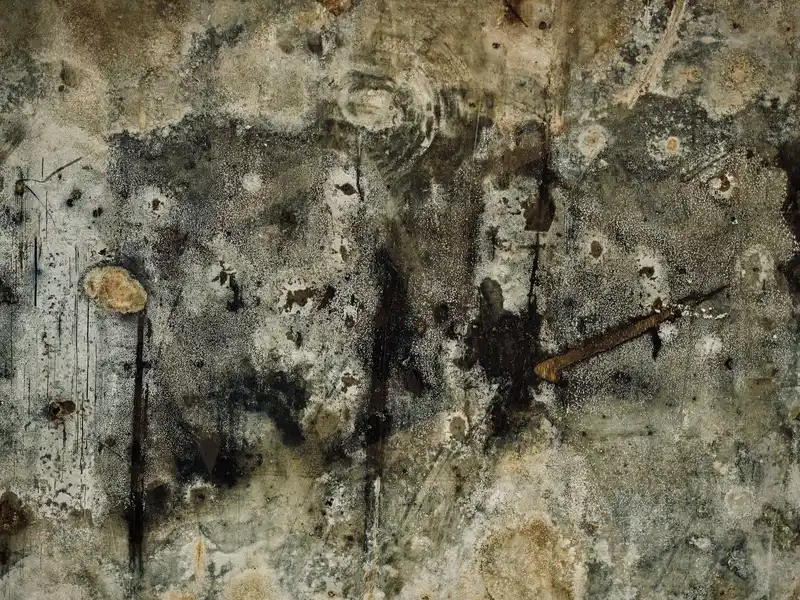
The deposit on the wall
The wall deposit has white spots where branch pipes join the main line because mixing of hot and cold water and pressure changes cause mineral precipitation at junctions.
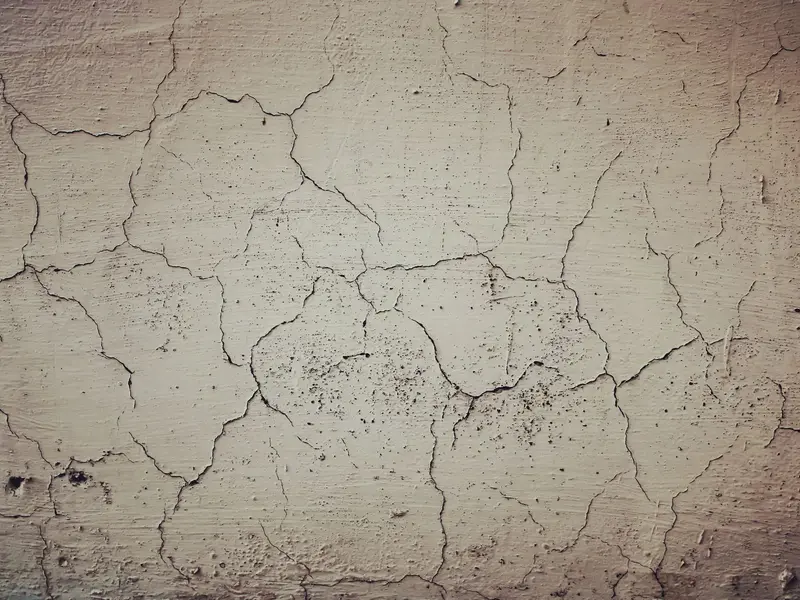
The lining and hairline cracks
Hairline cracks start from the base of shared tanks because pressure acts only on the floor, not distributed across walls as in smaller tanks, so stress concentrates where the floor meets the vertical shell.
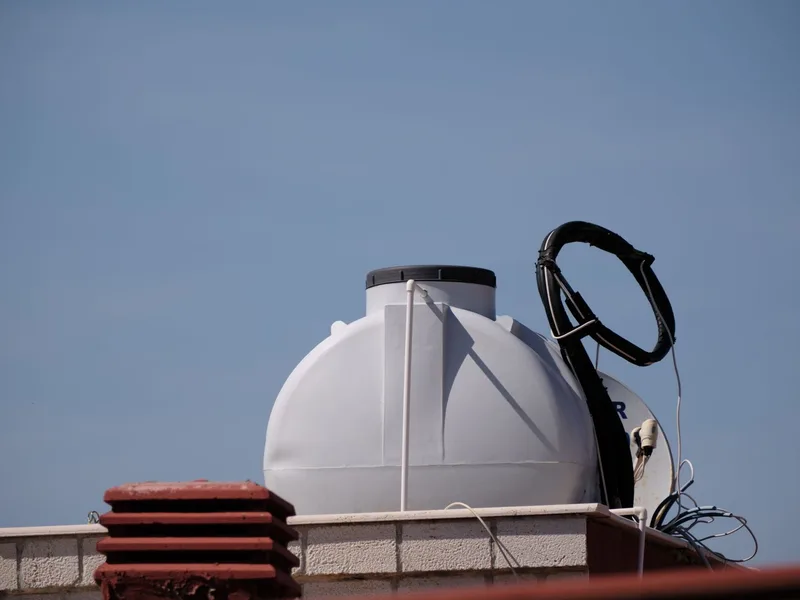
The lid and the access hatch
The lid and access hatch are shared, so care is needed when opening because stagnant water sitting on top of the lid may harbour bacteria and can spill a long distance if disturbed.
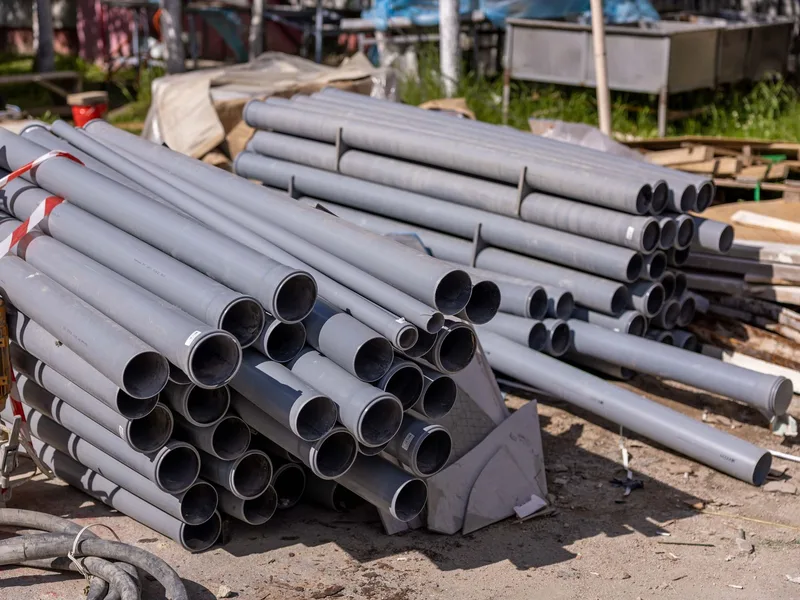
The vent and the overflow pipe
The vent and overflow may leak if the network suffers a pressure surge, and they trap debris that blocks the drain outlet, so they must be cleared of scale and sediment as part of the main clean.
How we work
-
1
Inspect before the drain
Tank type and material, the condition of the lining, the depth of the sediment, the lid and the vent, and where the drained water will go. We agree the window without supply before anything is opened.
-
2
Drain, then lift the sludge
The water leaves through the outlet, then the layer beneath it is taken out by hand and by suction. That layer is the reason for the visit, not the water that ran out ahead of it.
-
3
High pressure wash
Walls, floor and the joint where they meet, with a brush wherever the film resists, then the wash water is taken out completely so nothing we lifted settles again.
-
4
Disinfect and put back in service
Disinfectant over every internal surface, left for its contact time and then rinsed out, followed by the refill, a first draw off at the taps, and a report on what was inside the tank.
What water tank cleaning includes
-

An inspection before the valve
Tank type, lining condition, depth of sediment, lid and vent, recorded before any water leaves.
-

Full drain and sediment removal
The water through the outlet, and the layer below it by hand and by suction until the floor itself is showing.
-

Pressure washing walls and floor
High pressure across the surfaces and corners, and a brush on anything water alone will not lift.
-

Disinfection after the wash
A disinfectant intended for drinking water tanks, named to you before it is used, left for its contact time and then rinsed out.
-

Refill and the first draw off
We refill, run the taps so the new water moves through the pipework, and tell you when it is ready to use.
-

A report and the next date
What was inside the tank, anything on the lid or the lining that needs repair, and a sensible date for the next clean.
What is different about Al Aziziyah (Makkah) Sub-Municipality
Al Aziziyah sub municipality runs from the Bin Dawood markets to the Al Hada road and carries pilgrim traffic to Mina. Hotel towers and furnished apartment blocks fill and empty with the Hajj and Ramadan seasons, and the kitchens, restaurants and markets along Al Masjid Al Haram Road and King Abdulaziz Road leave food waste at every peak. Southwards the fabric loosens into villas and planned streets in An Naseem and Al Awali, then Al Abidiyah's campus and the old farms of Al Husayniyah, where Wadi Uranah holds water after rain and farm enclosures shelter rodents and reptiles.
Questions about this district
Why is our water cloudy but the flat upstairs runs clear?
Deposits in the horizontal pipes drop out of suspension when pressure changes as different flats draw water at different rates. The flat that pulls first may get water that is murkier because sediment has fallen through the lines on its way down.
Do you clean the tank and the shared pipework as one job?
Proper cleaning includes the tank and the main supply pipes from tank to the risers that feed individual flats. Internal pipework in each flat is the flat owner's responsibility, though the main shared lines carry a heavy sediment load.
Can we draw water straight after cleaning, or wait till pressure builds?
Water is safe to use immediately after disinfection. However, the shared pipes themselves still contain old water, so opening taps at the highest storeys for a few minutes clears the stale water from the risers before the first flats use the supply.
The tank sits very high. How do you clean without pressure damage to old pipes?
We drain the tank from the lowest point and then pump clean water back through the network from below, so it travels up through the supply pipes and breaks free any deposits as it rises, working with gravity rather than against it.
The ground floor always gets cloudy water first after any work. Why?
The ground floor receives the first water that leaves the tank, and it carries loose sediment from the horizontal pipes that run directly above it. High-pressure cleaning dislodges this sediment and it settles as the flow slows.
Should we warn residents before we start, since the tank is shared?
Yes, because water may cut off or change colour for an hour or so, and residents should close stopcocks if they wish to avoid air in the pipes. Coordination means residents understand the shutdown window and accept it as necessary.
How much does water tank cleaning in Al Sanabel cost?
It is set after the inspection, because the price follows the type of infestation, the size of the space, how far it has spread and the number of visits it needs. Send a photo and a description on WhatsApp and we will give you an estimate before we reach Al Sanabel.
Nearby districts we cover
Other services in Al Sanabel
Other services we provide to residents of Al Sanabel.
-
 Residential
Cockroach control
Residential
Cockroach control
-
 Residential
Bed bug control
Residential
Bed bug control
-
 Residential
Termite control
Residential
Termite control
-
 Residential
Rodents and mice
Residential
Rodents and mice
-
 Residential
Mosquito control
Residential
Mosquito control
-
 Residential
Fly control
Residential
Fly control
-
 Residential
Ant control
Residential
Ant control
-
 Residential
Gecko control
Residential
Gecko control
-
 Residential
Scorpion control
Residential
Scorpion control
-
 Residential
Snake control
Residential
Snake control
-
 Residential
Flea control
Residential
Flea control
-
 Residential
Bird and pigeon control
Residential
Bird and pigeon control
-
 Residential
Preventive treatment
Residential
Preventive treatment
-
 Residential
Disinfection
Residential
Disinfection
-
 Commercial
Annual contracts
Commercial
Annual contracts
-
 Commercial
Restaurants and cafes
Commercial
Restaurants and cafes
-
 Commercial
Hotels and apartments
Commercial
Hotels and apartments
-
 Commercial
Warehouses and factories
Commercial
Warehouses and factories
-
 Commercial
Schools and nurseries
Commercial
Schools and nurseries
-
 Commercial
Retail and malls
Commercial
Retail and malls
-
 Commercial
Rest houses and farms
Commercial
Rest houses and farms
-
 Commercial
Fumigation
Commercial
Fumigation
-
 Water tanks
Water tank sterilization
Water tanks
Water tank sterilization
-
 Water tanks
Water tank sealing
Water tanks
Water tank sealing
-
 Water tanks
Tank leak repair
Water tanks
Tank leak repair
Need water tank cleaning in Al Sanabel? Tell us what you saw and we will tell you what it needs
We reach Al Sanabel at a time we agree, and you get the full cost before we start.