
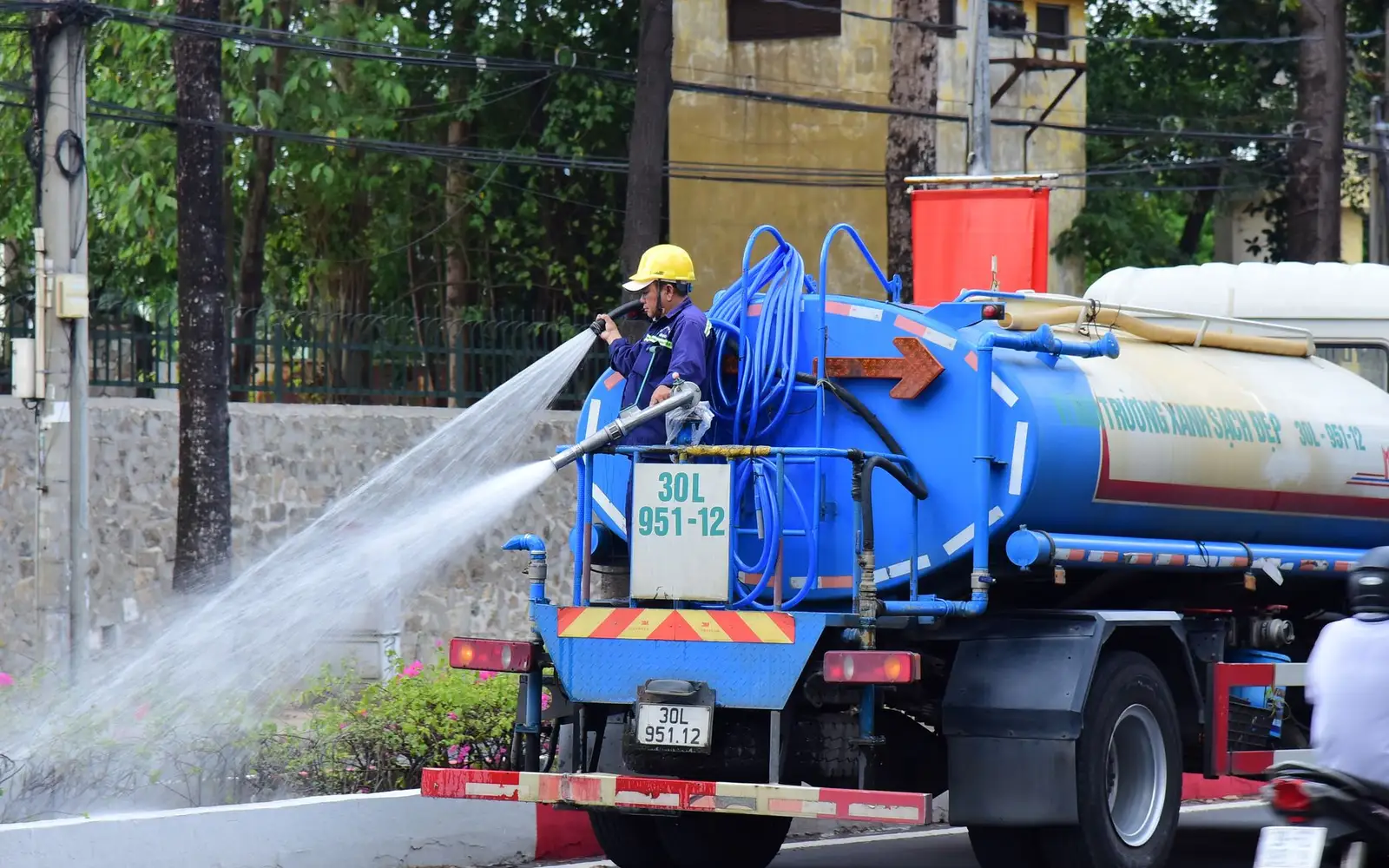
Water tank cleaning in East Al Sulaymaniyah Jeddah
East Al Sulaymaniyah is a mixed district of apartments and villas with commercial streets at street level, sitting close to the Haramain high speed rail station and the fast road. Shops on the ground floors and flats above them often share a single tank, creating daily fluctuations in water pressure and consumption. The shops are sources of food waste, moisture and bacteria that reach the tank through weak seals and shared pipes. Water quality fluctuates with the time of day and the shops' activity.
-
Potable-rated materials
Linings and disinfectants cleared for drinking water tanks, not general-purpose products.
-
You get the downtime first
How many hours the tank is out of service, told before we start rather than after we finish.
-
A first-draw flush
We run the first draw off after refilling, and the tank is not handed back until the water runs clear.
-
Ground and roof tanks
Villas, apartment blocks and premises that need a written record of each visit.
Why the job is different in East Al Sulaymaniyah
In mixed districts here, the shared tank endures changing pressure every hour from shops and flats using water simultaneously, and residents on upper floors may find water cuts when shops open their taps in the evening. The method is set out in full on the full Water tank cleaning page.
Food shops and kitchens raise bacteria and moisture into the tank
Ground floor shops include restaurants, cafes and grocers that release steam, cooking smells and tiny food particles. This moisture rises through gaps between floors and may enter the tank through ventilation holes. The shared tank receives a constant load of bacteria from kitchen steam and the changing pressure on shared pipework that carries drain water back.
Fluctuating pressure from mixed use speeds corrosion and sediment buildup
A flat above a shop means the tank and pipes experience wild daily pressure swings. Mornings the shop opens taps and showers hard, pressure drops at the upper flat. This pressure cycling corrodes filters and pipes fast, deposits metals and minerals in the tank at a rate far higher than purely residential districts. The sediment layer grows thick within weeks.
One tank for two uses carries double the load and contaminants
A flat and shop sharing one tank but the shop uses more water and dirtier water. Dishwashing and floor washing water carries grease and food particles. This water may return to the tank through leaky pipes or open drains, contaminating flat water. Strong disinfection and frequent cleaning are essential here.
The character of East Al Sulaymaniyah
Mixed district: shops at street level with homes above them
A mixed district with shops below flats means the tank endures daily pressure fluctuations and contaminants from kitchens and commerce. This speeds sediment and bacterial growth, makes cleaning harder and shortens the interval between cleans compared to purely residential districts.
The condition of the tank decides the method
East Al Sulaymaniyah has shops on ground floors with homes above them, sits near the rail station and fast road, its drainage network is only partly complete, and nearby markets stir up dust that settles in the water.
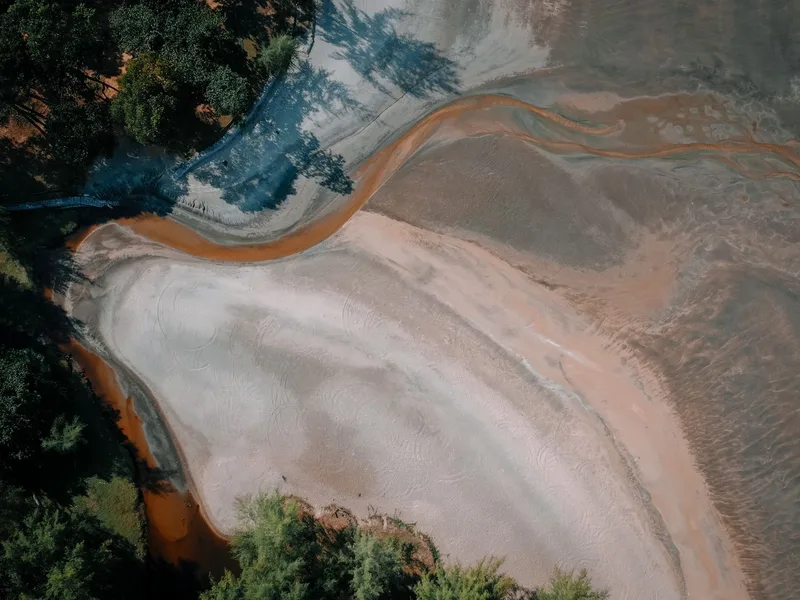
The layer on the floor
The floor layer collects grease and salt residue from the shop's water and needs vigorous repeated scrubbing to lift the oily deposit.
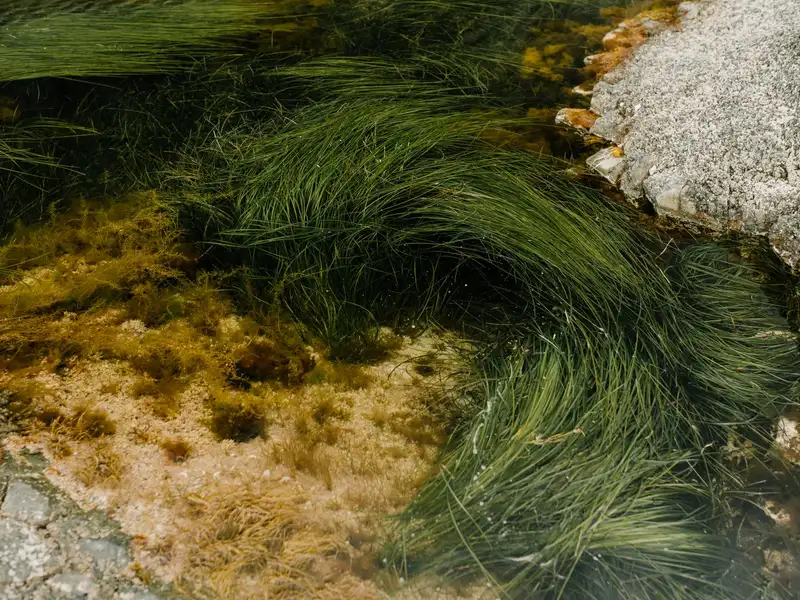
Light and algae
Light and cooking moisture reaching the tank through gaps speeds algae and bacterial growth on the walls.
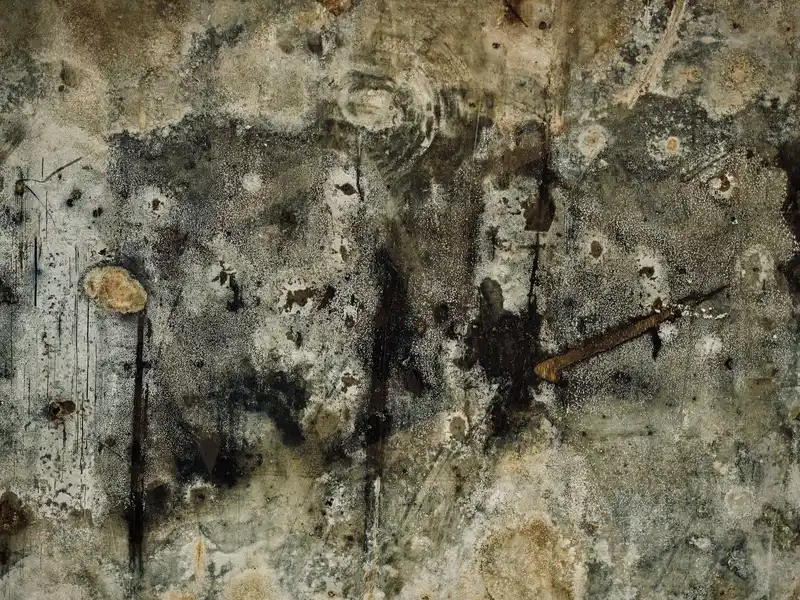
The deposit on the wall
The walls carry layered deposits of metals, salts and grease from the shop, requiring chemical cleaning in addition to high pressure washing.
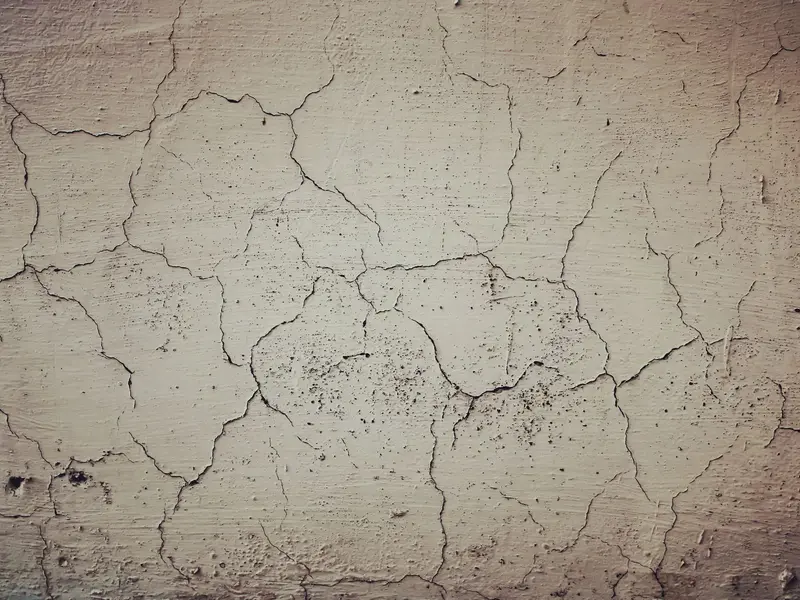
The lining and hairline cracks
Fine cracks in the lining and shared pipes allow moisture and contaminants from the shop's open drains to seep inward.
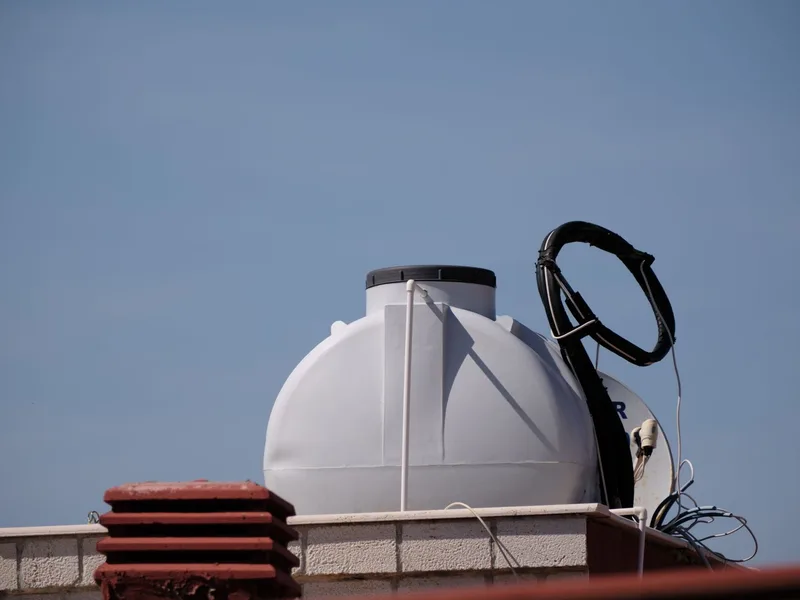
The lid and the access hatch
The lid and vents carry grease and dust from the shop and flat, needing separate cleaning and vigorous rinsing.
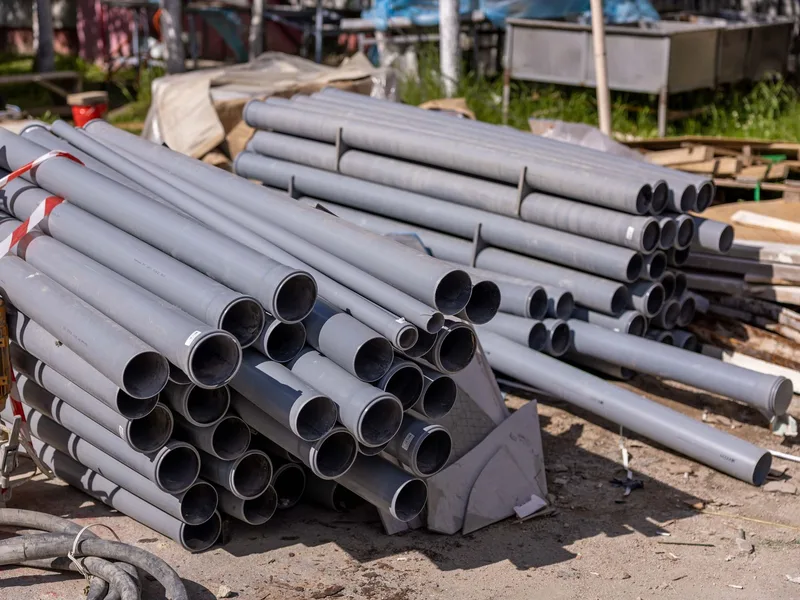
The vent and the overflow pipe
Overflow and vent pipes carry cooking steam and smell from the shop and need additional chemical cleaning and strong disinfection.
How we work
-
1
Inspect before the drain
Tank type and material, the condition of the lining, the depth of the sediment, the lid and the vent, and where the drained water will go. We agree the window without supply before anything is opened.
-
2
Drain, then lift the sludge
The water leaves through the outlet, then the layer beneath it is taken out by hand and by suction. That layer is the reason for the visit, not the water that ran out ahead of it.
-
3
High pressure wash
Walls, floor and the joint where they meet, with a brush wherever the film resists, then the wash water is taken out completely so nothing we lifted settles again.
-
4
Disinfect and put back in service
Disinfectant over every internal surface, left for its contact time and then rinsed out, followed by the refill, a first draw off at the taps, and a report on what was inside the tank.
What water tank cleaning includes
-

An inspection before the valve
Tank type, lining condition, depth of sediment, lid and vent, recorded before any water leaves.
-

Full drain and sediment removal
The water through the outlet, and the layer below it by hand and by suction until the floor itself is showing.
-

Pressure washing walls and floor
High pressure across the surfaces and corners, and a brush on anything water alone will not lift.
-

Disinfection after the wash
A disinfectant intended for drinking water tanks, named to you before it is used, left for its contact time and then rinsed out.
-

Refill and the first draw off
We refill, run the taps so the new water moves through the pipework, and tell you when it is ready to use.
-

A report and the next date
What was inside the tank, anything on the lid or the lining that needs repair, and a sensible date for the next clean.
What is different about Umm Al Salam Sub-Municipality
The Umm Al Salam sub municipality covers the east and south east of Jeddah along the Old Makkah Road and the Haramain Road. It pairs recently planned districts such as Al Wahah, Al Nakhil and Al Shuruq with popular districts that grew outside formal planning, including Al Harazat, Al Mahamid and Umm Al Salam. The older areas have ageing drainage, unpaved streets and vacant plots where building waste collects, conditions that suit rodents, cockroaches and ants. The newer areas are ringed by half built subdivisions and open excavations.
Questions about this district
Does the shop on the ground floor cause cloudy water in the flat above?
Yes. If the shop is a restaurant or cafe, cooking moisture and grease rise through gaps and cracks in the ceiling. If the shared tank sits near the shop, bacteria and contaminants may enter via weak pipes or open drains that return dirty water.
Water cuts off at the upper flat when the shop opens its taps. Why?
The shop uses huge volumes of water in the evening cleaning floors and dishes. Pressure drops at the upper flat because the shared tank empties fast and the pump cannot keep up. The problem worsens if the tank is small or the pump is weak.
Does cleaning the shared tank cut water to both flat and shop at once?
Yes. The shared tank means cleaning must stop water to both. The shop loses a day of work and the flat has no water. Coordination with the shop owner is essential, and cleaning must be swift to minimise downtime.
Does cooking smell from the restaurant enter the tank and change the water taste?
Strong cooking smells enter through ventilation holes and gaps, but do not usually enter the water itself unless there is a leak or direct mixing. But bacteria from the kitchen do enter via weak pipes, and may slightly alter taste.
The flat is above a shop and the water runs reddish with a strange smell. Is it the shop?
Red water indicates rust from old pipes or naturally iron rich groundwater. But if there is a shop below, it could be a mix of dirty water from the shop that has returned to the tank via an open drain. Pipes and drainage must be checked.
How often does a shared tank serving a flat and shop need cleaning?
More often than a flat tank alone. Because the shop raises bacteria and contaminants, a shared tank needs cleaning every three months instead of five or six for a residential flat alone.
How much does water tank cleaning in East Al Sulaymaniyah cost?
It is set after the inspection, because the price follows the type of infestation, the size of the space, how far it has spread and the number of visits it needs. Send a photo and a description on WhatsApp and we will give you an estimate before we reach East Al Sulaymaniyah.
Nearby districts we cover
Other services in East Al Sulaymaniyah
Other services we provide to residents of East Al Sulaymaniyah.
-
 Residential
Cockroach control
Residential
Cockroach control
-
 Residential
Bed bug control
Residential
Bed bug control
-
 Residential
Termite control
Residential
Termite control
-
 Residential
Rodents and mice
Residential
Rodents and mice
-
 Residential
Mosquito control
Residential
Mosquito control
-
 Residential
Fly control
Residential
Fly control
-
 Residential
Ant control
Residential
Ant control
-
 Residential
Gecko control
Residential
Gecko control
-
 Residential
Scorpion control
Residential
Scorpion control
-
 Residential
Snake control
Residential
Snake control
-
 Residential
Flea control
Residential
Flea control
-
 Residential
Bird and pigeon control
Residential
Bird and pigeon control
-
 Residential
Preventive treatment
Residential
Preventive treatment
-
 Residential
Disinfection
Residential
Disinfection
-
 Commercial
Annual contracts
Commercial
Annual contracts
-
 Commercial
Restaurants and cafes
Commercial
Restaurants and cafes
-
 Commercial
Hotels and apartments
Commercial
Hotels and apartments
-
 Commercial
Warehouses and factories
Commercial
Warehouses and factories
-
 Commercial
Schools and nurseries
Commercial
Schools and nurseries
-
 Commercial
Retail and malls
Commercial
Retail and malls
-
 Commercial
Rest houses and farms
Commercial
Rest houses and farms
-
 Commercial
Fumigation
Commercial
Fumigation
-
 Water tanks
Water tank sterilization
Water tanks
Water tank sterilization
-
 Water tanks
Water tank sealing
Water tanks
Water tank sealing
-
 Water tanks
Tank leak repair
Water tanks
Tank leak repair
Need water tank cleaning in East Al Sulaymaniyah? Tell us what you saw and we will tell you what it needs
We reach East Al Sulaymaniyah at a time we agree, and you get the full cost before we start.