
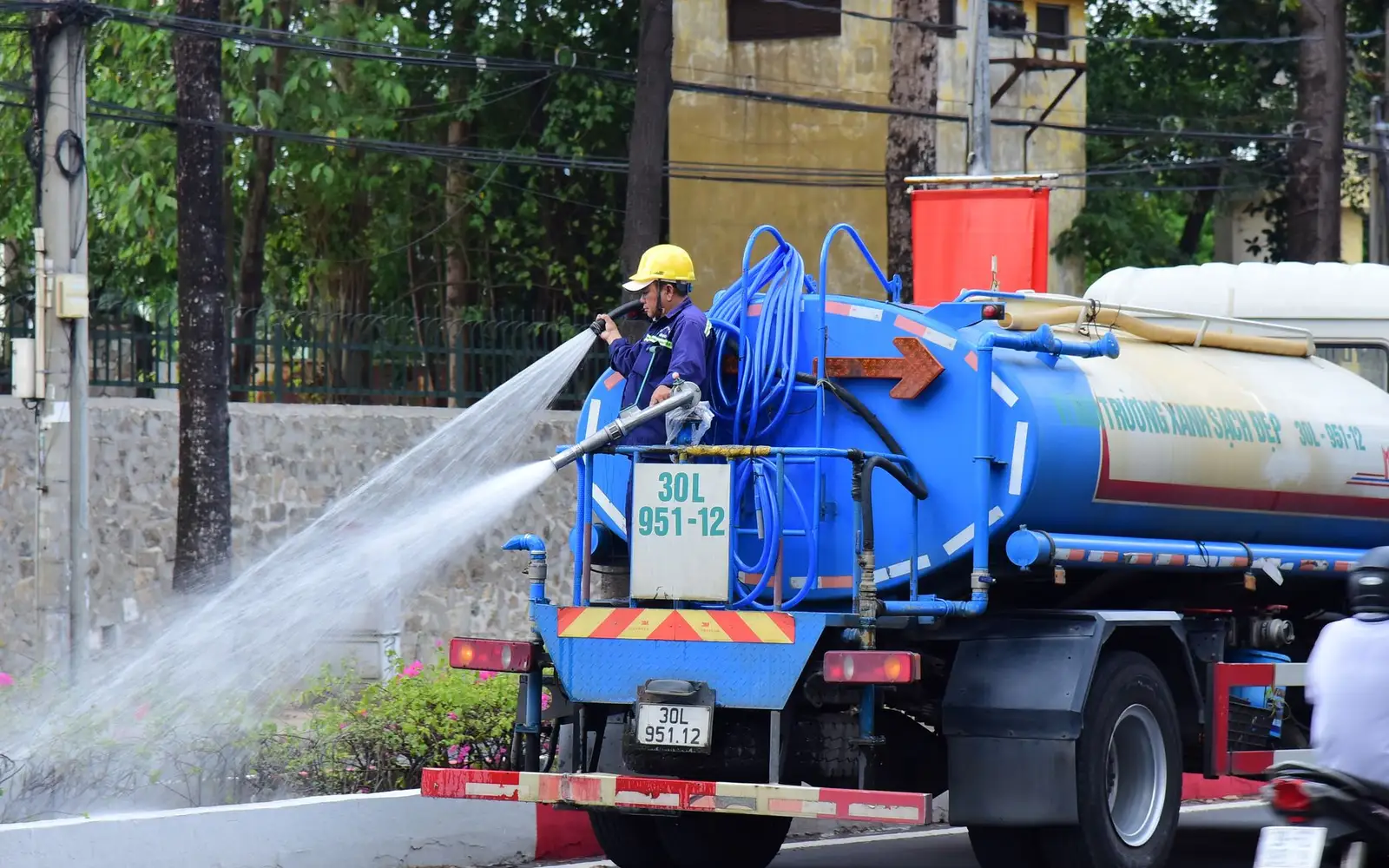
Water tank cleaning in Harat Al Mazloum Jeddah
Harat Al Mazloum is a historic quarter inside the old wall, its stone buildings tall and tightly packed on lanes so narrow that sunlight barely reaches the pavement. Tanks here are relics of earlier eras. Reaching them means climbing narrow stairways and crossing cracked roofs, and the water itself often carries the smell of decay, white ant activity and the permanent damp of a district hugging the sea.
-
Potable-rated materials
Linings and disinfectants cleared for drinking water tanks, not general-purpose products.
-
You get the downtime first
How many hours the tank is out of service, told before we start rather than after we finish.
-
A first-draw flush
We run the first draw off after refilling, and the tank is not handed back until the water runs clear.
-
Ground and roof tanks
Villas, apartment blocks and premises that need a written record of each visit.
Why the job is different in Harat Al Mazloum
Tanks here may be affixed to ancient stone walls that are themselves fragile, the path to them may be a narrow stair or a cracked rooftop, and the water itself often carries the smell of rot and fungus from the years of moisture. The method is set out in full on how we approach Water tank cleaning.
Historic structures and very old tanks
Tanks in Harat Al Mazloum may be decades old metal or ancient concrete, their internal linings rusted or severely cracked. Cleaning must be cautious lest high pressure collapse a weakened tank, and some very old stone cisterns cannot tolerate modern pressure washing at all. Assessment comes before cleaning here, not after.
High humidity, termites and fungal growth
The quarter is very close to the sea and the historic port, humidity stays high all year. Tanks here often rest on or within old timber framework, which invites white ants and feeding fungi. Water rises to taps carrying strange smells from fungal blooms on the damp wood, and the problem is progressive without treatment of both the tank and its environment.
Narrow lanes and severely restricted access
Reaching tanks in the old quarter means climbing tight staircases and narrow paths along the wall towards the roofs. There may be no space for large pump equipment, and old water may need hand carrying. Work takes far longer here, and both safety and finding a safe route matter more than efficiency.
Landmarks of Harat Al Mazloum
In Harat Al Mazloum, tanks perch on the roofs of ancient coral stone houses near Al Shafi'i Mosque and Souq Al Jami. Reaching them means climbing through the houses themselves, and we navigate using Bab Makkah as an orientation point in this district where lanes double back and directions are easily lost.
- Al Shafi'i Mosque
- Souq Al Jami
- Baeshen House
- Bab Makkah
- Al Alawi Street
The condition of the tank decides the method
The quarter sits north of Al Alawi Street within the old wall, with coral stone houses of great age, wooden rawashin and intensely narrow lanes, a very old infrastructure and immediate proximity to the sea and the historic port.
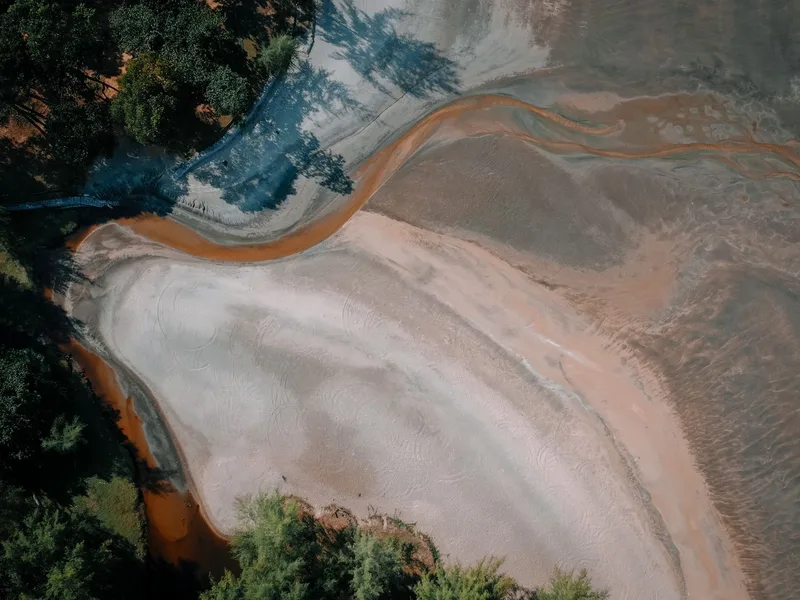
The layer on the floor
The settled layer in old quarter tanks is a mixture of rust, salt and mineral deposits, often hardened after decades of accumulation into a solid scale.
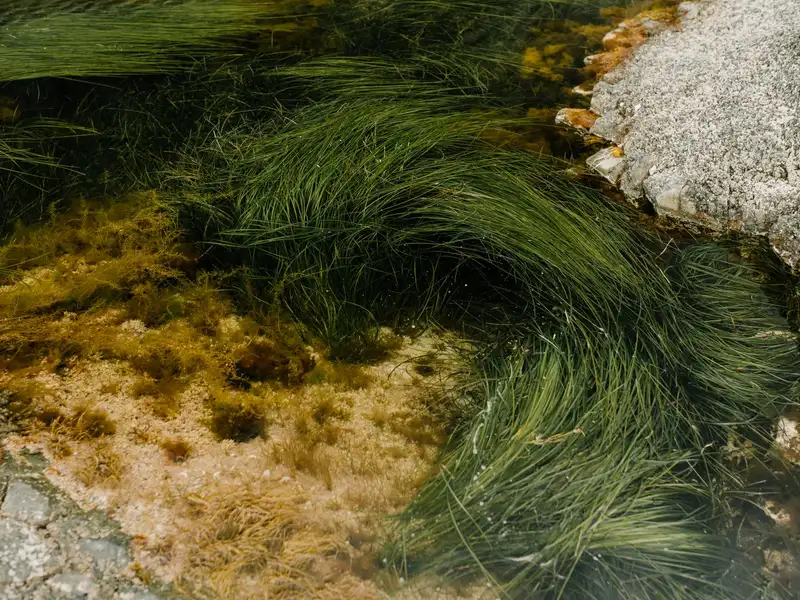
Light and algae
Algae is rare because narrow lanes block direct sunlight, but fungal growth is rapid on damp walls from the relentless maritime humidity.
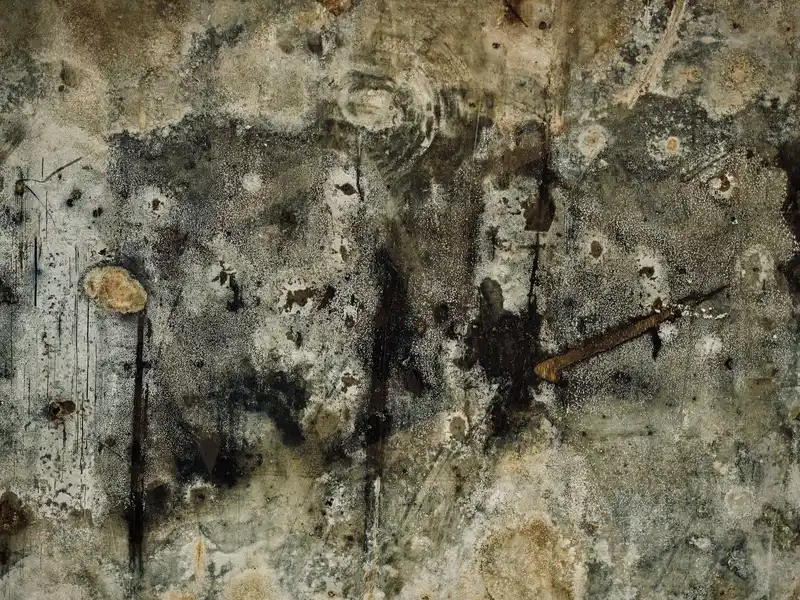
The deposit on the wall
Wall deposits may be red rust from aged metal, white salt crystalline, or black fungal blooms, each requiring different removal methods.
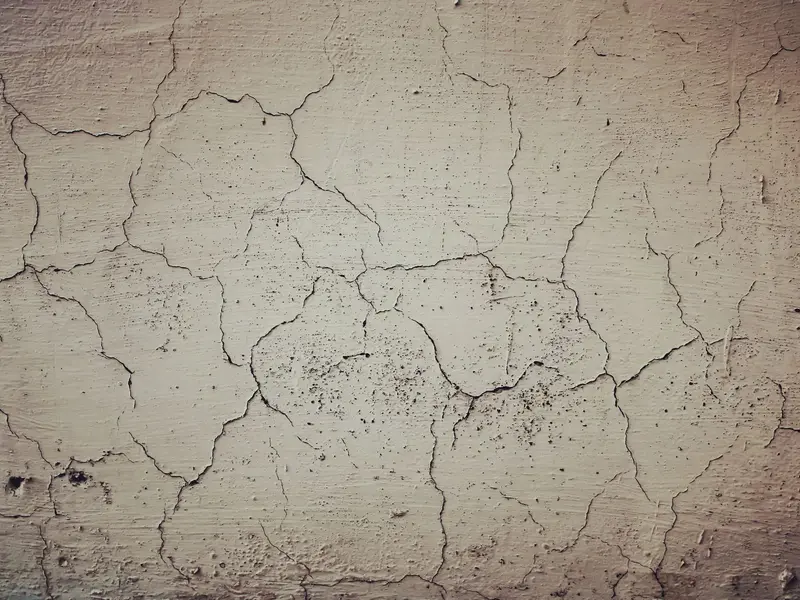
The lining and hairline cracks
Old timber or metal linings may have parted company with the tank body, and cracks may be dangerous, permitting moisture and air to enter the structure.
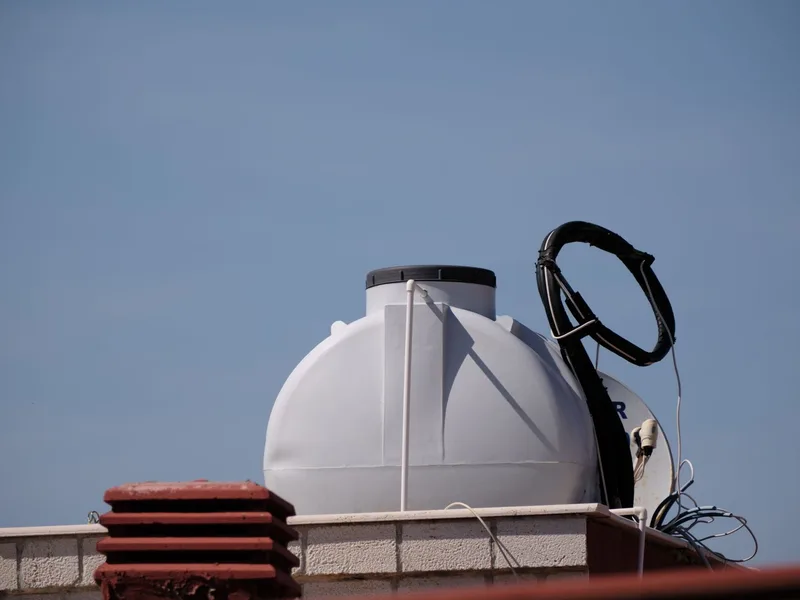
The lid and the access hatch
Covers are often entirely missing or seized by rust and corrosion, and access hatches are packed solid with sand, dust and calcified moisture from decades.
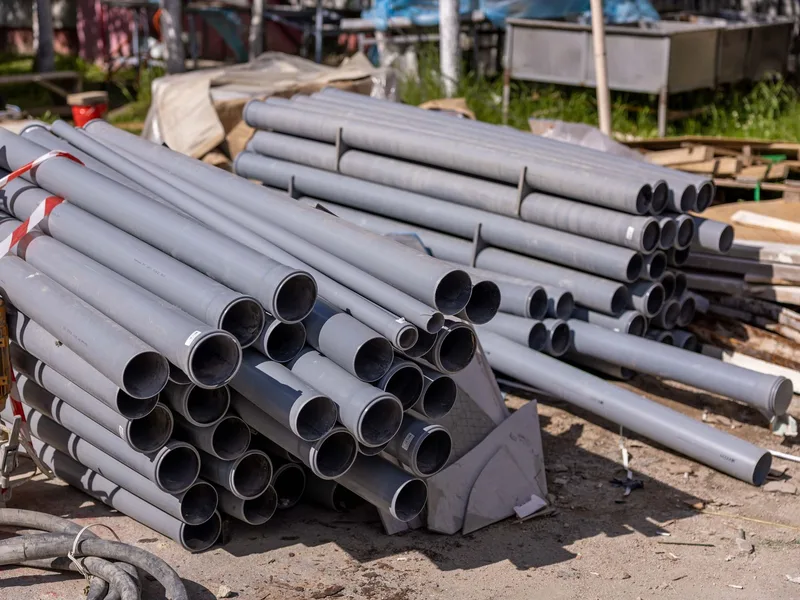
The vent and the overflow pipe
Vent openings may be plugged with mud and hardened damp, and overflow pipes may be defunct or damaged, creating a flood hazard on a fragile historic building.
How we work
-
1
Inspect before the drain
Tank type and material, the condition of the lining, the depth of the sediment, the lid and the vent, and where the drained water will go. We agree the window without supply before anything is opened.
-
2
Drain, then lift the sludge
The water leaves through the outlet, then the layer beneath it is taken out by hand and by suction. That layer is the reason for the visit, not the water that ran out ahead of it.
-
3
High pressure wash
Walls, floor and the joint where they meet, with a brush wherever the film resists, then the wash water is taken out completely so nothing we lifted settles again.
-
4
Disinfect and put back in service
Disinfectant over every internal surface, left for its contact time and then rinsed out, followed by the refill, a first draw off at the taps, and a report on what was inside the tank.
What water tank cleaning includes
-

An inspection before the valve
Tank type, lining condition, depth of sediment, lid and vent, recorded before any water leaves.
-

Full drain and sediment removal
The water through the outlet, and the layer below it by hand and by suction until the floor itself is showing.
-

Pressure washing walls and floor
High pressure across the surfaces and corners, and a brush on anything water alone will not lift.
-

Disinfection after the wash
A disinfectant intended for drinking water tanks, named to you before it is used, left for its contact time and then rinsed out.
-

Refill and the first draw off
We refill, run the taps so the new water moves through the pipework, and tell you when it is ready to use.
-

A report and the next date
What was inside the tank, anything on the lid or the lining that needs repair, and a sensible date for the next clean.
What is different about Historic Jeddah Municipality
The Historic Jeddah municipality covers the quarters of Al Balad inside the old wall: Al Mazloum, Al Sham, Al Yaman and Al Bahr. The buildings are tall houses of coral limestone and timber rawashin, centuries old, standing shoulder to shoulder on narrow lanes that see little sun, many under restoration or partly vacant. The ground is low and close to the sea and the harbour, humidity stays high through the year, and popular souqs and eateries trade late into the night. Old timber, voids between walls and goods stores create conditions favoured by termites, cockroaches, rodents and wood boring beetles.
Questions about this district
The water has a thick, strange smell. Is it the tank itself?
Probably. Very old tanks in the quarter may have rusty metal or decaying timber emitting a pervasive odour, and fungi blooming on damp walls add their own reek. Deep cleaning and disinfection can reduce it, but full elimination may require tank replacement, not just cleaning.
The tank is very old. Will high pressure damage it?
It might. Very old metal tanks or thin concrete cannot withstand high pressure without rupturing. We inspect first, and may use gentler pressure or hand scrubbing instead of the pump to avoid damage to the structure.
Should I be worried about white ants living in the tank?
Termites do not live in water itself, but they may inhabit the timber framework of the tank or the wooden supports around it. Cleaning and disinfecting stops the fungi they feed on, but timber may need separate treatment to eliminate them.
The roof space is extremely tight. How do you reach the tank?
We move very carefully on ancient roofs, and we may use small portable ladders. We carry cleaning equipment on our shoulders, and we sometimes ask residents to help pass water containers where there is no space to work.
The tank is an old stone cistern with visible cracks. Should it be replaced?
Probably yes, eventually. Deep cracks let water seep and allow moisture to penetrate the walls of the building itself. If the cracks are severe, replacement may be better than cleaning alone and hoping the structure holds.
Does sea salt from the air get into the tank?
Yes, salt deposits on surfaces around the tank and the rare rainfall carries it inside. Regular cleaning removes these salt deposits and prevents the crystalline buildup that corrodes old tanks.
How much does water tank cleaning in Harat Al Mazloum cost?
It is set after the inspection, because the price follows the type of infestation, the size of the space, how far it has spread and the number of visits it needs. Send a photo and a description on WhatsApp and we will give you an estimate before we reach Harat Al Mazloum.
Nearby districts we cover
Other services in Harat Al Mazloum
Other services we provide to residents of Harat Al Mazloum.
-
 Residential
Cockroach control
Residential
Cockroach control
-
 Residential
Bed bug control
Residential
Bed bug control
-
 Residential
Termite control
Residential
Termite control
-
 Residential
Rodents and mice
Residential
Rodents and mice
-
 Residential
Mosquito control
Residential
Mosquito control
-
 Residential
Fly control
Residential
Fly control
-
 Residential
Ant control
Residential
Ant control
-
 Residential
Gecko control
Residential
Gecko control
-
 Residential
Scorpion control
Residential
Scorpion control
-
 Residential
Snake control
Residential
Snake control
-
 Residential
Flea control
Residential
Flea control
-
 Residential
Bird and pigeon control
Residential
Bird and pigeon control
-
 Residential
Preventive treatment
Residential
Preventive treatment
-
 Residential
Disinfection
Residential
Disinfection
-
 Commercial
Annual contracts
Commercial
Annual contracts
-
 Commercial
Restaurants and cafes
Commercial
Restaurants and cafes
-
 Commercial
Hotels and apartments
Commercial
Hotels and apartments
-
 Commercial
Warehouses and factories
Commercial
Warehouses and factories
-
 Commercial
Schools and nurseries
Commercial
Schools and nurseries
-
 Commercial
Retail and malls
Commercial
Retail and malls
-
 Commercial
Rest houses and farms
Commercial
Rest houses and farms
-
 Commercial
Fumigation
Commercial
Fumigation
-
 Water tanks
Water tank sterilization
Water tanks
Water tank sterilization
-
 Water tanks
Water tank sealing
Water tanks
Water tank sealing
-
 Water tanks
Tank leak repair
Water tanks
Tank leak repair
Need water tank cleaning in Harat Al Mazloum? Tell us what you saw and we will tell you what it needs
We reach Harat Al Mazloum at a time we agree, and you get the full cost before we start.