
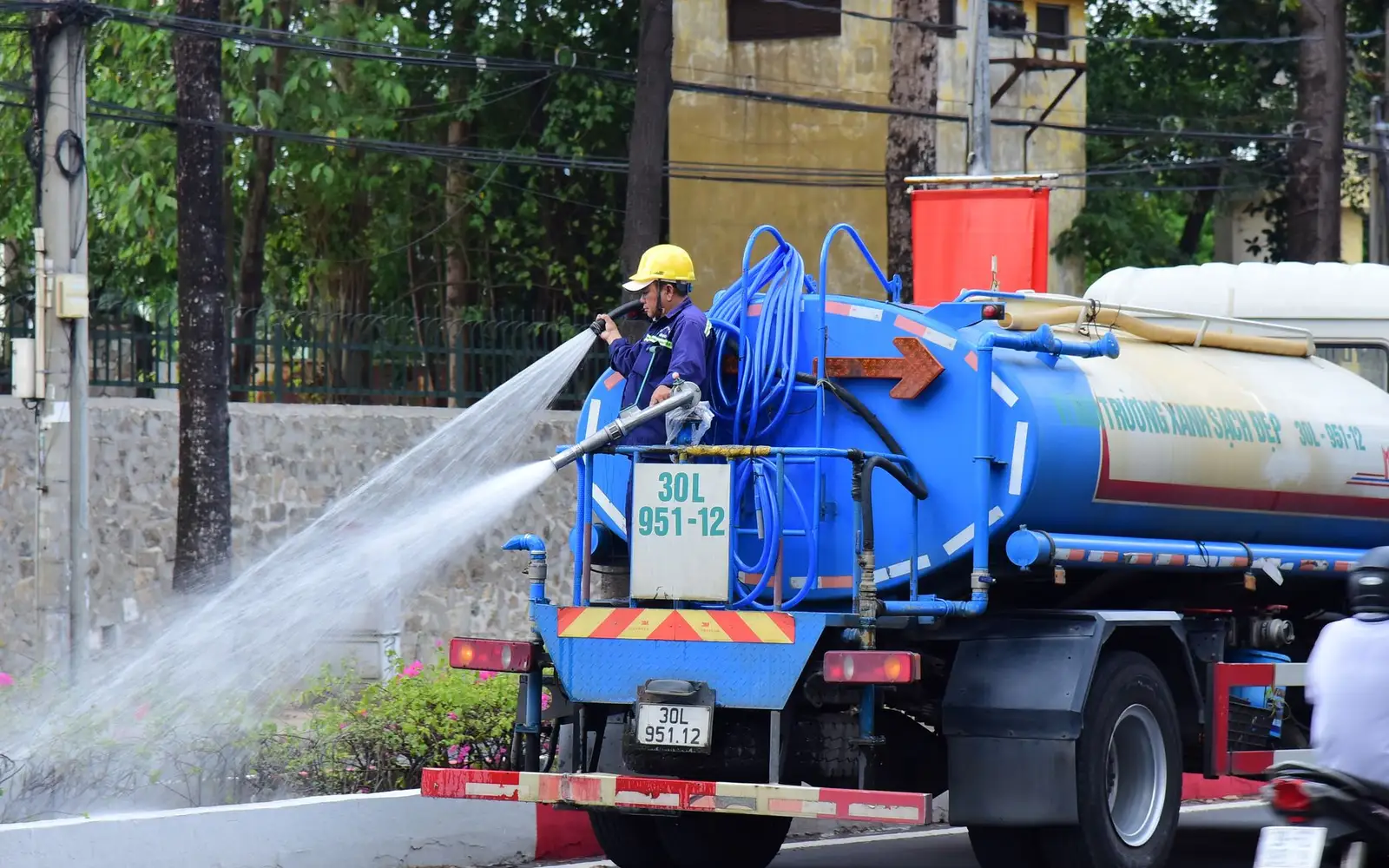
Water tank cleaning in Harat Al Sham Jeddah
Harat Al Sham is the historic heart inside the old wall at Bab Al Madinah, with tall coral stone buildings crowded along impossibly narrow lanes. Tanks here are ancient, cramped and bonded to heritage walls that cannot take high pressure, so work demands precision and deep knowledge of old stone house construction.
-
Potable-rated materials
Linings and disinfectants cleared for drinking water tanks, not general-purpose products.
-
You get the downtime first
How many hours the tank is out of service, told before we start rather than after we finish.
-
A first-draw flush
We run the first draw off after refilling, and the tank is not handed back until the water runs clear.
-
Ground and roof tanks
Villas, apartment blocks and premises that need a written record of each visit.
Why the job is different in Harat Al Sham
Tanks here are small, deep and bonded to thick ancient stone walls. Water sits for long stretches because resident numbers are low and consumption is minimal. The method is set out in full on the full Water tank cleaning page.
Ancient stone walls and tanks built into them
Tanks are built directly into the foundation stones or cemented to them. High pressure washing risks cracking the old stone or fracturing the ancient mortar between blocks.
Narrow lanes, stone stairs and difficult access
Lanes are too tight for vehicles, stairs are steep with high steps. Heavy cleaning equipment cannot enter, so work must be done largely by hand using lighter tools.
Standing water and heavy sediment from very low consumption
Few residents now live in Harat Al Sham, so water sits in the tank for extended periods. Sediment becomes thick and compacted, odours intensify and bacterial infection runs deep.
Harat Al Sham on the map
Harat Al Sham sits about 0.5 km from Harat Al Mazloum and about 0.5 km from Harat Al Bahr.
Open in Google MapsThe condition of the tank decides the method
A protected historic quarter with tall stone buildings and extremely tight lanes, small old tanks in closely packed structures, and difficult access via narrow lanes and stone stairs.
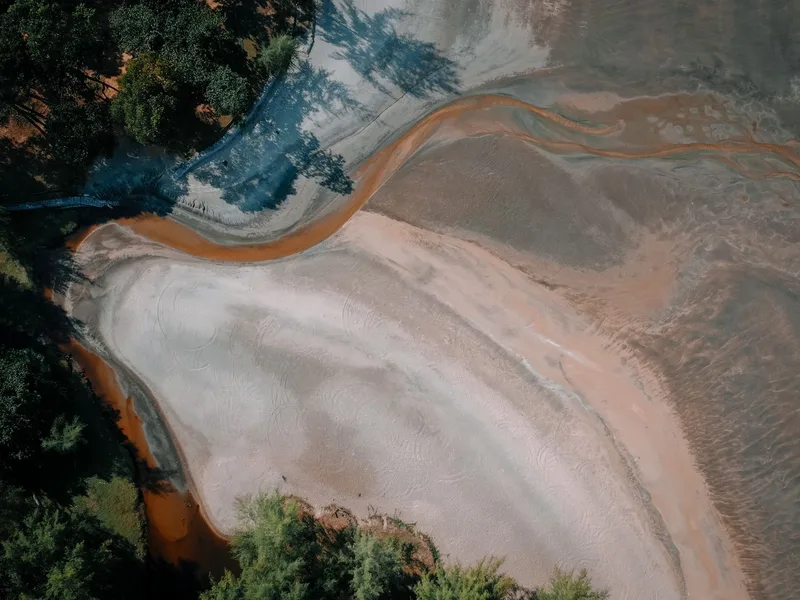
The layer on the floor
The floor layer is black and very heavy because water stands for long periods and bacteria colonise deeply. Removal requires patience and avoids high pressure that could split the stone.
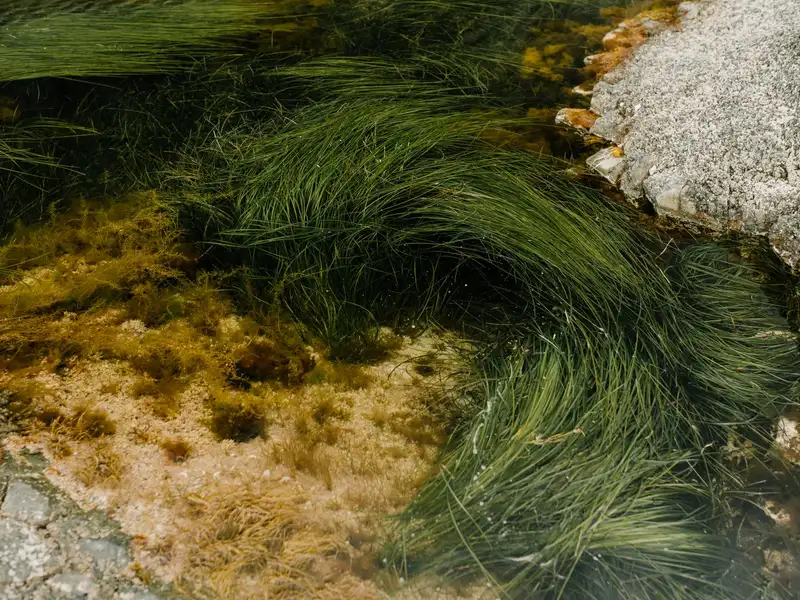
Light and algae
Black algae and fungal growth dominate here more than green algae. Low light and shade favour fungi over algae.
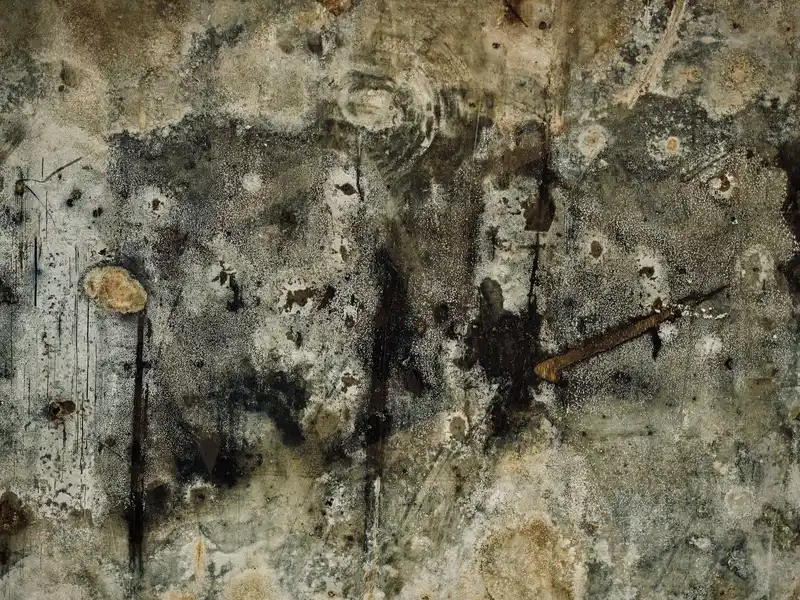
The deposit on the wall
The wall surface is ancient stone naturally thick and solid, but old cement mortar between blocks may be weak. Washing demands extreme care.
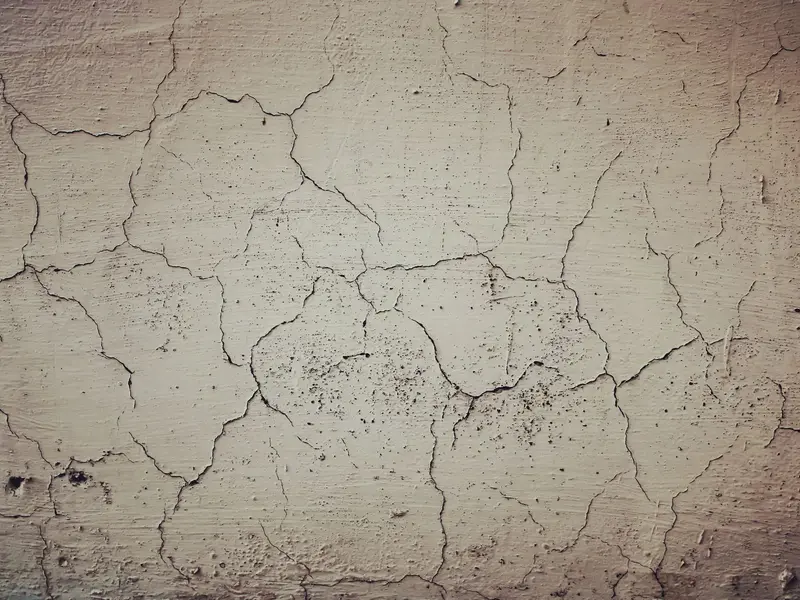
The lining and hairline cracks
Some tanks have no modern lining and are just stone itself, or have old weak cement that will crumble under pressure.
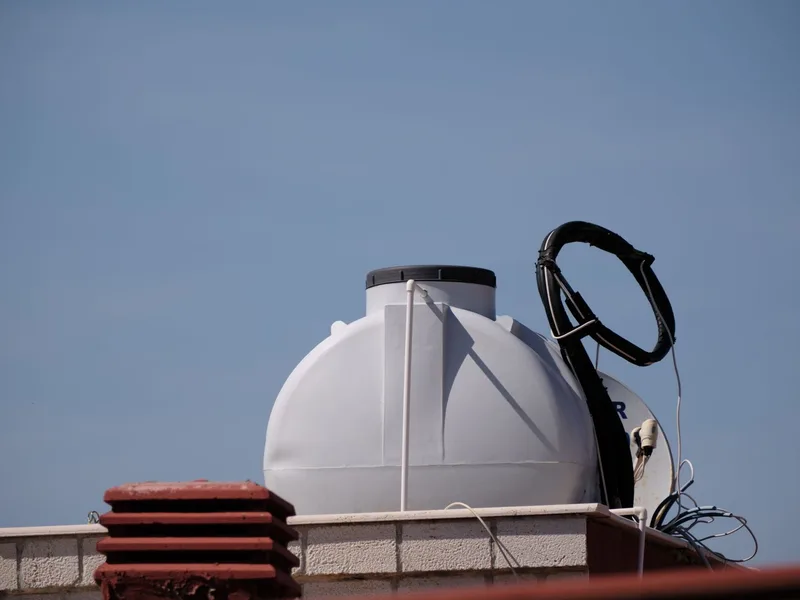
The lid and the access hatch
Lids are ancient stone or heavily corroded metal. Access hatches are extremely tight and sticky. Some lack proper seals.
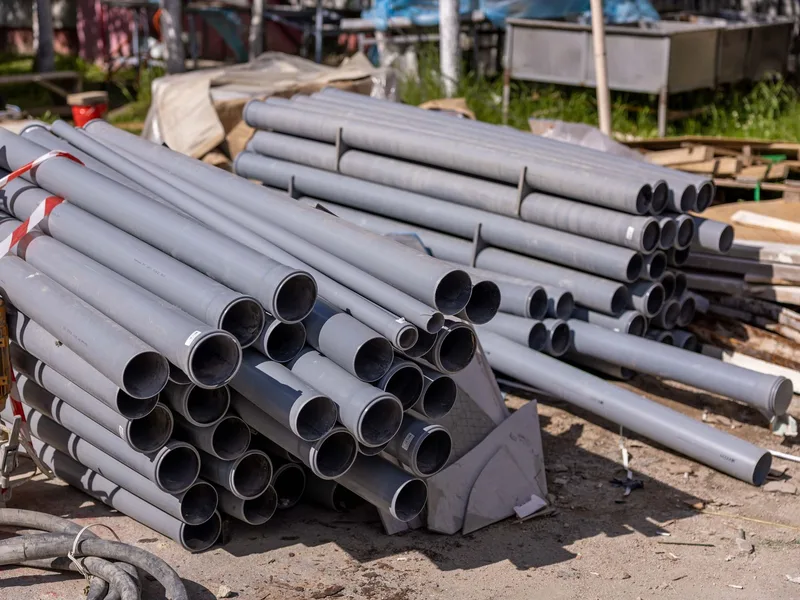
The vent and the overflow pipe
Air vents and overflow pipes may be choked with dust and mould. Cleaning must be cautious to avoid breaking old piping.
How we work
-
1
Inspect before the drain
Tank type and material, the condition of the lining, the depth of the sediment, the lid and the vent, and where the drained water will go. We agree the window without supply before anything is opened.
-
2
Drain, then lift the sludge
The water leaves through the outlet, then the layer beneath it is taken out by hand and by suction. That layer is the reason for the visit, not the water that ran out ahead of it.
-
3
High pressure wash
Walls, floor and the joint where they meet, with a brush wherever the film resists, then the wash water is taken out completely so nothing we lifted settles again.
-
4
Disinfect and put back in service
Disinfectant over every internal surface, left for its contact time and then rinsed out, followed by the refill, a first draw off at the taps, and a report on what was inside the tank.
What water tank cleaning includes
-

An inspection before the valve
Tank type, lining condition, depth of sediment, lid and vent, recorded before any water leaves.
-

Full drain and sediment removal
The water through the outlet, and the layer below it by hand and by suction until the floor itself is showing.
-

Pressure washing walls and floor
High pressure across the surfaces and corners, and a brush on anything water alone will not lift.
-

Disinfection after the wash
A disinfectant intended for drinking water tanks, named to you before it is used, left for its contact time and then rinsed out.
-

Refill and the first draw off
We refill, run the taps so the new water moves through the pipework, and tell you when it is ready to use.
-

A report and the next date
What was inside the tank, anything on the lid or the lining that needs repair, and a sensible date for the next clean.
Landmarks of Harat Al Sham
Crews enter via Bab Jadid from the main street then walk the narrow lanes to the tanks. Historic buildings like Dar Al Zahid and Banaja House are well known local landmarks within the quarter.
- Bab Jadid
- Dar Al Zahid
- Banaja House
- Ribat Al Khunji Al Kabeer
- The Qishla
Questions about this district
Is cleaning a tank in an old stone building very different from modern concrete tanks?
Yes. High pressure can crack old stone or mortar. Cleaning must use lighter pressure and take much longer.
How do tools and equipment reach tanks in lanes so narrow that cars cannot fit?
Lanes cannot take vehicles. The crew carries tools by hand and work is slower, needing careful planning.
Why does the water smell so strange in these old quarters despite the very small population?
Water sits for long stretches in the tank so bacteria multiply and organic matter breaks down. Poor ventilation makes the problem worse.
Are small cracks in the old stone tank surface just cosmetic or do they let water through?
Some are surface only, some run deep. Accurate diagnosis requires careful inspection. Deep cracks may need repair, not just cleaning.
Is black mould on the stone tank walls dangerous to health?
Black mould signals high humidity and can affect health. Full disinfection and good ventilation are essential to remove it.
How often should a tank in an ancient stone house need cleaning?
An old stone house tank needs cleaning every three to four months at least, because water sits longer and contamination runs deeper.
How much does water tank cleaning in Harat Al Sham cost?
It is set after the inspection, because the price follows the type of infestation, the size of the space, how far it has spread and the number of visits it needs. Send a photo and a description on WhatsApp and we will give you an estimate before we reach Harat Al Sham.
Nearby districts we cover
Other services in Harat Al Sham
Other services we provide to residents of Harat Al Sham.
-
 Residential
Cockroach control
Residential
Cockroach control
-
 Residential
Bed bug control
Residential
Bed bug control
-
 Residential
Termite control
Residential
Termite control
-
 Residential
Rodents and mice
Residential
Rodents and mice
-
 Residential
Mosquito control
Residential
Mosquito control
-
 Residential
Fly control
Residential
Fly control
-
 Residential
Ant control
Residential
Ant control
-
 Residential
Gecko control
Residential
Gecko control
-
 Residential
Scorpion control
Residential
Scorpion control
-
 Residential
Snake control
Residential
Snake control
-
 Residential
Flea control
Residential
Flea control
-
 Residential
Bird and pigeon control
Residential
Bird and pigeon control
-
 Residential
Preventive treatment
Residential
Preventive treatment
-
 Residential
Disinfection
Residential
Disinfection
-
 Commercial
Annual contracts
Commercial
Annual contracts
-
 Commercial
Restaurants and cafes
Commercial
Restaurants and cafes
-
 Commercial
Hotels and apartments
Commercial
Hotels and apartments
-
 Commercial
Warehouses and factories
Commercial
Warehouses and factories
-
 Commercial
Schools and nurseries
Commercial
Schools and nurseries
-
 Commercial
Retail and malls
Commercial
Retail and malls
-
 Commercial
Rest houses and farms
Commercial
Rest houses and farms
-
 Commercial
Fumigation
Commercial
Fumigation
-
 Water tanks
Water tank sterilization
Water tanks
Water tank sterilization
-
 Water tanks
Water tank sealing
Water tanks
Water tank sealing
-
 Water tanks
Tank leak repair
Water tanks
Tank leak repair
Need water tank cleaning in Harat Al Sham? Tell us what you saw and we will tell you what it needs
We reach Harat Al Sham at a time we agree, and you get the full cost before we start.