
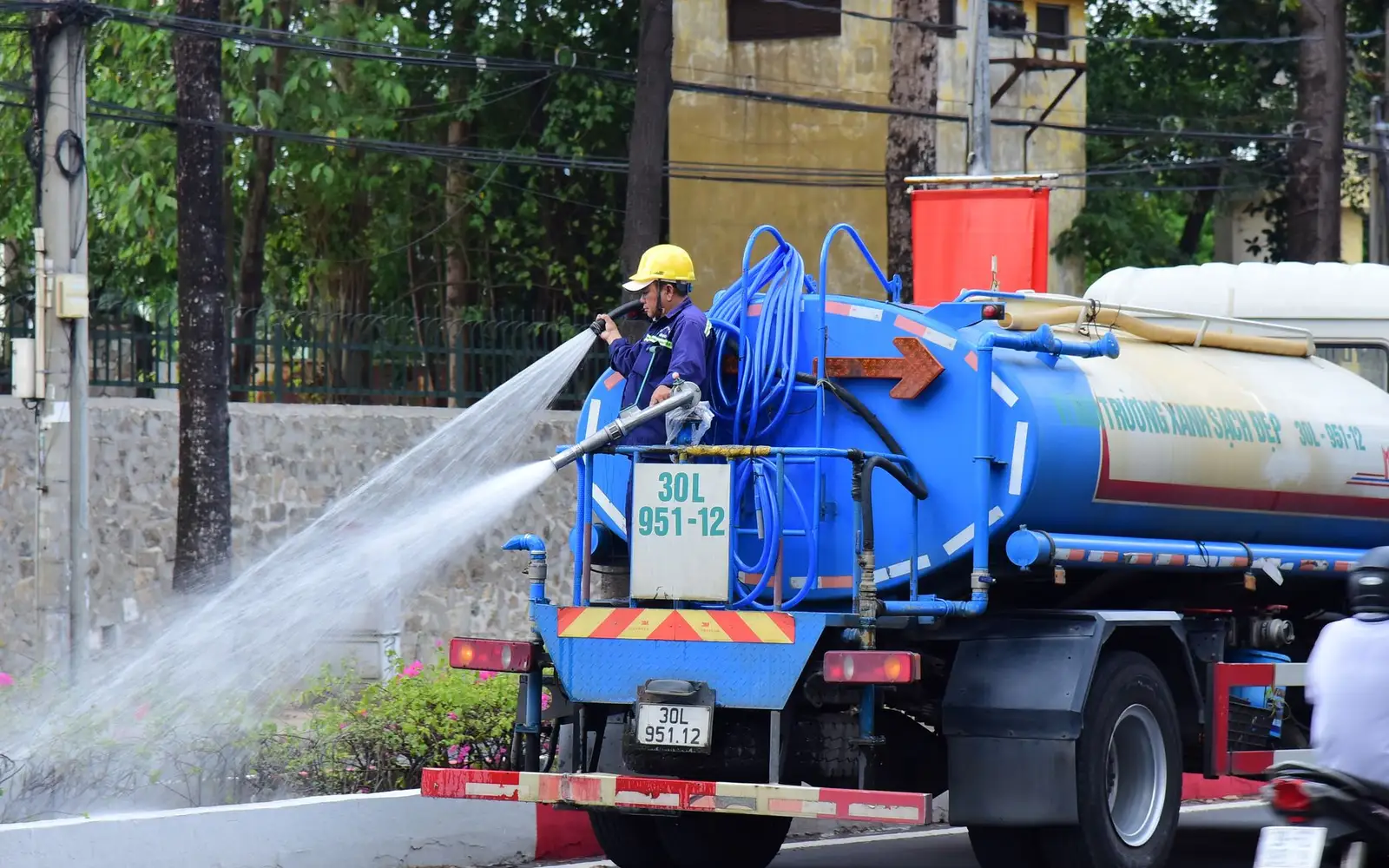
Water tank cleaning in Thaniyah Makkah
Thaniyah is a rural area on the eastern fringe of Al Sharai well away from dense building. Your tanks collect sediment from wells and surrounding farmland. In places like Abid Al Qurashi hamlet, water passes through mineral-rich soil before it reaches you, and surface seepage brings particles from ravines that feed Wadi Mudarraja.
-
Potable-rated materials
Linings and disinfectants cleared for drinking water tanks, not general-purpose products.
-
You get the downtime first
How many hours the tank is out of service, told before we start rather than after we finish.
-
A first-draw flush
We run the first draw off after refilling, and the tank is not handed back until the water runs clear.
-
Ground and roof tanks
Villas, apartment blocks and premises that need a written record of each visit.
Why the job is different in Thaniyah
Water from rural wells and deep boreholes carries a much higher proportion of iron and salt compared to town centre supply areas. The method is set out in full on our Water tank cleaning service.
Deep wells carry very heavy mineral loads
Tanks in Thaniyah fed from deep boreholes hold water with high iron and salt content. Red and brown sediments that settle on the floor are difficult to clean and return quickly.
Farmland around the tank increases moisture and pollutants
Agricultural land and small farms around the tank trap moisture and provide fertile ground for insects and worms. Rural tanks need more frequent inspection of maintenance openings and covers.
Long cracks in old tanks create paths for leakage
Old stone and concrete tanks in Thaniyah contain deep cracks from years of drying and expansion. These cracks allow slow seepage and let insects enter from surrounding soil.
The character of Thaniyah
Rural area: farms, open ground and scattered homes
Rural areas like Thaniyah rely on deep wells rather than a central supply network, which means water carries more minerals and salt. Your tanks need deeper and more frequent cleaning than town tanks.
The condition of the tank decides the method
Thaniyah is open hilly ground east of Uhud between the hamlet and Al Hatim, with Abid Al Qurashi and ravines feeding Wadi Mudarraja. The soil is farmland rich in minerals and moisture.
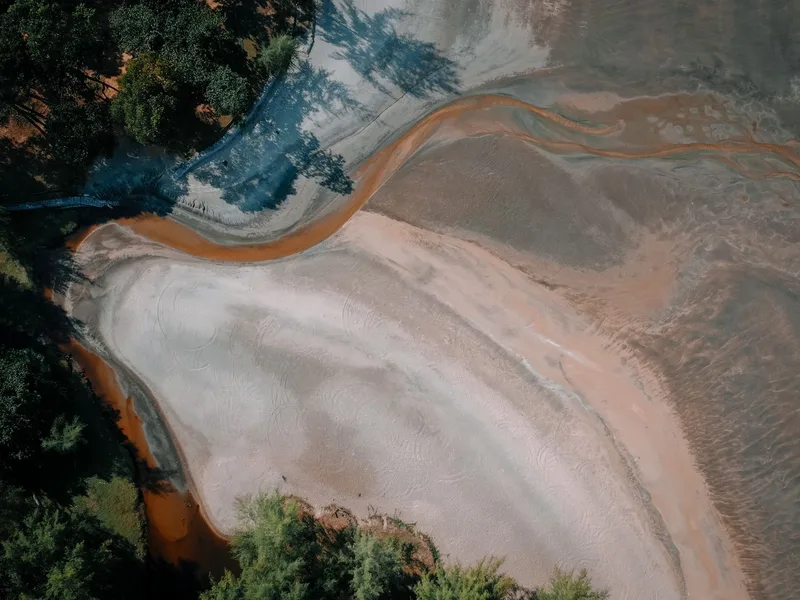
The layer on the floor
The sediment layer on the floor in Thaniyah is red and brown from iron and metal oxides, builds up quickly and becomes hard and difficult to clean.
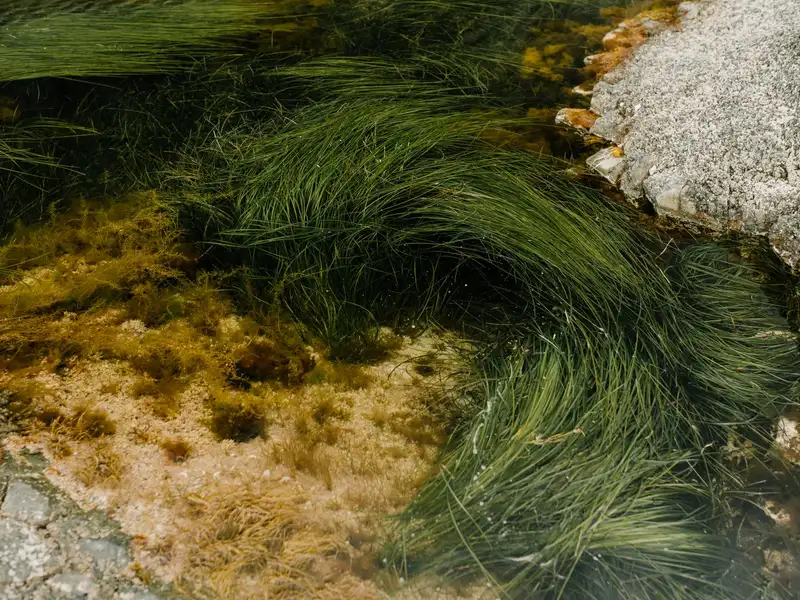
Light and algae
Light and algae are rare in rural tanks but high humidity encourages worms and bacteria to grow in the sediment.
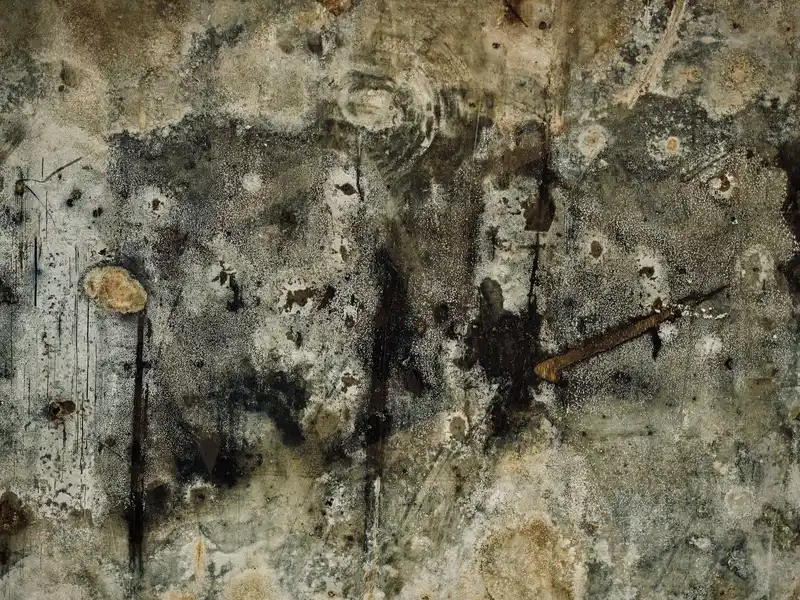
The deposit on the wall
The wall deposit in Thaniyah tanks is thick and stuck fast because of iron and salt, and needs strong high pressure cleaning.
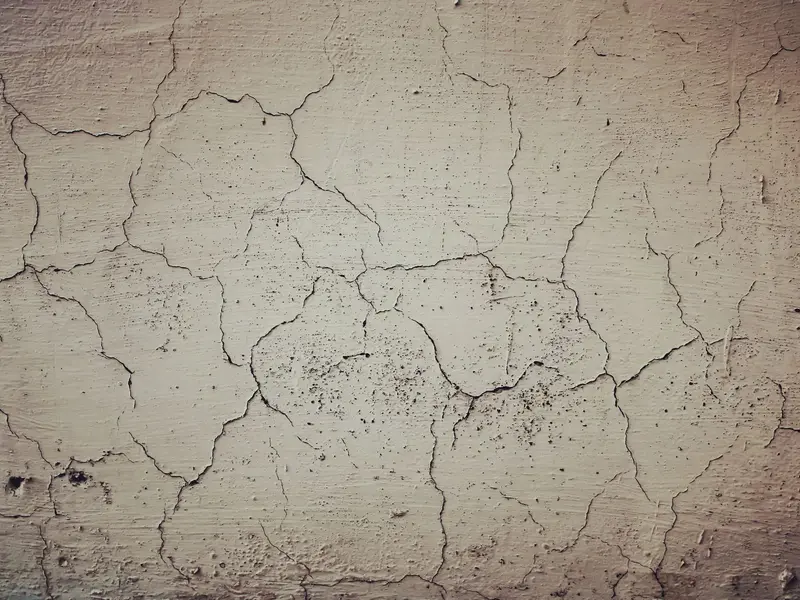
The lining and hairline cracks
The lining and hairline cracks in old stone and concrete tanks are deep and allow slow leakage and insect entry from surrounding soil.
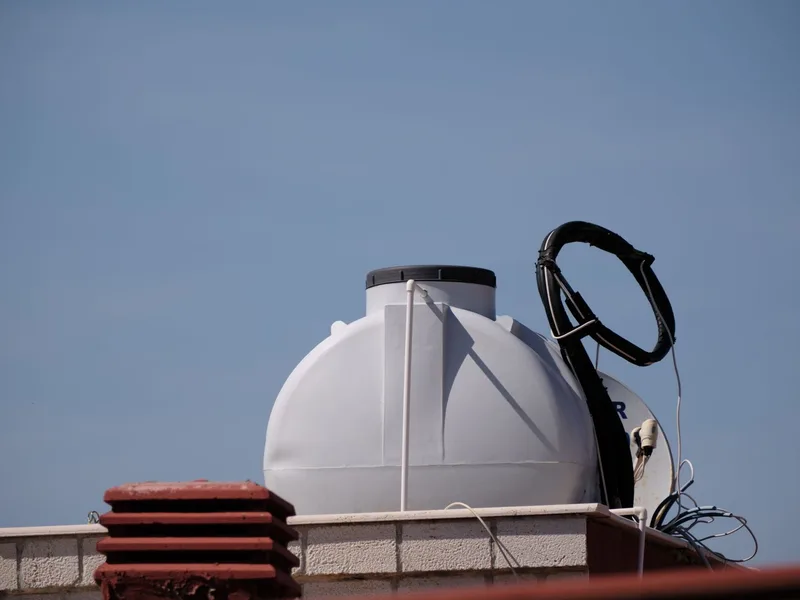
The lid and the access hatch
The lid and access hatch in Thaniyah must be very tight to prevent insects and moisture from surrounding farmland entering.
The vent and the overflow pipe
The vent opening and overflow pipe may become blocked by leaves and dust from the farmland, leading to poor ventilation.
How we work
-
1
Inspect before the drain
Tank type and material, the condition of the lining, the depth of the sediment, the lid and the vent, and where the drained water will go. We agree the window without supply before anything is opened.
-
2
Drain, then lift the sludge
The water leaves through the outlet, then the layer beneath it is taken out by hand and by suction. That layer is the reason for the visit, not the water that ran out ahead of it.
-
3
High pressure wash
Walls, floor and the joint where they meet, with a brush wherever the film resists, then the wash water is taken out completely so nothing we lifted settles again.
-
4
Disinfect and put back in service
Disinfectant over every internal surface, left for its contact time and then rinsed out, followed by the refill, a first draw off at the taps, and a report on what was inside the tank.
What water tank cleaning includes
-

An inspection before the valve
Tank type, lining condition, depth of sediment, lid and vent, recorded before any water leaves.
-

Full drain and sediment removal
The water through the outlet, and the layer below it by hand and by suction until the floor itself is showing.
-

Pressure washing walls and floor
High pressure across the surfaces and corners, and a brush on anything water alone will not lift.
-

Disinfection after the wash
A disinfectant intended for drinking water tanks, named to you before it is used, left for its contact time and then rinsed out.
-

Refill and the first draw off
We refill, run the taps so the new water moves through the pipework, and tell you when it is ready to use.
-

A report and the next date
What was inside the tank, anything on the lid or the lining that needs repair, and a sensible date for the next clean.
Landmarks of Thaniyah
Thaniyah lies east of Uhud between the Makkah to Taif expressway to the south, and includes Abid Al Qurashi hamlet and ravines that feed Wadi Mudarraja. Tanks scattered across this rural area near the hamlet and wadis require special care because of humidity and deep groundwater.
- Makkah to Taif Expressway
- Wadi Mudarraja
- Abid Al Qurashi Hamlet
Questions about this district
Water from the rural tank is reddish with dampness. Why?
Water from deep boreholes carries iron and metal oxides. Heat and humidity in the tank speed up iron oxidation. Cleaning removes the colour but the problem returns over time.
There is permanent moisture around the tank even without rain?
Agricultural land and nearby wells raise the groundwater level. Tank moisture is natural in rural areas and speeds corrosion of the external lining.
We found various insects around the access hatch in Thaniyah?
Farmland and high groundwater create ideal conditions for insects and worms. Covers and openings must be inspected regularly and protective barriers added.
The old tank and soil around it is very salty. Does it matter?
Salt from deep wells and groundwater seeps slowly into the lining. This speeds up concrete and stone corrosion over time.
After cleaning and disinfection the water turned reddish again within a week?
Iron in borehole water does not disappear through cleaning alone. Draining the tank removes existing sediment but new water brings fresh iron.
Does a rural tank need more frequent cleaning than town tanks?
Yes, rural tanks need more frequent cleaning because of sediment from wells and mineral-rich groundwater. The interval between cleanings is shorter than in city districts.
How much does water tank cleaning in Thaniyah cost?
It is set after the inspection, because the price follows the type of infestation, the size of the space, how far it has spread and the number of visits it needs. Send a photo and a description on WhatsApp and we will give you an estimate before we reach Thaniyah.
Other services in Thaniyah
Other services we provide to residents of Thaniyah.
-
 Residential
Cockroach control
Residential
Cockroach control
-
 Residential
Bed bug control
Residential
Bed bug control
-
 Residential
Termite control
Residential
Termite control
-
 Residential
Rodents and mice
Residential
Rodents and mice
-
 Residential
Mosquito control
Residential
Mosquito control
-
 Residential
Fly control
Residential
Fly control
-
 Residential
Ant control
Residential
Ant control
-
 Residential
Gecko control
Residential
Gecko control
-
 Residential
Scorpion control
Residential
Scorpion control
-
 Residential
Snake control
Residential
Snake control
-
 Residential
Flea control
Residential
Flea control
-
 Residential
Bird and pigeon control
Residential
Bird and pigeon control
-
 Residential
Preventive treatment
Residential
Preventive treatment
-
 Residential
Disinfection
Residential
Disinfection
-
 Commercial
Annual contracts
Commercial
Annual contracts
-
 Commercial
Restaurants and cafes
Commercial
Restaurants and cafes
-
 Commercial
Hotels and apartments
Commercial
Hotels and apartments
-
 Commercial
Warehouses and factories
Commercial
Warehouses and factories
-
 Commercial
Schools and nurseries
Commercial
Schools and nurseries
-
 Commercial
Retail and malls
Commercial
Retail and malls
-
 Commercial
Rest houses and farms
Commercial
Rest houses and farms
-
 Commercial
Fumigation
Commercial
Fumigation
-
 Water tanks
Water tank sterilization
Water tanks
Water tank sterilization
-
 Water tanks
Water tank sealing
Water tanks
Water tank sealing
-
 Water tanks
Tank leak repair
Water tanks
Tank leak repair
Need water tank cleaning in Thaniyah? Tell us what you saw and we will tell you what it needs
We reach Thaniyah at a time we agree, and you get the full cost before we start.