
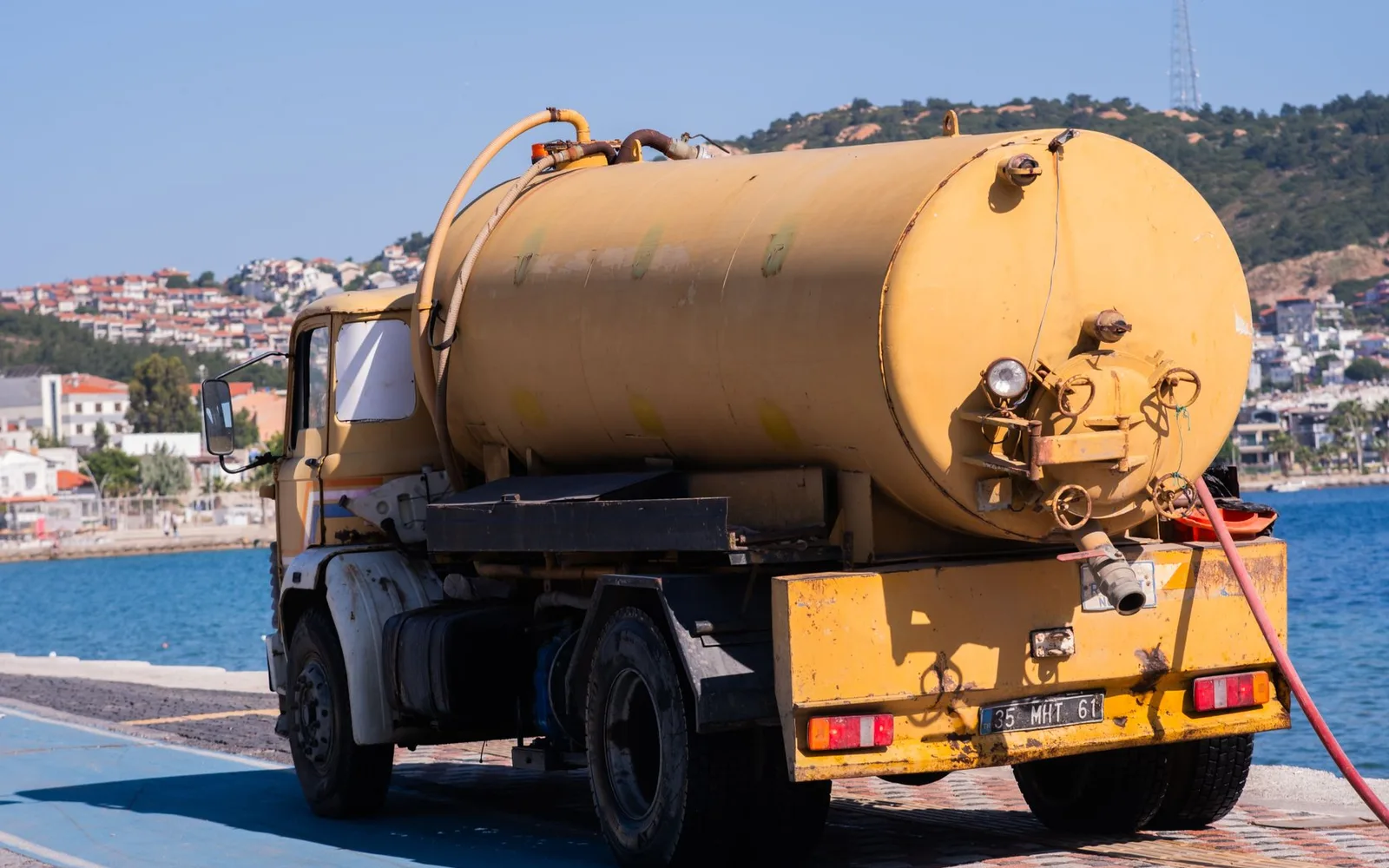
Water tank sealing in Al Muhammadiyah Jeddah
Al Muhammadiyah is an upmarket quarter in northern Jeddah beside the coast and large villas here hold substantial rooftop or underground tanks. Older tanks suffer salt erosion as the salty sea air penetrates cracks and triggers chemical reactions inside. Newer buildings have better-protected tanks but pipe entries and joints remain weak due to original design choices.
-
Potable-rated materials
Linings and disinfectants cleared for drinking water tanks, not general-purpose products.
-
You get the downtime first
How many hours the tank is out of service, told before we start rather than after we finish.
-
A first-draw flush
We run the first draw off after refilling, and the tank is not handed back until the water runs clear.
-
Ground and roof tanks
Villas, apartment blocks and premises that need a written record of each visit.
Why the job is different in Al Muhammadiyah
Villas here range from forty-five years old to brand new and older tanks show rapid salt erosion from high humidity and sea air. The method is set out in full on what Water tank sealing involves.
Large underground tanks in luxury villas
Large villas in Al Muhammadiyah built substantial underground tanks to serve entire household demand. Underground tanks face moisture from external soil walls and groundwater. Cracks appear from external soil pressure and rising groundwater.
Salt erosion from salty sea air
Buildings sit close to shore and sea air carries salts that penetrate fine cracks. Salts react with cement and steel, causing rapid internal erosion faster than in inland quarters.
Modern tanks but weak pipe joints
New buildings on Al Muhammadiyah's edges have modern tanks but entry and exit points were not built to high standards. Water leaks from poor joint quality before it leaks from the tank body itself.
Landmarks of Al Muhammadiyah
Access to villas in Al Muhammadiyah runs via Quraish Street and Prince Sultan Road, with commercial landmarks on the edges marking the service zone.
- Quraish Street
- Prince Sultan Road
- King Abdulaziz Road
- Al Muhammadiyah Park
- Abdulrahman Abu Rashed Mosque
What we read before any material is opened
An upmarket residential quarter between King Abdulaziz Road and Madinah Road in northern Jeddah near the shore, next to Al Shati and Al Basatin, with villas as the main housing type and newer apartment buildings on the edges.
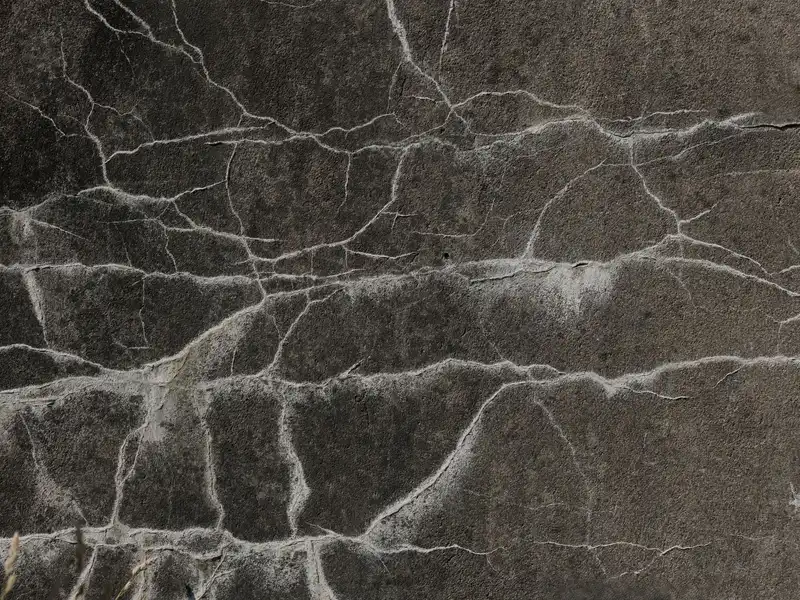
Cracking in the wall
Inspection of salt erosion on tank walls reveals the extent of chemical reactions from sea salt.
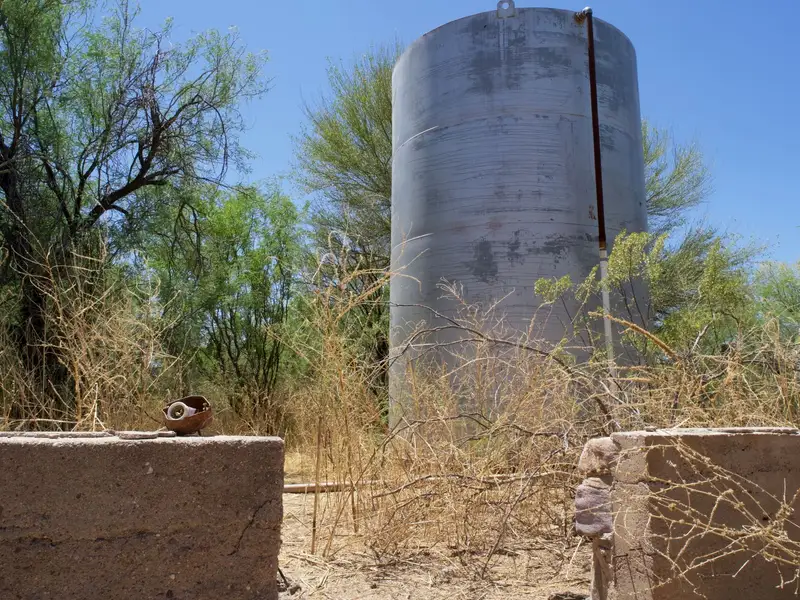
The floor to wall joint
Assessment of rust in reinforced steel tanks determines whether internal structures and joints are compromised.
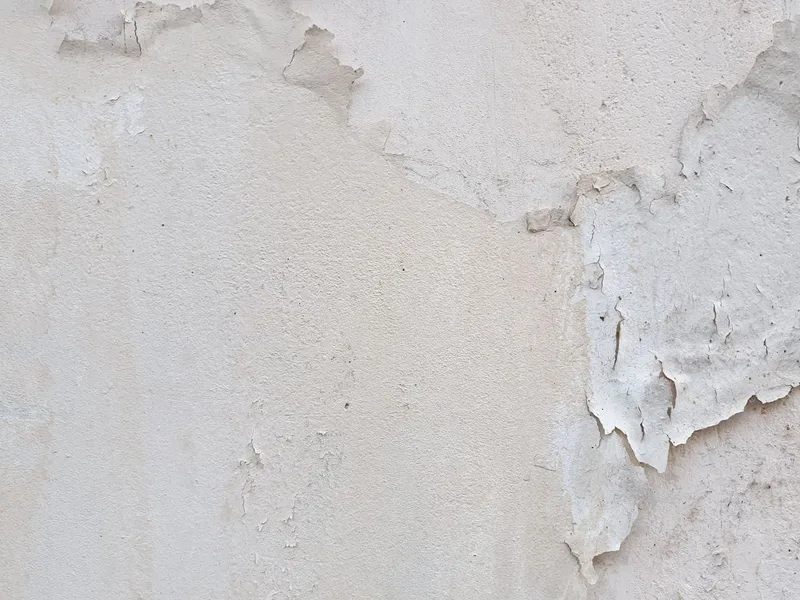
The condition of the old lining
Checking cracks from external soil pressure on underground tanks reveals core structural weakness.
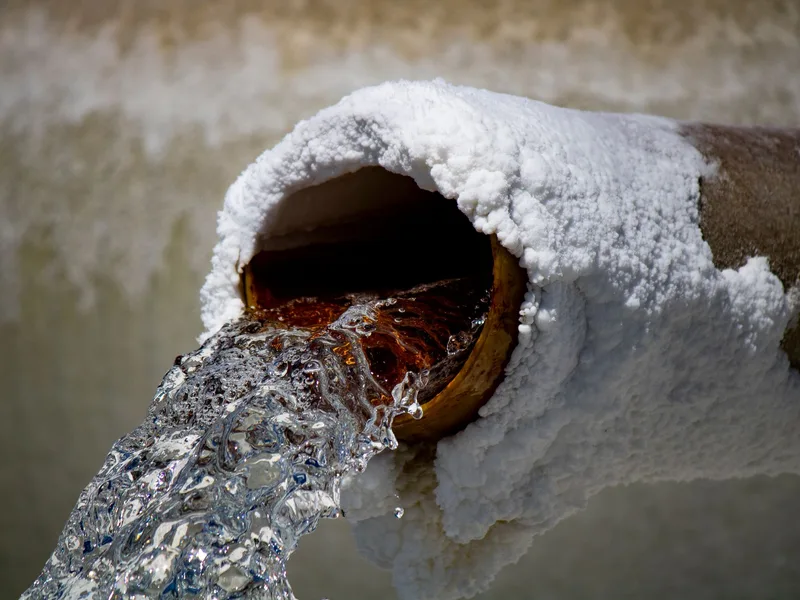
Sediment and scale
Measuring protective coating thickness and its adhesion to tank walls determines protection effectiveness.
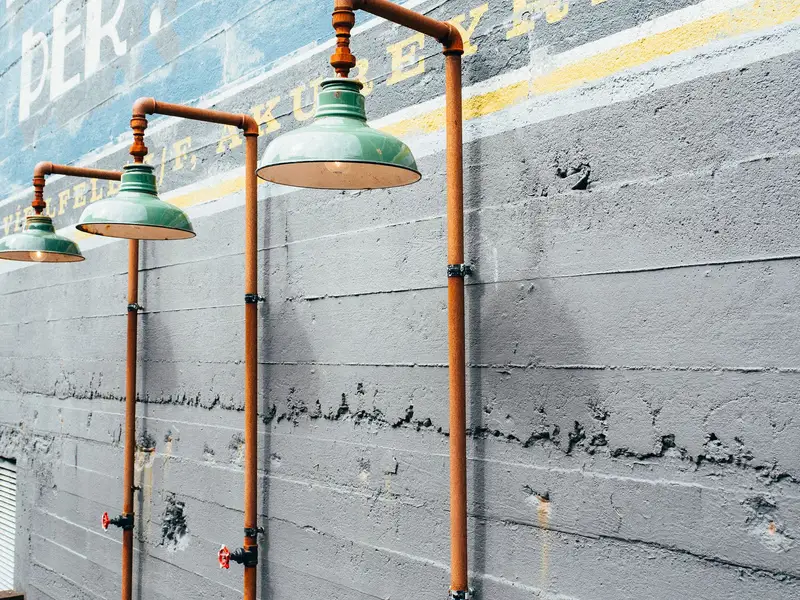
The pipe entries
Verifying salt and rust deposits on the tank floor indicates tank age and prior leaks.
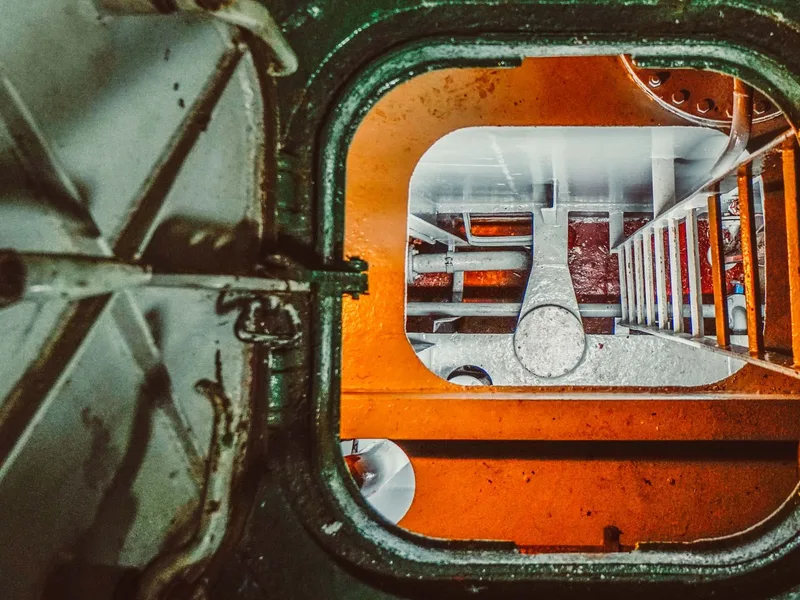
The hatch and the vent
Checking water quality for moisture, salt and bacteria after repair and disinfection.
How we work
-
1
Inspect with the tank empty
We drain it and read the surface dry: whether the water leaves through a crack, a joint or a pipe collar, and what the outer face of the wall and the ceiling below are telling us. A level test with the valves closed separates a leaking tank from leaking pipework.
-
2
Clean and prepare the substrate
Sediment out, a high pressure wash, the loose old lining and the weak surface layer of the concrete taken back, then dried. The material grips sound substrate and nothing else.
-
3
Make the cracks and joints good
Cracks are chased out and filled with a repair mortar, a cove is formed where the floor meets the wall, and every pipe collar is treated on its own.
-
4
Lining, fill test, sterilisation
Successive coats, each run across the one beneath it, on the face the water touches. Then a full cure, a fill with the level watched, and sterilisation with the first fill run to waste before the tank returns to use.
What water tank sealing includes
-

Finding where the water leaves
Carried out drained and dry: cracks, joints, pipe collars and the outer face of the wall.
-

Draining and sediment removal
The last of the water and the settled layer on the floor come out, because a lining does not stick over sediment.
-

Cracks and joints made good
The crack opened and filled, a cove formed at the floor to wall junction, and each pipe entry worked separately.
-

Lining coats on the water face
More than one coat, each crossing the one below, in material made for drinking water tanks rather than roof waterproofing.
-

Curing, fill test and sterilisation
The material is left to cure, the tank is filled and the level watched, then sterilised and the first fill run to waste. How long the cure takes follows the material and the weather, and we tell you before the date so you can plan around the supply.
-

A follow-up level check
We come back once it is in service to read the level and check the outer face, because any remaining loss shows up then rather than on the day of the work.
What is different about Obhur Sub-Municipality
Obhur sub-municipality runs along Jeddah's northern shoreline from Al Shati up to Obhur Creek. It mixes large villas and gated compounds with busy commercial spines of restaurants, cafes, markets and hotels. Sea humidity is high for most of the year and salt laden breezes keep timber and render damp, while irrigated gardens and lawns surround the corniche and the villa plots. Standing irrigation water, dense planting and food waste from the hospitality strip suit cockroaches, mosquitoes and ants, and the chalets and rest houses scattered along the creek stand empty for long spells, which lets insects and rodents settle undisturbed.
Questions about this district
Why do tanks in Al Muhammadiyah corrode faster than other quarters?
Sea air carries salts that enter tanks and react with cement internally. High humidity and salt together cause accelerated erosion.
Are underground tanks in large villas more prone to problems than rooftop tanks?
Yes. Underground tanks face soil pressure and groundwater in addition to sea salt, so cracks appear faster.
What causes rapid cement erosion in a coastal environment?
Sea salts, high humidity and mineral-rich groundwater all trigger chemical reactions that weaken cement.
Does a new tank in a modern building need early repair?
It may need quick attention if joints are weak from the start or if design is poor.
Do premium tanks built with expensive materials resist sea salt better?
All reinforced cement tanks are exposed to sea salt. Protection comes from good coating and insulation, not base material type.
How do we protect a new tank from salt erosion before problems emerge?
High-quality protective coating applied to internal surfaces shields the tank from salts. Routine maintenance and early inspection prevent major problems.
How much does water tank sealing in Al Muhammadiyah cost?
It is set after the inspection, because the price follows the type of infestation, the size of the space, how far it has spread and the number of visits it needs. Send a photo and a description on WhatsApp and we will give you an estimate before we reach Al Muhammadiyah.
Nearby districts we cover
Other services in Al Muhammadiyah
Other services we provide to residents of Al Muhammadiyah.
-
 Water tanks
Water tank cleaning
-
 Water tanks
Water tank sterilization
-
 Water tanks
Tank leak repair
-
 Residential
Cockroach control
Need water tank sealing in Al Muhammadiyah? Tell us what you saw and we will tell you what it needs
We reach Al Muhammadiyah at a time we agree, and you get the full cost before we start.