
Water tank sterilization in Al Basatin Jeddah
Al Basatin is a northern residential district between Al Murjan on the shore and Madinah Road, home to large villas on generous plots and modern compounds. Tanks here are massive because large villas need long-term storage. The distance from water plants means water sits in pipes and tanks for extended periods before use.
-
Potable-rated materials
Linings and disinfectants cleared for drinking water tanks, not general-purpose products.
-
You get the downtime first
How many hours the tank is out of service, told before we start rather than after we finish.
-
A first-draw flush
We run the first draw off after refilling, and the tank is not handed back until the water runs clear.
-
Ground and roof tanks
Villas, apartment blocks and premises that need a written record of each visit.
Why the job is different in Al Basatin
Large villas in Al Basatin typically need tank capacities of 10,000 to 20,000 litres, and long storage increases contamination risk. The method is set out in full on Water tank sterilization in detail.
Spacious villas need massive tank capacities
Villas on large plots have gardens, pools and daily laundry. Tanks hold ten thousand litres or more, and water sits for extended periods before use.
Modern compounds have complex multi-tank pump systems
New compounds have main tanks and intermediate tanks on building roofs. Each tank may carry different contaminants because consumption rates vary.
Distance from main water plants extends water residence time
Al Basatin lies far from the main treatment plants due to its northern position. Water spends long periods in pipes before reaching the tank.
The character of Al Basatin
Villa district: private plots, gardens and a boundary wall to every house
Al Basatin is a residential district dense with large villas and modern compounds. Large villas have massive tank capacities needing deep washing and regular sterilization. Compounds have complex pump systems with multiple tanks needing precise coordinated treatment.
What we read inside the tank before anything starts
A northern residential district between Al Murjan and Madinah Road, dominated by large villas on spacious plots and modern residential compounds. Key landmarks include international schools, Al Mawaddah Park and Roshan Mall.

Sediment on the floor
Heavy metals and dissolved salts from wells settle at the base of large tanks because water sits for long periods.
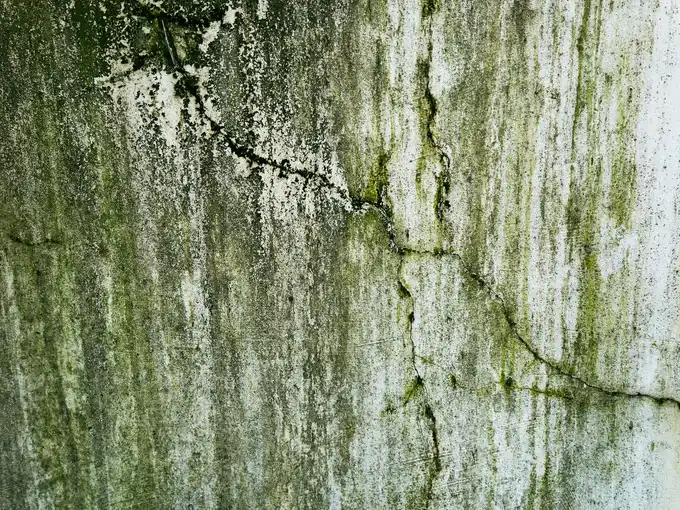
The slime film on the wall
Bacteria and algae grow in static water in large tanks, especially when consumption is intermittent.
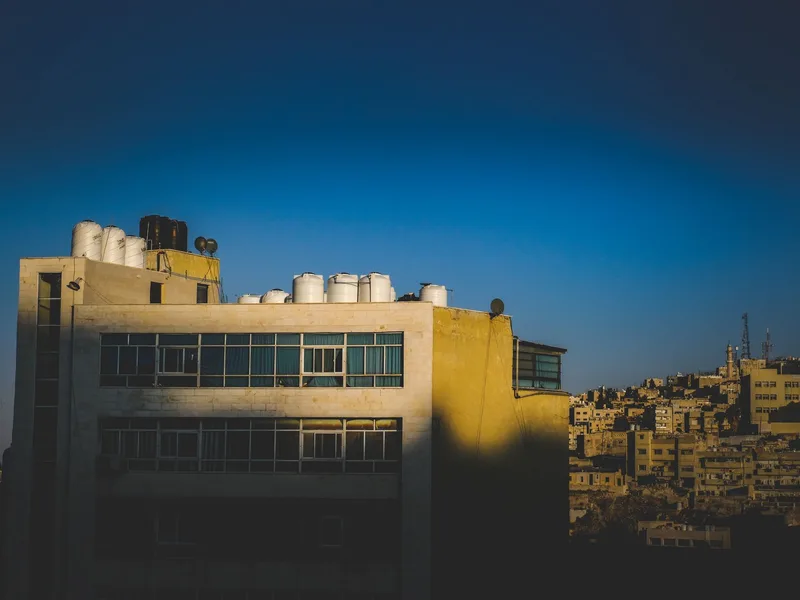
Light and heat
Water pipes from distant plants may carry fine sediment and particles before reaching the tank.
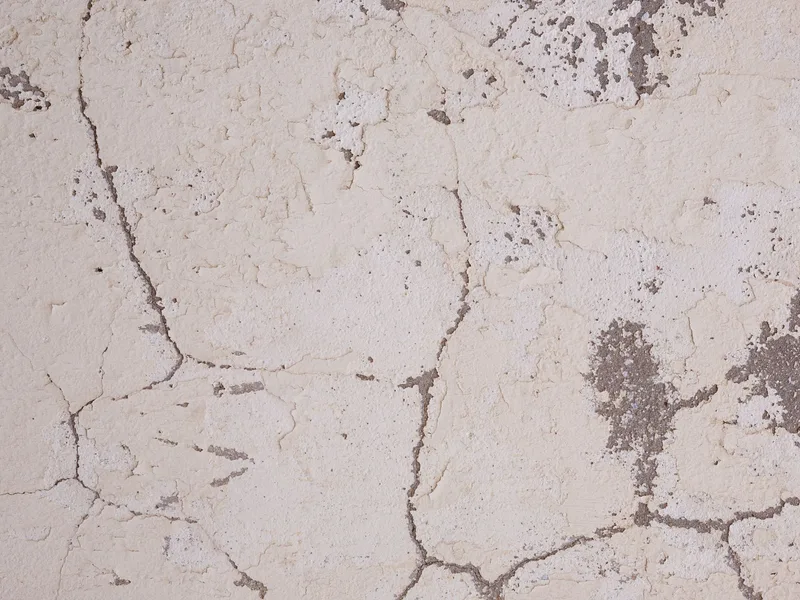
The lining and any cracking
High temperature and humidity on villa and building roofs accelerate slime film growth on tank walls.
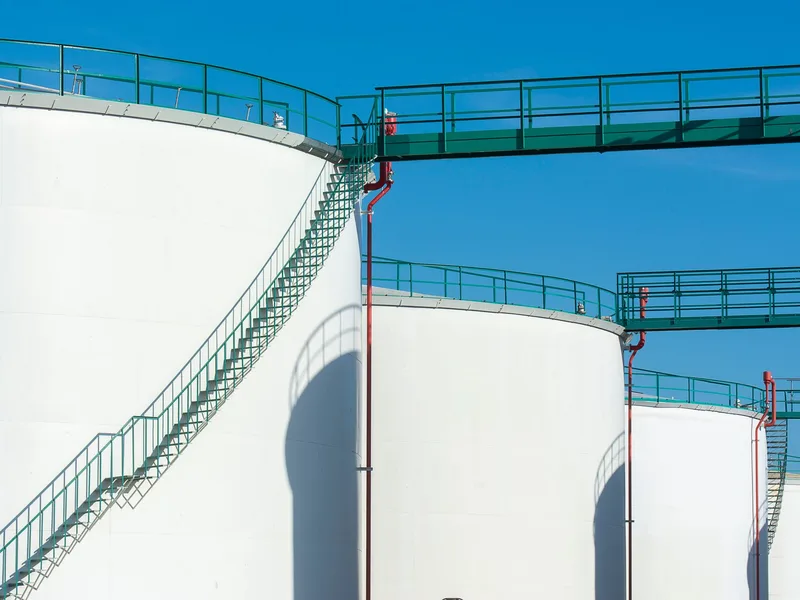
The lid and the openings
Mineral sediment collects at the base and corners of large tanks because consumption may be irregular.

What shows up at the tap
Water redistributed from large tanks may carry bacteria if sterilization is not frequent and regular.
How we work
-
1
Inspect and record the condition
We open the hatch and work through what the tank is made of and how big it is, how deep the sediment lies, the state of the lining, whether the lid and the overflow seal, and whether there is a crack that has to be repaired before any sterilizing.
-
2
Drain and lift the sediment out
The water goes out, then the silt and sand are lifted off the floor by suction rather than pushed toward the outlet, because pushing them sends them into the house pipework and the heater.
-
3
High pressure wash
Walls, floor, corners and the area around the outlet, until the slime film is completely gone. This is the step that makes the sterilizing after it mean anything.
-
4
Sterilize, rinse, then return to service
The sterilizing agent goes onto the walls, the floor and the underside of the lid and is left for its contact time, then we rinse, refill and run the furthest tap until the whole line is clear.
What water tank sterilization includes
-

A recorded inspection
Material, capacity, sediment depth, the state of the lining, the lid and the overflow, all before any work begins.
-

Draining and sediment removal
The water out, and the silt and sand lifted off the floor instead of being pushed into the outlet and the house pipework.
-

High pressure washing
Walls, corners and around the outlet, until the biofilm that no disinfectant penetrates has gone.
-
Sterilizing the internal surfaces
A sterilizing agent meant for drinking water tanks, applied to the walls, the floor and the underside of the lid, and left for its contact time.
-

Line flush and aftercare
Rinse, refill and a flush from the furthest tap, when the water is usable again, and what to change in the filter afterwards.
-

The next cycle
We agree the right interval for your tank from how it is filled, how much sun it takes and the condition of the lid.
What is different about Obhur Sub-Municipality
Obhur sub-municipality runs along Jeddah's northern shoreline from Al Shati up to Obhur Creek. It mixes large villas and gated compounds with busy commercial spines of restaurants, cafes, markets and hotels. Sea humidity is high for most of the year and salt laden breezes keep timber and render damp, while irrigated gardens and lawns surround the corniche and the villa plots. Standing irrigation water, dense planting and food waste from the hospitality strip suit cockroaches, mosquitoes and ants, and the chalets and rest houses scattered along the creek stand empty for long spells, which lets insects and rodents settle undisturbed.
Questions about this district
Why do large villa tanks need more frequent sterilization than small ones?
Large tanks hold more water with slower circulation. Slime film forms easily in static water.
Do villas with swimming pools need more frequent sterilization?
Villas with pools usually run separate tanks for pool and drinking water. But if they share a tank, yes, more frequent sterilization is needed.
How often should a large villa tank in Al Basatin be sterilized?
We advise sterilization once or twice yearly for large villas, depending on water consumption and local conditions.
Do compound intermediate tanks need sterilization more often than the main tank?
Yes. Intermediate tanks on building roofs may foul faster because they sit exposed. We treat them with the same care as the main tank.
Do long pipes from the treatment plant affect tank water quality?
Yes. Long pipes give sediment and bacteria time to enter the water before it reaches the tank.
Does an old tank need sterilization more often than a new one?
Yes. Old tanks may harbour mineral deposits and rust that provide bacterial growth sites. They need more frequent sterilization and deep washing.
How much does water tank sterilization in Al Basatin cost?
It is set after the inspection, because the price follows the type of infestation, the size of the space, how far it has spread and the number of visits it needs. Send a photo and a description on WhatsApp and we will give you an estimate before we reach Al Basatin.
Nearby districts we cover
Other services in Al Basatin
Other services we provide to residents of Al Basatin.
-
 Water tanks
Water tank cleaning
-
 Water tanks
Water tank sealing
-
 Water tanks
Tank leak repair
-
 Residential
Cockroach control
Need water tank sterilization in Al Basatin? Tell us what you saw and we will tell you what it needs
We reach Al Basatin at a time we agree, and you get the full cost before we start.