
Water tank sterilization for homes and buildings
We empty the tank and lift the sediment off the floor, wash the walls and the base under pressure until the slime film is gone, and only then apply the sterilizing agent and flush the lines from the furthest tap.
-
Potable-rated materials
Linings and disinfectants cleared for drinking water tanks, not general-purpose products.
-
You get the downtime first
How many hours the tank is out of service, told before we start rather than after we finish.
-
A first-draw flush
We run the first draw off after refilling, and the tank is not handed back until the water runs clear.
-
Ground and roof tanks
Villas, apartment blocks and premises that need a written record of each visit.
Why tipping chlorine into a full tank does nothing
Three reasons, and between them they explain why the smell stayed after the last attempt.
The chemical is spent before it arrives
Sediment and organic matter on the floor take up the disinfectant first. In a full tank it also spreads through the whole volume, so nothing is left working on the wall.
The slime layer shields what is under it
The slippery film on the wall is a biofilm bonded to the surface, and a disinfectant does not pass through it. It comes off under pressure, which is why washing always comes before sterilizing.
The way in is still open
A lid that does not seat, an overflow pipe with no screen, or a crack in the wall will re-seed a tank days after it was sterilized.
What we read inside the tank before anything starts
What we check the moment the hatch is open, and why each one changes the order of the work and how long it takes.

Sediment on the floor
Sand and silt arrive with the water and settle at the bottom, where they take up the disinfectant before it can work, so they come out before anything is applied.
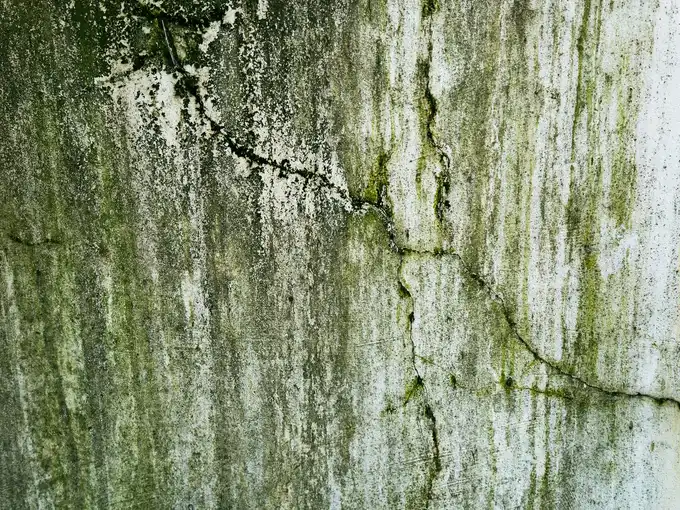
The slime film on the wall
A wall that feels slippery under the hand is carrying biofilm, and biofilm shields whatever sits beneath it, so it is removed with pressure rather than with chemistry.
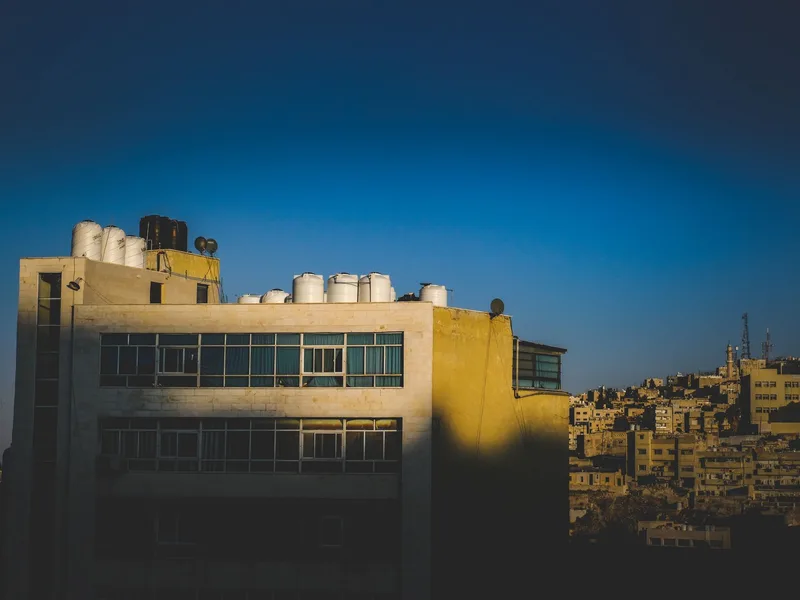
Light and heat
Light passing through a tank wall or a badly seated lid is enough to grow algae, and heat strips the residual chlorine faster, so the growth comes straight back.
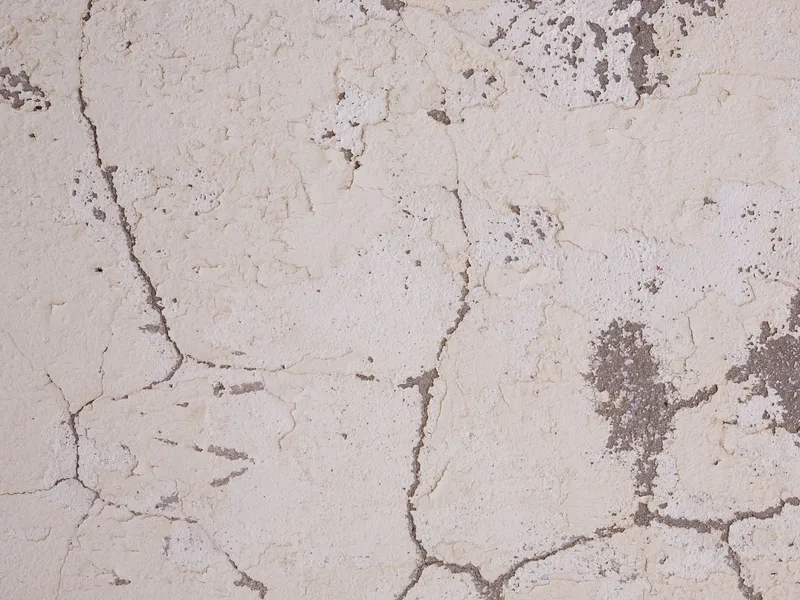
The lining and any cracking
A concrete tank with a failing lining sheds grit into the water, and a crack draws in soil and outside water, and both are dealt with before sterilizing rather than after.
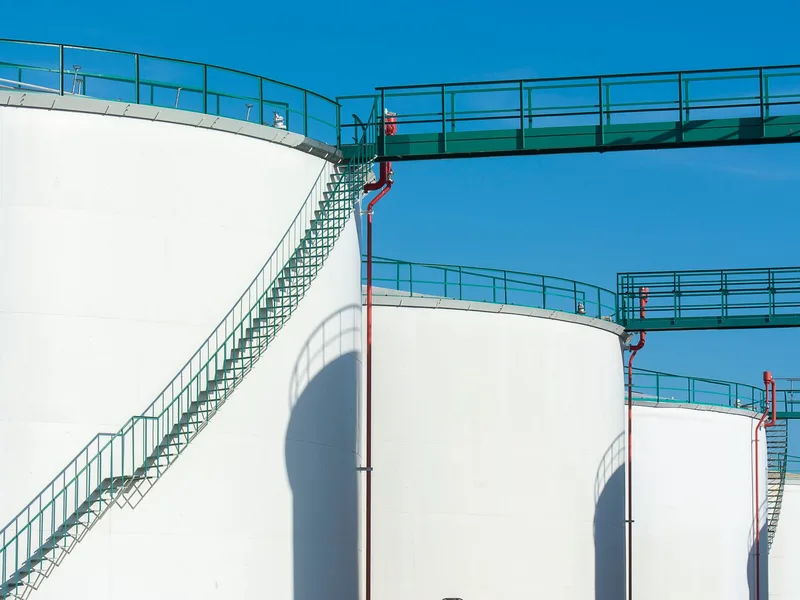
The lid and the openings
A lid that does not seat, or an overflow with no screen, lets in dust, bird droppings and geckos, and the size of the hatch also decides how we reach the corners to wash them.
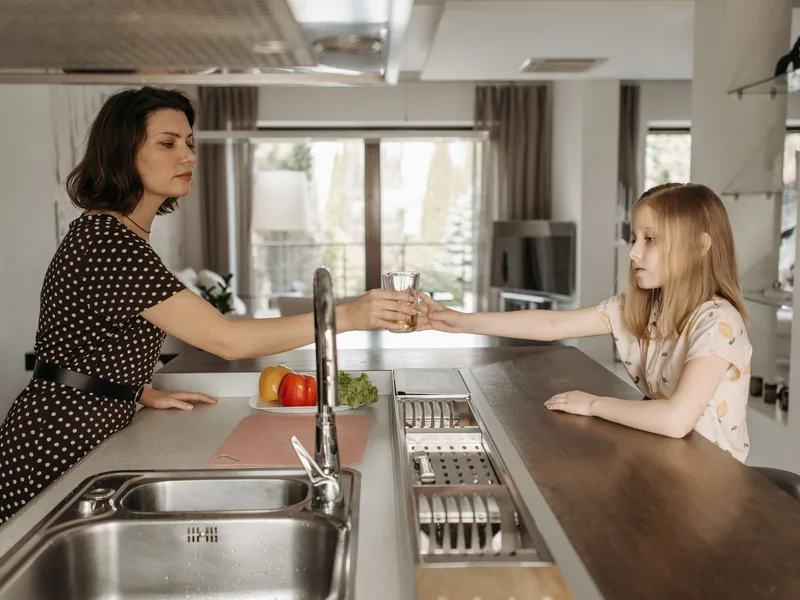
What shows up at the tap
A change in taste, a faint smell, or grit in the tap strainer tells us what is on the floor of the tank before we open the lid.
How the visit runs
Four steps in an order that does not change: drain, then wash, then sterilize, because each one depends on the one before it.
-
1
Inspect and record the condition
We open the hatch and work through what the tank is made of and how big it is, how deep the sediment lies, the state of the lining, whether the lid and the overflow seal, and whether there is a crack that has to be repaired before any sterilizing.
-
2
Drain and lift the sediment out
The water goes out, then the silt and sand are lifted off the floor by suction rather than pushed toward the outlet, because pushing them sends them into the house pipework and the heater.
-
3
High pressure wash
Walls, floor, corners and the area around the outlet, until the slime film is completely gone. This is the step that makes the sterilizing after it mean anything.
-
4
Sterilize, rinse, then return to service
The sterilizing agent goes onto the walls, the floor and the underside of the lid and is left for its contact time, then we rinse, refill and run the furthest tap until the whole line is clear.
What water tank sterilization includes
-

A recorded inspection
Material, capacity, sediment depth, the state of the lining, the lid and the overflow, all before any work begins.
-

Draining and sediment removal
The water out, and the silt and sand lifted off the floor instead of being pushed into the outlet and the house pipework.
-

High pressure washing
Walls, corners and around the outlet, until the biofilm that no disinfectant penetrates has gone.
-
Sterilizing the internal surfaces
A sterilizing agent meant for drinking water tanks, applied to the walls, the floor and the underside of the lid, and left for its contact time.
-

Line flush and aftercare
Rinse, refill and a flush from the furthest tap, when the water is usable again, and what to change in the filter afterwards.
-

The next cycle
We agree the right interval for your tank from how it is filled, how much sun it takes and the condition of the lid.

What goes inside the tank
-
1
Materials cleared for drinking water
The lining and the disinfectant are both rated for potable contact. We do not use general-purpose products here, because a water tank is not a general-purpose surface.
-
2
The tank is out of service for a while
You get the number of hours before we start, so you can plan around it rather than discover the supply is off after the crew arrives.
-
3
A first draw after refilling
The tank is not handed back the moment it is full. We run the first draw off and confirm the water is clear and carries no smell.
-
4
What is written down at the end
A report of what was found inside before the work, what was used, and when the next check is due.
Our work
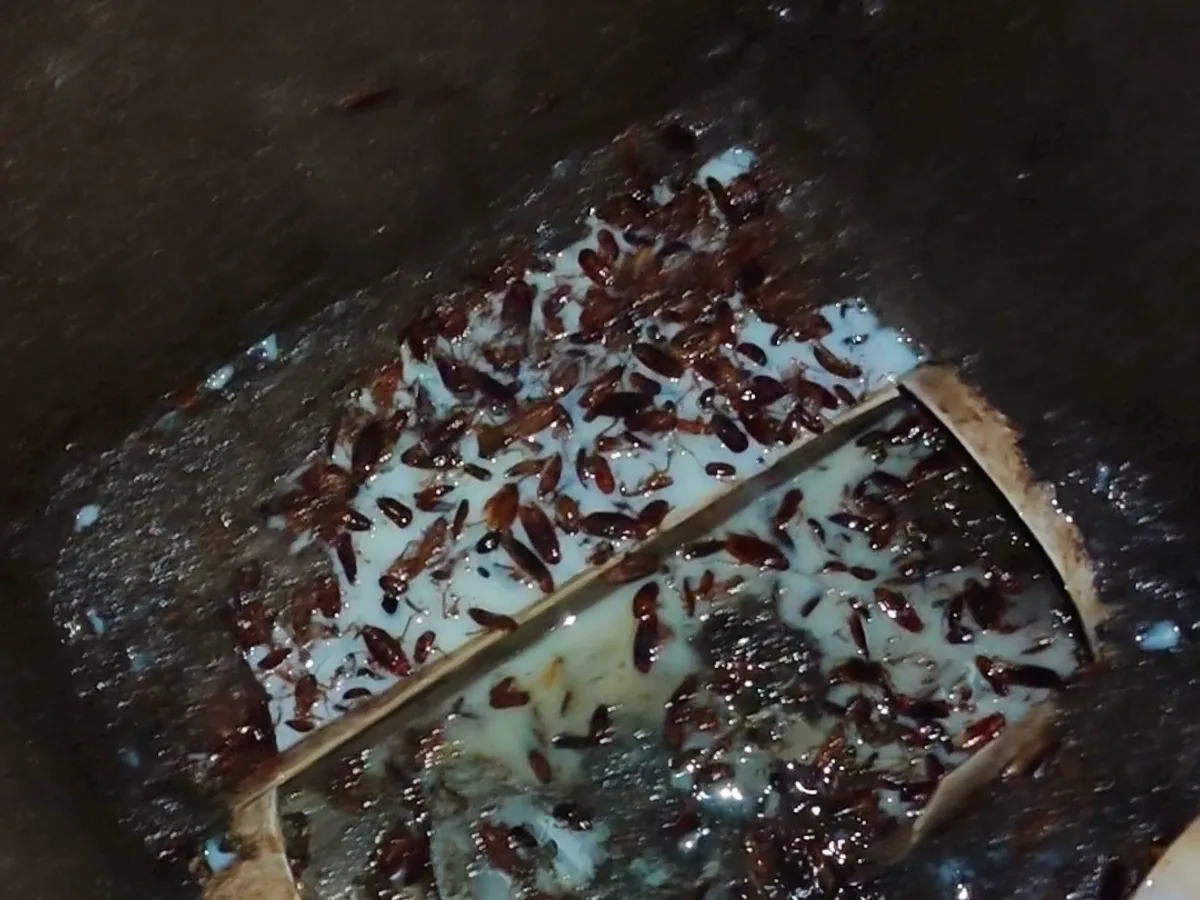
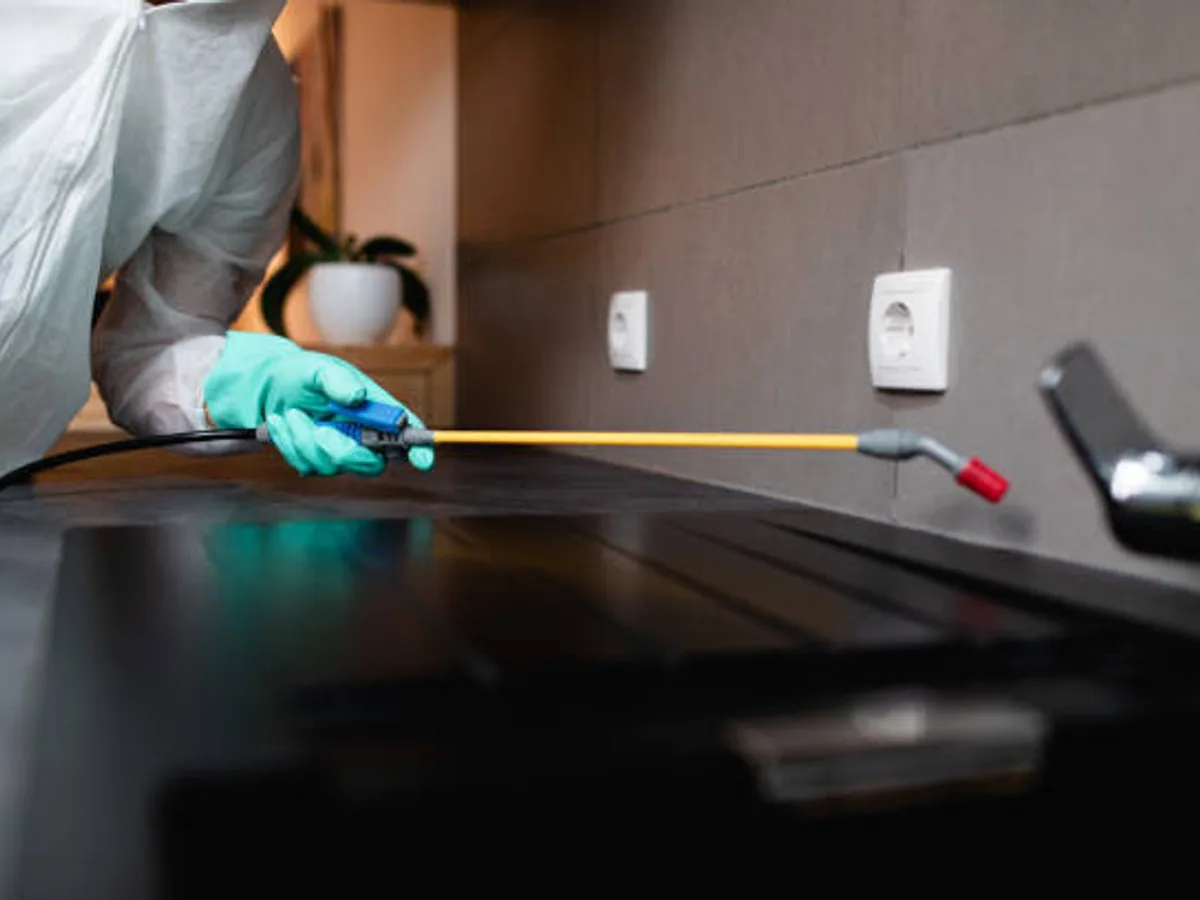
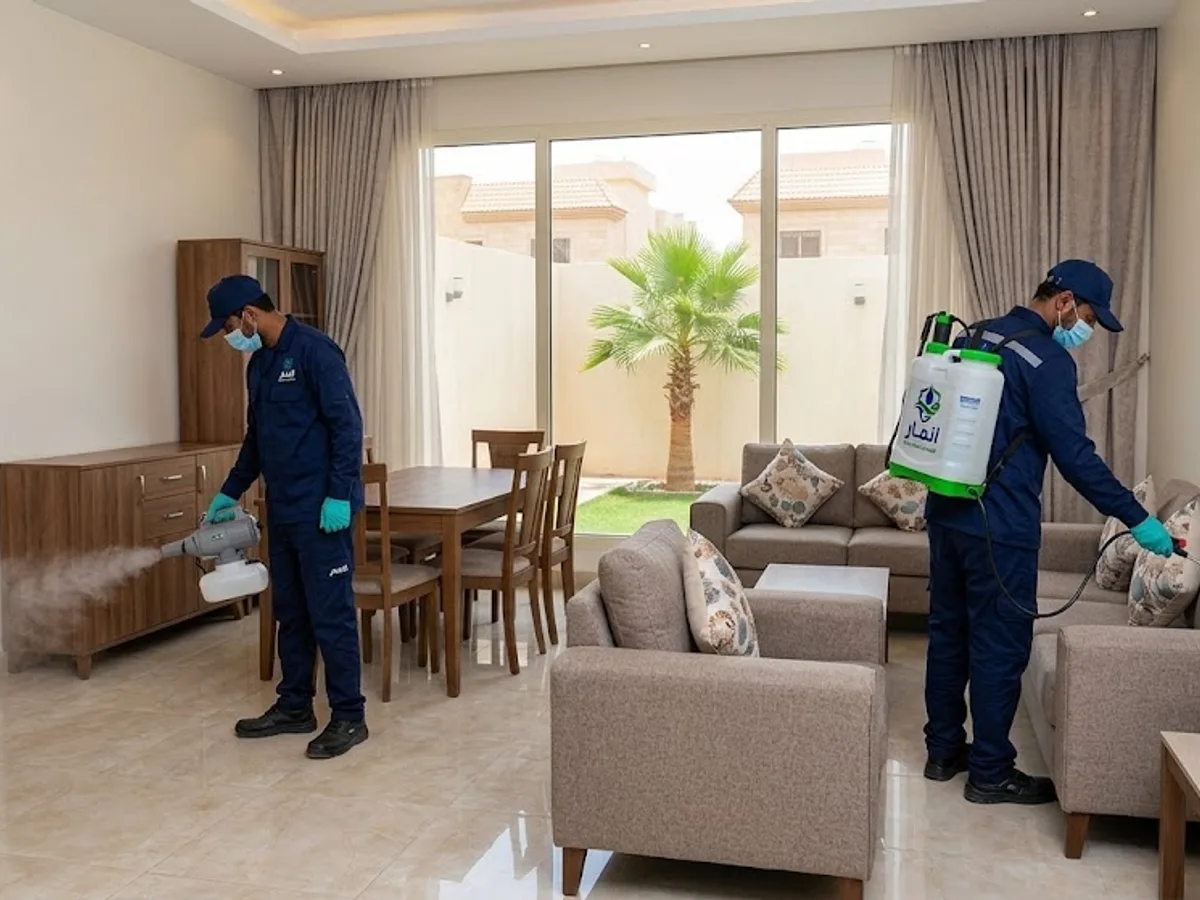
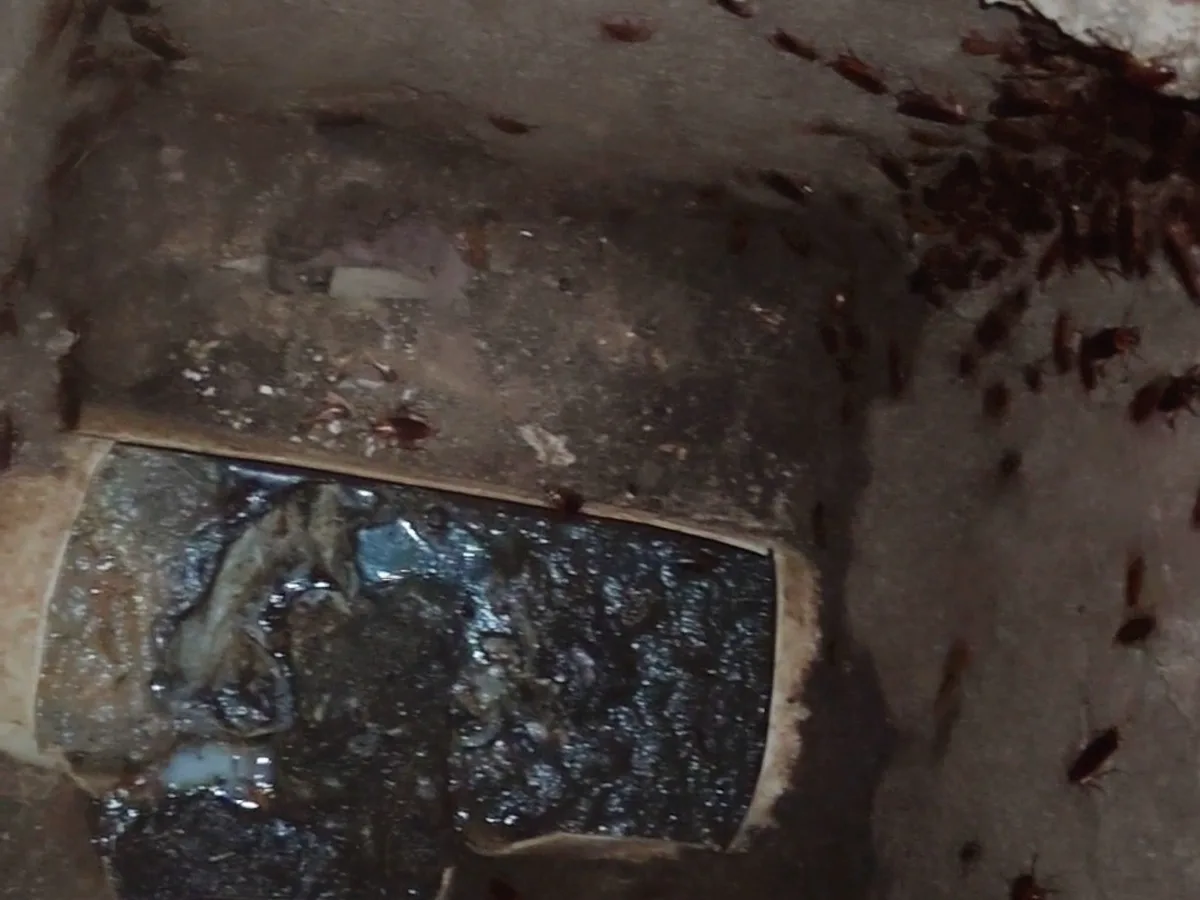
What customers say on Google
Excellent and courteous service, and the bed bugs were cleared from the house completely. I recommend them, God willing.
Translated from the Arabic original.
Excellent to deal with, very good service, and they explain. The staff explain how each product is used, completely honestly.
Translated from the Arabic original.
The termite problem disappeared after the treatment. Thank you.
Translated from the Arabic original.
We cover Jeddah and Makkah
The district pages for this service are being prepared and will appear here when they are published.
Common questions
What is the difference between cleaning a tank and sterilizing it?
Cleaning is the mechanical half: drain, lift the sediment, wash under pressure until the slime film is gone. Sterilizing is the step that follows it, and it means nothing before it, because sediment takes up the disinfectant and biofilm does not let it reach anything. We do both in one visit, and the mechanical half is set out on Water tank cleaning.
When can we use the water again, and will it taste or smell of anything?
The contact time and then the rinse decide it, and both change with the product and the size of the tank, so we give you the figure on the call and do not print a fixed one here. Any faint taste or smell clears with the rinse and by running the furthest tap. We ask you to set aside the water you need during the visit, because the tank is out of service until we finish.
Why did the smell or the colour come back soon after sterilization?
Four usual reasons. The tank was sterilized without being washed, so the biofilm survived intact under the chemical. Or the lid does not seat and the overflow has no screen, so dust and insects come in with the first wind. Or a crack is drawing in soil and outside water, which is repaired under Tank leak repair and then closed off with lining under Water tank sealing. Or it was refilled from a tanker whose own tank is not clean. We establish which one at the inspection before any of the work is repeated.
Does sediment in the tank mean our water is contaminated, or that we let it go?
No. Sand and silt arrive with the mains supply and with tanker deliveries, and they settle on the floor of every tank without exception, because the water goes still inside it and drops whatever it was carrying. Heat also strips the residual chlorine faster, which is chemistry rather than anybody's failing. What actually matters is the interval between services and whether the lid seals.
How often does a tank need cleaning and sterilizing?
We set the interval once we have seen the tank. What shortens it: filling by tanker rather than mains, a tank standing in direct sun, a lid or overflow that does not seal, a concrete tank with a failing lining, and small children or elderly people in the house. If you see grit in the tap strainer or a change in taste before the date, do not wait for it.
Do you cover buildings, restaurants and hotels, and is there a report?
Yes, and commercial work runs differently: scheduling outside peak or occupancy hours, one tank after another where a building has several so the supply is never cut, and a report of what was done to each tank and on what date, in a form you can put in front of an inspector. Scheduled visits are organised under Annual contracts, and kitchens and food premises are covered on Restaurants and cafes.
What does water tank sterilization cost?
It is set after the inspection. What moves the figure is the capacity, whether the tank sits at ground level or on the roof and how hard it is to reach, how deep the sediment is, whether the lining needs work before any sterilizing, and how many tanks the building has. Send a photo through the hatch and the rough capacity on WhatsApp, and we will give you an estimate before we come out and a firm one after the inspection.
Other services
Scroll to see the rest of what we do.
-
 Residential
Cockroach control
Residential
Cockroach control
-
 Residential
Bed bug control
Residential
Bed bug control
-
 Residential
Termite control
Residential
Termite control
-
 Residential
Rodents and mice
Residential
Rodents and mice
-
 Residential
Mosquito control
Residential
Mosquito control
-
 Residential
Fly control
Residential
Fly control
-
 Residential
Ant control
Residential
Ant control
-
 Residential
Gecko control
Residential
Gecko control
-
 Residential
Scorpion control
Residential
Scorpion control
-
 Residential
Snake control
Residential
Snake control
-
 Residential
Flea control
Residential
Flea control
-
 Residential
Bird and pigeon control
Residential
Bird and pigeon control
-
 Residential
Preventive treatment
Residential
Preventive treatment
-
 Residential
Disinfection
Residential
Disinfection
-
 Commercial
Annual contracts
Commercial
Annual contracts
-
 Commercial
Restaurants and cafes
Commercial
Restaurants and cafes
-
 Commercial
Hotels and apartments
Commercial
Hotels and apartments
-
 Commercial
Warehouses and factories
Commercial
Warehouses and factories
-
 Commercial
Schools and nurseries
Commercial
Schools and nurseries
-
 Commercial
Retail and malls
Commercial
Retail and malls
-
 Commercial
Rest houses and farms
Commercial
Rest houses and farms
-
 Commercial
Fumigation
Commercial
Fumigation
-
 Water tanks
Water tank cleaning
Water tanks
Water tank cleaning
-
 Water tanks
Water tank sealing
Water tanks
Water tank sealing
-
 Water tanks
Tank leak repair
Water tanks
Tank leak repair
Need water tank sterilization? Tell us the size of the tank and where it sits
A short call is enough. We tell you how long the tank is out of service and the full cost before we start.