
Pesticides, children and pets: what actually decides safety
"Is it safe?" is an incomplete question. The useful one is: which product, at what concentration, placed where, and how long is the ventilation. Those are the four variables.
This is the question we are asked most often, and the one most often answered with a single word: "safe". A one word answer is not useful, because safety here is not a property of the product alone. It is a property of how it is used.
Four things decide it
- The product. Is it cleared for use in occupied spaces? That is not negotiable, and it is what separates a professional product from an agricultural one being used where it does not belong.
- The concentration. The same product behaves completely differently correctly diluted and carelessly diluted. More is not better. It is more hazardous and sometimes less effective.
- Where it is placed. Injecting a crack behind a cupboard during cockroach control is a different act from spraying a surface a child touches. Professional application puts the product where the insect walks, not where people do.
- The ventilation afterwards. The most overlooked factor, and the easiest one to control.
If the only answer you get is "do not worry, it is completely safe", you have not been given any information.
What to ask before work starts
- What is the name of the product being used?
- Is it cleared for occupied spaces?
- How long is the ventilation before children go back into the treated area?
- Which surfaces should be washed before use, and which should not be washed?
- What should I do with food containers and toys that were in the room?
A professional technician answers all five without hesitating. The hesitation is itself an answer.
Pets are a special case
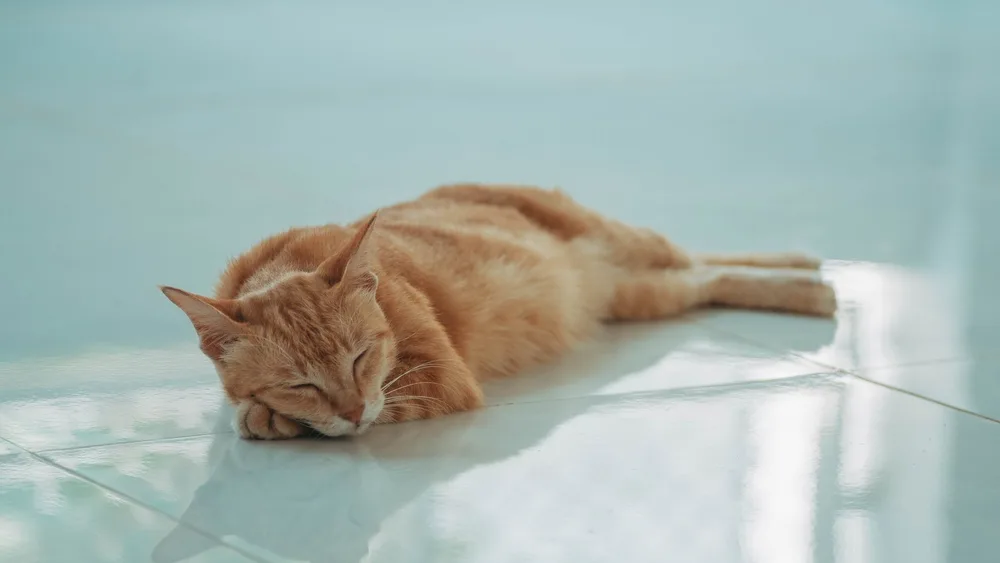
Fish are the most vulnerable, because product can reach the water through the air. Cover the tank and switch off the air pump during treatment and for the period recommended afterwards. Cats groom themselves, so they swallow whatever is on their fur, which is why they are kept off treated surfaces until fully dry. Birds are extremely sensitive to anything airborne and should be out of the property.
Why do-it-yourself spraying is often the riskier option
There is an irony here. Many people who worry about professional treatment will empty a shop-bought can inside a closed room with no gloves, no mask, and no idea of the concentration or the ventilation time. The risk does not come from the product being professional. It comes from it being used without controls.
In practice the safest arrangement is a suitable product, placed in the right locations, by someone who knows what they are using, with clear instructions for afterwards. That is what preventive treatment is built on, and it is the same reason disinfection differs from spraying in both material and purpose.