
How to prepare your home for treatment
Twenty minutes of preparation makes the treatment work better and shortens the time you need to stay out. Here is the practical list, before and after.
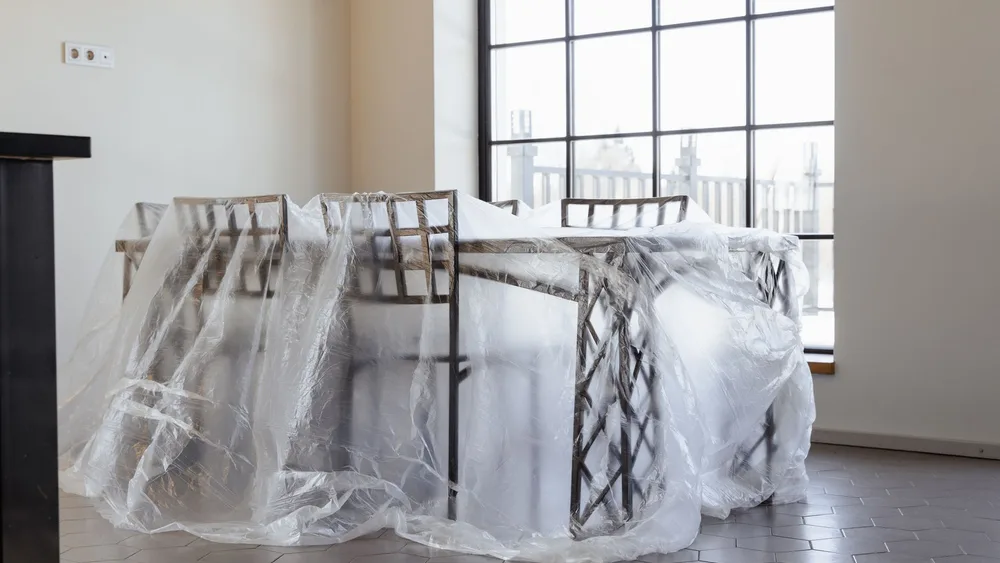
How well a treatment works does not depend on the product alone. It depends on the product reaching the right places, and the most common thing stopping it is furniture that was not moved and surfaces that were not cleared. This short list makes the visit count.
Before the technician arrives
- Clear kitchen surfaces. Put away utensils and open food, and cover anything that cannot be moved. Empty what you reasonably can from the low cupboards nearest the sink.
- Pull light furniture away from walls by about twenty centimetres where you can, because the base of the wall is the route insects use.
- Strip the beds if the treatment is for bed bugs, and wash the bedding hot if you are able to.
- Cover fish tanks and switch off the air pump, and move bird cages and small animals out of the area.
- Tell the technician about children, pregnancy, allergies or asthma in the household, before work starts rather than after.
During the visit
Stay available for questions at the start, then clear the area being worked on. Ask the technician for the product name and the required ventilation time, and write them down. Those two things decide when it is safe to go back in.
If nobody has told you the ventilation time, ask before the team leaves. It is not an optional detail.
Straight after treatment
- Ventilate for the time you were given, by opening windows rather than only running the air conditioning.
- Do not wash treated surfaces for the period the technician specifies. Washing removes the residual effect, which is half the value of the treatment.
- Do wash food preparation surfaces before using them. This is a deliberate exception to the point above.
- Put furniture back after the ventilation period, not before.
In the days that follow
Expect to see a few insects in the first days, and treat that as a good sign rather than a bad one: the product is driving them out of hiding. What is worth calling about is activity still going two weeks later, which is exactly when the follow-up visit is scheduled, in preventive treatment and under an annual contract.
In the meantime, close what can be closed. A small water leak or an open rubbish bag is enough to rebuild what was just removed.