

Annual contracts in Al Fayha Jeddah
Al Fayha is a mixed district where families live above their shops, and pests exploit this arrangement without barriers. The annual contract places fixed monitoring points that watch both levels together, catching problems on the ground floor before they climb into the flat upstairs.
-
Targeted, not broadcast
Product goes into cracks and runways, never sprayed across open surfaces.
-
Told before we start
What we will use, where it goes, and what to cover or move before we arrive.
-
A follow-up visit
We return after the first treatment, because what survives it does not show on the day.
-
Homes and businesses
Apartments and villas, and kitchens and stores that need a record of each visit.
Why they keep coming back in Al Fayha
Ground floor tenancies change regularly, and each handover brings new waste streams and new behaviour patterns. Numbered points record every shift and see what each business leaves behind. The method is set out in full on how we approach Annual contracts.
Pests migrate between the shop and the flat
Al Fayha is not a pure residential zone. The flat and the shop share an entrance, a stairwell, and roof access. Drain pests from the restaurant below climb to the flat above it. Roaches move between premises via walls and pipework. An annual contract places monitoring points that watch both levels as one system, not two separate problems.
Commercial tenants change and bring different pests
A shop is a restaurant today and a clinic tomorrow, then a textile seller. Each business attracts different pests and dumps different waste. Monthly reports in the contract track this turnover and adjust the monitoring points and treatment schedule as the ground floor tenant changes.
Public parks and footpaths connect the whole area
The Old Airport Park and Al Fayha Park sit close to residential blocks, and pedestrian passages thread through the neighbourhood to connect Al Fayha to East Baghdadiyah and Al Sulaymaniyah beyond. Monitoring points must track inbound pests from these common areas, not just defend individual doorways.
Al Fayha on the map
Al Fayha sits about 3.5 km from Al Sulaymaniyah and about 4.5 km from Al Jamiah.
Open in Google MapsWhat sets the shape of the contract
The area blends residential density with continuous commercial activity, shared courtyards, common stairwells and roof access exposed to the humid air that rolls in from the nearby shore.
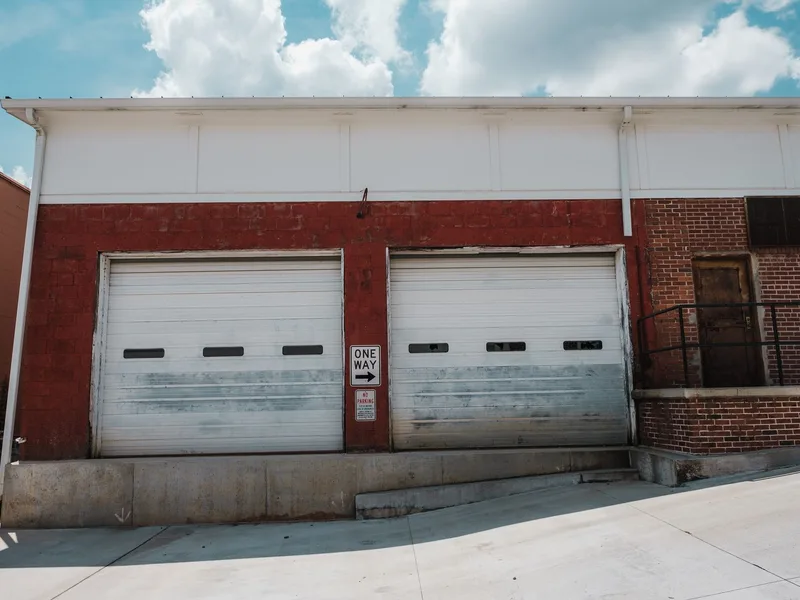
The goods-in door
The shop's receiving door is distinct from the flat's entry, and the contract maps both and monitors what enters each one via separate monitoring points positioned at each threshold.
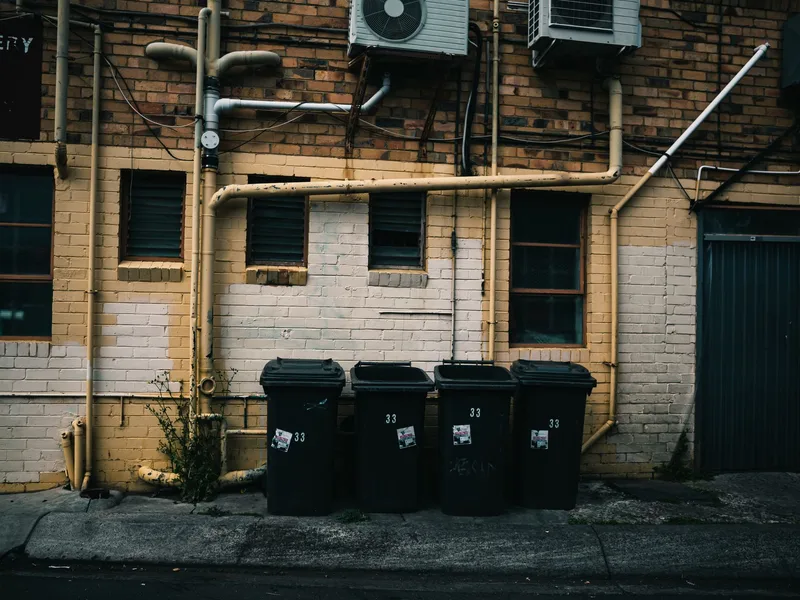
The waste area
The shop waste area operates continuously throughout the day with different refuse streams than the flat, and monitoring points are positioned to track activity in each zone separately and note the difference.
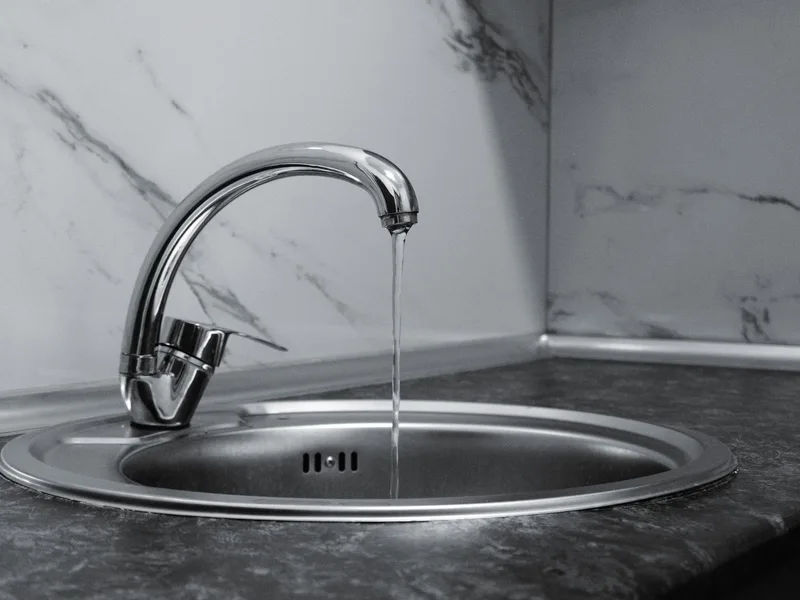
Drains and grease traps
Drains from the commercial kitchen and residential bathroom run through different sections of the system, and the contract tracks both lines and places sealed traps and marker points at critical junctions where pests cross between them.
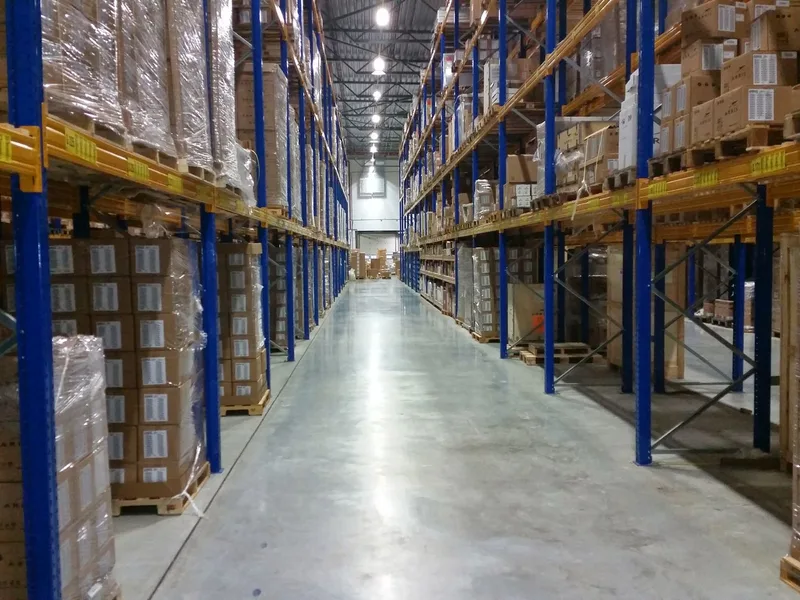
Dry store and pallets
Commercial storage has different stock depths and turnover rates than residential cupboards, so monitoring points are placed separately in each store and activity is logged independently on the monthly sheet.

Fixed, numbered points
Numbered points cover the shop entry, flat entry, shared stairwell, roof access and common passages, each with a fixed number and marked location so the record remains continuous even when shop tenants change.

The file itself
The file holds location maps, photographs of each point, installation dates and maintenance notes, and every monthly report ties findings to point numbers, not to the shop name, so the record stays valid across business changes.
How we work
-
1
Survey and risk assessment
We walk the building from the goods-in door through preparation, stores and washrooms, and record the species pressure, the entry routes, the moisture and which areas carry which level of risk.
-
2
The plan, the map and the frequency
We number the monitoring positions on a plan of the site, agree the visit frequency from what each area handles and how open the building is, and agree who receives and signs the report.
-
3
The scheduled visits
Every visit reads the same route, point by point, records the reading even when it is nil, and treats the area the reading calls for rather than the whole building.
-
4
Review and reading the trend
We read the visits together rather than one at a time: where the readings climbed, which corrective actions are still open, and whether an area needs more points or closer visits.
What the annual contract includes
-

Opening survey and site plan
A walk that fixes the risk areas and the entry routes, and a plan with the monitoring positions numbered before anything is installed.
-

Numbered monitoring points
Fixed positions on a set route, opened, read and logged every visit, and replaced when damaged.
-

Targeted treatment when called for
On the cracks, junctions and service areas the reading points to, and outside operating hours where that is needed.
-

Drains and waste areas
Floor gullies, grease traps and the ground around the containers on every visit, because that is the source that renews itself.
-

Report and corrective actions
After every visit: what was found, what was applied and where, and what the site needs to fix, such as a door gap or a missing drain cover.
-

Scheduled visits and visits in between
A schedule agreed in the contract, plus a visit when activity appears between two dates, logged like any other.
The character of Al Fayha
Mixed district: shops at street level with homes above them
Shops and flats share walls, pipes and common entry routes, so the contract must monitor both levels as one integrated system and track how insects move between premises. A monitoring point in the shop alone cannot protect the flat from what climbs up through the shared structure from below.
Questions about this district
Our shop and flat share one front door. Can one monitoring point cover both?
No. The shop has its own waste stream and commercial activity, the flat has entirely different patterns. The contract places separate monitoring points in the shop, kitchen, common stairwell and corridor so the team can see where pests are active and stop them before they move upstairs.
The shop next door refuses an annual contract. Does that harm ours?
Yes, significantly. An unprotected shop becomes a pest reservoir, and insects climb to your flat through shared walls, pipes and entry corridors. The contract monitors shared boundaries but cannot stop what flows in from outside your agreement.
In summer the insects are heavy. Do monitoring points catch them before they reach home?
Yes. Points are placed on pest pathways, not in hiding spots. They intercept insects before they enter cupboards, pantries and furniture. The monthly report shows whether activity is rising, and the schedule adjusts automatically to increase visits if needed.
Are monitoring points obvious on the shop walls where customers shop?
Points are small and numbered in neutral colours, positioned to stay out of sight lines. They remain visible for inspection and service, and the contract reports name the location of each point and what it recorded each month.
Will the report tell us if other shops nearby have pest problems?
The report covers only your points and your premises. We do not share other contracts' details. What you will see from monitoring points you share with neighbours is whether activity is coming from outside your boundary.
When do we add a new monitoring point if the shop or flat expands?
The contract allows points to be added as the premises change. We survey the new space, plan the revised monitoring, then add points to the schedule. Changes take effect at the next routine visit.
How much does annual contracts in Al Fayha cost?
It is set after the inspection, because the price follows the type of infestation, the size of the space, how far it has spread and the number of visits it needs. Send a photo and a description on WhatsApp and we will give you an estimate before we reach Al Fayha.
Nearby districts we cover
Other services in Al Fayha
Other services we provide to residents of Al Fayha.
-
 Residential
Cockroach control
Residential
Cockroach control
-
 Residential
Bed bug control
Residential
Bed bug control
-
 Residential
Termite control
Residential
Termite control
-
 Residential
Rodents and mice
Residential
Rodents and mice
-
 Residential
Mosquito control
Residential
Mosquito control
-
 Residential
Fly control
Residential
Fly control
-
 Residential
Ant control
Residential
Ant control
-
 Residential
Gecko control
Residential
Gecko control
-
 Residential
Scorpion control
Residential
Scorpion control
-
 Residential
Snake control
Residential
Snake control
-
 Residential
Flea control
Residential
Flea control
-
 Residential
Bird and pigeon control
Residential
Bird and pigeon control
-
 Residential
Preventive treatment
Residential
Preventive treatment
-
 Residential
Disinfection
Residential
Disinfection
-
 Commercial
Restaurants and cafes
Commercial
Restaurants and cafes
-
 Commercial
Hotels and apartments
Commercial
Hotels and apartments
-
 Commercial
Warehouses and factories
Commercial
Warehouses and factories
-
 Commercial
Schools and nurseries
Commercial
Schools and nurseries
-
 Commercial
Retail and malls
Commercial
Retail and malls
-
 Commercial
Rest houses and farms
Commercial
Rest houses and farms
-
 Commercial
Fumigation
Commercial
Fumigation
-
 Water tanks
Water tank cleaning
Water tanks
Water tank cleaning
-
 Water tanks
Water tank sterilization
Water tanks
Water tank sterilization
-
 Water tanks
Water tank sealing
Water tanks
Water tank sealing
-
 Water tanks
Tank leak repair
Water tanks
Tank leak repair
Need annual contracts in Al Fayha? Tell us what you saw and we will tell you what it needs
We reach Al Fayha at a time we agree, and you get the full cost before we start.