

Annual contracts in Al Hamra Jeddah
Al Hamra sits on the Red Sea shore, an established upmarket district running between the Corniche and Madinah Road with villas, apartment towers, hotels and restaurants. An annual contract here contends with very high sea humidity and salt air that keeps timber and render damp most of the year, with old foundations and deteriorating drains running alongside the waterfront.
-
Targeted, not broadcast
Product goes into cracks and runways, never sprayed across open surfaces.
-
Told before we start
What we will use, where it goes, and what to cover or move before we arrive.
-
A follow-up visit
We return after the first treatment, because what survives it does not show on the day.
-
Homes and businesses
Apartments and villas, and kitchens and stores that need a record of each visit.
Why they keep coming back in Al Hamra
Persistent sea humidity and salt in the air causes rapid rust and timber decay, and old foundations retain dampness even on sunny days. The method is set out in full on the full Annual contracts page.
Severe sea humidity and salt corroding metal and timber
Al Hamra sits directly on the shore, humidity reaches 90 percent year-round and salt air causes rapid rust, timber rot and paint failure. Metal corrodes, wood swells and walls hold moisture perpetually.
Old foundations and failing drains on the waterfront
Al Hamra is an old upmarket district, ancient foundations and drains running parallel to the sea suffer from salt and dampness. Pipes corrode and water seeps into foundations.
Restaurants, hotels and continuous tourist traffic on the Corniche
The Corniche holds restaurants, cafes, hotels and continuous visitor presence, waste oils and water from these places drain to the sea directly or to coastal sewers.
Al Hamra on the map
Al Hamra sits about 3.5 km from Al Andalus and about 3.5 km from Mushrifah.
Open in Google MapsWhat sets the shape of the contract
A coastal district on the Red Sea Corniche with very high humidity and salt air, containing villas, hotel towers, apartment buildings and restaurants.
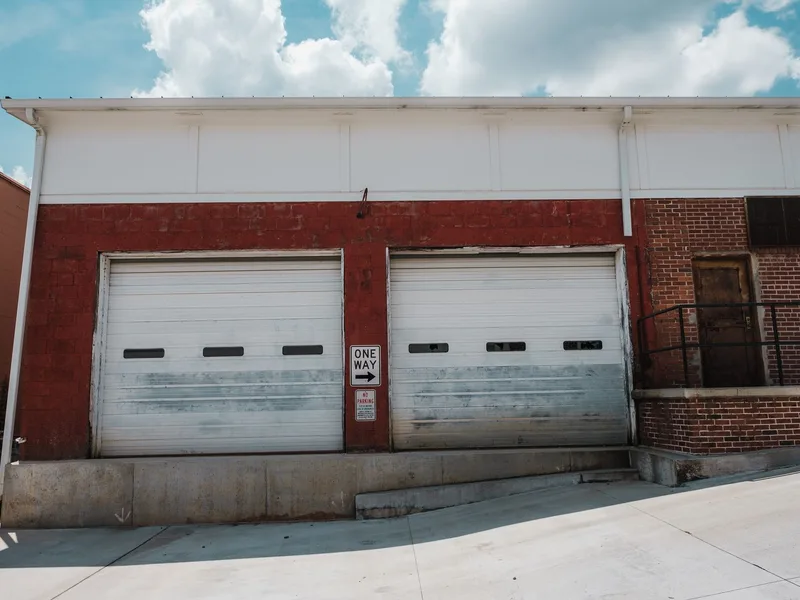
The goods-in door
Hotel and restaurant doors on the Corniche stand open continuously to the sea, visitors and tourists enter and exit constantly, and the monitoring point at the entrance records steady traffic.
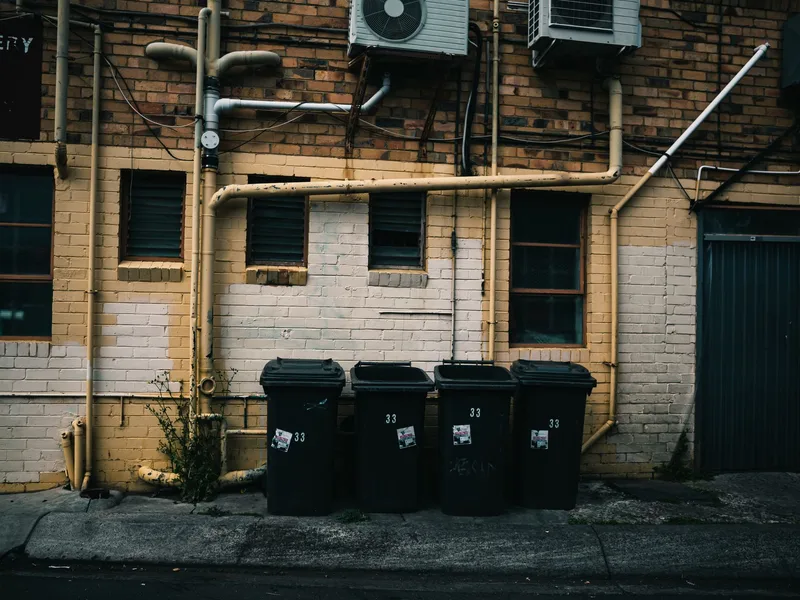
The waste area
Waste areas from restaurants and hotels sit beside the Corniche, salt water runoff from the street slopes into the waste and increases dampness.
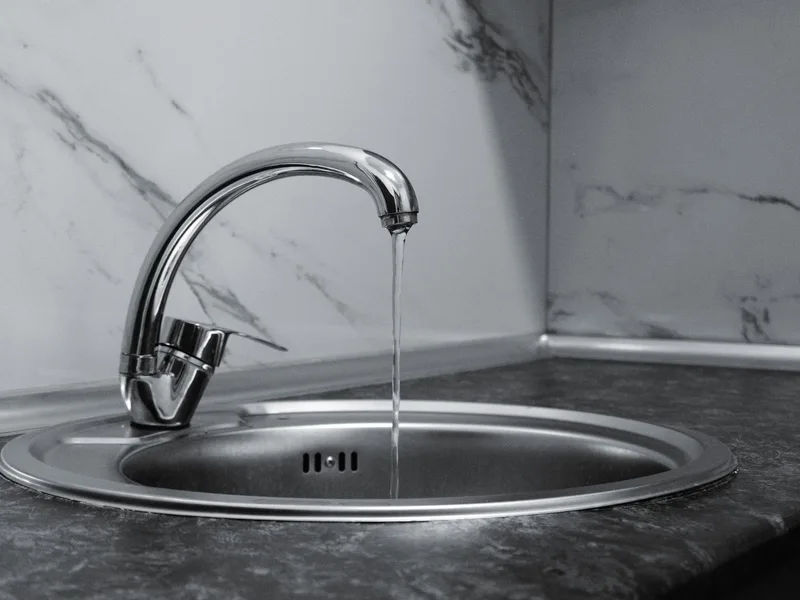
Drains and grease traps
Drains on the Corniche are very old and run parallel to the sea, salt water and sea humidity seep into drains from the seaward side, pipes are corroded.
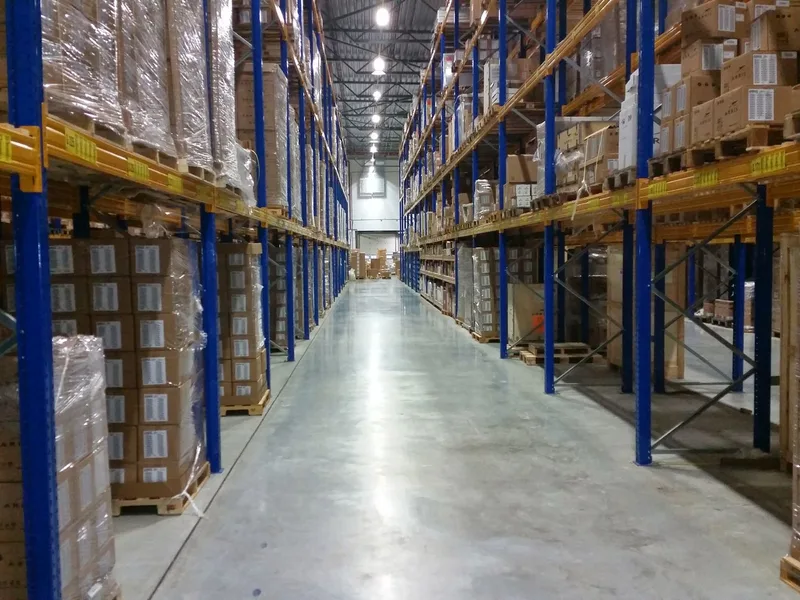
Dry store and pallets
Dry storage is extremely rare, most hotels and restaurants store oils and provisions in damp spaces near the kitchen.
Fixed, numbered points
Numbered points are placed in hotels and restaurants on the Corniche, in large villas on side streets, and at coastal sewer outlets.

The file itself
The file documents humidity and salinity in detail, and any corrosion or equipment failure is recorded and points are replaced quickly.
How we work
-
1
Survey and risk assessment
We walk the building from the goods-in door through preparation, stores and washrooms, and record the species pressure, the entry routes, the moisture and which areas carry which level of risk.
-
2
The plan, the map and the frequency
We number the monitoring positions on a plan of the site, agree the visit frequency from what each area handles and how open the building is, and agree who receives and signs the report.
-
3
The scheduled visits
Every visit reads the same route, point by point, records the reading even when it is nil, and treats the area the reading calls for rather than the whole building.
-
4
Review and reading the trend
We read the visits together rather than one at a time: where the readings climbed, which corrective actions are still open, and whether an area needs more points or closer visits.
What the annual contract includes
-

Opening survey and site plan
A walk that fixes the risk areas and the entry routes, and a plan with the monitoring positions numbered before anything is installed.
-

Numbered monitoring points
Fixed positions on a set route, opened, read and logged every visit, and replaced when damaged.
-

Targeted treatment when called for
On the cracks, junctions and service areas the reading points to, and outside operating hours where that is needed.
-

Drains and waste areas
Floor gullies, grease traps and the ground around the containers on every visit, because that is the source that renews itself.
-

Report and corrective actions
After every visit: what was found, what was applied and where, and what the site needs to fix, such as a door gap or a missing drain cover.
-

Scheduled visits and visits in between
A schedule agreed in the contract, plus a visit when activity appears between two dates, logged like any other.
The character of Al Hamra
Coastal area: high humidity and salt air through the year
Coastal areas like Al Hamra have very high sea humidity and salt air year-round, and the contract tracks persistently damp foundations, corroding walls and rusted metals where insects and rodents establish easily in warm wet conditions.
Questions about this district
Very high humidity on the shore, does that mean more insects than anywhere else in Jeddah?
Yes considerably, Al Hamra has the highest humidity and salinity. Cockroaches, ants and mosquitoes spread far more on the coast.
Salt and humidity corrode metal. Does this affect the monitoring points?
Yes, points and equipment corrode faster from salt. We use salt resistant materials and inspect points more frequently.
Villas and hotels directly on the Corniche, do they face the same problems?
Hotels face more problems because they host tourists and generate more waste. Villas are less crowded but humidity affects them directly.
King Fahd Fountain and the gardens on the Corniche, do they affect insects?
Standing water and green space on the Corniche provide ideal mosquito breeding conditions. We monitor these areas specifically.
Old foundations and salt, how do we handle this?
We focus on inspection points in foundations and drains. Salt and moisture together accelerate the need for monitoring and maintenance.
Can we seal windows and vents in villas to reduce humidity?
Complete sealing causes other problems. Ventilation is necessary but we monitor gaps and openings carefully.
How much does annual contracts in Al Hamra cost?
It is set after the inspection, because the price follows the type of infestation, the size of the space, how far it has spread and the number of visits it needs. Send a photo and a description on WhatsApp and we will give you an estimate before we reach Al Hamra.
Nearby districts we cover
Other services in Al Hamra
Other services we provide to residents of Al Hamra.
-
 Residential
Cockroach control
Residential
Cockroach control
-
 Residential
Bed bug control
Residential
Bed bug control
-
 Residential
Termite control
Residential
Termite control
-
 Residential
Rodents and mice
Residential
Rodents and mice
-
 Residential
Mosquito control
Residential
Mosquito control
-
 Residential
Fly control
Residential
Fly control
-
 Residential
Ant control
Residential
Ant control
-
 Residential
Gecko control
Residential
Gecko control
-
 Residential
Scorpion control
Residential
Scorpion control
-
 Residential
Snake control
Residential
Snake control
-
 Residential
Flea control
Residential
Flea control
-
 Residential
Bird and pigeon control
Residential
Bird and pigeon control
-
 Residential
Preventive treatment
Residential
Preventive treatment
-
 Residential
Disinfection
Residential
Disinfection
-
 Commercial
Restaurants and cafes
Commercial
Restaurants and cafes
-
 Commercial
Hotels and apartments
Commercial
Hotels and apartments
-
 Commercial
Warehouses and factories
Commercial
Warehouses and factories
-
 Commercial
Schools and nurseries
Commercial
Schools and nurseries
-
 Commercial
Retail and malls
Commercial
Retail and malls
-
 Commercial
Rest houses and farms
Commercial
Rest houses and farms
-
 Commercial
Fumigation
Commercial
Fumigation
-
 Water tanks
Water tank cleaning
Water tanks
Water tank cleaning
-
 Water tanks
Water tank sterilization
Water tanks
Water tank sterilization
-
 Water tanks
Water tank sealing
Water tanks
Water tank sealing
-
 Water tanks
Tank leak repair
Water tanks
Tank leak repair
Need annual contracts in Al Hamra? Tell us what you saw and we will tell you what it needs
We reach Al Hamra at a time we agree, and you get the full cost before we start.