

Annual contracts in Al Aziziyah Jeddah
Al Aziziyah is a densely packed commercial neighbourhood on Makarona Road and Tahliah Street, where restaurants, cafes, food centres and popular markets occupy the ground floors of ageing apartment blocks, separated from the homes above by thin walls and corroded drainage. Sea humidity from the nearby coast intensifies seasonal infestations, and an annual contract places fixed points throughout the building to catch accumulation before it overwhelms you.
-
Targeted, not broadcast
Product goes into cracks and runways, never sprayed across open surfaces.
-
Told before we start
What we will use, where it goes, and what to cover or move before we arrive.
-
A follow-up visit
We return after the first treatment, because what survives it does not show on the day.
-
Homes and businesses
Apartments and villas, and kitchens and stores that need a record of each visit.
Why they keep coming back in Al Aziziyah
Restaurants open their windows directly onto the street and the flats above, so pests that feed on kitchen scraps move between floors without needing to cross outside ground. Main drains are decades old and fractured, leaking and harbouring rats. The method is set out in full on our Annual contracts service.
Dense restaurants serving hundreds daily under packed flats
Along Makarona Road and Tahliah Street, each ground floor restaurant or cafe serves hundreds of customers daily, generating food waste and moisture. Hungry pests move upwards from the pavement through the restaurant to the narrow alleys between buildings and into the flats above, seeking residual food and dampness at every level.
Popular markets and open refuse heaps
Street markets and small eateries near you dump waste into alleys and corners. Rotting refuse attracts large cockroaches and rats that hide in deep cracks in old masonry and breed in accumulated food scraps.
Cracks in old walls and broken underground drains
The buildings date from the 1960s and 1970s. Walls are deeply cracked and sewage drains are fractured, leaking water and offering safe tunnels for rats and cockroaches. Every winter and summer, humidity and heat hatch dormant pests hiding in the structure.
The character of Al Aziziyah
Mixed district: shops at street level with homes above them
Mixed districts mean restaurant and market activity doubles pest pressure on residential flats above them. The annual contract does not separate commercial from domestic treatment; it connects them because they are a single problem flowing through shared walls.
What sets the shape of the contract
Ageing infrastructure, worn-out drains, heavily used restaurants and open market refuse create a warm, humid environment that supports cockroaches, ants, mosquitoes and rodents throughout the year without seasonal break.
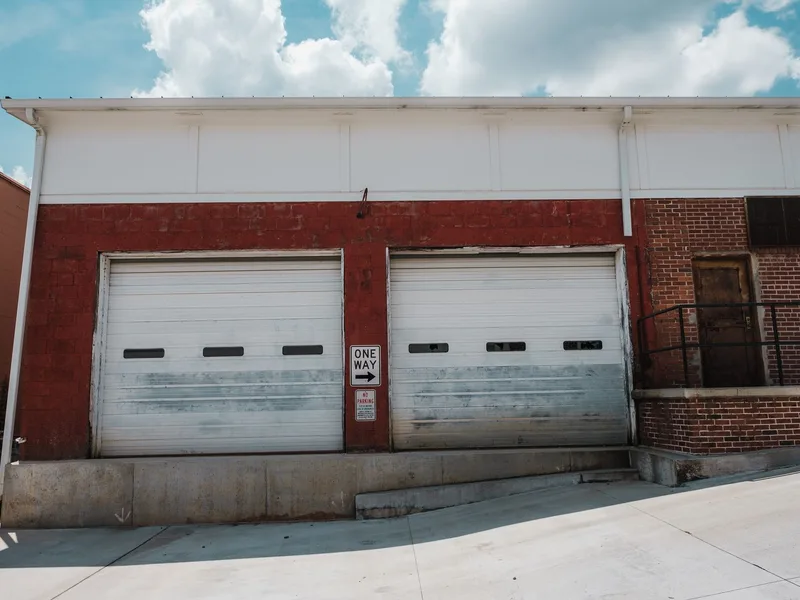
The goods-in door
The restaurant entrance opens directly onto the street, receiving deliveries and customer traffic, whilst the flat entrance faces a narrow alley and dark corners where pests congregate.
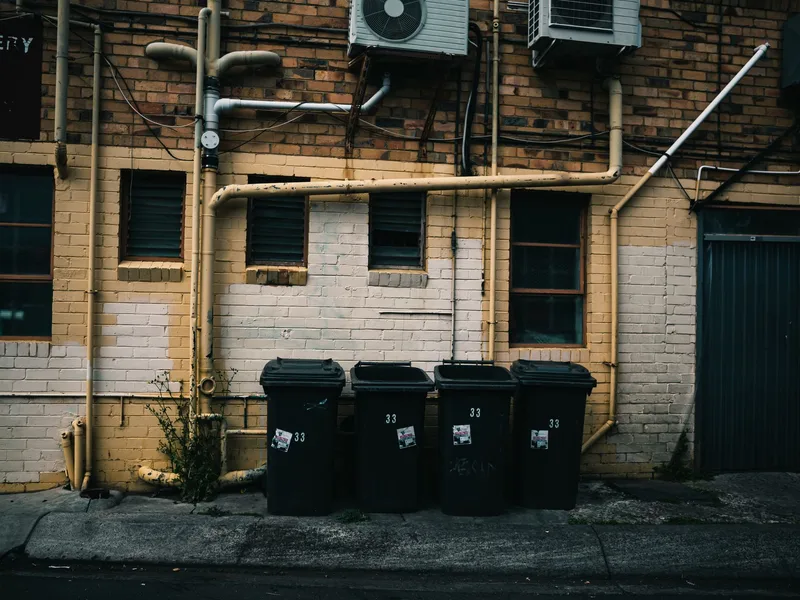
The waste area
Restaurant waste goes into bins next to the entry, and market refuse collects in open alleys. Summer brings explosive pest numbers from this open waste.
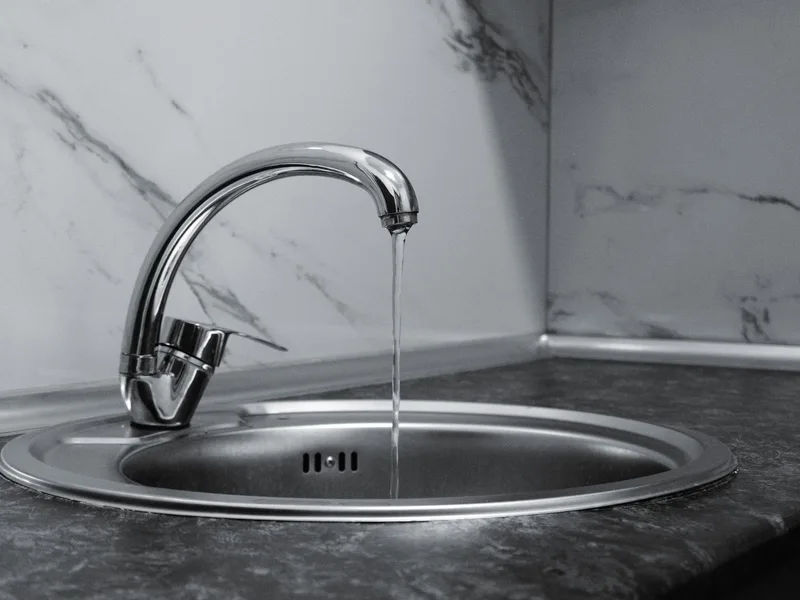
Drains and grease traps
Underground drains beneath the buildings are old and fractured, discharging kitchen water, laundry moisture and bathroom humidity. Rats burrow in clay around leaking pipes.
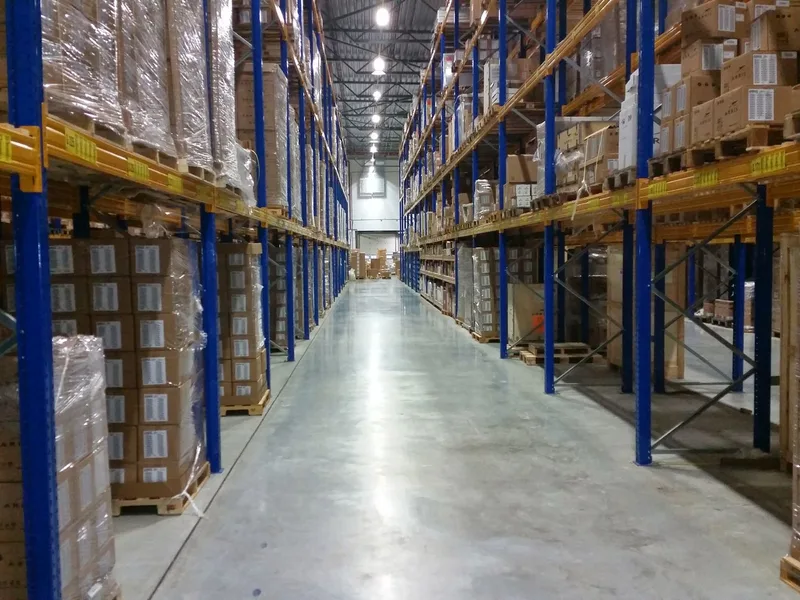
Dry store and pallets
Food storage in flats and restaurants sits on open shelves or in old wooden cabinets. Fixed points monitor pest entry into these feeding areas continuously.
Fixed, numbered points
Numbered points cover every flat, the restaurant, shared passages and the roof, all recorded on one building plan.

The file itself
The record holds monthly and annual visit reports. At municipal inspection, it proves continuous monitoring of the building.
How we work
-
1
Survey and risk assessment
We walk the building from the goods-in door through preparation, stores and washrooms, and record the species pressure, the entry routes, the moisture and which areas carry which level of risk.
-
2
The plan, the map and the frequency
We number the monitoring positions on a plan of the site, agree the visit frequency from what each area handles and how open the building is, and agree who receives and signs the report.
-
3
The scheduled visits
Every visit reads the same route, point by point, records the reading even when it is nil, and treats the area the reading calls for rather than the whole building.
-
4
Review and reading the trend
We read the visits together rather than one at a time: where the readings climbed, which corrective actions are still open, and whether an area needs more points or closer visits.
What the annual contract includes
-

Opening survey and site plan
A walk that fixes the risk areas and the entry routes, and a plan with the monitoring positions numbered before anything is installed.
-

Numbered monitoring points
Fixed positions on a set route, opened, read and logged every visit, and replaced when damaged.
-

Targeted treatment when called for
On the cracks, junctions and service areas the reading points to, and outside operating hours where that is needed.
-

Drains and waste areas
Floor gullies, grease traps and the ground around the containers on every visit, because that is the source that renews itself.
-

Report and corrective actions
After every visit: what was found, what was applied and where, and what the site needs to fix, such as a door gap or a missing drain cover.
-

Scheduled visits and visits in between
A schedule agreed in the contract, plus a visit when activity appears between two dates, logged like any other.
What is different about Al Aziziyah Sub-Municipality
The Al Aziziyah sub municipality takes in the established heart of northern Jeddah, from the Al Hamra corniche on the Red Sea to Al Rehab east of King Abdullah Road. Its buildings date back decades, mostly mid rise apartment blocks over shops and closely packed restaurants along Makarona Road, Tahliah Street and Palestine Street, alongside villas and hotel towers near the shore. Sea humidity is high in the western districts, plumbing and drainage in the older blocks are ageing, and food outlets, hospitals and irrigated gardens are everywhere, conditions that favour cockroaches, ants, mosquitoes and rodents throughout the year.
Questions about this district
The restaurant below keeps it clean. Why do we have cockroaches in our flat?
They enter through cracks in the shared wall and broken drains between you and the commercial space below, even when that space is clean. The contract treats the structure itself, not just your flat.
Do you seal cracks and repair old drains, or just treat pests?
We treat living pests with products safe in occupied homes. The report identifies cracks and deteriorated drains that need repair, and your building can then hire specialists or approach the municipality.
Ants flood in every summer from the street. Will the annual contract stop them?
Ants follow food scraps and moisture trails. The contract targets feeding areas in your flat and the cracks around pipes. If ants persist, deeper caulking of wall joints may be needed.
Mosquitoes are heavy in summer. Do numbered points help?
Monitoring points reveal where mosquito larvae breed, such as under floor slabs and in damp corners. The report shows where standing water is collecting, so you or the building can eliminate it.
Can work happen at night after the restaurants close?
Yes. Most restaurants close by ten in the evening. Visits can be scheduled after closing to avoid customers and staff.
Our neighbours refuse an annual contract. Will that affect ours?
Yes, it can. Cockroaches move between flats via walls and drains. If the flat next to you is untreated, pest pressure may spike at your monitoring points between visits.
How much does annual contracts in Al Aziziyah cost?
It is set after the inspection, because the price follows the type of infestation, the size of the space, how far it has spread and the number of visits it needs. Send a photo and a description on WhatsApp and we will give you an estimate before we reach Al Aziziyah.
Other services in Al Aziziyah
Other services we provide to residents of Al Aziziyah.
-
 Residential
Cockroach control
Residential
Cockroach control
-
 Residential
Bed bug control
Residential
Bed bug control
-
 Residential
Termite control
Residential
Termite control
-
 Residential
Rodents and mice
Residential
Rodents and mice
-
 Residential
Mosquito control
Residential
Mosquito control
-
 Residential
Fly control
Residential
Fly control
-
 Residential
Ant control
Residential
Ant control
-
 Residential
Gecko control
Residential
Gecko control
-
 Residential
Scorpion control
Residential
Scorpion control
-
 Residential
Snake control
Residential
Snake control
-
 Residential
Flea control
Residential
Flea control
-
 Residential
Bird and pigeon control
Residential
Bird and pigeon control
-
 Residential
Preventive treatment
Residential
Preventive treatment
-
 Residential
Disinfection
Residential
Disinfection
-
 Commercial
Restaurants and cafes
Commercial
Restaurants and cafes
-
 Commercial
Hotels and apartments
Commercial
Hotels and apartments
-
 Commercial
Warehouses and factories
Commercial
Warehouses and factories
-
 Commercial
Schools and nurseries
Commercial
Schools and nurseries
-
 Commercial
Retail and malls
Commercial
Retail and malls
-
 Commercial
Rest houses and farms
Commercial
Rest houses and farms
-
 Commercial
Fumigation
Commercial
Fumigation
-
 Water tanks
Water tank cleaning
Water tanks
Water tank cleaning
-
 Water tanks
Water tank sterilization
Water tanks
Water tank sterilization
-
 Water tanks
Water tank sealing
Water tanks
Water tank sealing
-
 Water tanks
Tank leak repair
Water tanks
Tank leak repair
Need annual contracts in Al Aziziyah? Tell us what you saw and we will tell you what it needs
We reach Al Aziziyah at a time we agree, and you get the full cost before we start.