

Annual contracts in Al Hindawiyah Jeddah
Al Hindawiyah is a densely packed nineteenth-century quarter where residential blocks are stacked directly above hundreds of shops and markets. The high population density and age of the buildings mean that annual contracts must do more than single visits can: fixed monitoring points throughout the district catch what a one-off call-out misses entirely.
-
Targeted, not broadcast
Product goes into cracks and runways, never sprayed across open surfaces.
-
Told before we start
What we will use, where it goes, and what to cover or move before we arrive.
-
A follow-up visit
We return after the first treatment, because what survives it does not show on the day.
-
Homes and businesses
Apartments and villas, and kitchens and stores that need a record of each visit.
Why they keep coming back in Al Hindawiyah
Flats in Al Hindawiyah share drainage and ventilation routes with one another, and the constant flow of shoppers and traders means that activity in one unit is rarely the same as in another, even on the same floor. The method is set out in full on our Annual contracts service.
Shared entrances and stacked floors mean shared infestation routes
Each flat is separated from its neighbours only by an external wall. Shared entrances mean insects need no permission to move between units: a single stairwell connects every floor. A fixed monitoring point positioned strategically reads activity across multiple flats at once, catching movement that a single visit would never see.
Hundreds of shops and markets operate directly below the residential flats
The ground floors and basements are not simple shops: they are restaurants, workshops, traditional groceries and markets operating on fluid schedules with no fixed hours. Each business creates different pest pressures. An annual contract tracks the continuous spread of insects from the shop upward into the flat above, and from flat to flat through the building's shared systems.
Salt spray and humidity from the port penetrate old foundations constantly
Jeddah Islamic Port is a continuous hub of activity, and salt and moisture seep into the old masonry, attracting rodents and insects year round. A single visit cannot detect this pattern, but numbered fixed points record what changes season to season and week to week.
Al Hindawiyah on the map
Al Hindawiyah sits about 1.5 km from Al Balad and about 3 km from Al Kandarah.
Open in Google MapsWhat sets the shape of the contract
Closely spaced apartment buildings with repeated floors and shared entrances, popular markets and workshop spaces sharing the same underground piping and drainage systems, and an active port terminal less than half a kilometre away directly affecting humidity and salt levels.
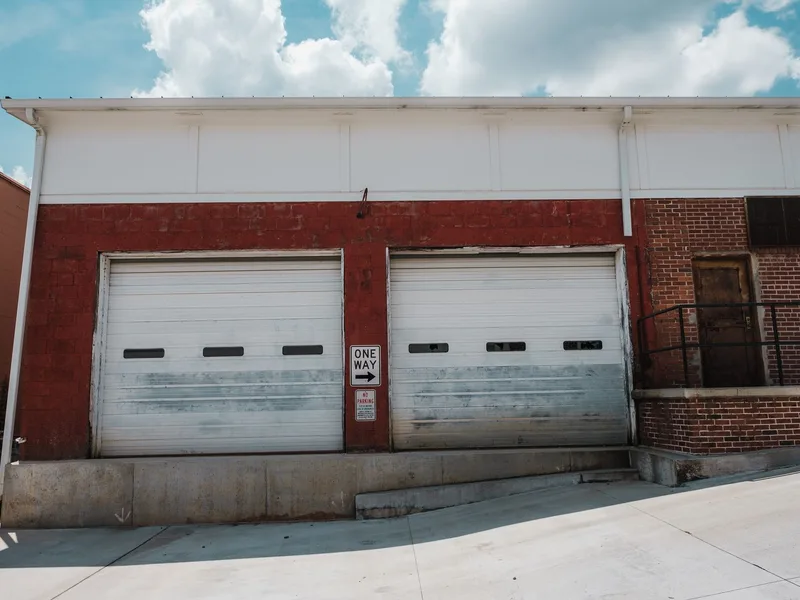
The goods-in door
The goods-in door in Al Hindawiyah is usually the front of a ground-floor shop or a service entrance onto Port Street, and the report is handed over to the shop owner or building manager on every visit.
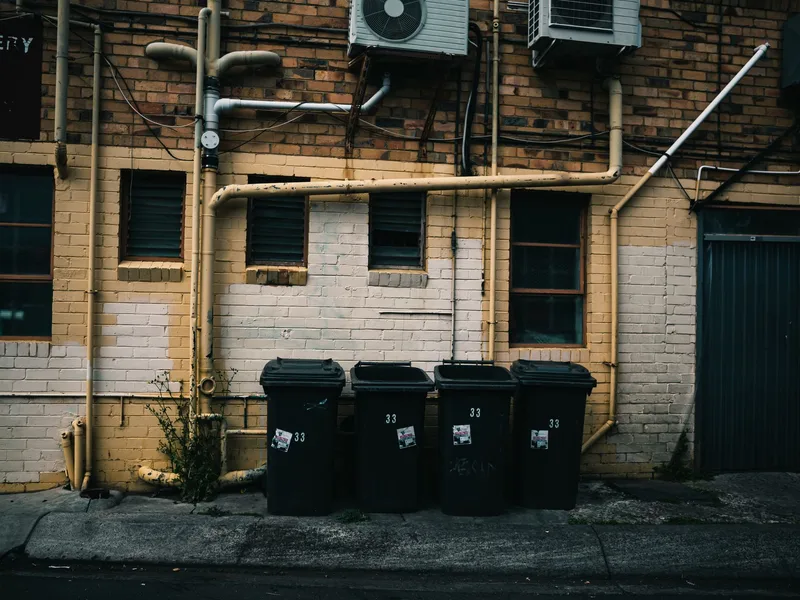
The waste area
Waste areas are distributed across internal courtyards and shared yards of the buildings. Some older apartment blocks have almost no dedicated waste space, so waste and debris accumulate in the common stairwells themselves.
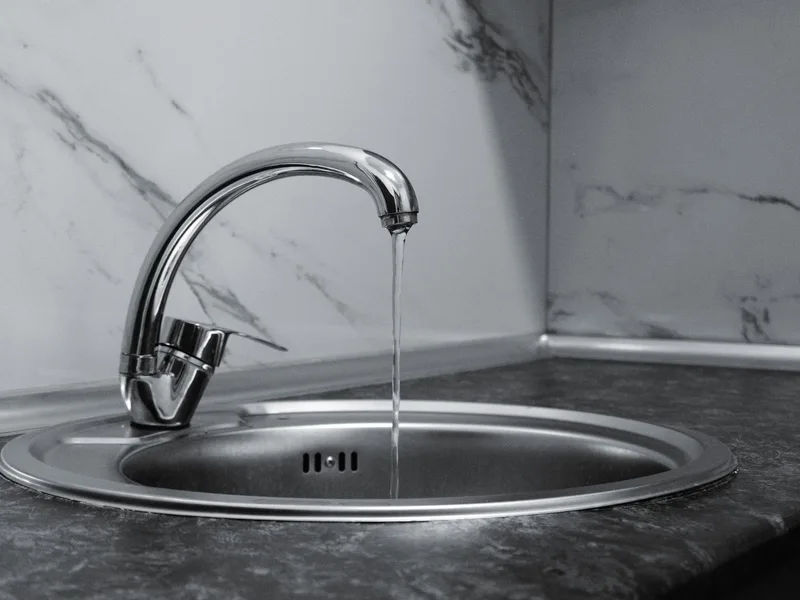
Drains and grease traps
Drains and grease traps in Al Hindawiyah are very old, some dating to the nineteenth century. Salt corrodes metal rapidly. Ground-floor shops discharge directly into main drainage lines shared with all other units.
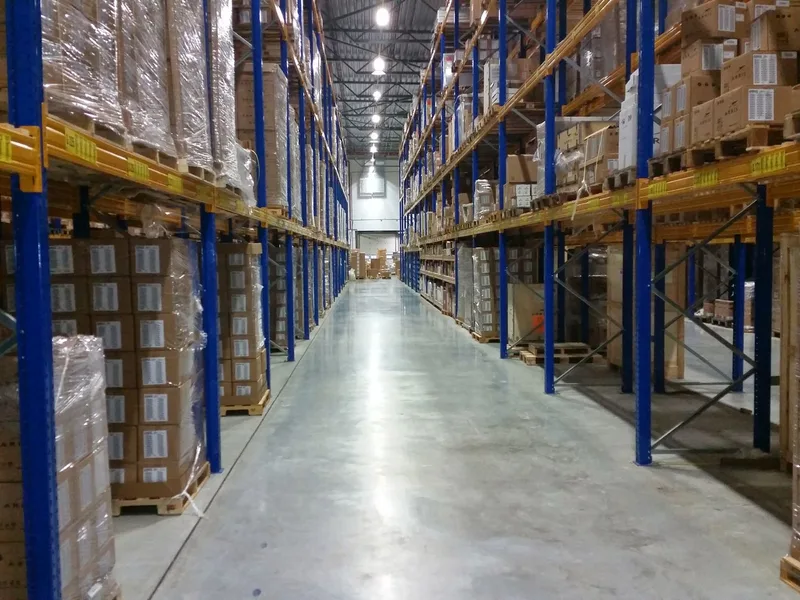
Dry store and pallets
Dry stores and pallets are not found in residential flats, but the ground-floor and basement shops store flour, grains, oil and spices in cramped spaces that require continuous fixed monitoring.
Fixed, numbered points
Monitoring stations are positioned in the emergency stairwell, the shared corridor, the roof, and the cupboard under the main stairs. Each point is numbered and documented on a separate map for each building.

The file itself
The file contains floor maps with point locations, records of every weekly or fortnightly reading, visit notes, and photographs of stations corroded or damaged by salt spray and age.
How we work
-
1
Survey and risk assessment
We walk the building from the goods-in door through preparation, stores and washrooms, and record the species pressure, the entry routes, the moisture and which areas carry which level of risk.
-
2
The plan, the map and the frequency
We number the monitoring positions on a plan of the site, agree the visit frequency from what each area handles and how open the building is, and agree who receives and signs the report.
-
3
The scheduled visits
Every visit reads the same route, point by point, records the reading even when it is nil, and treats the area the reading calls for rather than the whole building.
-
4
Review and reading the trend
We read the visits together rather than one at a time: where the readings climbed, which corrective actions are still open, and whether an area needs more points or closer visits.
What the annual contract includes
-

Opening survey and site plan
A walk that fixes the risk areas and the entry routes, and a plan with the monitoring positions numbered before anything is installed.
-

Numbered monitoring points
Fixed positions on a set route, opened, read and logged every visit, and replaced when damaged.
-

Targeted treatment when called for
On the cracks, junctions and service areas the reading points to, and outside operating hours where that is needed.
-

Drains and waste areas
Floor gullies, grease traps and the ground around the containers on every visit, because that is the source that renews itself.
-

Report and corrective actions
After every visit: what was found, what was applied and where, and what the site needs to fix, such as a door gap or a missing drain cover.
-

Scheduled visits and visits in between
A schedule agreed in the contract, plus a visit when activity appears between two dates, logged like any other.
Landmarks of Al Hindawiyah
Al Dhahab Street divides Al Hindawiyah into a section facing Jeddah Islamic Port directly and a popular inland section. Visits typically begin from Port Street where most commercial units concentrate, or from the main entrance near Umar ibn Al Khattab Mosque if the building sits in the inland quarter.
- Jeddah Islamic Port
- Port Street
- Al Dhahab Street (Abdullah Hashim Street)
- Zawiyat Al Hunud Mosque
- Umar ibn Al Khattab Mosque
Questions about this district
Can we treat just one flat or must the whole building be monitored together?
Flats in a single building share pipes and ventilation routes, and an insect entering one flat reaches another through the building systems easily. The contract covers the entire building and the monitoring record tracks what happens in each flat individually, but treats the building as a connected system.
What if one neighbour refuses to allow entry to his flat for visits?
Monitoring points are installed in shared areas that are common to all: the emergency stairwell, the main corridor, the roof, and the space under the stairs. We do not need access to every individual flat. We read the fixed points in the zones everyone shares.
Do visit schedules align with the activity of the shops and port below?
Visits are scheduled for one fixed time per week or fortnightly, a slot the building management chooses when traffic is at its normal level. The fixed stations record insects the moment they arrive, regardless of when the visit is scheduled.
Does the record note salt corrosion affecting the old underground pipes?
Salt corrodes metal and monitoring points degrade. The contract file checks every monitoring station monthly. If an old metal point shows corrosion, we remove it and place a new one elsewhere that feeds the same route.
How often are visits scheduled and who decides the frequency?
Visit frequency is set during the initial survey of the building: each building needs a different cycle based on traffic density and location. Most buildings in Al Hindawiyah need a visit every week or every other week, adjusted as the record shows.
Are the monitoring points in stairwells and corridors safe from accidental damage?
Points are fixed, numbered and installed in known locations, with the inspection record tracking the condition of each one. If a point is damaged by foot traffic or moisture, we replace it immediately and document the replacement in the file.
How much does annual contracts in Al Hindawiyah cost?
It is set after the inspection, because the price follows the type of infestation, the size of the space, how far it has spread and the number of visits it needs. Send a photo and a description on WhatsApp and we will give you an estimate before we reach Al Hindawiyah.
Nearby districts we cover
Other services in Al Hindawiyah
Other services we provide to residents of Al Hindawiyah.
-
 Residential
Cockroach control
Residential
Cockroach control
-
 Residential
Bed bug control
Residential
Bed bug control
-
 Residential
Termite control
Residential
Termite control
-
 Residential
Rodents and mice
Residential
Rodents and mice
-
 Residential
Mosquito control
Residential
Mosquito control
-
 Residential
Fly control
Residential
Fly control
-
 Residential
Ant control
Residential
Ant control
-
 Residential
Gecko control
Residential
Gecko control
-
 Residential
Scorpion control
Residential
Scorpion control
-
 Residential
Snake control
Residential
Snake control
-
 Residential
Flea control
Residential
Flea control
-
 Residential
Bird and pigeon control
Residential
Bird and pigeon control
-
 Residential
Preventive treatment
Residential
Preventive treatment
-
 Residential
Disinfection
Residential
Disinfection
-
 Commercial
Restaurants and cafes
Commercial
Restaurants and cafes
-
 Commercial
Hotels and apartments
Commercial
Hotels and apartments
-
 Commercial
Warehouses and factories
Commercial
Warehouses and factories
-
 Commercial
Schools and nurseries
Commercial
Schools and nurseries
-
 Commercial
Retail and malls
Commercial
Retail and malls
-
 Commercial
Rest houses and farms
Commercial
Rest houses and farms
-
 Commercial
Fumigation
Commercial
Fumigation
-
 Water tanks
Water tank cleaning
Water tanks
Water tank cleaning
-
 Water tanks
Water tank sterilization
Water tanks
Water tank sterilization
-
 Water tanks
Water tank sealing
Water tanks
Water tank sealing
-
 Water tanks
Tank leak repair
Water tanks
Tank leak repair
Need annual contracts in Al Hindawiyah? Tell us what you saw and we will tell you what it needs
We reach Al Hindawiyah at a time we agree, and you get the full cost before we start.