
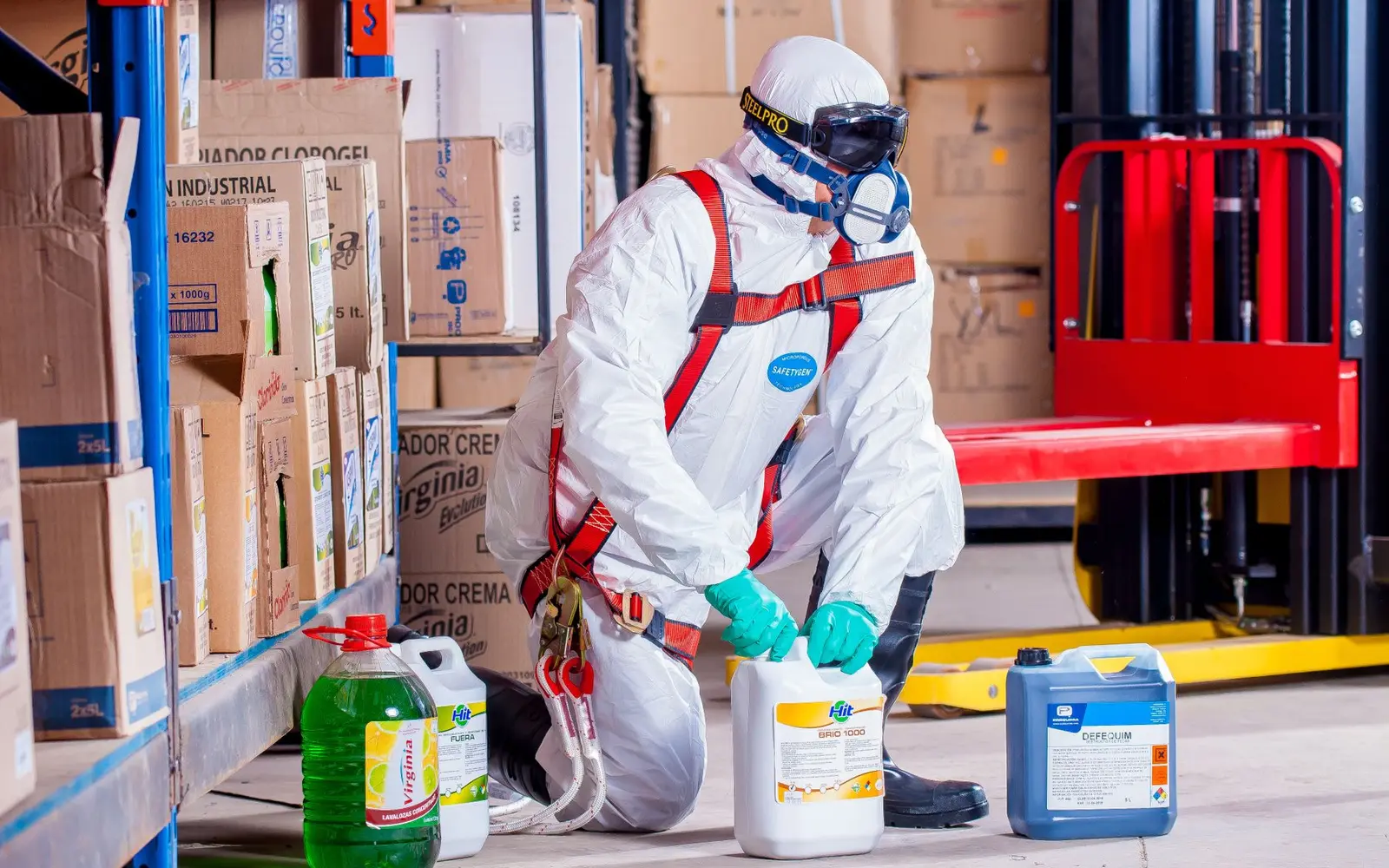
Warehouses and factories in Al Hindawiyah Jeddah
Al Hindawiyah is a very old quarter built directly beside Jeddah Islamic Port, a dense grid of apartment blocks with shared entrances and hundreds of shops and traditional markets lining Port Street and Al Dhahab Street. Warehouses here are pressed against each other and against the retail spaces, goods move straight from the port through narrow streets, the air stays salt-heavy and humid, and insects spread between buildings faster than in any other Jeddah quarter.
-
Targeted, not broadcast
Product goes into cracks and runways, never sprayed across open surfaces.
-
Told before we start
What we will use, where it goes, and what to cover or move before we arrive.
-
A follow-up visit
We return after the first treatment, because what survives it does not show on the day.
-
Homes and businesses
Apartments and villas, and kitchens and stores that need a record of each visit.
Why they keep coming back in Al Hindawiyah
Warehouses facing Port Street experience relentless salt-laden moisture from the sea, and insects migrate between pressed-together blocks faster than they do in any other area of the city. The method is set out in full on the full Warehouses and factories page.
Intense salt moisture from the port feeds constant pest pressure
Al Hindawiyah sits directly beside Jeddah Islamic Port, and salt-heavy moisture keeps external walls damp all year. Cockroaches and silverfish thrive in this dampness, and warehouses facing the waterfront experience far higher pressure than inland quarters. Walls sweat, gaps are wide, and insects get in and stay. The pressure does not ease when outside temperatures drop.
Cramped streets and pressed-together blocks let pests travel instantly
Apartment buildings in Al Hindawiyah are touching each other, with shared passages and shared pipes running between them. Cockroaches and silverfish move between building and building through the common walls and linked pipework. Treating one warehouse alone may not work if the whole building is infested. Streets are so tight that goods stack on pavements and in damp corners before they ever reach the store. The entry routes multiply.
Stock arrives wet from the port and is stacked in airless spaces
Al Hindawiyah is a direct unloading point from Jeddah Islamic Port, and goods may arrive already salt-damp or carrying pests from the shipping containers. Boxes and sacks stack in the narrow passages and damp corners before they reach the warehouse proper. Quick inspection at goods-in is not enough here. We need frequent ongoing treatment of stored stock because the moisture never stops, and insects breed faster in damp than in dry storage.
Al Hindawiyah on the map
Al Hindawiyah sits about 1.5 km from Al Balad and about 3 km from Al Kandarah.
Open in Google MapsWhat the first walk through the building reads
Al Hindawiyah is a historic port-side area with apartment buildings above street-level shops, extremely high residential density, very narrow streets, and direct adjacency to an active Islamic port.
The shutter line
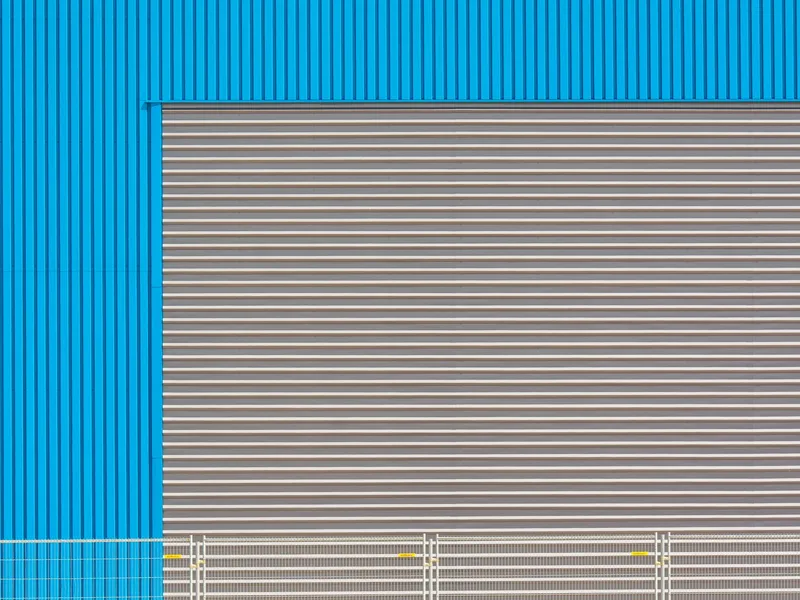
Port Street and Al Dhahab Street run through the middle of Al Hindawiyah, and warehouse doors open straight onto these narrow damp streets, so insects enter from the street directly into the store.
What comes in on the pallet
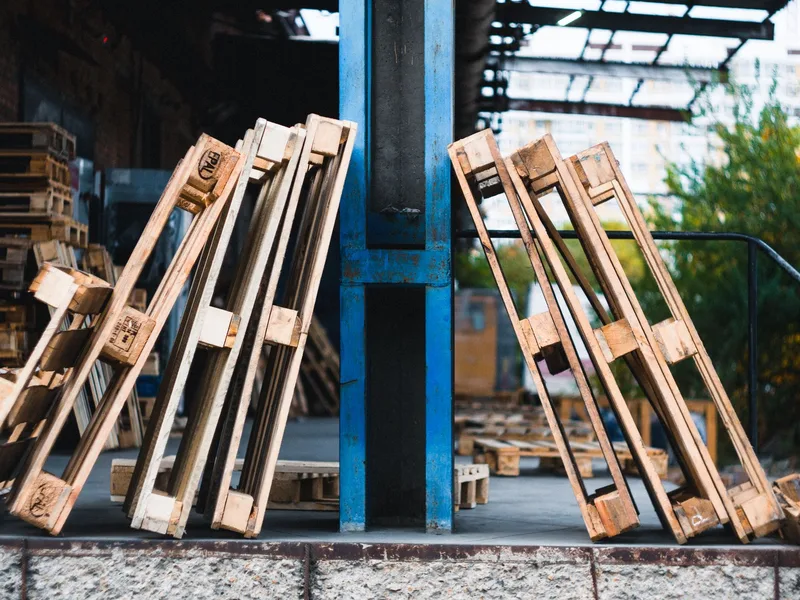
Pallets and sacks from the port arrive very damp, and if stored straight away without drying they become ideal breeding ground for rapid insect reproduction.
The strip along the wall
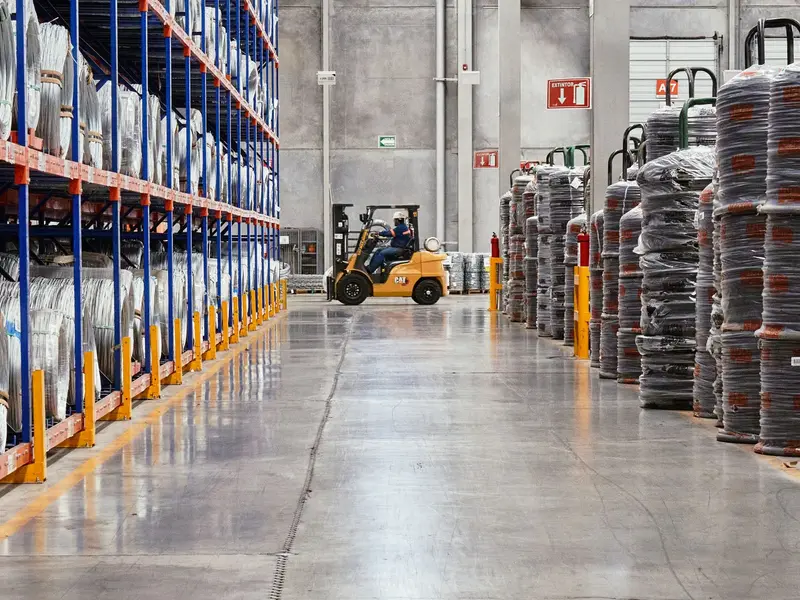
The racking and walls in warehouses here sit close to the damp external walls, so moisture seeps through and creates ideal conditions for cockroaches and silverfish.
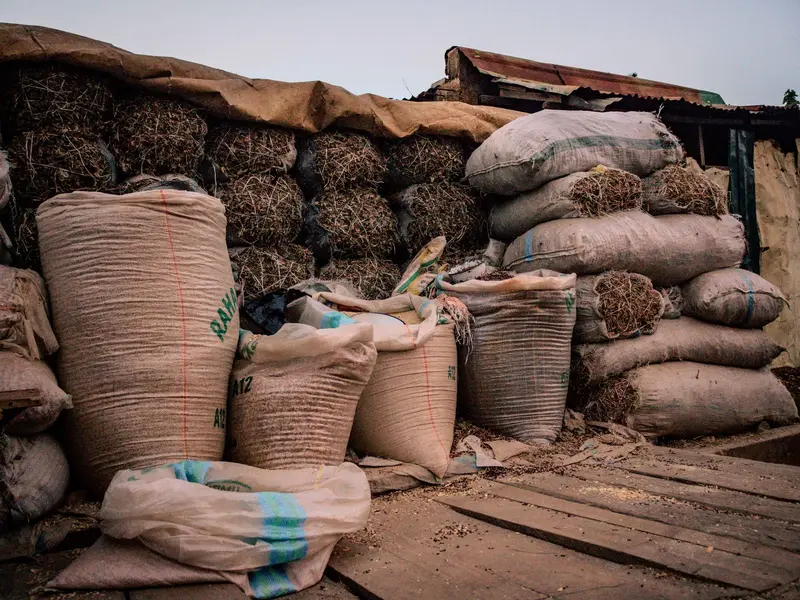
Spillage under the racking
Spaces under the racking stay wet and humid year round because of proximity to the sea, and insects shelter and breed there, especially in dark corners.
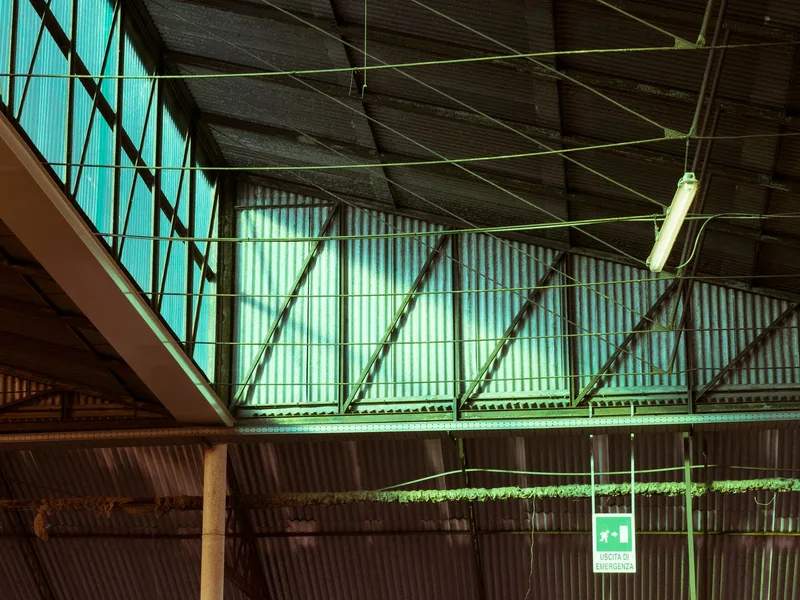
The roof and the openings above
Roofing and upper openings in Al Hindawiyah are very old and cracked from salt moisture and age, and insects and rodents enter from there, particularly from the apartment blocks above.
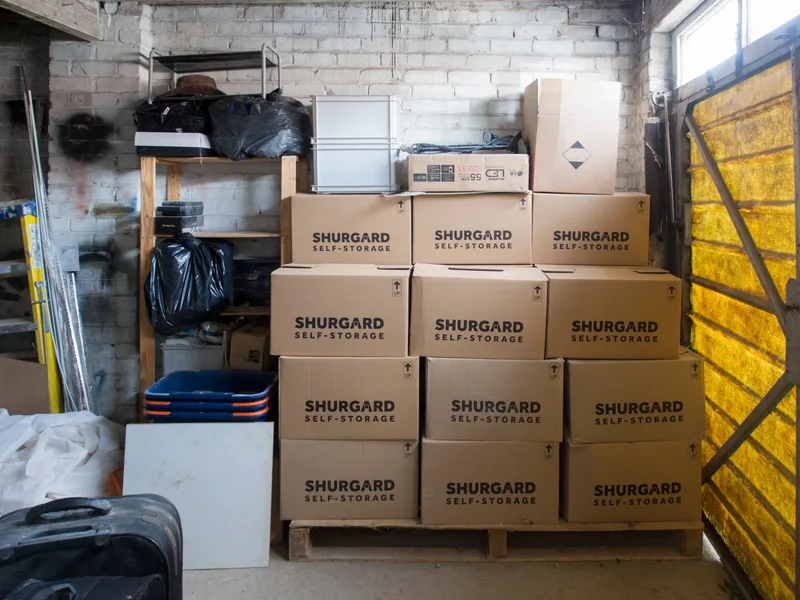
Stock that does not move
Stock stored in damp corners for months becomes far more prone to infestation, so regular inspection catches activity in old pallets before it spreads.
How we work
-
1
Survey the building and locate the source
We walk from the goods-in door through the racking, the production areas and the outside wall line, and establish whether the pressure is stored product pests inside the goods, rodents from the perimeter or flying insects from waste and doorways, because each of those is a different programme.
-
2
Pheromone traps and numbered points
Species-specific pheromone traps through the storage areas, and monitoring points on the external ring and along the internal walls, numbered on the racking plan. A trap treats nothing, it tells us which aisle the numbers are climbing in.
-
3
Targeted treatment and isolating the consignment
Spillage is lifted first, then empty racking, wall and floor junctions and voids are treated, and nothing is placed over open stock or a running line. A consignment showing activity is isolated where it stands rather than carried through the building.
-
4
Sealing, then the scheduled visits
We close door gaps, openings and pipe entries, then come back on an agreed schedule: the same traps and points are read each time, and a report goes over what was found, what was treated and what the building still needs closed.
What warehouse pest control includes
-

Site survey and racking plan
A walk from the goods-in door to the last aisle, and a plan with every monitoring position numbered before anything is installed.
-

Pheromone traps and numbered points
Species-specific traps through the storage areas and points along the perimeter line, read and logged on every visit.
-

Targeted treatment of racking and junctions
On empty racking, wall and floor junctions and voids, never over open stock or a running line.
-

Drains, waste and the perimeter
Floor gullies, the container area and the outside wall line, because that is the source which renews itself.
-

Proofing and building findings
Shutter gaps, brush seals and mesh over openings, with a list of what the site needs to repair.
-

Scheduled visits and a report each time
Agreed dates set by the pressure on the site, the same traps read again, and a report that records every visit.
Landmarks of Al Hindawiyah
Warehouses in Al Hindawiyah sit very close to Jeddah Islamic Port and are ringed by tight streets like Port Street and Al Dhahab Street. Work here organises around these main thoroughfares, and treatment must account for the relentless salt dampness and proximity to the port and the many surrounding shops.
- Jeddah Islamic Port
- Port Street
- Al Dhahab Street (Abdullah Hashim Street)
- Zawiyat Al Hunud Mosque
- Umar ibn Al Khattab Mosque
Questions about this district
Salt moisture from the port reaches the warehouse direct. Does it make traps less effective?
Pheromone traps work even in high salt moisture, but they need reading more often. Moisture makes insects more active, so we read every week instead of fortnightly. The reports show the truth: more activity means higher pressure from the sea and port side.
The warehouse sits in an apartment block with other shops. Does the programme protect the whole building?
The warehouse programme protects the warehouse itself. But if the building is infested, we may recommend additional treatment. Pressed-together blocks let insects move, and ground-floor shops or flats above the warehouse can be reinfection sources.
Goods arrive very damp from the port. Do we open them outside or inside the warehouse?
Opening outside is better if space allows. Air circulation cuts the moisture and spreads the insects out. If we must open inside, we open near the door and never store damp goods mixed with dry goods in the same racking space.
Port Street and the streets around the warehouse are full of litter. Does it matter?
Litter and waste outside draw insects and rodents off the street. We cannot clean the public street, but we focus on sealing doors and gaps around the warehouse entrance to block insects coming in from outside.
How often do we read traps in Al Hindawiyah compared to other Jeddah quarters?
In Al Hindawiyah we read weekly, or more if pressure is high. In less damp quarters inland we read fortnightly. The salt moisture and waterfront position need closer watch because insects are more active here.
Is the Al Hindawiyah programme different from programmes in inland Jeddah districts?
Yes. Al Hindawiyah is coastal and very damp, so moisture and salt affect the pest types and their speed. Readings happen more often and treatments are stronger in damp areas. The report reflects reality: high pressure needs constant vigilance.
How much does warehouses and factories in Al Hindawiyah cost?
It is set after the inspection, because the price follows the type of infestation, the size of the space, how far it has spread and the number of visits it needs. Send a photo and a description on WhatsApp and we will give you an estimate before we reach Al Hindawiyah.
Nearby districts we cover
Other services in Al Hindawiyah
Other services we provide to residents of Al Hindawiyah.
-
 Residential
Cockroach control
Residential
Cockroach control
-
 Residential
Bed bug control
Residential
Bed bug control
-
 Residential
Termite control
Residential
Termite control
-
 Residential
Rodents and mice
Residential
Rodents and mice
-
 Residential
Mosquito control
Residential
Mosquito control
-
 Residential
Fly control
Residential
Fly control
-
 Residential
Ant control
Residential
Ant control
-
 Residential
Gecko control
Residential
Gecko control
-
 Residential
Scorpion control
Residential
Scorpion control
-
 Residential
Snake control
Residential
Snake control
-
 Residential
Flea control
Residential
Flea control
-
 Residential
Bird and pigeon control
Residential
Bird and pigeon control
-
 Residential
Preventive treatment
Residential
Preventive treatment
-
 Residential
Disinfection
Residential
Disinfection
-
 Commercial
Annual contracts
Commercial
Annual contracts
-
 Commercial
Restaurants and cafes
Commercial
Restaurants and cafes
-
 Commercial
Hotels and apartments
Commercial
Hotels and apartments
-
 Commercial
Schools and nurseries
Commercial
Schools and nurseries
-
 Commercial
Retail and malls
Commercial
Retail and malls
-
 Commercial
Rest houses and farms
Commercial
Rest houses and farms
-
 Commercial
Fumigation
Commercial
Fumigation
-
 Water tanks
Water tank cleaning
Water tanks
Water tank cleaning
-
 Water tanks
Water tank sterilization
Water tanks
Water tank sterilization
-
 Water tanks
Water tank sealing
Water tanks
Water tank sealing
-
 Water tanks
Tank leak repair
Water tanks
Tank leak repair
Need warehouses and factories in Al Hindawiyah? Tell us what you saw and we will tell you what it needs
We reach Al Hindawiyah at a time we agree, and you get the full cost before we start.