

Annual contracts in Al Sarawat Jeddah
Al Sarawat is an industrial district in south Jeddah with large warehouses, workshops and loading yards where waste and stored goods attract heavy pest activity. The annual contract places numbered monitoring points along receiving routes, storage zones and dispatch routes, and monthly reports protect goods and stop infestations before they penetrate into the racks.
-
Targeted, not broadcast
Product goes into cracks and runways, never sprayed across open surfaces.
-
Told before we start
What we will use, where it goes, and what to cover or move before we arrive.
-
A follow-up visit
We return after the first treatment, because what survives it does not show on the day.
-
Homes and businesses
Apartments and villas, and kitchens and stores that need a record of each visit.
Why they keep coming back in Al Sarawat
Insects in warehouses do not originate inside the building. They arrive on imported goods, breed in stacked boxes, survive in moisture trapped under high ceilings, and multiply in the daily churn of goods movement. The population is hidden until the problem becomes severe. The method is set out in full on how we approach Annual contracts.
Large warehouses hide problems until they overwhelm the stock
A small workshop shows insect activity quickly. A large warehouse has corners, high ceilings and stacked goods that conceal pests until populations soar. The annual contract distributes numbered monitoring points across the entire warehouse on a regular grid, not just at entry doors. Monthly reports find problems before insects reach the stored goods.
Incoming goods carry pest infestations with them
Cartons from distant factories may carry insect eggs. Used packaging carries contamination. The warehouse cannot inspect every box, but the contract monitors receiving zones and temporary holding areas, treating quickly before goods move to the racks and breed new populations.
Open spaces and windblown entry points admit pests from outside
Al Sarawat sits exposed to roads and prevailing winds. Dust and flying insects enter through roof vents and high windows. Loading yards are open and delivery trucks come straight from the street. The contract focuses on these broad entry points and deploys monitoring barriers at each one.
Al Sarawat on the map
Al Sarawat sits about 4.5 km from Al Saruriyah and about 8.5 km from Al Mahjar.
Open in Google MapsWhat sets the shape of the contract
The area experiences intense heat and dust laden winds, industrial buildings are dispersed with wide gaps between workshops and warehouses, and accumulated industrial waste and wastewater sit in open spaces. High ceilings and few internal partitions mean humidity builds invisibly.
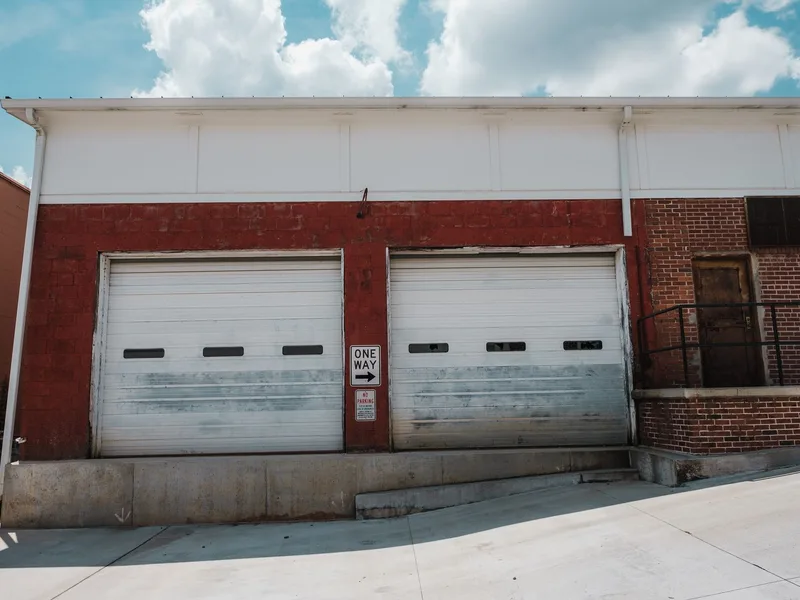
The goods-in door
The goods-in door is the first line of defence, and the contract places a numbered monitoring point near the receiving entrance to intercept pests from delivery trucks before they enter the warehouse storage system.
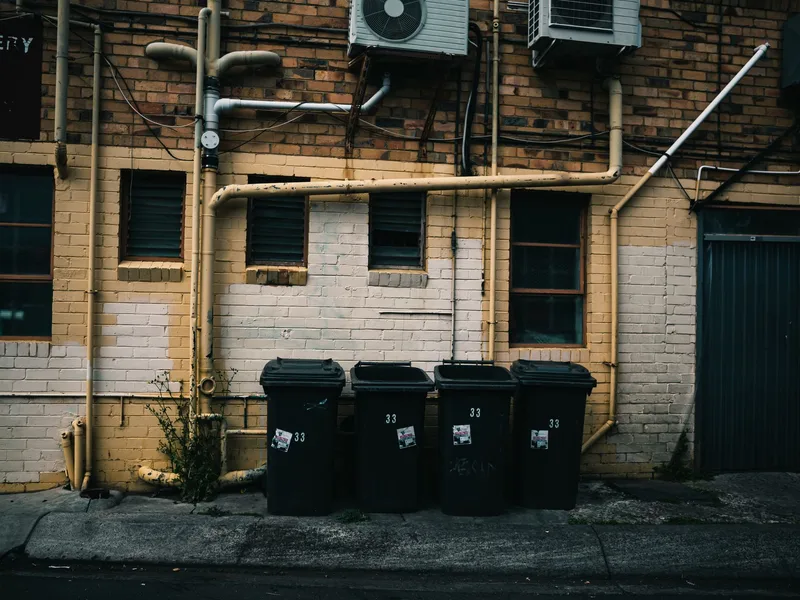
The waste area
The industrial waste area accumulates rapidly and attracts flies and beetles, and monitoring points are positioned near waste skips and the corners where empty cartons and packaging remnants collect.
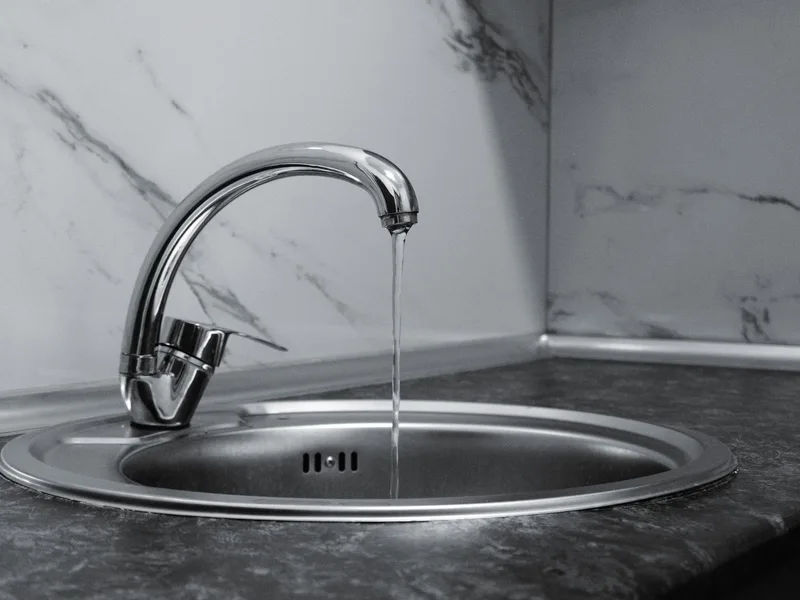
Drains and grease traps
Industrial drains from workshops differ from residential wastewater, and the contract places sealed traps and marker points on main drain runs and high opening points where pests might enter from the underground system.
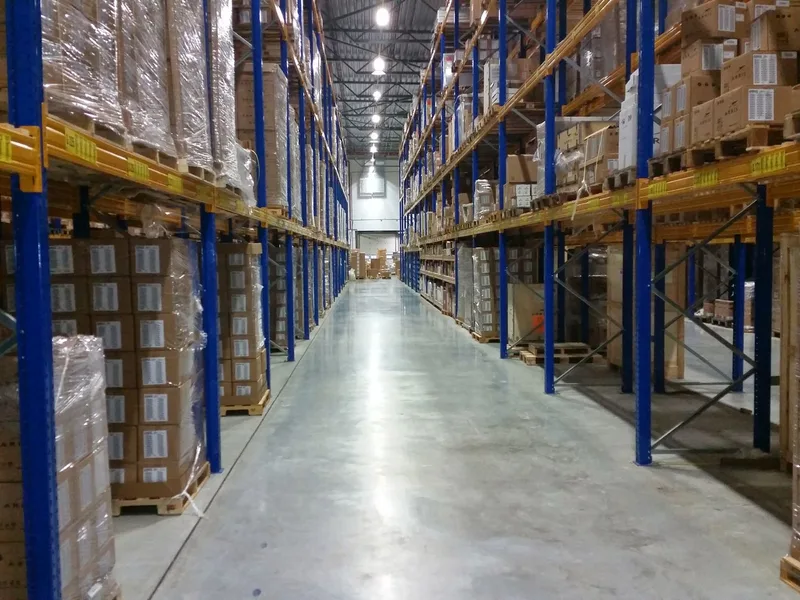
Dry store and pallets
The dry store in the industrial workshop traps moisture under high ceilings, and monitoring points are placed on storage racks, corner junctions and high level vents so insect development is tracked before goods are affected.

Fixed, numbered points
Numbered points are distributed across a regular grid through the large warehouse on a density of approximately one point per 200 square metres of floor, with extra points at external wall junctions, so no zone is left unwatched.

The file itself
The file contains a floor plan of the warehouse with the location and number of each monitoring point marked and photographed, and monthly reports show which points recorded activity and track whether any zone is beginning a population rise.
How we work
-
1
Survey and risk assessment
We walk the building from the goods-in door through preparation, stores and washrooms, and record the species pressure, the entry routes, the moisture and which areas carry which level of risk.
-
2
The plan, the map and the frequency
We number the monitoring positions on a plan of the site, agree the visit frequency from what each area handles and how open the building is, and agree who receives and signs the report.
-
3
The scheduled visits
Every visit reads the same route, point by point, records the reading even when it is nil, and treats the area the reading calls for rather than the whole building.
-
4
Review and reading the trend
We read the visits together rather than one at a time: where the readings climbed, which corrective actions are still open, and whether an area needs more points or closer visits.
What the annual contract includes
-

Opening survey and site plan
A walk that fixes the risk areas and the entry routes, and a plan with the monitoring positions numbered before anything is installed.
-

Numbered monitoring points
Fixed positions on a set route, opened, read and logged every visit, and replaced when damaged.
-

Targeted treatment when called for
On the cracks, junctions and service areas the reading points to, and outside operating hours where that is needed.
-

Drains and waste areas
Floor gullies, grease traps and the ground around the containers on every visit, because that is the source that renews itself.
-

Report and corrective actions
After every visit: what was found, what was applied and where, and what the site needs to fix, such as a door gap or a missing drain cover.
-

Scheduled visits and visits in between
A schedule agreed in the contract, plus a visit when activity appears between two dates, logged like any other.
The character of Al Sarawat
Industrial area: workshops, warehouses and loading yards
Industrial warehouses are large spaces with high ceilings and broad vent openings, and pests enter from multiple sources: delivered goods, windblown entry, perimeter gaps and rainwater. The contract must cover the entire volume with a regular grid of monitoring points and cannot rely on main entry doors alone.
Questions about this district
Our workshop is clean and nothing stays damp. Why do insects keep entering?
Cleanliness matters but is not sufficient. Insects follow food scent, moisture and shelter, not cleanliness. Warehouses have corners, cracks and high ceilings that hold moisture even when the floor stays dry. Flying pests enter through high vents. The contract addresses every pathway insects use to enter and breed.
Goods move through daily. How can monitoring points track anything useful?
Numbered points are placed on the permanent structure - floor, ceiling, walls and corners - not on goods. Goods change but insects remain in the same locations. Points see activity in receiving zones, temporary holding areas and passages, regardless of what stock is on site at any moment.
Will the report show whether the problem comes from goods or from inside the warehouse?
The report shows where pests were found and how many. If every new delivery arrives infested, you will see it at receiving points. If the problem originates inside the warehouse, you will see activity in points far from the entry doors. This helps you trace the source.
Delivery trucks pull in directly from the street. Can the loading yard be protected?
Open yards need different protection. We cannot close them, but we place monitoring points on the passages where trucks enter the building from the yard and focus close attention on these zones with shorter intervals between visits.
Must every incoming delivery be fumigated?
Fumigation is a major undertaking that is expensive and may not suit every carton. The contract focuses on monitoring and rapid treatment when needed. If the problem becomes severe, we recommend pre entry fumigation of arriving stock.
How often will visits occur at an industrial warehouse like this?
Large warehouses need visits more frequently than residential flats because of goods movement and moisture retention. The contract starts with a sub weekly schedule then adjusts based on monthly reports and season. If the zone becomes a pest hotspot, visits increase automatically.
How much does annual contracts in Al Sarawat cost?
It is set after the inspection, because the price follows the type of infestation, the size of the space, how far it has spread and the number of visits it needs. Send a photo and a description on WhatsApp and we will give you an estimate before we reach Al Sarawat.
Nearby districts we cover
Other services in Al Sarawat
Other services we provide to residents of Al Sarawat.
-
 Residential
Cockroach control
Residential
Cockroach control
-
 Residential
Bed bug control
Residential
Bed bug control
-
 Residential
Termite control
Residential
Termite control
-
 Residential
Rodents and mice
Residential
Rodents and mice
-
 Residential
Mosquito control
Residential
Mosquito control
-
 Residential
Fly control
Residential
Fly control
-
 Residential
Ant control
Residential
Ant control
-
 Residential
Gecko control
Residential
Gecko control
-
 Residential
Scorpion control
Residential
Scorpion control
-
 Residential
Snake control
Residential
Snake control
-
 Residential
Flea control
Residential
Flea control
-
 Residential
Bird and pigeon control
Residential
Bird and pigeon control
-
 Residential
Preventive treatment
Residential
Preventive treatment
-
 Residential
Disinfection
Residential
Disinfection
-
 Commercial
Restaurants and cafes
Commercial
Restaurants and cafes
-
 Commercial
Hotels and apartments
Commercial
Hotels and apartments
-
 Commercial
Warehouses and factories
Commercial
Warehouses and factories
-
 Commercial
Schools and nurseries
Commercial
Schools and nurseries
-
 Commercial
Retail and malls
Commercial
Retail and malls
-
 Commercial
Rest houses and farms
Commercial
Rest houses and farms
-
 Commercial
Fumigation
Commercial
Fumigation
-
 Water tanks
Water tank cleaning
Water tanks
Water tank cleaning
-
 Water tanks
Water tank sterilization
Water tanks
Water tank sterilization
-
 Water tanks
Water tank sealing
Water tanks
Water tank sealing
-
 Water tanks
Tank leak repair
Water tanks
Tank leak repair
Need annual contracts in Al Sarawat? Tell us what you saw and we will tell you what it needs
We reach Al Sarawat at a time we agree, and you get the full cost before we start.