

Annual contracts in Al Mahjar Jeddah
Al Mahjar is a south Jeddah quarter west of Al Wazeeriyah toward the coast, sitting on the old quarantine station site now occupied by King Abdulaziz Hospital, Jeddah Mental Health Hospital and Ibn Sina College Hospital, with Petromin Souq adjacent. The neighbourhood mixes residential blocks with medical facilities, warehouses and vegetable and livestock markets. Open stormwater channels, warehouses, markets and the nearby Islamic Port create a complex environment where pests thrive. No single use dominates, making monitoring strategy complex.
-
Targeted, not broadcast
Product goes into cracks and runways, never sprayed across open surfaces.
-
Told before we start
What we will use, where it goes, and what to cover or move before we arrive.
-
A follow-up visit
We return after the first treatment, because what survives it does not show on the day.
-
Homes and businesses
Apartments and villas, and kitchens and stores that need a record of each visit.
Why they keep coming back in Al Mahjar
Al Mahjar sits on a former quarantine site now developed with hospitals and housing, and continued development opens new spaces that provide shelter for pests migrating from nearby warehouses and the port. The method is set out in full on Annual contracts in detail.
Hospitals provide alternative shelter for pests from outside
Three hospitals in Al Mahjar provide expansive areas with food and warm damp conditions. Pests from outside, warehouses and adjacent markets may enter hospitals through shared zones and passages. Hospitals require formulations safe for patients, complicating monitoring and treatment strategy in ways single purpose buildings never require.
Open channels, warehouses and popular markets
Open stormwater channels, numerous warehouses and vegetable and livestock markets provide permanent food sources and very high humidity. Rodents migrate from these areas toward residential buildings seeking better shelter and lighter food sources. Water and organic waste in open channels attract pests year round.
Old Petromin district and ongoing development
The old popular quarter of Petromin with its informal housing provides permanent shelter for rodents, cockroaches and ants. Clearance and redevelopment projects displace these pests toward surrounding areas. Ongoing construction opens temporary shelter spaces that pests migrate into, creating shifting patterns of infestation.
Al Mahjar on the map
Al Mahjar sits about 4 km from Al Saruriyah and about 8.5 km from Al Sarawat.
Open in Google MapsWhat sets the shape of the contract
Mixed use area with residential, medical services, storage and markets. Open stormwater channels run throughout. Vegetable and livestock markets nearby with high moisture and organic waste.
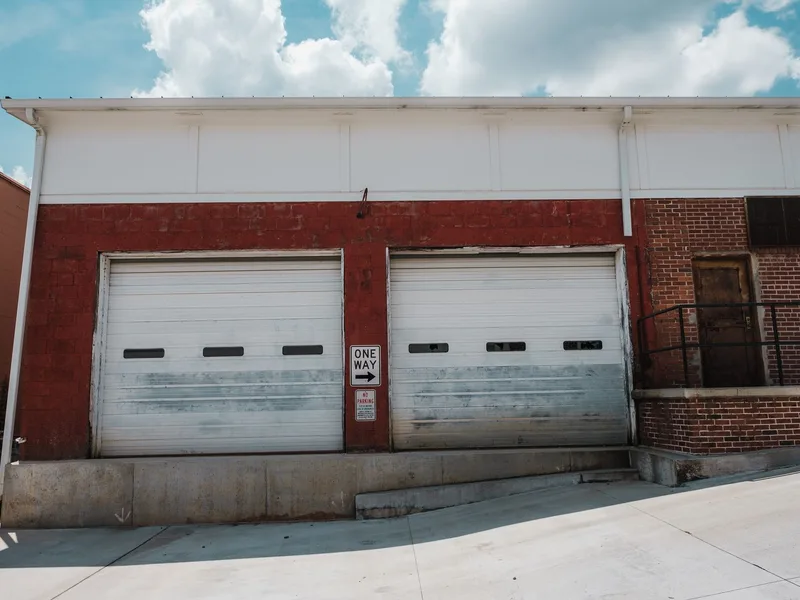
The goods-in door
Buildings and hospitals in Al Mahjar have multiple entrances according to use, so we place goods-in points at each entrance according to use type and surrounding activity.
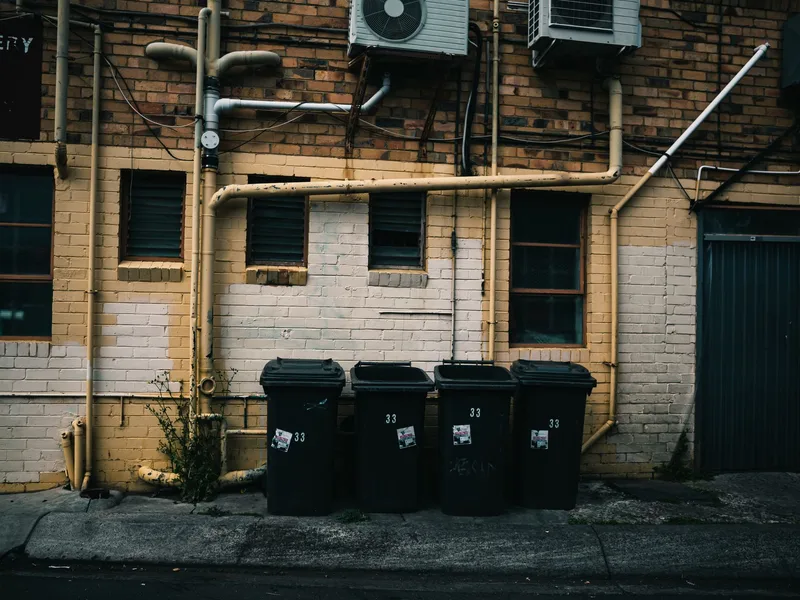
The waste area
Waste areas in hospitals contain medical and food waste attracting pests, warehouses and markets have high moisture organic waste, and we coordinate with each site based on waste type.
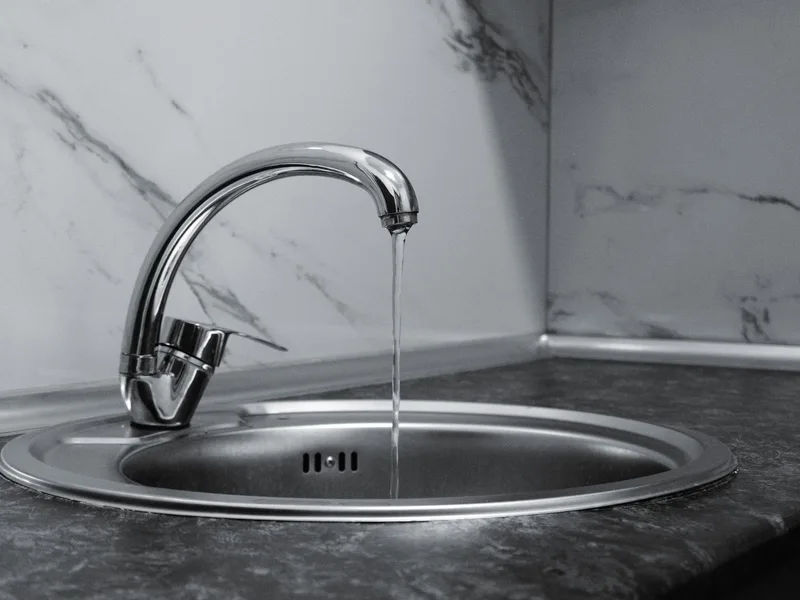
Drains and grease traps
Drainage and grease traps may be separate in hospitals and housing but open channels are common to all areas, and we coordinate monitoring with Jeddah Municipality on the public network.
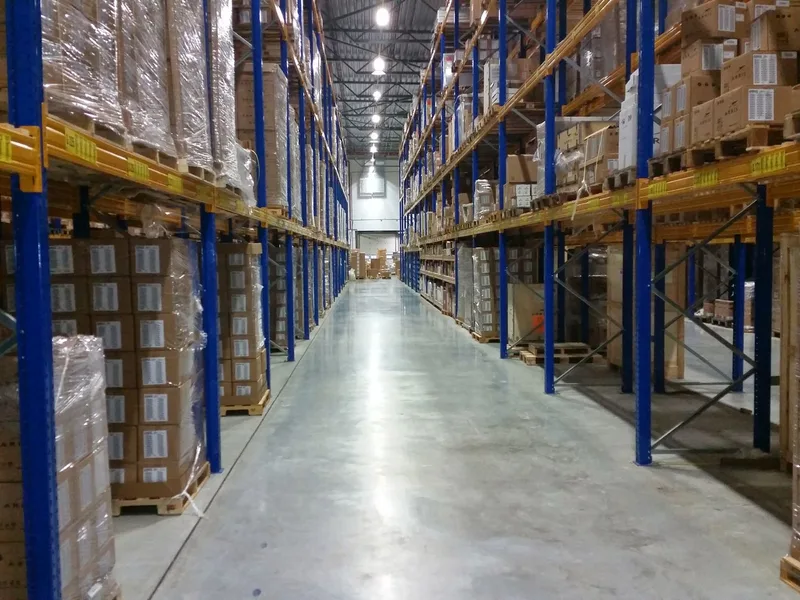
Dry store and pallets
Stores in warehouses and markets are poorly ventilated and damp, providing ideal pest shelter, and we coordinate placement according to storage location and goods type.
Fixed, numbered points
We place numbered points at main entrances, hospitals, markets, warehouses and open channels, using clear numbering to aid routine inspection.

The file itself
Reports show pest movement from markets, warehouses and the port into residential buildings, track development impact on pest pressure, and recommend channel closure and entrance protection.
How we work
-
1
Survey and risk assessment
We walk the building from the goods-in door through preparation, stores and washrooms, and record the species pressure, the entry routes, the moisture and which areas carry which level of risk.
-
2
The plan, the map and the frequency
We number the monitoring positions on a plan of the site, agree the visit frequency from what each area handles and how open the building is, and agree who receives and signs the report.
-
3
The scheduled visits
Every visit reads the same route, point by point, records the reading even when it is nil, and treats the area the reading calls for rather than the whole building.
-
4
Review and reading the trend
We read the visits together rather than one at a time: where the readings climbed, which corrective actions are still open, and whether an area needs more points or closer visits.
What the annual contract includes
-

Opening survey and site plan
A walk that fixes the risk areas and the entry routes, and a plan with the monitoring positions numbered before anything is installed.
-

Numbered monitoring points
Fixed positions on a set route, opened, read and logged every visit, and replaced when damaged.
-

Targeted treatment when called for
On the cracks, junctions and service areas the reading points to, and outside operating hours where that is needed.
-

Drains and waste areas
Floor gullies, grease traps and the ground around the containers on every visit, because that is the source that renews itself.
-

Report and corrective actions
After every visit: what was found, what was applied and where, and what the site needs to fix, such as a door gap or a missing drain cover.
-

Scheduled visits and visits in between
A schedule agreed in the contract, plus a visit when activity appears between two dates, logged like any other.
What is different about South Sub-Municipality
The South sub municipality runs from the edge of Old Makkah Road down to Al Khumrah and the southern corniche. Dense residential districts sit beside new subdivisions such as Al Sanabil and Al Taawun, warehouse fringes such as Al Saruriyah and Al Sarawat, and an old seaside settlement at Al Quzayn. Open stormwater channels cross the housing, and the warehouses, the vegetable and livestock markets and the nearby Islamic Port and Industrial City give pests shelter, food and year round humidity. Pressure is greatest in the older quarters, where drainage networks are ageing.
Questions about this district
Do pests from the old Petromin district migrate into modern flats in Al Mahjar?
Yes, the old Petromin quarter provides permanent shelter for pests, and when it is cleared or developed, pests migrate into surrounding areas including modern flats in Al Mahjar.
Do hospitals in Al Mahjar require special treatments safe for patients?
Yes, hospitals require approved formulations safe for medical facilities, and treatment must coordinate with hospital administration. Hospital pests may transfer to adjacent flats through shared zones.
Do popular markets and livestock markets provide permanent infestation sources?
Yes, vegetable and livestock markets provide permanent food sources and high humidity. Pests migrate from markets toward buildings seeking less damp shelter and better storage conditions.
Do open stormwater channels provide major pest highways?
Yes, open channels provide safe routes for rodents and insects to move between markets, warehouses and residential buildings. Channels collect water and debris that attract pests.
Does the nearby port and industrial city affect pests in Al Mahjar?
Yes, cargo and truck movement from the port and refinery may introduce new pests. High humidity around the port provides ideal breeding conditions for pests throughout the area.
Does Petromin clearance and redevelopment temporarily increase pests in Al Mahjar?
Yes, clearance and excavation displace pests from shelter and force migration toward surrounding areas. Construction and development phases may see temporary peaks in pest pressure around residential buildings.
How much does annual contracts in Al Mahjar cost?
It is set after the inspection, because the price follows the type of infestation, the size of the space, how far it has spread and the number of visits it needs. Send a photo and a description on WhatsApp and we will give you an estimate before we reach Al Mahjar.
Nearby districts we cover
Other services in Al Mahjar
Other services we provide to residents of Al Mahjar.
-
 Residential
Cockroach control
Residential
Cockroach control
-
 Residential
Bed bug control
Residential
Bed bug control
-
 Residential
Termite control
Residential
Termite control
-
 Residential
Rodents and mice
Residential
Rodents and mice
-
 Residential
Mosquito control
Residential
Mosquito control
-
 Residential
Fly control
Residential
Fly control
-
 Residential
Ant control
Residential
Ant control
-
 Residential
Gecko control
Residential
Gecko control
-
 Residential
Scorpion control
Residential
Scorpion control
-
 Residential
Snake control
Residential
Snake control
-
 Residential
Flea control
Residential
Flea control
-
 Residential
Bird and pigeon control
Residential
Bird and pigeon control
-
 Residential
Preventive treatment
Residential
Preventive treatment
-
 Residential
Disinfection
Residential
Disinfection
-
 Commercial
Restaurants and cafes
Commercial
Restaurants and cafes
-
 Commercial
Hotels and apartments
Commercial
Hotels and apartments
-
 Commercial
Warehouses and factories
Commercial
Warehouses and factories
-
 Commercial
Schools and nurseries
Commercial
Schools and nurseries
-
 Commercial
Retail and malls
Commercial
Retail and malls
-
 Commercial
Rest houses and farms
Commercial
Rest houses and farms
-
 Commercial
Fumigation
Commercial
Fumigation
-
 Water tanks
Water tank cleaning
Water tanks
Water tank cleaning
-
 Water tanks
Water tank sterilization
Water tanks
Water tank sterilization
-
 Water tanks
Water tank sealing
Water tanks
Water tank sealing
-
 Water tanks
Tank leak repair
Water tanks
Tank leak repair
Need annual contracts in Al Mahjar? Tell us what you saw and we will tell you what it needs
We reach Al Mahjar at a time we agree, and you get the full cost before we start.