
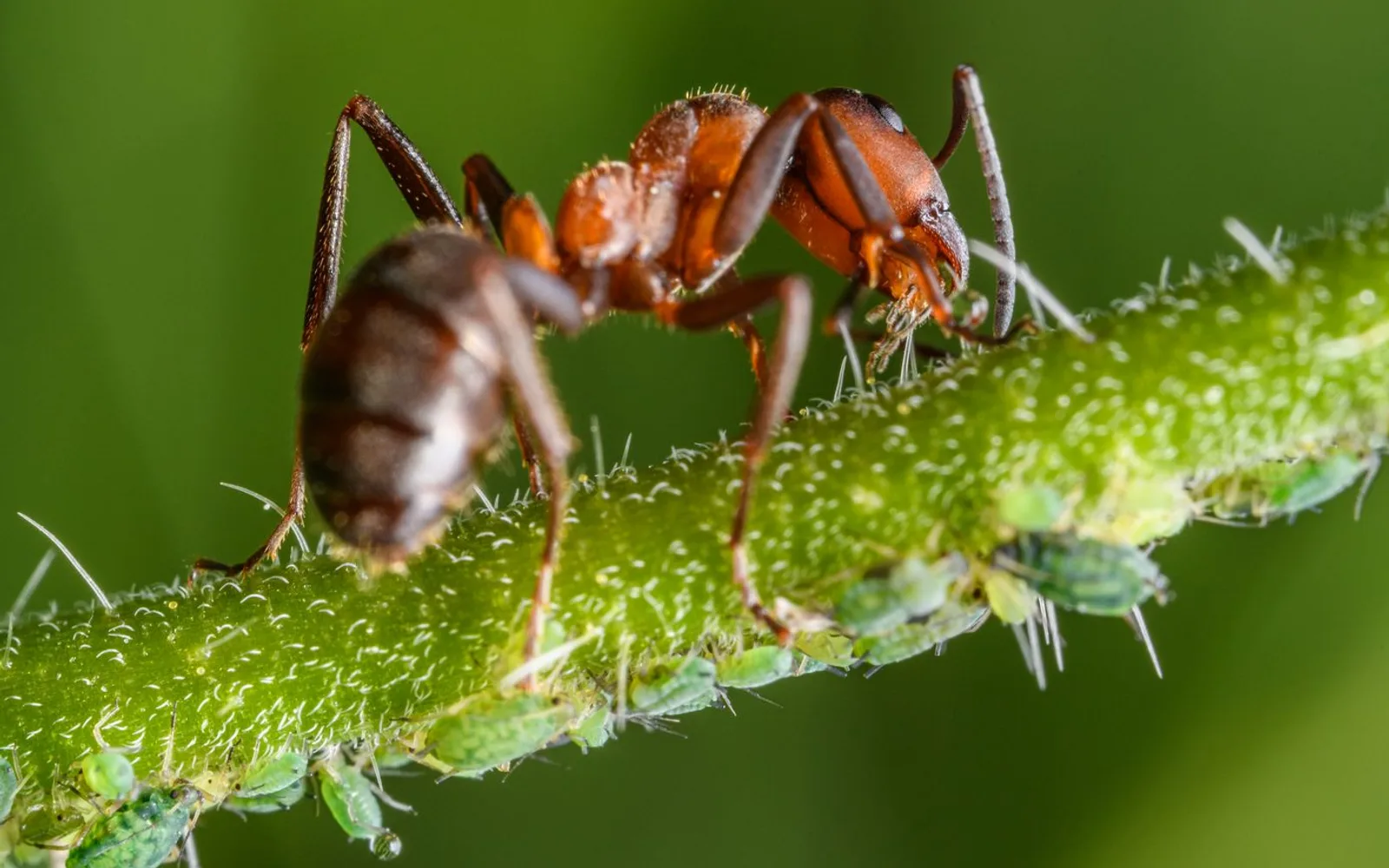
Ant control in Al Ajwad Jeddah
Al Ajwad is a planned district east of the Haramain expressway holding villas and apartment blocks alongside new subdivisions still under development. Seasonal wadis such as Wadi Umm Hablain offer natural ant shelter, whilst high groundwater levels and incomplete drainage networks leave soil around foundations permanently damp.
-
Targeted, not broadcast
Product goes into cracks and runways, never sprayed across open surfaces.
-
Told before we start
What we will use, where it goes, and what to cover or move before we arrive.
-
A follow-up visit
We return after the first treatment, because what survives it does not show on the day.
-
Homes and businesses
Apartments and villas, and kitchens and stores that need a record of each visit.
Why they keep coming back in Al Ajwad
The seasonal wadi turns soil to mud in rainy months, and ants establish in foundations with surprising speed whenever ground is saturated. The method is set out in full on what Ant control involves.
Seasonal wadis and high groundwater
Wadi Umm Hablain brings water downslope in winter and flood water spills near foundations. Elevated groundwater means soil stays damp long after floods recede, encouraging ants to tunnel and expand their nests continuously.
Incomplete drainage networks in new areas
The newer sections of Al Ajwad have drainage work still in progress. Water collects around footings instead of dispersing, creating ideal conditions for ants and keeping space under slabs perpetually damp.
Vacant plots and active building sites
New subdivisions and building ground surround the district on all sides. Ants nest safely in this unoccupied ground and advance toward inhabited buildings when natural food sources dwindle in their original territory.
Al Ajwad on the map
Al Ajwad sits about 2 km from Al Manar and about 2.5 km from Al Samir.
Open in Google MapsThe species and the trail decide the bait
A zone prone to seasonal wadis and wet soil from elevated groundwater. Modern drainage in newer areas remains incomplete, causing moisture to accumulate around buildings rather than drain away.
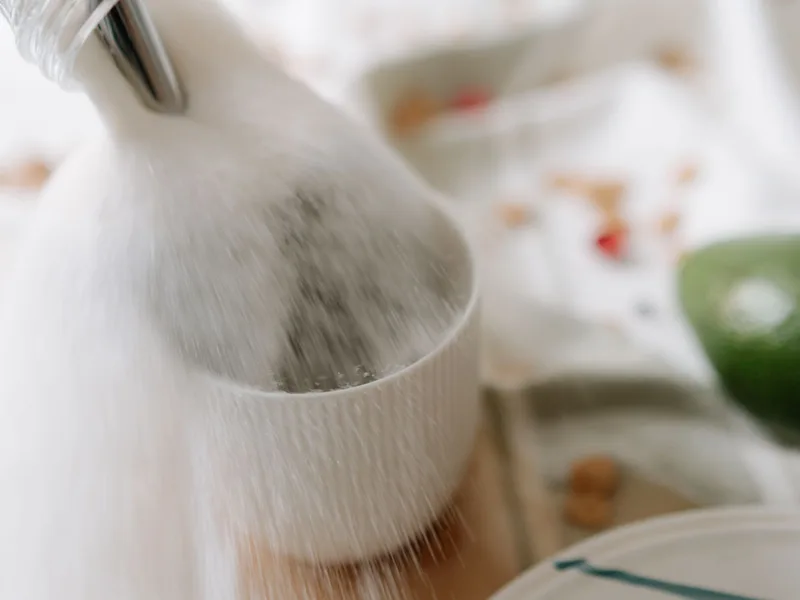
The sweet feeders
Sugars from kitchens and stores are a strong draw, especially when humidity is high and water is constantly present beneath buildings.
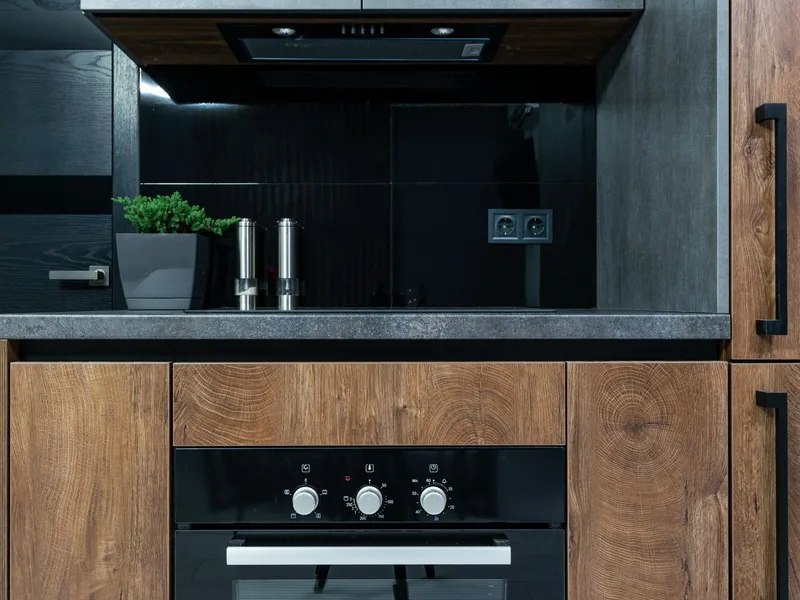
The grease and protein feeders
Oils and fats from restaurants and home kitchens provide rich feeding, and ants choose them when available in quantity.
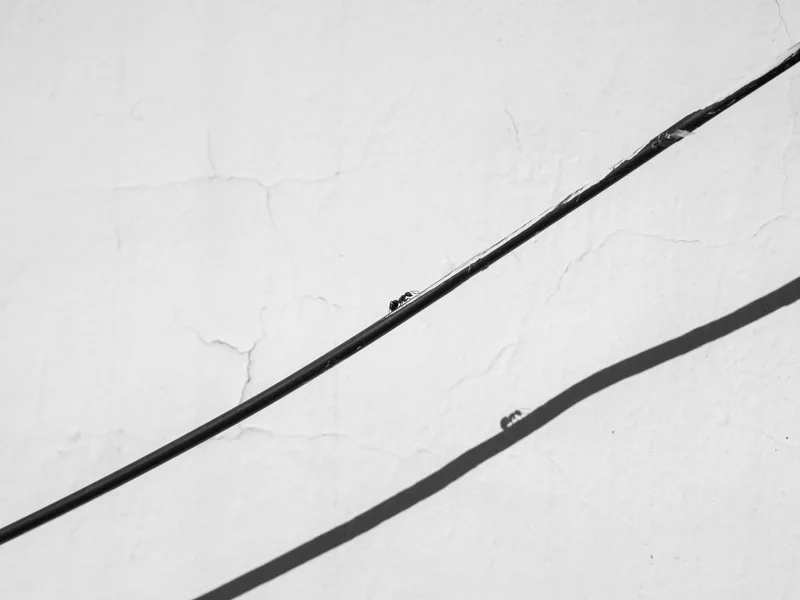
The trail and its direction
The trail from wadi to house may be visible on damp ground but multiple because ants arrive from several source populations.
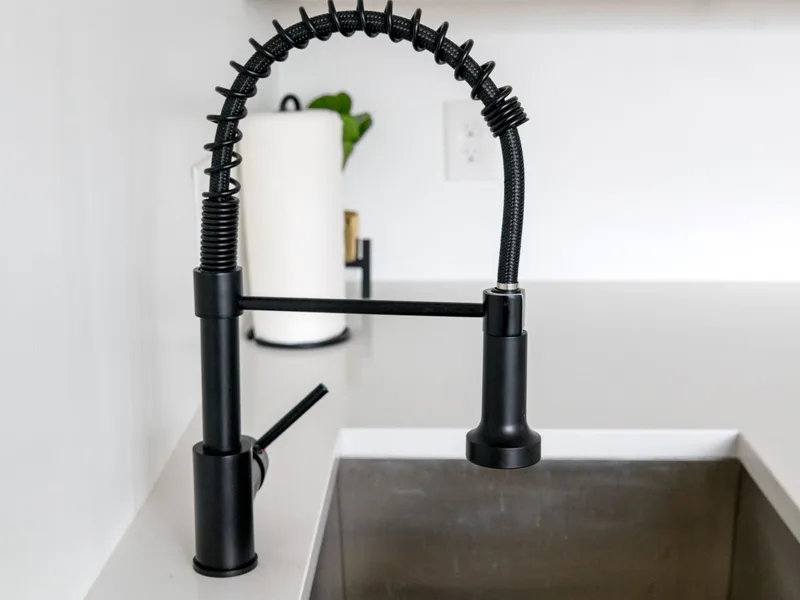
Moisture before food
Moisture from high groundwater makes soil around foundations ideal for tunnelling, and nests may sit very close to the surface.
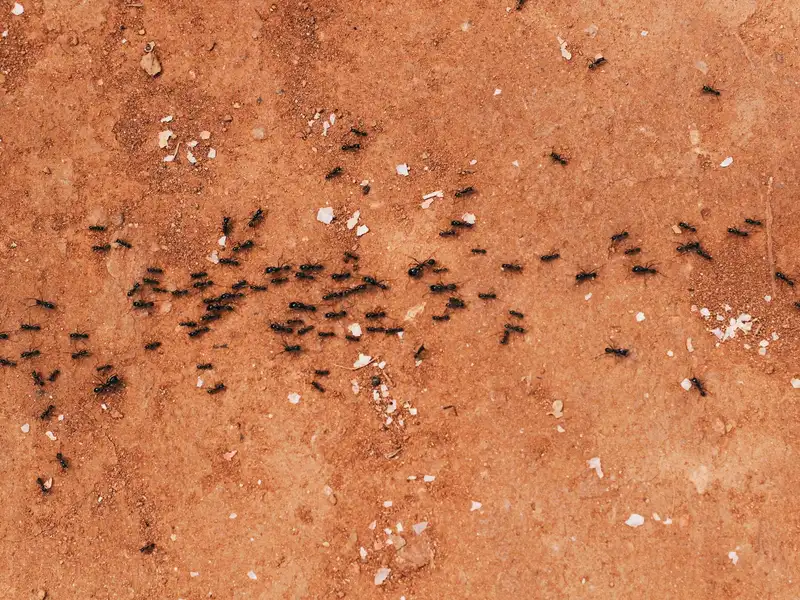
The nest outside the building
The nest may originate in the distant wadi or in vacant plots, or it may be in the foundation itself if it leaks continually.
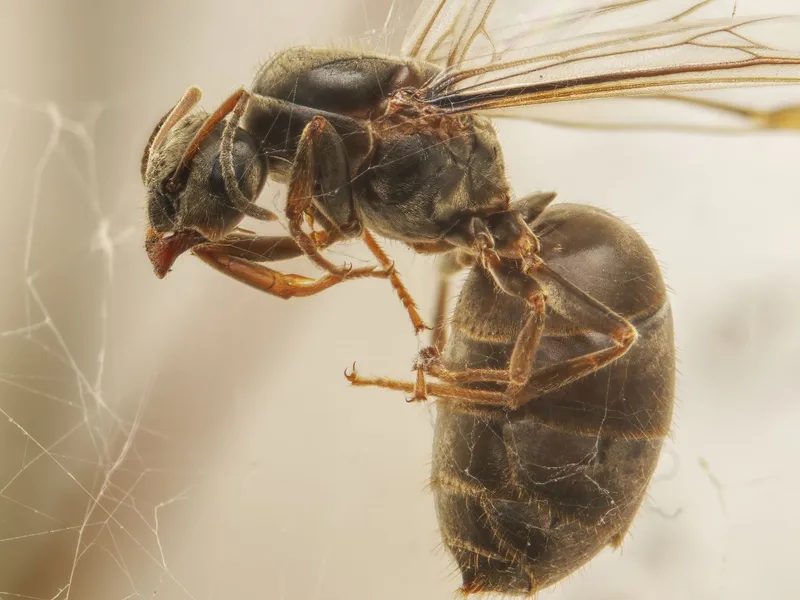
Winged ants
Winged ants emerge after heavy moisture periods, especially in spring when rainfall triggers reproductive flight in mature colonies.
How we work
-
1
Inspect and follow the trail
We follow the line from where you see it to where it enters, and establish the species, what it is feeding on and the moisture keeping the nest close.
-
2
Matched bait placed on the trail
We choose the matrix from the feeding preference and place it on the trail itself, leaving the trail intact so the workers carry it to the queen and the brood.
-
3
Treat the perimeter and close the ways in
An external treatment at the wall base and the openings, and we point out the cracks, pipe entries and any branch touching the building.
-
4
The follow-up visit
We come back once the bait has worked through the nest, check the trail is gone, and look for a satellite nest if a new line has appeared.
What ant control includes
-

Following the trail to its source
Species, entry point and the direction of the nest, established before anything is applied.
-

Bait matched to the colony
Sugar or protein according to what the workers are carrying, placed on the trail rather than near it.
-

An external perimeter treatment
A band at the wall base and the outside openings, with the indoor trail left unsprayed so it keeps carrying bait.
-

Moisture points and entries
Condensate lines, sink surrounds, weep holes and pipe entries, which are what keeps a nest against the building.
-

Aftercare instructions
What not to wipe until the bait has been taken, what to cover, and when normal cleaning can resume.
-

A scheduled follow-up
A set date to check the nest and re-bait anywhere still active.
What is different about Briman Sub-Municipality
Briman sub-municipality sits east of the Haramain expressway on Jeddah's north eastern edge. Its older quarters are planned grids of villas and walk-up flats, while the outer districts are new subdivisions still being built out. Seasonal wadis such as Wadi Umm Hablain and Wadi Al Asla cross the area, groundwater runs high in places, and drainage networks in the newer districts are incomplete, so soil around foundations stays damp. Vacant plots, live building sites and constant dust give crawling insects and rodents easy routes into homes, and the food outlets along the main arteries keep them supplied.
Questions about this district
Does elevated groundwater mean ants are permanent in the district?
Yes, high groundwater keeps soil damp more than most districts. Ants do not need to wait for seasonal flooding; they establish continuously if moisture is always present, allowing larger and faster growing colonies.
Are the new subdivisions around the district the main source of ants?
Yes, vacant ground and building sites offer ants safe nesting away from human detection. When food becomes scarce there, ants migrate toward the inhabited homes nearby.
Does ongoing construction activity disturb ants from their nests?
Yes, machinery and excavation scatter ants. Some colonies are displaced from vacant plots and resettle in nearby villas and apartment blocks, creating fresh infestations in recently quiet areas.
Do completed drainage systems reduce ants when they begin to operate?
Yes, effective drainage reduces moisture around foundations. Once networks are complete and functioning well, ant numbers decline gradually, although they may return if moisture persists in other zones.
Why is ant activity heavier immediately beside the wadi than elsewhere in the district?
The wadi provides moisture and natural food, leaves and insects. Ants establish in large numbers there and spread from that hub toward nearby buildings.
Are villas less infested than apartment blocks in this district?
Villas with irrigated gardens may see more ants because watering and plants provide food and moisture. Apartment blocks may attract different ant species from ground floors and retail spaces, or the same species seeking water in kitchens.
How much does ant control in Al Ajwad cost?
It is set after the inspection, because the price follows the type of infestation, the size of the space, how far it has spread and the number of visits it needs. Send a photo and a description on WhatsApp and we will give you an estimate before we reach Al Ajwad.
Nearby districts we cover
Other services in Al Ajwad
Other services we provide to residents of Al Ajwad.
-
 Residential
Cockroach control
Residential
Cockroach control
-
 Residential
Bed bug control
Residential
Bed bug control
-
 Residential
Termite control
Residential
Termite control
-
 Residential
Rodents and mice
Residential
Rodents and mice
-
 Residential
Mosquito control
Residential
Mosquito control
-
 Residential
Fly control
Residential
Fly control
-
 Residential
Gecko control
Residential
Gecko control
-
 Residential
Scorpion control
Residential
Scorpion control
-
 Residential
Snake control
Residential
Snake control
-
 Residential
Flea control
Residential
Flea control
-
 Residential
Bird and pigeon control
Residential
Bird and pigeon control
-
 Residential
Preventive treatment
Residential
Preventive treatment
-
 Residential
Disinfection
Residential
Disinfection
-
 Commercial
Annual contracts
Commercial
Annual contracts
-
 Commercial
Restaurants and cafes
Commercial
Restaurants and cafes
-
 Commercial
Hotels and apartments
Commercial
Hotels and apartments
-
 Commercial
Warehouses and factories
Commercial
Warehouses and factories
-
 Commercial
Schools and nurseries
Commercial
Schools and nurseries
-
 Commercial
Retail and malls
Commercial
Retail and malls
-
 Commercial
Rest houses and farms
Commercial
Rest houses and farms
-
 Commercial
Fumigation
Commercial
Fumigation
-
 Water tanks
Water tank cleaning
Water tanks
Water tank cleaning
-
 Water tanks
Water tank sterilization
Water tanks
Water tank sterilization
-
 Water tanks
Water tank sealing
Water tanks
Water tank sealing
-
 Water tanks
Tank leak repair
Water tanks
Tank leak repair
Need ant control in Al Ajwad? Tell us what you saw and we will tell you what it needs
We reach Al Ajwad at a time we agree, and you get the full cost before we start.