
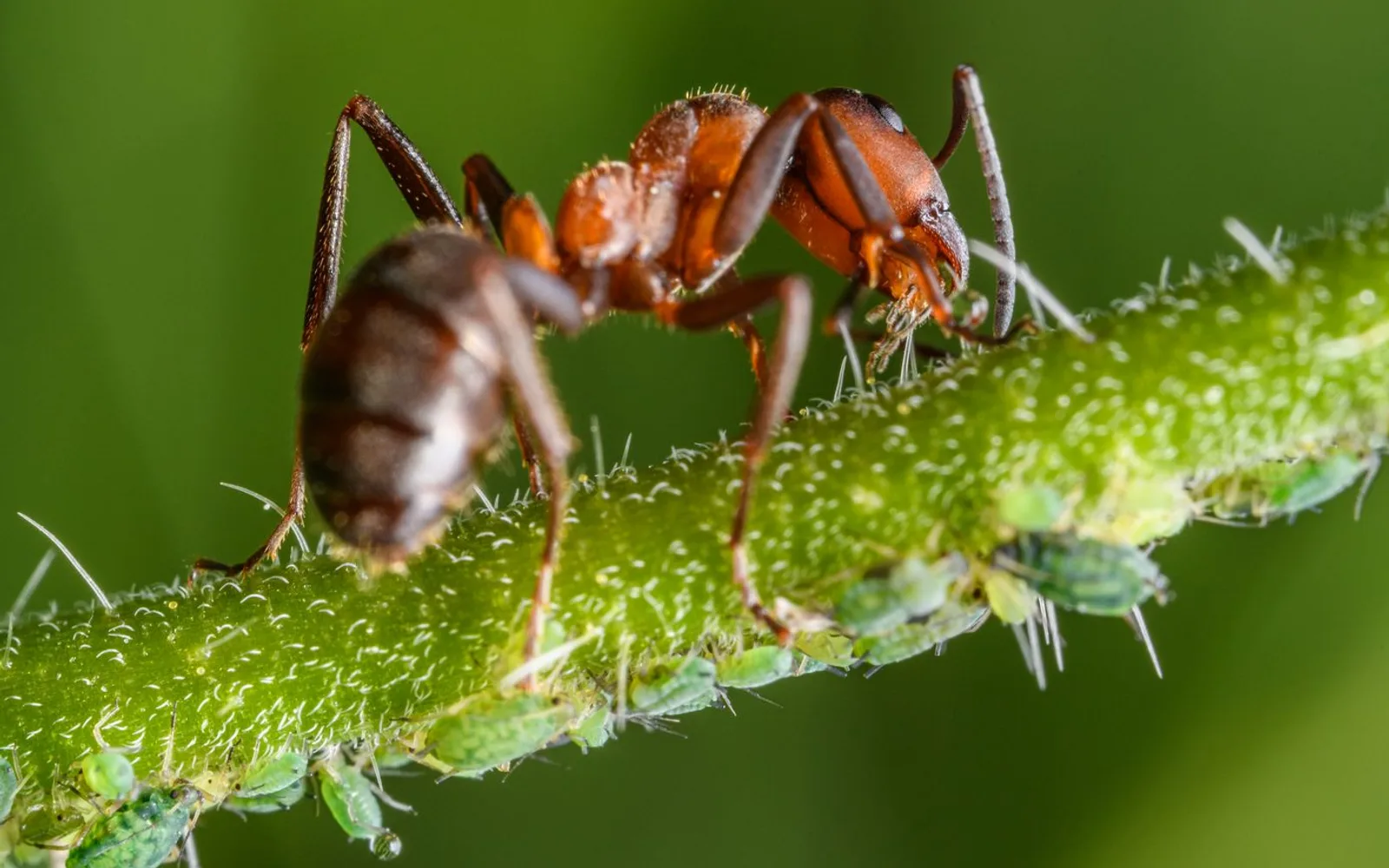
Ant control in Al Andalus Makkah
Al Andalus is a crowded apartment district where furnished units let to pilgrims, and ants move easily between floors through shared entrances. We trace the trail through pipes and shared passages before treating both the individual units and the building perimeter together.
-
Targeted, not broadcast
Product goes into cracks and runways, never sprayed across open surfaces.
-
Told before we start
What we will use, where it goes, and what to cover or move before we arrive.
-
A follow-up visit
We return after the first treatment, because what survives it does not show on the day.
-
Homes and businesses
Apartments and villas, and kitchens and stores that need a record of each visit.
Why they keep coming back in Al Andalus
Ants live in furnished flats left empty between seasons, then shift to occupied units when pilgrims return. Shared entrances and building roofs concentrate the colonies. The method is set out in full on Ant control in detail.
Shared pipes connect all the units
Water and sewage lines shared between flats provide easy passages for ants between floors. Treating one unit without treating the shared pipes and entrances leaves the route open for re-entry from neighbouring units above and below.
Empty furnished flats store ants dormant
Furnished units closed at the end of the pilgrim season remain sealed for months, becoming ant strongholds. When new tenants arrive, the ants pour out afresh into occupied space.
Roofs and common areas are the source
Building roofs, internal courtyards and shared corridors carry ant trails coming from outside the district. Treating the roofs, the gaps between buildings and the exterior perimeter is essential alongside treating inside.
Al Andalus on the map
Al Andalus sits about 1 km from Al Utaybiyah and about 1.5 km from Al Hajun.
Open in Google MapsThe species and the trail decide the bait
A mixed commercial and residential district within Al Utaybiyah, packed apartment buildings and seasonal furnished flats, bounded by the Third Ring Road and the Al Utaybiyah market to the south.
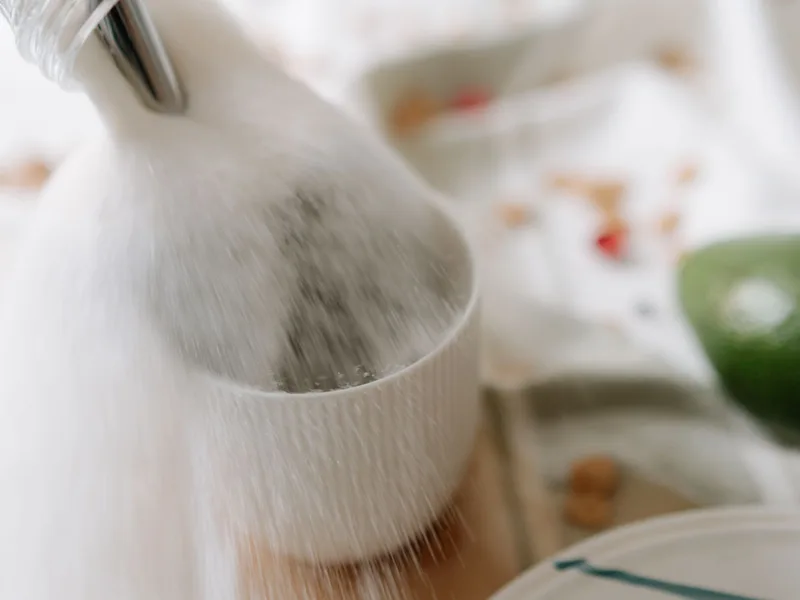
The sweet feeders
Sugar, sweets and baked goods attract ants powerfully in furnished flats, especially where food scraps remain in sealed fridges or pantries between lettings.
The grease and protein feeders
Oils, fats, cheese and preserved foods leave oily trails that other ants follow; pilgrim lets often leave behind food residue when they depart.
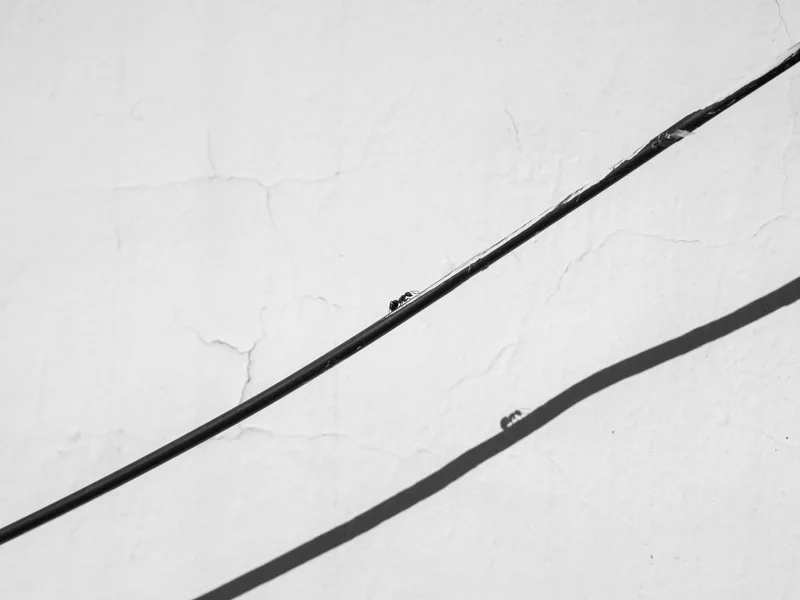
The trail and its direction
Ant trails arrive from outside via pipes, entrances and gaps between units, climbing up from roof level before entering flats from above.
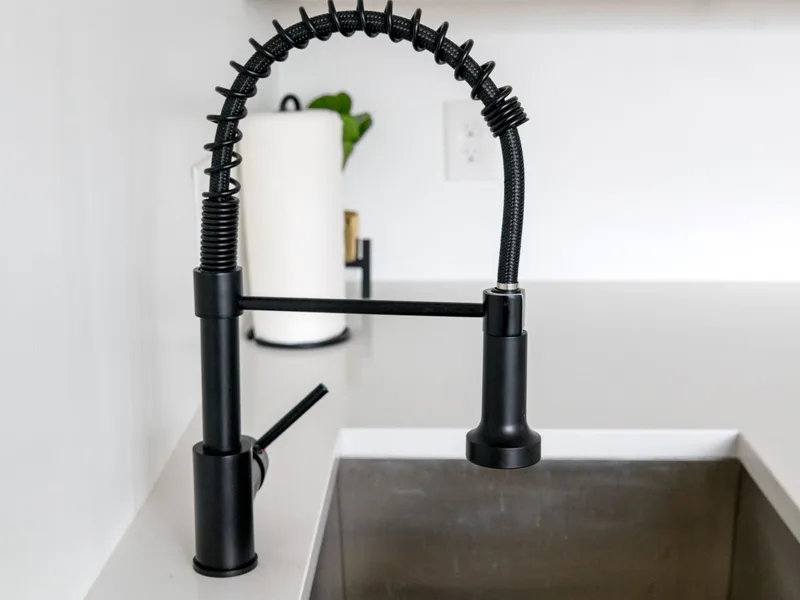
Moisture before food
Moisture in shared kitchens, bathrooms and areas near pipes attracts ants, and sealed empty furnished flats accumulate humidity that brings ants back when disturbed.
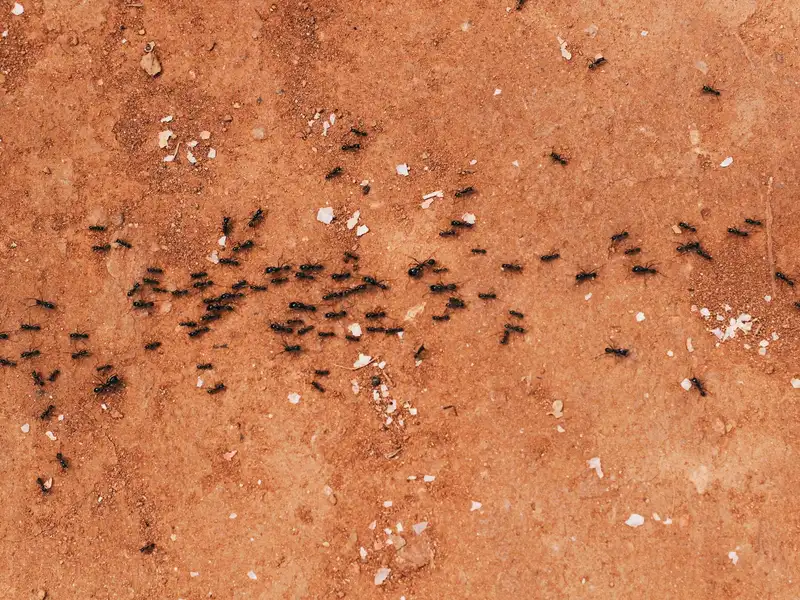
The nest outside the building
The nest usually lies in shared walls, under the building foundations, in subfloor voids and in open areas around the perimeter of the complex.
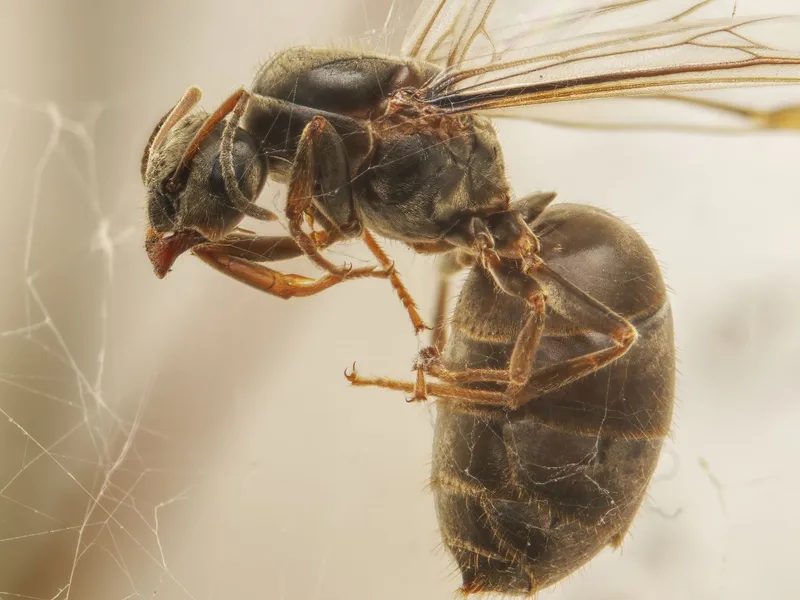
Winged ants
Winged ants appear as breeding season approaches, usually emerging from roofs and open voids near the buildings into the flats themselves.
How we work
-
1
Inspect and follow the trail
We follow the line from where you see it to where it enters, and establish the species, what it is feeding on and the moisture keeping the nest close.
-
2
Matched bait placed on the trail
We choose the matrix from the feeding preference and place it on the trail itself, leaving the trail intact so the workers carry it to the queen and the brood.
-
3
Treat the perimeter and close the ways in
An external treatment at the wall base and the openings, and we point out the cracks, pipe entries and any branch touching the building.
-
4
The follow-up visit
We come back once the bait has worked through the nest, check the trail is gone, and look for a satellite nest if a new line has appeared.
What ant control includes
-

Following the trail to its source
Species, entry point and the direction of the nest, established before anything is applied.
-

Bait matched to the colony
Sugar or protein according to what the workers are carrying, placed on the trail rather than near it.
-

An external perimeter treatment
A band at the wall base and the outside openings, with the indoor trail left unsprayed so it keeps carrying bait.
-

Moisture points and entries
Condensate lines, sink surrounds, weep holes and pipe entries, which are what keeps a nest against the building.
-

Aftercare instructions
What not to wipe until the bait has been taken, what to cover, and when normal cleaning can resume.
-

A scheduled follow-up
A set date to check the nest and re-bait anywhere still active.
Landmarks of Al Andalus
Al Andalus sits between Hajun Street to the east and the Third Ring Road to the west, walking distance from Al Utaybiyah Market and the mosque adjoining it. Ant trails reach the district from the market and open ground directly between Hajun Street and the Third Ring.
- Hajun Street
- Third Ring Road
- Al Jazair Street
- Princess Al Anoud Mosque
- Al Utaybiyah Market
Questions about this district
Is treating just my flat enough or must the whole building be treated?
Treating your flat alone will likely fail because ants re-enter from neighbouring units and the shared entrances. We recommend treating every flat showing signs, plus the entrance, the roof and the external pipes that connect them.
My furnished flat is let to pilgrims. When should I arrange treatment?
Treating the empty furnished unit is easiest and most certain. The best time is a week or two before new tenants move in, and also a month before the Hajj season when letting increases.
Are ants in the ground floor flat different from those on upper floors?
Ground floor flats attract more ants because of closeness to soil and moisture. Upper floors are reached via shared pipes and entrances. Both need different treatment approaches tailored to how they are accessed.
Must I empty my furnished flat before it is treated?
An empty flat needs no evacuation. If it is occupied, residents can stay after airing, or leave for a few hours depending on the type of treatment. We will advise when we visit.
Ants came back a month after we treated the whole building. Why?
They may be coming from untreated units elsewhere, or from the surrounding environment very close by. The Al Utaybiyah market and open areas nearby are just steps away and continuously feed the district with ants.
Is treating the entire district safer than treating only my building?
Treating every building, roof and open ground in the whole district is most thorough, but can be costly. Treating your building with its shared areas and external perimeter significantly reduces pressure on your units.
How much does ant control in Al Andalus cost?
It is set after the inspection, because the price follows the type of infestation, the size of the space, how far it has spread and the number of visits it needs. Send a photo and a description on WhatsApp and we will give you an estimate before we reach Al Andalus.
Nearby districts we cover
Other services in Al Andalus
Other services we provide to residents of Al Andalus.
-
 Residential
Cockroach control
Residential
Cockroach control
-
 Residential
Bed bug control
Residential
Bed bug control
-
 Residential
Termite control
Residential
Termite control
-
 Residential
Rodents and mice
Residential
Rodents and mice
-
 Residential
Mosquito control
Residential
Mosquito control
-
 Residential
Fly control
Residential
Fly control
-
 Residential
Gecko control
Residential
Gecko control
-
 Residential
Scorpion control
Residential
Scorpion control
-
 Residential
Snake control
Residential
Snake control
-
 Residential
Flea control
Residential
Flea control
-
 Residential
Bird and pigeon control
Residential
Bird and pigeon control
-
 Residential
Preventive treatment
Residential
Preventive treatment
-
 Residential
Disinfection
Residential
Disinfection
-
 Commercial
Annual contracts
Commercial
Annual contracts
-
 Commercial
Restaurants and cafes
Commercial
Restaurants and cafes
-
 Commercial
Hotels and apartments
Commercial
Hotels and apartments
-
 Commercial
Warehouses and factories
Commercial
Warehouses and factories
-
 Commercial
Schools and nurseries
Commercial
Schools and nurseries
-
 Commercial
Retail and malls
Commercial
Retail and malls
-
 Commercial
Rest houses and farms
Commercial
Rest houses and farms
-
 Commercial
Fumigation
Commercial
Fumigation
-
 Water tanks
Water tank cleaning
Water tanks
Water tank cleaning
-
 Water tanks
Water tank sterilization
Water tanks
Water tank sterilization
-
 Water tanks
Water tank sealing
Water tanks
Water tank sealing
-
 Water tanks
Tank leak repair
Water tanks
Tank leak repair
Need ant control in Al Andalus? Tell us what you saw and we will tell you what it needs
We reach Al Andalus at a time we agree, and you get the full cost before we start.