
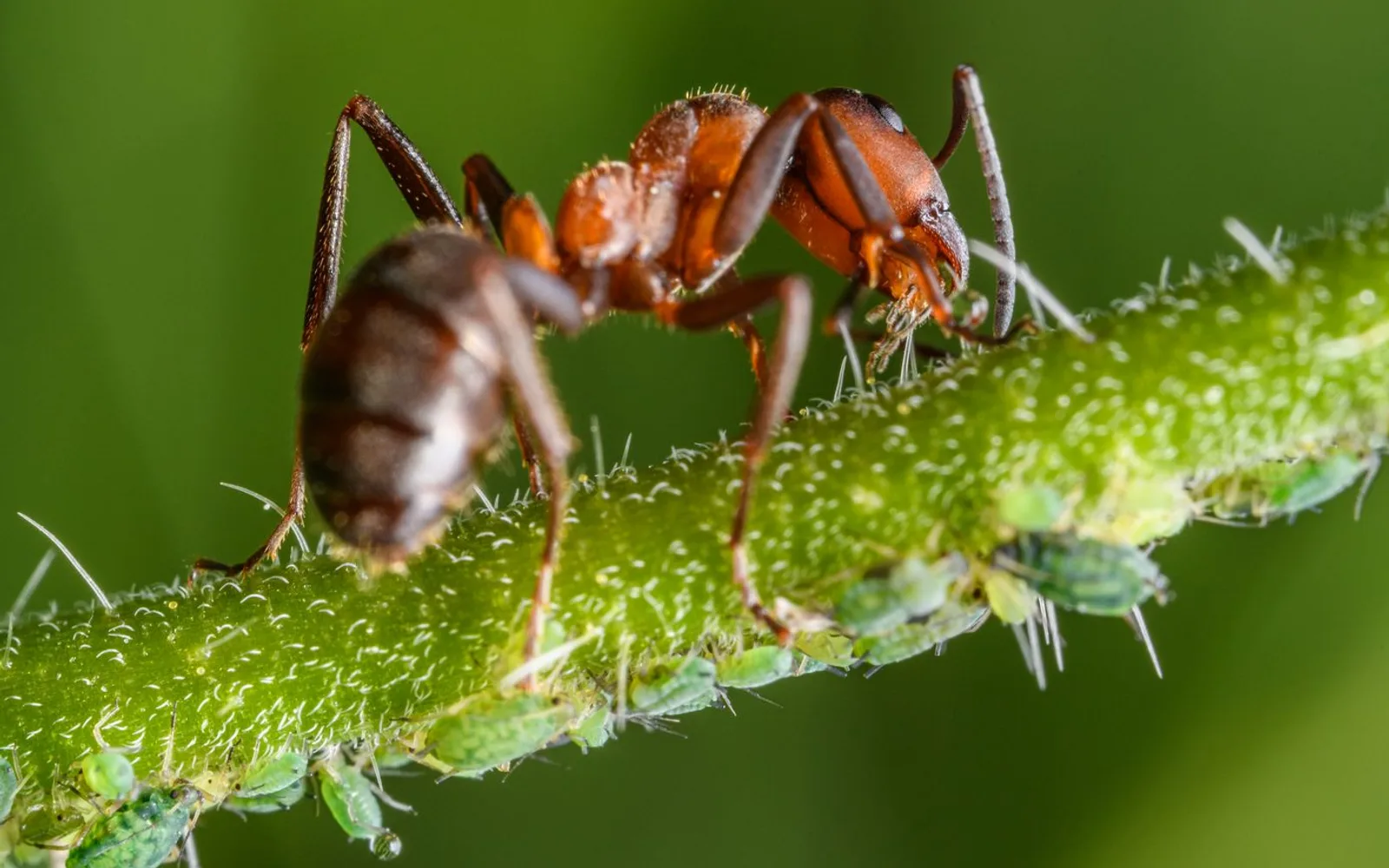
Ant control in Al Hajun Makkah
Al Hajun sits on the slopes of Jabal Al Hajun near Al Mualla Cemetery, a historic quarter where buildings press close together on narrow lanes and the infrastructure is aged. Close-set foundations and shared walls mean ant trails cross through common boundaries and seep up through adjoining structures. Treatment here requires tracking trails precisely along Hajun Street and through the gaps where the Second Ring Road cuts the district.
-
Targeted, not broadcast
Product goes into cracks and runways, never sprayed across open surfaces.
-
Told before we start
What we will use, where it goes, and what to cover or move before we arrive.
-
A follow-up visit
We return after the first treatment, because what survives it does not show on the day.
-
Homes and businesses
Apartments and villas, and kitchens and stores that need a record of each visit.
Why they keep coming back in Al Hajun
Ants here favour the cracks in aged masonry and the gaps between adjoining footings, many of which are natural highways for the colonies that live deep beneath the quarter. The method is set out in full on the full Ant control page.
Shared walls and interconnected foundations
The tightly packed houses of Al Hajun share thick old walls and footings that trap moisture and warmth. Ants travel through the cracks in these shared boundaries from house to house without ever returning to outside. Treatment must reach shared walls and the channels that run beneath the lane surfaces, cutting the routes that let one infestation feed ten houses.
Age of the pipes and the drainage below
Sewer lines and water pipes buried beneath the old narrow streets leak steadily, keeping soil around the footings damp and inviting. Ants that seek moisture follow these pipes down into homes. Full replacement of these networks is not practical, but sealing entry points and placing bait along the lines where they surface gives lasting control.
Al Mualla Cemetery and the damp soil it keeps
The soil around the old cemetery holds high moisture all year, and the district's old walls that adjoin it absorb this damp. Large colonies live in the wet soil outside and move toward homes to feed. Bait and exterior sealing cuts this supply route.
Al Hajun on the map
Al Hajun sits about 0.5 km from Al Bayban and about 1.5 km from Al Diyafah.
Open in Google MapsThe species and the trail decide the bait
The close-packed old buildings rise on the hillside, narrow lanes slope toward the Haram, and shared foundations on shallow bedrock hold moisture year round from the cemetery's soil and old water pipes that seep below the streets.
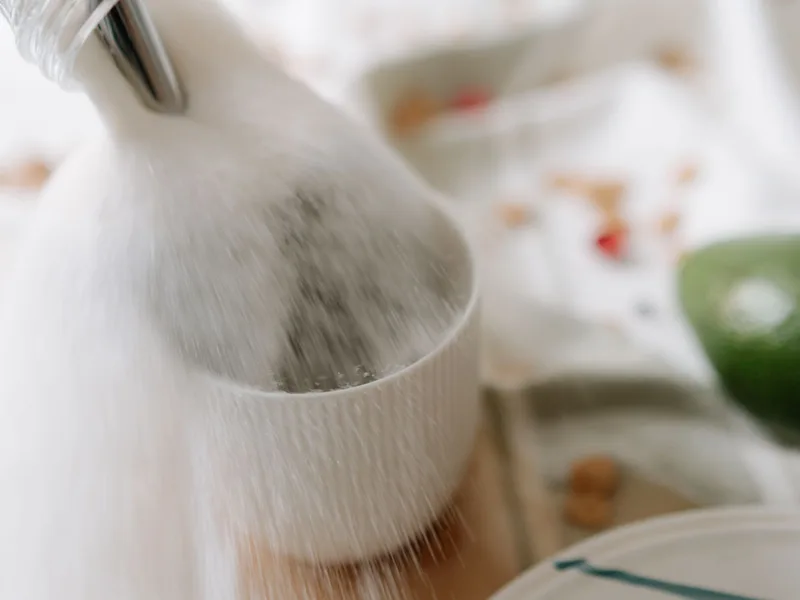
The sweet feeders
Sweet feeding ants in Al Hajun prefer the cracks in aged masonry and store bait there near the queen on deep levels within the adjoining footings.
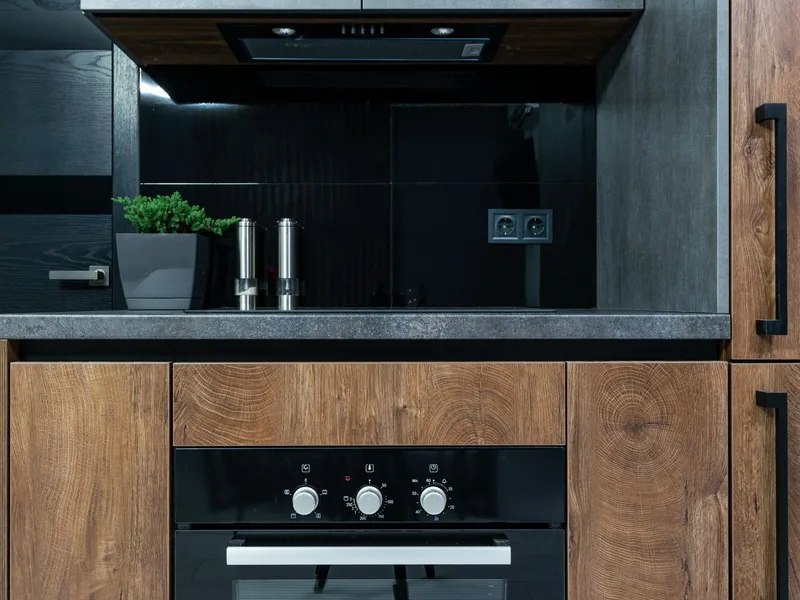
The grease and protein feeders
Grease and protein feeders move toward kitchens and the gaps beneath old floor tiles where moisture stays high and food remains are kept.
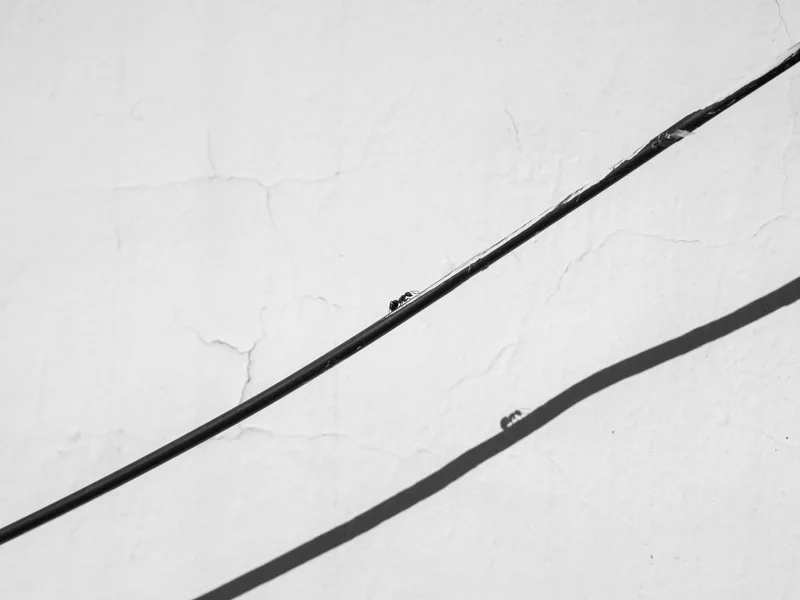
The trail and its direction
The trail in the old quarter climbs walls and crosses cracks near the ceiling, then descends toward the damp soil beneath the shared footings outside.
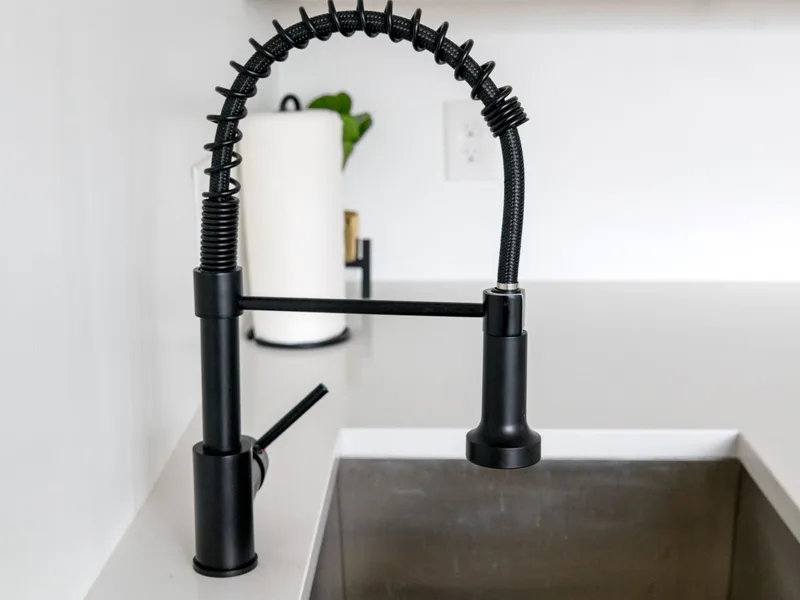
Moisture before food
Moisture from the cemetery soil and leaking pipes keeps the old footings perpetually damp, an ideal shelter for ants seeking water as much as food.
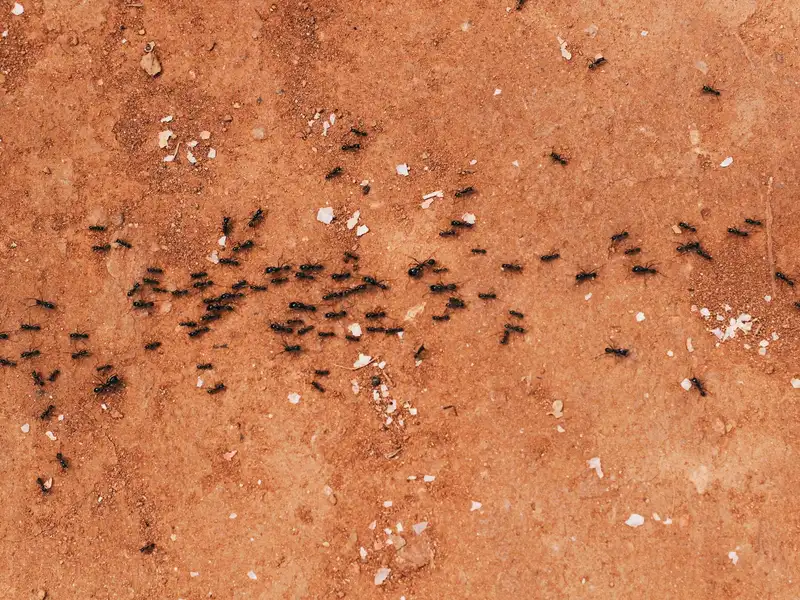
The nest outside the building
The nest outside usually lies in soil beneath the narrow lanes or in the cracks of the old exterior walls surrounding the quarter.
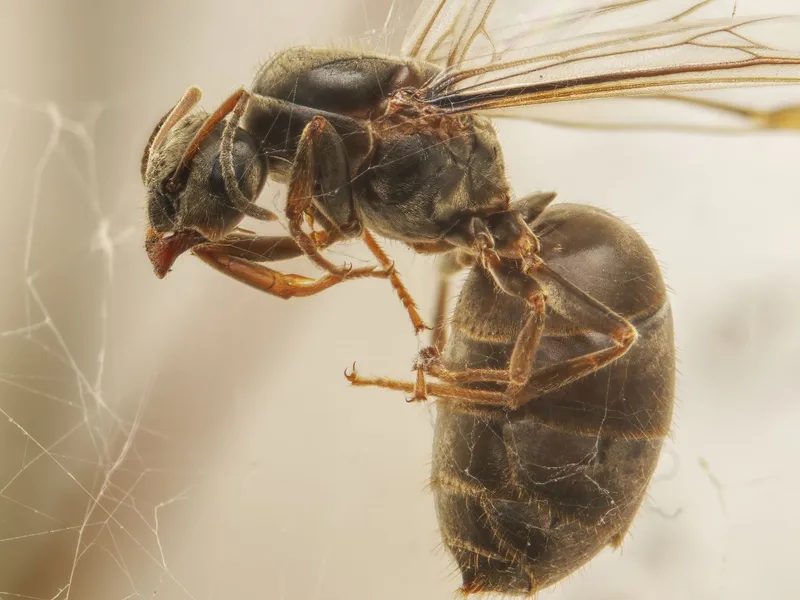
Winged ants
Winged ants appear in wet seasons when the soil holds excess moisture, which is natural and temporary in Al Hajun.
How we work
-
1
Inspect and follow the trail
We follow the line from where you see it to where it enters, and establish the species, what it is feeding on and the moisture keeping the nest close.
-
2
Matched bait placed on the trail
We choose the matrix from the feeding preference and place it on the trail itself, leaving the trail intact so the workers carry it to the queen and the brood.
-
3
Treat the perimeter and close the ways in
An external treatment at the wall base and the openings, and we point out the cracks, pipe entries and any branch touching the building.
-
4
The follow-up visit
We come back once the bait has worked through the nest, check the trail is gone, and look for a satellite nest if a new line has appeared.
What ant control includes
-

Following the trail to its source
Species, entry point and the direction of the nest, established before anything is applied.
-

Bait matched to the colony
Sugar or protein according to what the workers are carrying, placed on the trail rather than near it.
-

An external perimeter treatment
A band at the wall base and the outside openings, with the indoor trail left unsprayed so it keeps carrying bait.
-

Moisture points and entries
Condensate lines, sink surrounds, weep holes and pipe entries, which are what keeps a nest against the building.
-

Aftercare instructions
What not to wipe until the bait has been taken, what to cover, and when normal cleaning can resume.
-

A scheduled follow-up
A set date to check the nest and re-bait anywhere still active.
Landmarks of Al Hajun
Al Hajun is bounded by the Second Ring Road and the narrow lanes that cross it, and treatment starts from Hajun Street itself as it descends from the pass toward the Haram, reaching into the gaps around Al Mualla Cemetery where the largest colonies live.
- Al Mualla Cemetery
- Jabal Al Hajun
- Hajun Street
- Second Ring Road
- Omar ibn Al Khattab Road
- Ain Zubaidah Street
Questions about this district
Does a single infested house mean my neighbours are infested too?
In Al Hajun, very likely. Shared walls and adjoining footings mean one colony may be supporting ten neighbouring houses. Treating one house alone will not end the problem. Asking your neighbours if they have seen ants is worth doing, and we may need to treat the shared wall itself.
Why do ants return so quickly after spraying in the old quarter?
Cracks in the old masonry and gaps beneath floor tiles offer refuge from spray. Large colonies may split when threatened and re establish in days. Bait works better than spray alone because it penetrates deep to the queen and brood, which spray cannot reach.
Does Hajun Street and the Second Ring Road make the problem worse?
Yes. Digging and utility work beneath these main roads opens passages for ants to travel from soil below into the districts above. Sealing entry points where the street utilities meet buildings and foam around pipe penetrations is essential.
Does one old house need more intensive treatment than a new one?
Yes. Shallow footings and damp old walls give ants better shelter. Old houses hold moisture longer, which attracts ants seeking water not just food. Matched bait and moisture management are both needed.
Does ongoing construction near the Second Ring Road bring more ants?
Yes. Digging and building moves ant colonies out of the soil and toward nearby homes. This raises visible ant activity temporarily. Preventive treatment before major work starts reduces this surge.
Is it our job or someone else's to treat Al Mualla Cemetery itself?
Treating the cemetery is not our service, but we can treat around your home and seal the wall that separates your foundation from the soil outside. This cuts the ant supply route from the cemetery.
How much does ant control in Al Hajun cost?
It is set after the inspection, because the price follows the type of infestation, the size of the space, how far it has spread and the number of visits it needs. Send a photo and a description on WhatsApp and we will give you an estimate before we reach Al Hajun.
Nearby districts we cover
Other services in Al Hajun
Other services we provide to residents of Al Hajun.
-
 Residential
Cockroach control
Residential
Cockroach control
-
 Residential
Bed bug control
Residential
Bed bug control
-
 Residential
Termite control
Residential
Termite control
-
 Residential
Rodents and mice
Residential
Rodents and mice
-
 Residential
Mosquito control
Residential
Mosquito control
-
 Residential
Fly control
Residential
Fly control
-
 Residential
Gecko control
Residential
Gecko control
-
 Residential
Scorpion control
Residential
Scorpion control
-
 Residential
Snake control
Residential
Snake control
-
 Residential
Flea control
Residential
Flea control
-
 Residential
Bird and pigeon control
Residential
Bird and pigeon control
-
 Residential
Preventive treatment
Residential
Preventive treatment
-
 Residential
Disinfection
Residential
Disinfection
-
 Commercial
Annual contracts
Commercial
Annual contracts
-
 Commercial
Restaurants and cafes
Commercial
Restaurants and cafes
-
 Commercial
Hotels and apartments
Commercial
Hotels and apartments
-
 Commercial
Warehouses and factories
Commercial
Warehouses and factories
-
 Commercial
Schools and nurseries
Commercial
Schools and nurseries
-
 Commercial
Retail and malls
Commercial
Retail and malls
-
 Commercial
Rest houses and farms
Commercial
Rest houses and farms
-
 Commercial
Fumigation
Commercial
Fumigation
-
 Water tanks
Water tank cleaning
Water tanks
Water tank cleaning
-
 Water tanks
Water tank sterilization
Water tanks
Water tank sterilization
-
 Water tanks
Water tank sealing
Water tanks
Water tank sealing
-
 Water tanks
Tank leak repair
Water tanks
Tank leak repair
Need ant control in Al Hajun? Tell us what you saw and we will tell you what it needs
We reach Al Hajun at a time we agree, and you get the full cost before we start.