
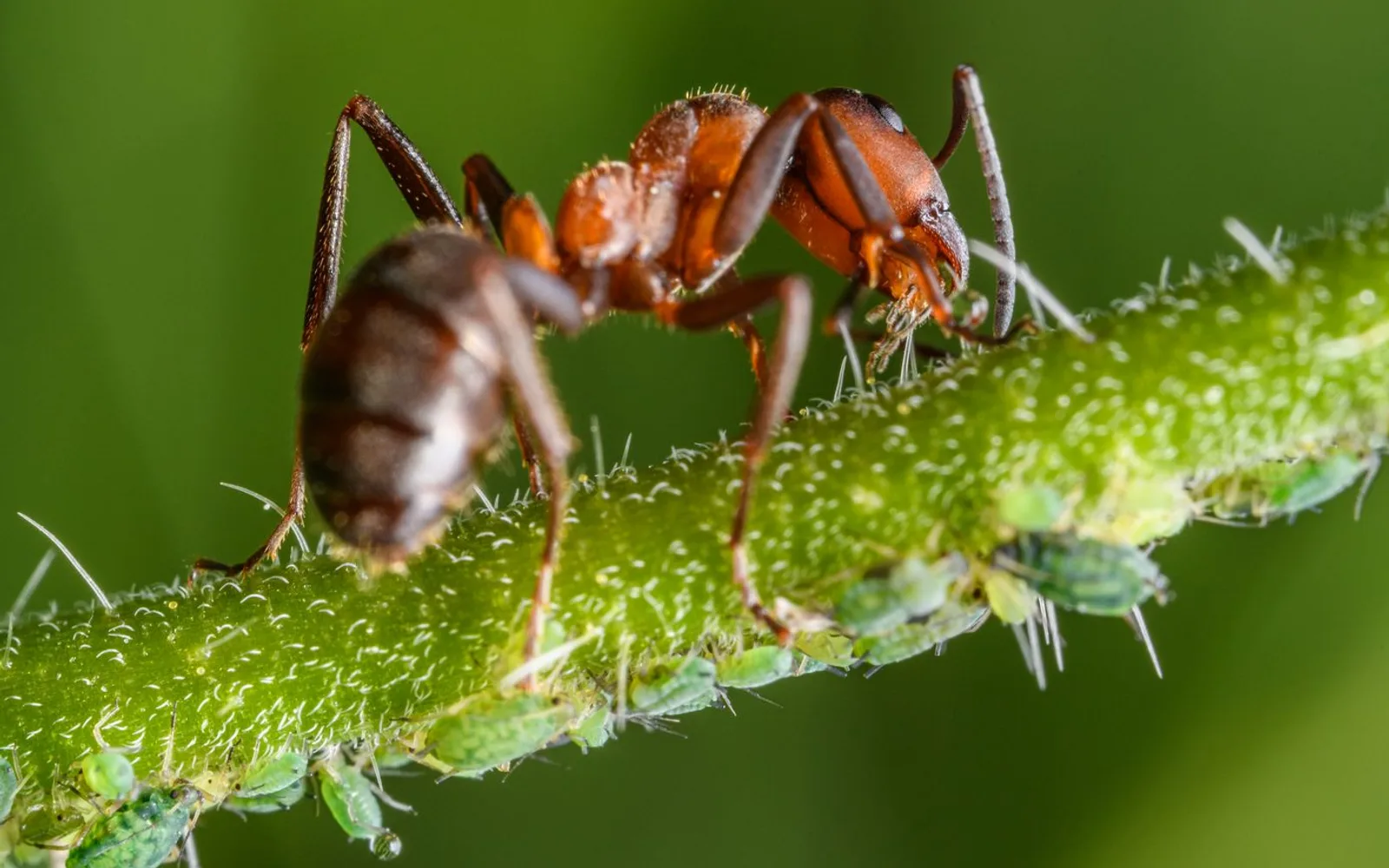
Ant control in Al Hamra Jeddah
Al Hamra is a coastal district directly on the Red Sea shore, where humidity is high throughout the year and salt air accelerates material decay. Ants here search for water more than in other districts, and the nest lies very close to the surface because soil is often saturated with moisture.
-
Targeted, not broadcast
Product goes into cracks and runways, never sprayed across open surfaces.
-
Told before we start
What we will use, where it goes, and what to cover or move before we arrive.
-
A follow-up visit
We return after the first treatment, because what survives it does not show on the day.
-
Homes and businesses
Apartments and villas, and kitchens and stores that need a record of each visit.
Why they keep coming back in Al Hamra
Residents report peak ant activity during humid seasons, concentrated near gardens, fountains and swimming pools that demand continuous watering. The method is set out in full on the full Ant control page.
Coastal humidity pushes nests towards the surface
High humidity and salt air daily keep soil very moist. The nest sits at shallow depth close to the foundation, and trails climb quickly to reach the building.
Salt corrodes insulation and foundation seals
Coastal moisture and salt speed decay of waterproofing materials and concrete. Foundations and walls develop fine cracks that permit ant entry.
Gardens and pools provide continuous water
Villas and apartments in Al Hamra carry gardens and pools requiring daily irrigation. This continuous water keeps soil around the building saturated.
Al Hamra on the map
Al Hamra sits about 3.5 km from Al Andalus and about 3.5 km from Mushrifah.
Open in Google MapsThe species and the trail decide the bait
A waterfront area combining luxury villas, high rise apartment towers, hotels, restaurants and cafes, with views over the King Fahd Fountain and the Corniche Al Hamra Park.
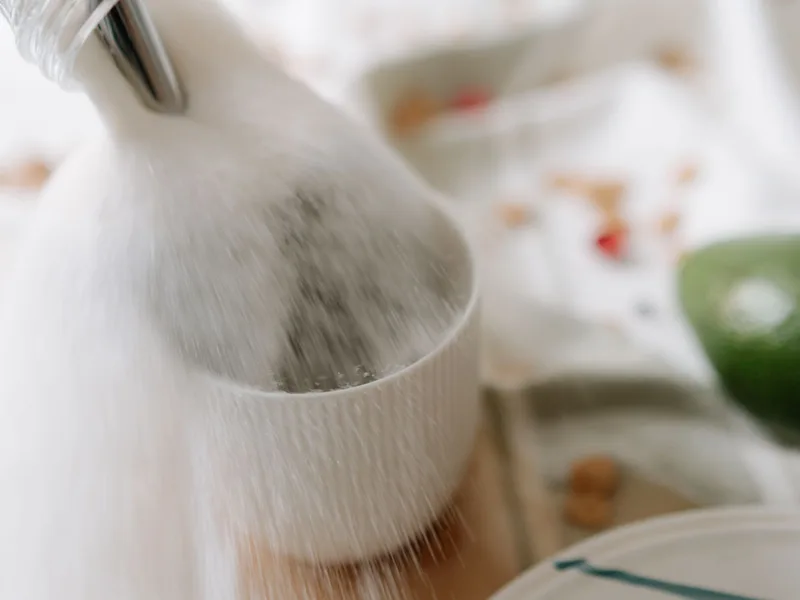
The sweet feeders
Sugar feeders in Al Hamra come from the cafes and restaurants on the Corniche, hotels and resorts that attract them with food and drink waste.
The grease and protein feeders
Grease and protein feeders are less dominant here, because moisture and water drive the search for food rather than particular nutrients.
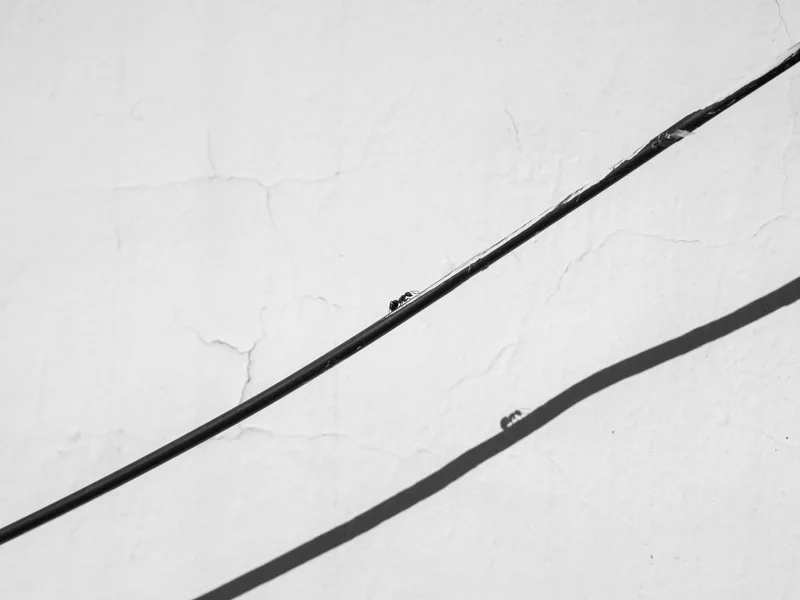
The trail and its direction
The trail starts in the damp soil around the building and climbs concrete walls and columns, weakened by constant moisture.
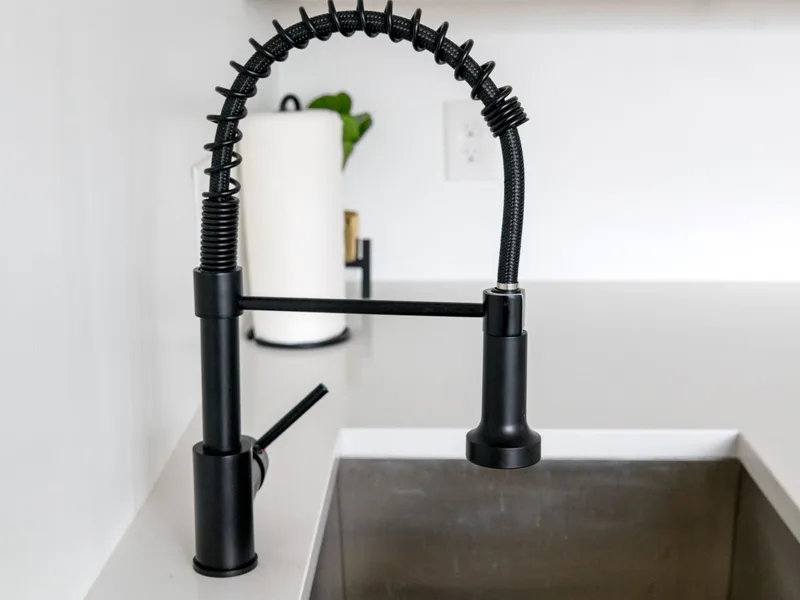
Moisture before food
Moisture is higher than any other district because the coastal location, salt air and continuous garden watering keep everything damp.
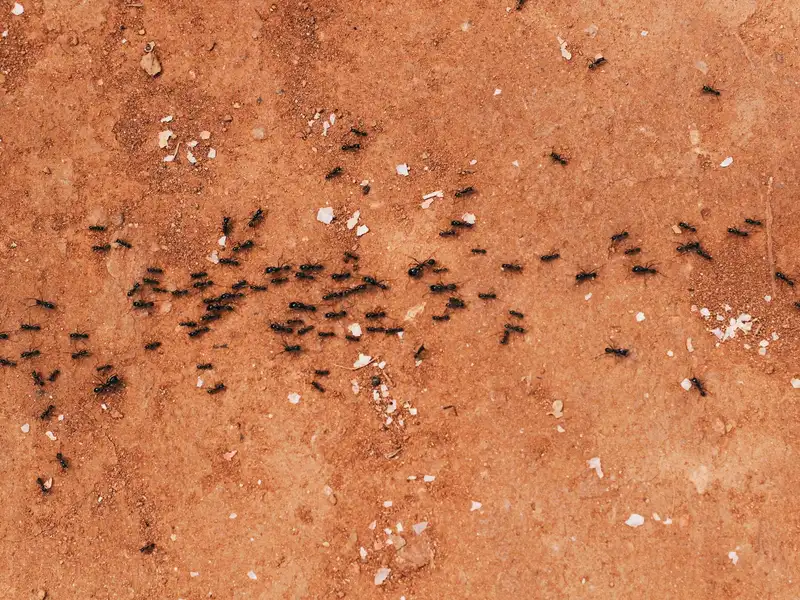
The nest outside the building
The nest lies in soil near the foundation at depths rarely exceeding half a metre, and foundation entry is easy through salt-corroded cracks.
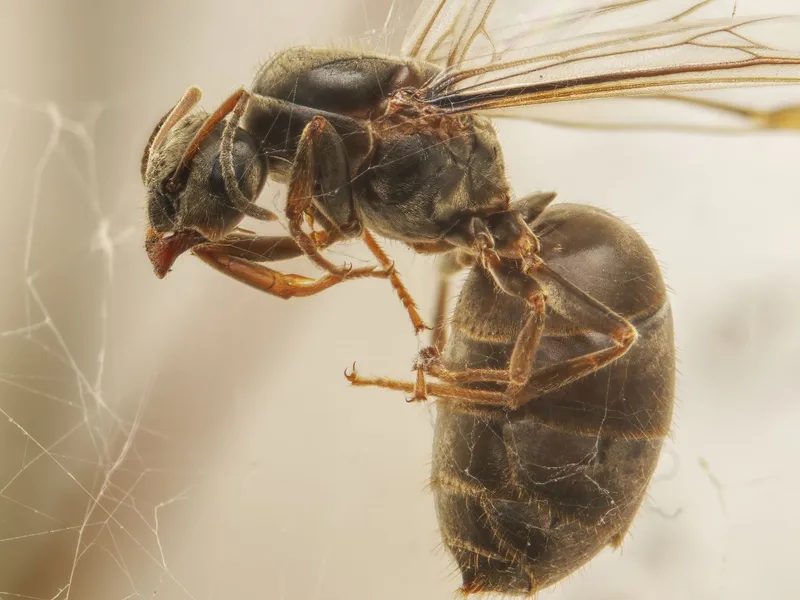
Winged ants
Winged ants emerge abundantly during high humidity seasons and activity follows a clear seasonal pattern.
How we work
-
1
Inspect and follow the trail
We follow the line from where you see it to where it enters, and establish the species, what it is feeding on and the moisture keeping the nest close.
-
2
Matched bait placed on the trail
We choose the matrix from the feeding preference and place it on the trail itself, leaving the trail intact so the workers carry it to the queen and the brood.
-
3
Treat the perimeter and close the ways in
An external treatment at the wall base and the openings, and we point out the cracks, pipe entries and any branch touching the building.
-
4
The follow-up visit
We come back once the bait has worked through the nest, check the trail is gone, and look for a satellite nest if a new line has appeared.
What ant control includes
-

Following the trail to its source
Species, entry point and the direction of the nest, established before anything is applied.
-

Bait matched to the colony
Sugar or protein according to what the workers are carrying, placed on the trail rather than near it.
-

An external perimeter treatment
A band at the wall base and the outside openings, with the indoor trail left unsprayed so it keeps carrying bait.
-

Moisture points and entries
Condensate lines, sink surrounds, weep holes and pipe entries, which are what keeps a nest against the building.
-

Aftercare instructions
What not to wipe until the bait has been taken, what to cover, and when normal cleaning can resume.
-

A scheduled follow-up
A set date to check the nest and re-bait anywhere still active.
The character of Al Hamra
Coastal area: high humidity and salt air through the year
A coastal area means high humidity and salt air throughout the year, bringing nests closer to the surface and raising ant activity. Treatment requires more frequent follow up because continuous moisture supports rapid breeding and quick recovery of activity.
Questions about this district
Does salt air affect ant control treatment?
Salt air speeds decay of waterproofing, creating more entry gaps for ants. High humidity also reduces the effectiveness of some baits if they become too wet.
Why do ants nest so close to the surface here?
Year round wet soil allows the nest to sit at shallow depth. In drier districts, nests go deeper to find moisture.
Does garden irrigation worsen the problem?
Yes. Each watering brings the nest nearer the surface and increases activity. Reducing or stopping irrigation helps the treatment work.
Are villas less vulnerable than apartment buildings?
Villas have private gardens that may be wetter, and apartments have stronger foundations but more cracks. Both suffer from salt and humidity.
Do swimming pools attract more ants?
Pools provide continuous water and humidity, drawing more ants than villas relying on scheduled irrigation.
Is the ant species in Al Hamra different from inland areas?
Species may differ slightly, adapted to salt and moisture, but treatment is similar.
How much does ant control in Al Hamra cost?
It is set after the inspection, because the price follows the type of infestation, the size of the space, how far it has spread and the number of visits it needs. Send a photo and a description on WhatsApp and we will give you an estimate before we reach Al Hamra.
Nearby districts we cover
Other services in Al Hamra
Other services we provide to residents of Al Hamra.
-
 Residential
Cockroach control
Residential
Cockroach control
-
 Residential
Bed bug control
Residential
Bed bug control
-
 Residential
Termite control
Residential
Termite control
-
 Residential
Rodents and mice
Residential
Rodents and mice
-
 Residential
Mosquito control
Residential
Mosquito control
-
 Residential
Fly control
Residential
Fly control
-
 Residential
Gecko control
Residential
Gecko control
-
 Residential
Scorpion control
Residential
Scorpion control
-
 Residential
Snake control
Residential
Snake control
-
 Residential
Flea control
Residential
Flea control
-
 Residential
Bird and pigeon control
Residential
Bird and pigeon control
-
 Residential
Preventive treatment
Residential
Preventive treatment
-
 Residential
Disinfection
Residential
Disinfection
-
 Commercial
Annual contracts
Commercial
Annual contracts
-
 Commercial
Restaurants and cafes
Commercial
Restaurants and cafes
-
 Commercial
Hotels and apartments
Commercial
Hotels and apartments
-
 Commercial
Warehouses and factories
Commercial
Warehouses and factories
-
 Commercial
Schools and nurseries
Commercial
Schools and nurseries
-
 Commercial
Retail and malls
Commercial
Retail and malls
-
 Commercial
Rest houses and farms
Commercial
Rest houses and farms
-
 Commercial
Fumigation
Commercial
Fumigation
-
 Water tanks
Water tank cleaning
Water tanks
Water tank cleaning
-
 Water tanks
Water tank sterilization
Water tanks
Water tank sterilization
-
 Water tanks
Water tank sealing
Water tanks
Water tank sealing
-
 Water tanks
Tank leak repair
Water tanks
Tank leak repair
Need ant control in Al Hamra? Tell us what you saw and we will tell you what it needs
We reach Al Hamra at a time we agree, and you get the full cost before we start.