
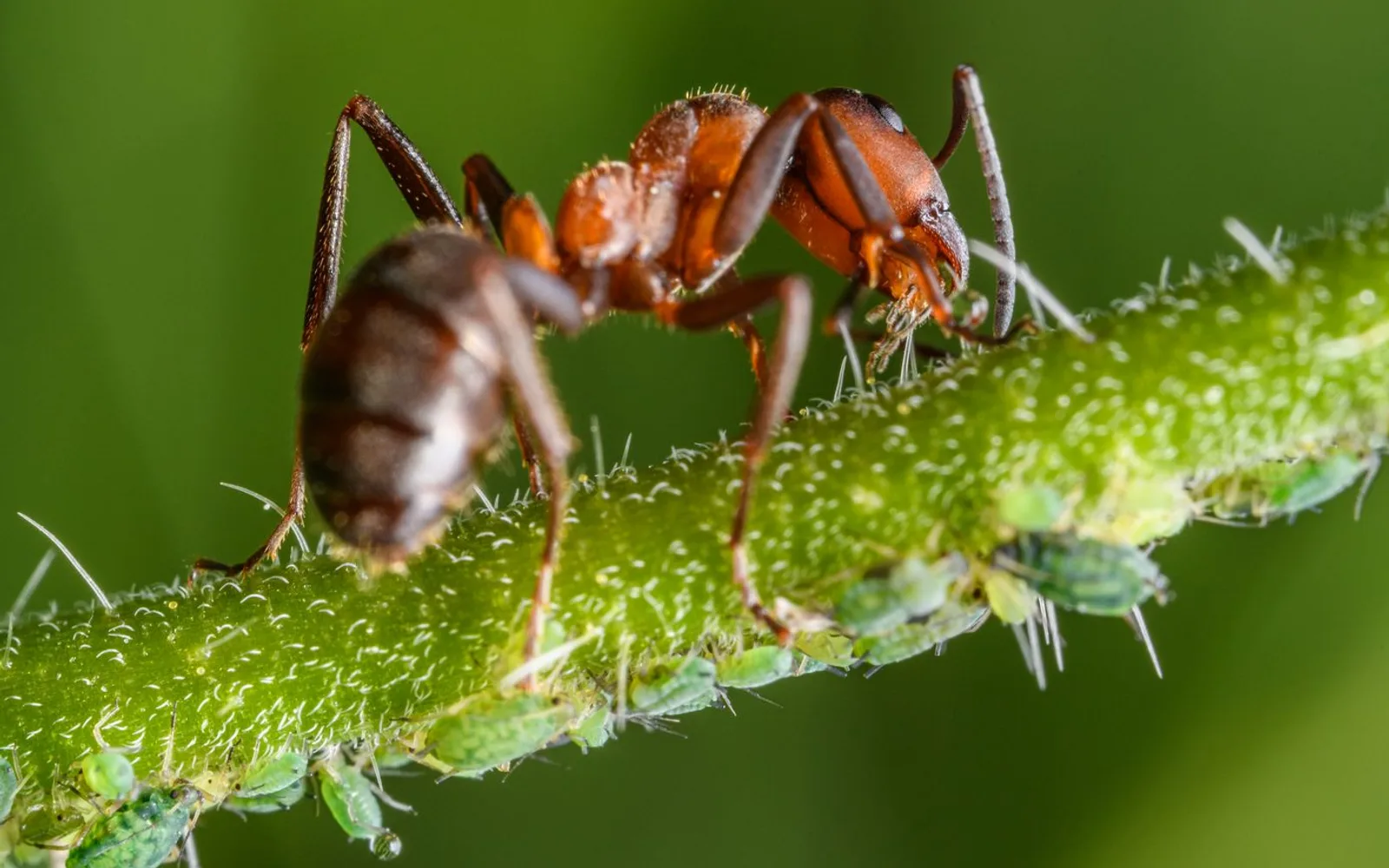
Ant control in Mushrifah Jeddah
Mushrifah is a dense apartment district cut through by major roads where shared entrances concentrate foot traffic. Ants in multi-storey blocks move freely between units through pipes and wall cavities, making effective control demand a whole-building approach rather than treatment of a single flat.
-
Targeted, not broadcast
Product goes into cracks and runways, never sprayed across open surfaces.
-
Told before we start
What we will use, where it goes, and what to cover or move before we arrive.
-
A follow-up visit
We return after the first treatment, because what survives it does not show on the day.
-
Homes and businesses
Apartments and villas, and kitchens and stores that need a record of each visit.
Why they keep coming back in Mushrifah
The rapid turnover of rented units means problems often go undiagnosed until ants have spread to several adjacent flats at the same time. The method is set out in full on the full Ant control page.
Shared pipes and internal wall cavities
Apartment blocks share water, sewage and gas pipes between multiple flats, and these lines pierce the walls that divide units. Ants treat them as expressways, and a spray alone cannot stop them because the pipes offer enclosed safe passages away from surface insecticide. Treatment must address the cavities themselves.
Bait distributed across multiple units
When ants find food in one flat they may splinter into several small colonies in adjacent ones. Bait must reach every affected unit, not just the flat where the problem started, or ants will return from a neighbour's kitchen or a cavity below. The whole building becomes the target.
Coordinating access to other flats simultaneously
If ants have settled in multiple units, the solution must be deployed to several homes at nearly the same time, quite unlike a detached villa where each space can be treated in isolation. The timing of access becomes part of the job itself.
The character of Mushrifah
Apartment district: residential blocks, repeated floors and shared entrances
Shared apartments and common entrances change ant treatment from a single-flat problem into one that may need coordination across the building. The nest may be outside the originally affected unit, and reinfestation enters through inter-unit contact points with ease.
The species and the trail decide the bait
Packed apartment blocks with shared entrances create natural highways for ant movement between units, and shared sewage and water networks connect all the homes together in a single system.
The sweet feeders
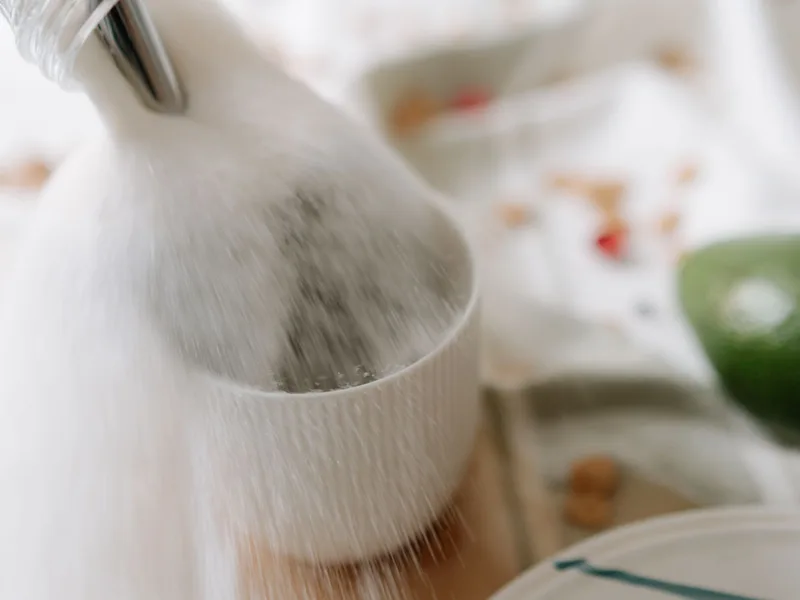
Sugar ants in apartment blocks prefer food stores, kitchens and pantries, and leave wet trails near pipes where they search for moisture droplets.
The grease and protein feeders
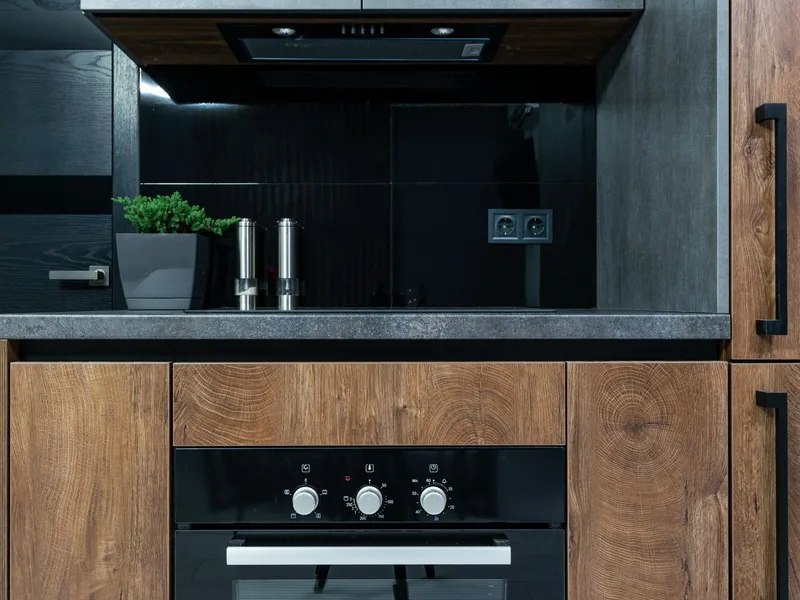
Grease and protein feeders hide behind refrigerators and cookers and in cracks around gas and water lines, moving mostly at night and hard to locate by day.
The trail and its direction
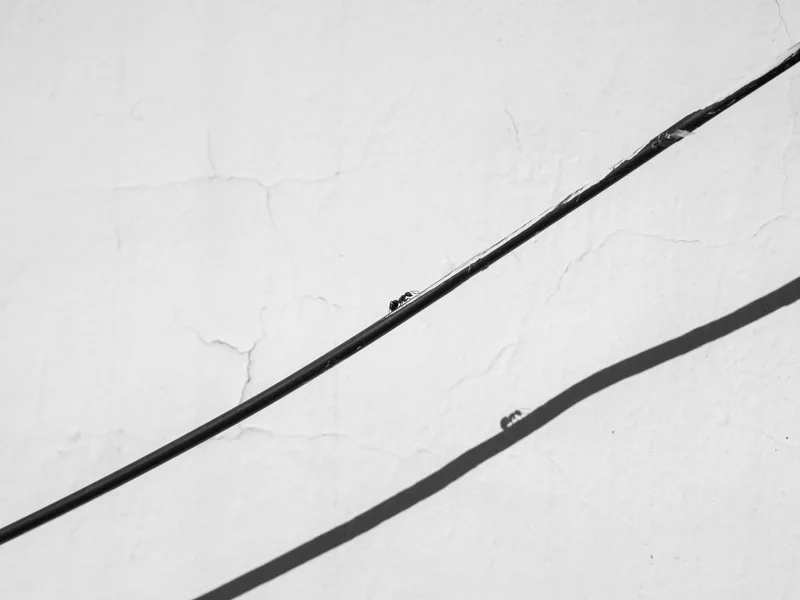
The trail climbs vertical inside walls and exterior pipes rather than following a single floor because the colony may be one storey up, one down, or outside the building entirely.
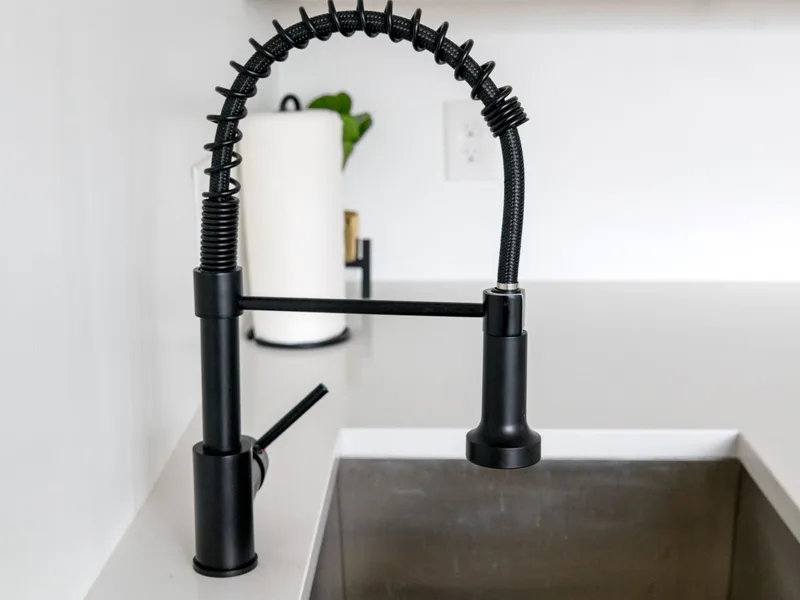
Moisture before food
Moisture in pipes, air conditioning units and bathrooms attracts ants more than food itself in older blocks where drips and seepage are constant.
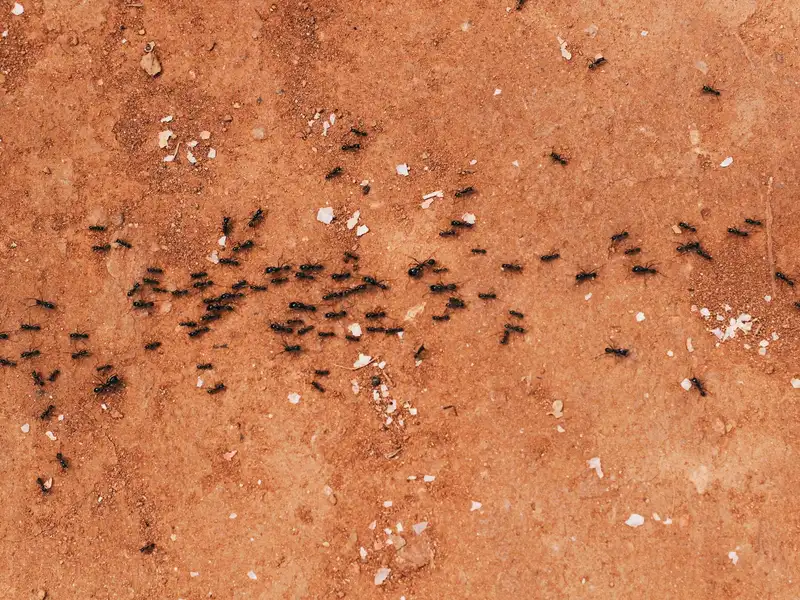
The nest outside the building
The outdoor nest may lie under the building footings or between tightly packed neighbouring blocks, and ants climb to upper flats from there through gaps in the exterior walls.
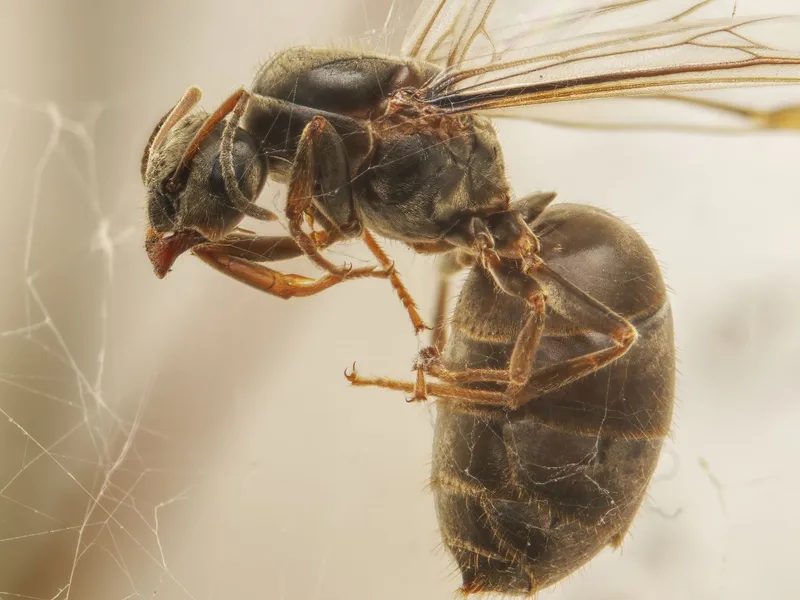
Winged ants
Winged ants in a flat are a sign that a queen has taken root somewhere very close, often in common areas or outside in the gaps between structures.
How we work
-
1
Inspect and follow the trail
We follow the line from where you see it to where it enters, and establish the species, what it is feeding on and the moisture keeping the nest close.
-
2
Matched bait placed on the trail
We choose the matrix from the feeding preference and place it on the trail itself, leaving the trail intact so the workers carry it to the queen and the brood.
-
3
Treat the perimeter and close the ways in
An external treatment at the wall base and the openings, and we point out the cracks, pipe entries and any branch touching the building.
-
4
The follow-up visit
We come back once the bait has worked through the nest, check the trail is gone, and look for a satellite nest if a new line has appeared.
What ant control includes
-

Following the trail to its source
Species, entry point and the direction of the nest, established before anything is applied.
-

Bait matched to the colony
Sugar or protein according to what the workers are carrying, placed on the trail rather than near it.
-

An external perimeter treatment
A band at the wall base and the outside openings, with the indoor trail left unsprayed so it keeps carrying bait.
-

Moisture points and entries
Condensate lines, sink surrounds, weep holes and pipe entries, which are what keeps a nest against the building.
-

Aftercare instructions
What not to wipe until the bait has been taken, what to cover, and when normal cleaning can resume.
-

A scheduled follow-up
A set date to check the nest and re-bait anywhere still active.
What is different about Al Aziziyah Sub-Municipality
The Al Aziziyah sub municipality takes in the established heart of northern Jeddah, from the Al Hamra corniche on the Red Sea to Al Rehab east of King Abdullah Road. Its buildings date back decades, mostly mid rise apartment blocks over shops and closely packed restaurants along Makarona Road, Tahliah Street and Palestine Street, alongside villas and hotel towers near the shore. Sea humidity is high in the western districts, plumbing and drainage in the older blocks are ageing, and food outlets, hospitals and irrigated gardens are everywhere, conditions that favour cockroaches, ants, mosquitoes and rodents throughout the year.
Questions about this district
Is the ant colony in our flat coming from an adjoining unit?
In apartment blocks, likely yes. Adjacent flats separated by thin walls and joined by shared pipes create bridges for ants to cross. A thorough inspection looks at your unit and the shared cavities and common areas that border it.
Do we need our neighbours permission to have treatment done?
If ants are moving through shared pipes or cavities, treating the common infrastructure helps everyone. Neighbours may benefit indirectly because the shared passages will be sealed and protected, even if only your flat has visible activity.
Why did ants return a month after the first treatment?
In multi-unit buildings, a fresh colony may be arriving from an untreated neighbouring flat or from common areas. Routine follow up and early detection help catch new entry points before they lead to visible problems again.
Must the flat be emptied during treatment?
The product used is safe for occupied spaces. Ensure windows are open for an hour after the visit. Your furniture and clothes will not be affected by modern targeted treatment.
Do you treat the pipes and shared areas of the building?
Yes, pipes, cavities and common passages are essential to the solution. These are often the main ant highways between units and must be included in any lasting approach.
Does an ant problem in the flat mean it is not clean enough?
Not necessarily. Ants are drawn by food, moisture and cracks, and may arrive from common areas or a neighbour's unit. A scrupulously clean flat can still be invaded if a colony is active elsewhere in the building.
How much does ant control in Mushrifah cost?
It is set after the inspection, because the price follows the type of infestation, the size of the space, how far it has spread and the number of visits it needs. Send a photo and a description on WhatsApp and we will give you an estimate before we reach Mushrifah.
Nearby districts we cover
Other services in Mushrifah
Other services we provide to residents of Mushrifah.
-
 Residential
Cockroach control
Residential
Cockroach control
-
 Residential
Bed bug control
Residential
Bed bug control
-
 Residential
Termite control
Residential
Termite control
-
 Residential
Rodents and mice
Residential
Rodents and mice
-
 Residential
Mosquito control
Residential
Mosquito control
-
 Residential
Fly control
Residential
Fly control
-
 Residential
Gecko control
Residential
Gecko control
-
 Residential
Scorpion control
Residential
Scorpion control
-
 Residential
Snake control
Residential
Snake control
-
 Residential
Flea control
Residential
Flea control
-
 Residential
Bird and pigeon control
Residential
Bird and pigeon control
-
 Residential
Preventive treatment
Residential
Preventive treatment
-
 Residential
Disinfection
Residential
Disinfection
-
 Commercial
Annual contracts
Commercial
Annual contracts
-
 Commercial
Restaurants and cafes
Commercial
Restaurants and cafes
-
 Commercial
Hotels and apartments
Commercial
Hotels and apartments
-
 Commercial
Warehouses and factories
Commercial
Warehouses and factories
-
 Commercial
Schools and nurseries
Commercial
Schools and nurseries
-
 Commercial
Retail and malls
Commercial
Retail and malls
-
 Commercial
Rest houses and farms
Commercial
Rest houses and farms
-
 Commercial
Fumigation
Commercial
Fumigation
-
 Water tanks
Water tank cleaning
Water tanks
Water tank cleaning
-
 Water tanks
Water tank sterilization
Water tanks
Water tank sterilization
-
 Water tanks
Water tank sealing
Water tanks
Water tank sealing
-
 Water tanks
Tank leak repair
Water tanks
Tank leak repair
Need ant control in Mushrifah? Tell us what you saw and we will tell you what it needs
We reach Mushrifah at a time we agree, and you get the full cost before we start.