
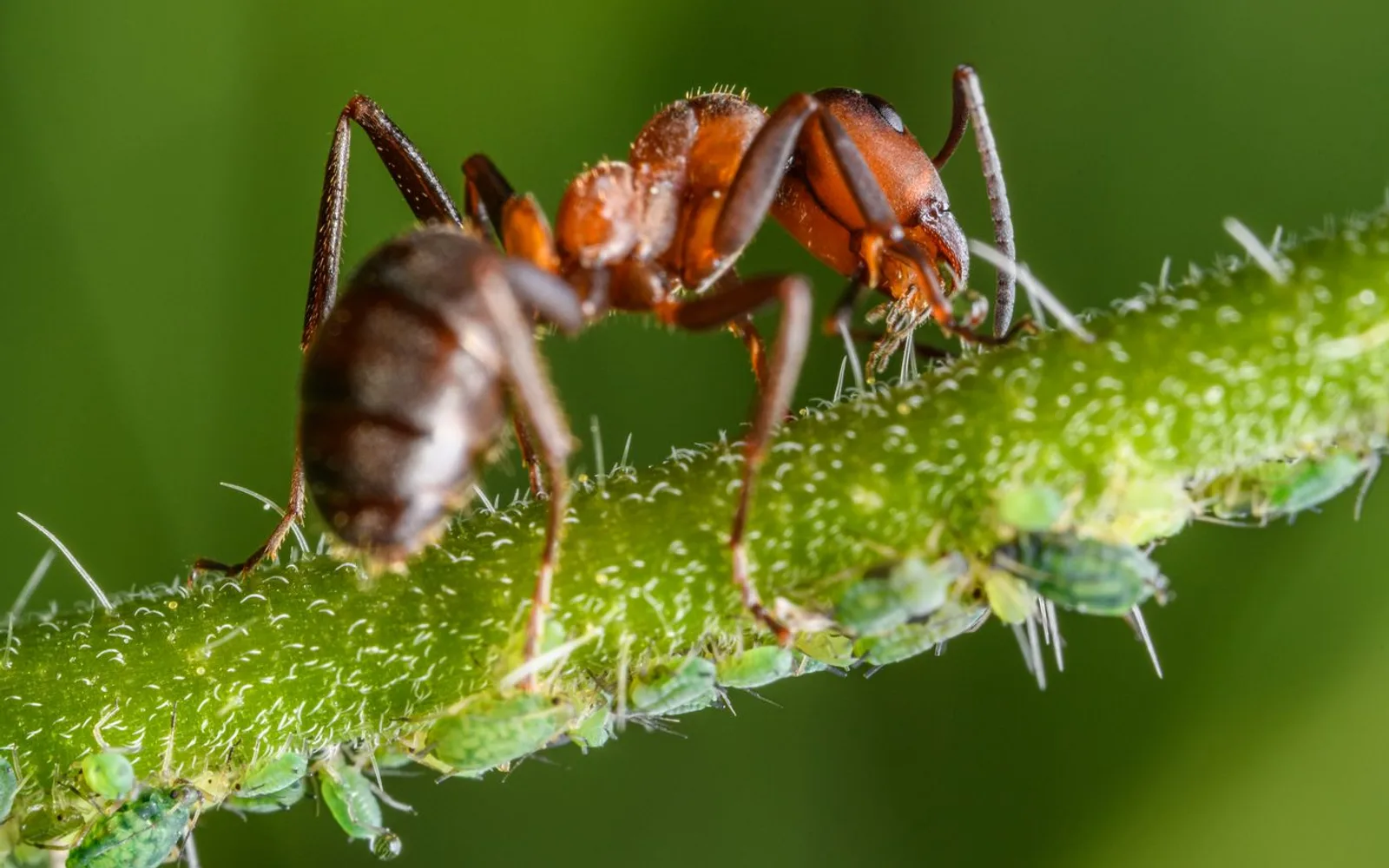
Ant control in Al Harah Al Janubiyah Jeddah
Al Harah Al Janubiyah is the southern part of Thuwal on the coast, with popular housing on the inner streets and open edges facing farms and vacant ground to the south. The coastal location, open edges and irrigated farms nearby provide a rich environment for ants, and the seaside location means high humidity year round. The coastal road carries ants from other towns.
-
Targeted, not broadcast
Product goes into cracks and runways, never sprayed across open surfaces.
-
Told before we start
What we will use, where it goes, and what to cover or move before we arrive.
-
A follow-up visit
We return after the first treatment, because what survives it does not show on the day.
-
Homes and businesses
Apartments and villas, and kitchens and stores that need a record of each visit.
Why they keep coming back in Al Harah Al Janubiyah
Ants in Al Harah Al Janubiyah move easily from farms and vacant ground toward the homes, and coastal moisture provides perfect conditions for constant breeding. The method is set out in full on Ant control in detail.
Farms and vacant ground are endless source
The open edges of Al Harah Al Janubiyah face irrigated farms and vacant plots, and these areas provide natural habitat for ants. The gap between homes and open ground makes treatment difficult.
Coastal humidity extends the breeding season
Damp sea air and closeness to the shore keep humidity high year round. Damp soil and irrigated farms provide permanent water for ants.
The coastal road carries ants from other towns
Towns on the Jeddah Madinah coastal road may carry ants from other settlements. Lorries and cargo may transport new colonies to the quarter.
Al Harah Al Janubiyah on the map
Al Harah Al Janubiyah sits about 0.5 km from Harat Al Sarahin and about 0.5 km from Harat Abu Zayd.
Open in Google MapsThe species and the trail decide the bait
The southern part of Thuwal town on the coast, with popular housing on inner streets and open edges facing farms and vacant ground, on the side leading south towards Dhahban and Jeddah.
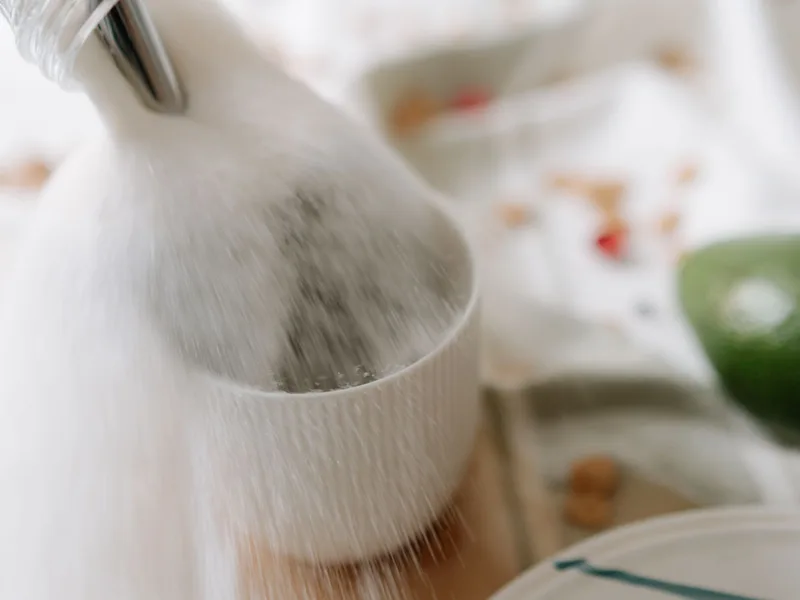
The sweet feeders
Sweet feeders head for the farms and irrigated fields first, then move toward home kitchens searching for sugar.
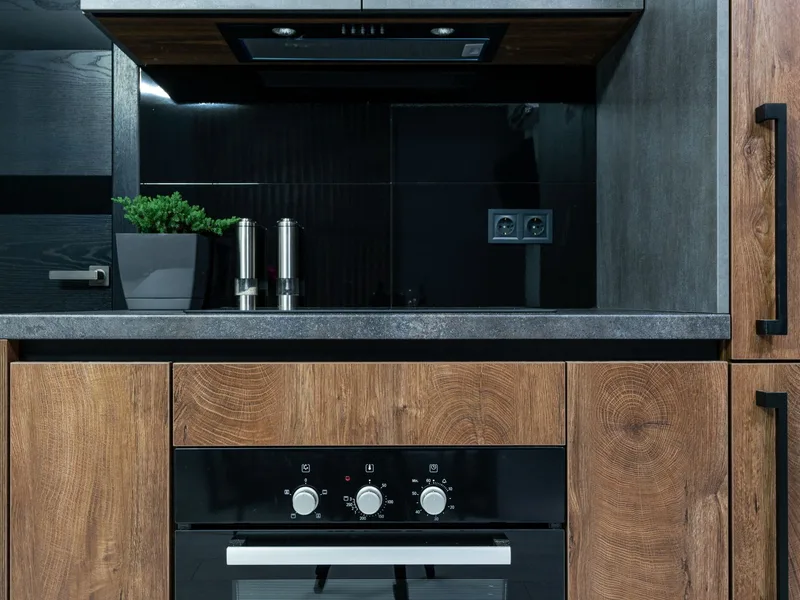
The grease and protein feeders
Grease feeders thrive around damp foundations and pipes, and coastal moisture keeps them active year round.
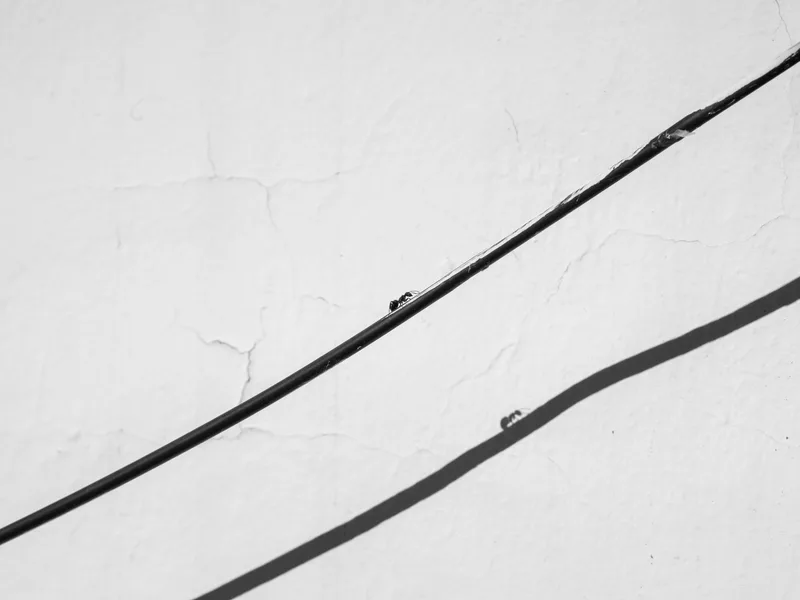
The trail and its direction
The ant trail runs from the farms and vacant plots horizontally across the soil toward the homes.
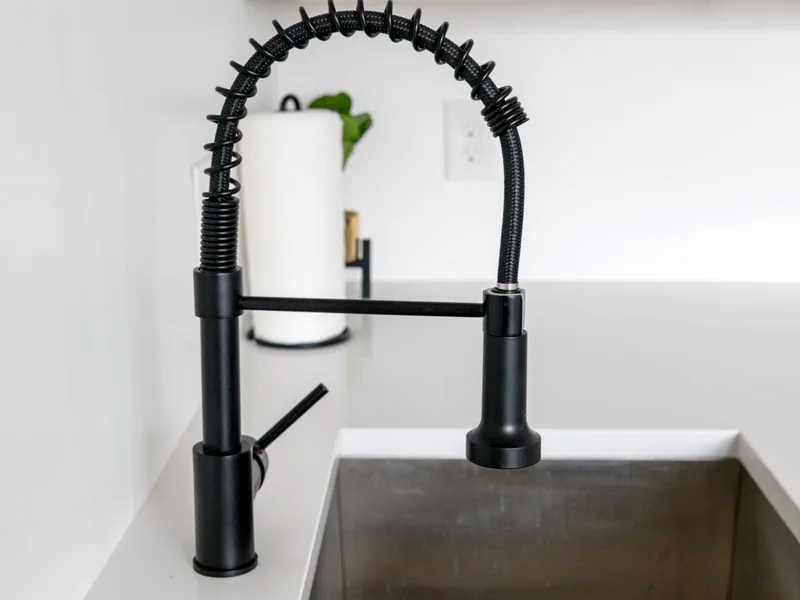
Moisture before food
Moisture from the sea and irrigated farms and damp soil draws ants continuously toward the house foundations.
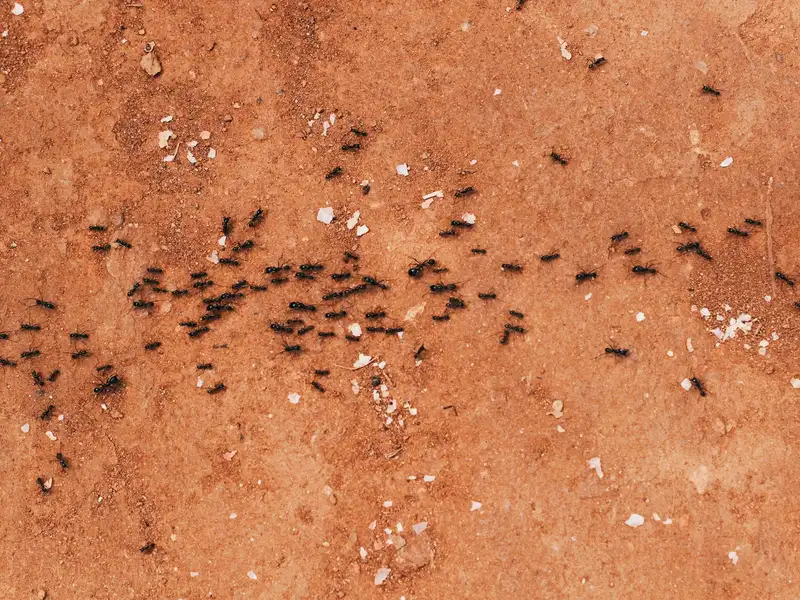
The nest outside the building
The nest outside sits in damp soil beneath the foundations and in the neighbouring farms, and large colonies may occupy the ground.
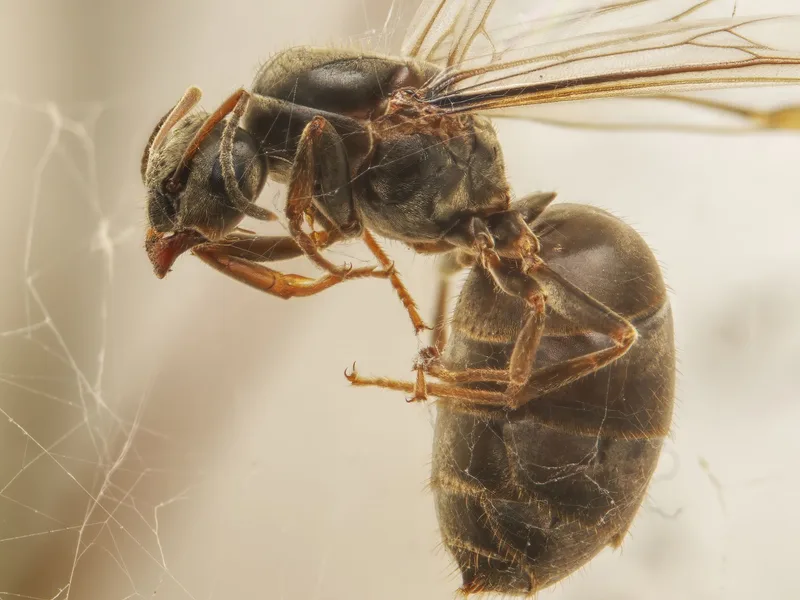
Winged ants
Winged ants appear abundantly because coastal moisture and farms provide ideal breeding conditions.
How we work
-
1
Inspect and follow the trail
We follow the line from where you see it to where it enters, and establish the species, what it is feeding on and the moisture keeping the nest close.
-
2
Matched bait placed on the trail
We choose the matrix from the feeding preference and place it on the trail itself, leaving the trail intact so the workers carry it to the queen and the brood.
-
3
Treat the perimeter and close the ways in
An external treatment at the wall base and the openings, and we point out the cracks, pipe entries and any branch touching the building.
-
4
The follow-up visit
We come back once the bait has worked through the nest, check the trail is gone, and look for a satellite nest if a new line has appeared.
What ant control includes
-

Following the trail to its source
Species, entry point and the direction of the nest, established before anything is applied.
-

Bait matched to the colony
Sugar or protein according to what the workers are carrying, placed on the trail rather than near it.
-

An external perimeter treatment
A band at the wall base and the outside openings, with the indoor trail left unsprayed so it keeps carrying bait.
-

Moisture points and entries
Condensate lines, sink surrounds, weep holes and pipe entries, which are what keeps a nest against the building.
-

Aftercare instructions
What not to wipe until the bait has been taken, what to cover, and when normal cleaning can resume.
-

A scheduled follow-up
A set date to check the nest and re-bait anywhere still active.
Landmarks of Al Harah Al Janubiyah
In Al Harah Al Janubiyah on the Jeddah Madinah Road and Thuwal Corniche, treatment focuses on the outside perimeter and gaps around the foundations, covering the vacant plots and surrounding farms where possible.
- Jeddah Madinah Road
- Thuwal Corniche
- Thuwal Harbour
Questions about this district
Do ants come from the vacant plots and farms next door?
Yes, vacant plots and irrigated farms nearby are a primary source. Ants move from these areas toward the homes searching for food.
Does treating my single home stop ants from the vacant plot next door?
Treating your home stops ants entering now, but vacant plots and farms are a constant source. Treating the outside perimeter and areas around your home gives better protection.
Does high sea moisture increase ant activity?
High coastal moisture all year keeps ants active without rest. Irrigated farms and damp soil provide ideal conditions for continuous breeding.
Do I need more frequent treatment than inland districts require?
Yes, vacant plots and coastal moisture and farms mean continuous reinvasion. Treatment every three months is necessary instead of six monthly.
Do lorries carry ants from other coastal towns to here?
Lorries on the Jeddah Madinah road may carry ants from other coastal settlements. Transported goods may carry new colonies.
Is treating my home and the plots around it together necessary?
Yes, treating your home and the outside perimeter and neighbouring farms if possible gives better protection. But pressure from vacant plots stays constant.
How much does ant control in Al Harah Al Janubiyah cost?
It is set after the inspection, because the price follows the type of infestation, the size of the space, how far it has spread and the number of visits it needs. Send a photo and a description on WhatsApp and we will give you an estimate before we reach Al Harah Al Janubiyah.
Nearby districts we cover
Other services in Al Harah Al Janubiyah
Other services we provide to residents of Al Harah Al Janubiyah.
-
 Residential
Cockroach control
-
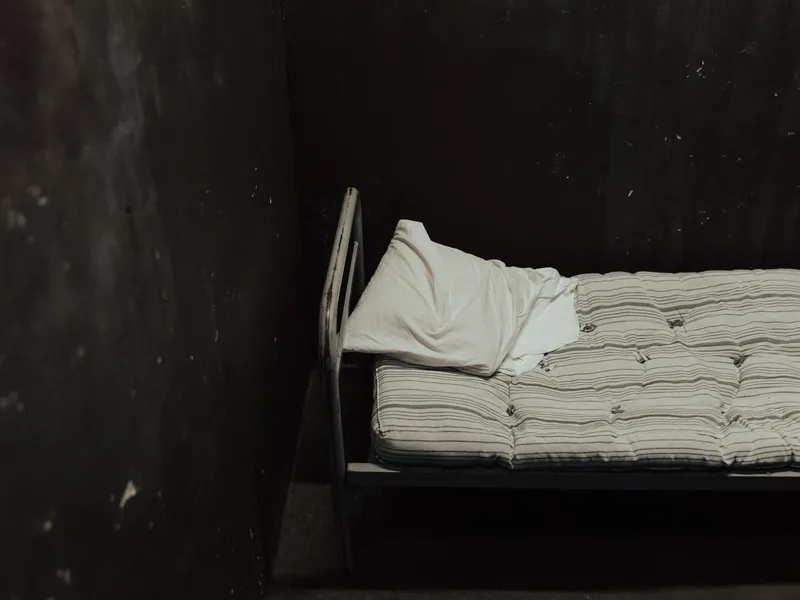 Residential
Bed bug control
-
 Residential
Termite control
-
 Residential
Rodents and mice
Need ant control in Al Harah Al Janubiyah? Tell us what you saw and we will tell you what it needs
We reach Al Harah Al Janubiyah at a time we agree, and you get the full cost before we start.