
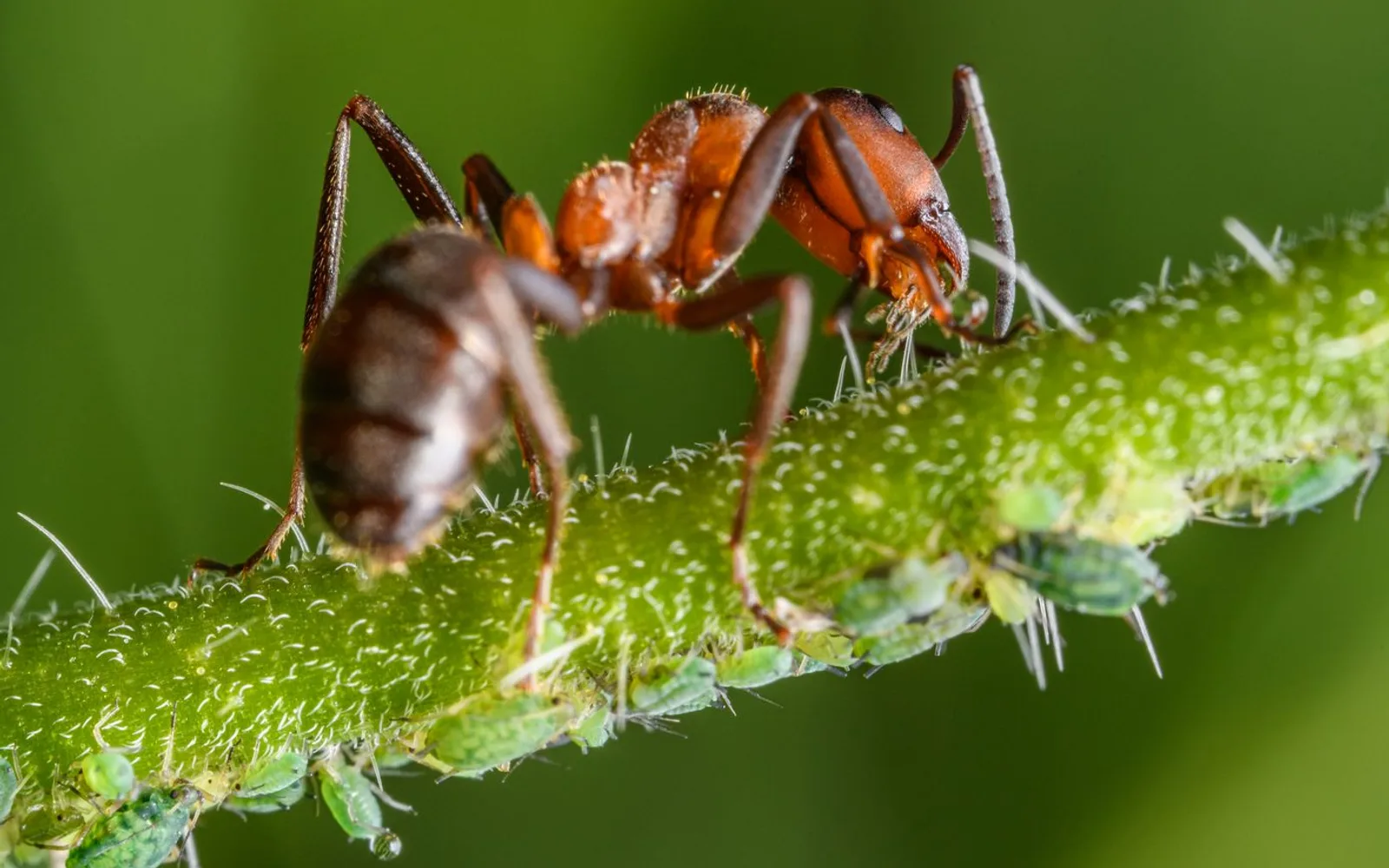
Ant control in Al Shawqiyah Makkah
Al Shawqiyah is a densely mixed district between Al Misfalah and Wali Al Ahd where villas, apartment blocks and old informal settlements undergoing redevelopment sit along wide planned streets. This mix of commercial ground floors, shared foundations and ongoing building work makes ants move easily between food sources and homes, a pattern that shapes how the work is done here.
-
Targeted, not broadcast
Product goes into cracks and runways, never sprayed across open surfaces.
-
Told before we start
What we will use, where it goes, and what to cover or move before we arrive.
-
A follow-up visit
We return after the first treatment, because what survives it does not show on the day.
-
Homes and businesses
Apartments and villas, and kitchens and stores that need a record of each visit.
Why they keep coming back in Al Shawqiyah
Ants are most active near ground floor food outlets in Al Shawqiyah, where food waste accumulates and sends clear trails upward into the villas and apartments above, making lower floors a priority before treating upper levels. The method is set out in full on how we approach Ant control.
Ground floor food outlets and vertical trails
The restaurants and shops at street level in Al Shawqiyah open continuous entry points for sugar and grease feeding ants. Workers carry food back up shared foundations toward the flats and houses above, making treatment of the first floor essential before upper storeys, and identifying which species is feeding where determines whether the bait moves downward or stays horizontal.
Mixed building ages and varying foundation cracks
Old Al Zuhur housing has wide structural cracks and loose render where ants enter easily, while new Al Shawqiyah blocks stand on solid concrete pads. Each type creates different entry points and trail patterns, requiring different placement of bait stations and barrier treatments.
Seasonal moisture from wadis and park irrigation
Seasonal wadis and Umm Al Mumineen Zainab park leave soil damp around buildings after rain, and drainage networks in the southern fringe remain incomplete. This standing moisture draws moisture feeding ants before any others arrive, making them the first species to control.
Al Shawqiyah on the map
Al Shawqiyah sits about 2 km from Al Kaakiyah and about 2.5 km from Al Malik Fahd.
Open in Google MapsThe species and the trail decide the bait
The district combines newly planned apartment housing with the older Al Zuhur quarter being redeveloped, features seasonal wadis and an open public park that holds water, all of which maintain moisture around building bases year-round.
The sweet feeders
Sugar feeding ants in Al Shawqiyah concentrate on ground floor shops, bakeries and cafes, then climb through shared foundations seeking any sweet source in the storeys above.
The grease and protein feeders
Grease feeders nest in voids under concrete slabs and inside pipe chases, seeking oils and protein residues near kitchens and bathrooms where humidity runs highest.
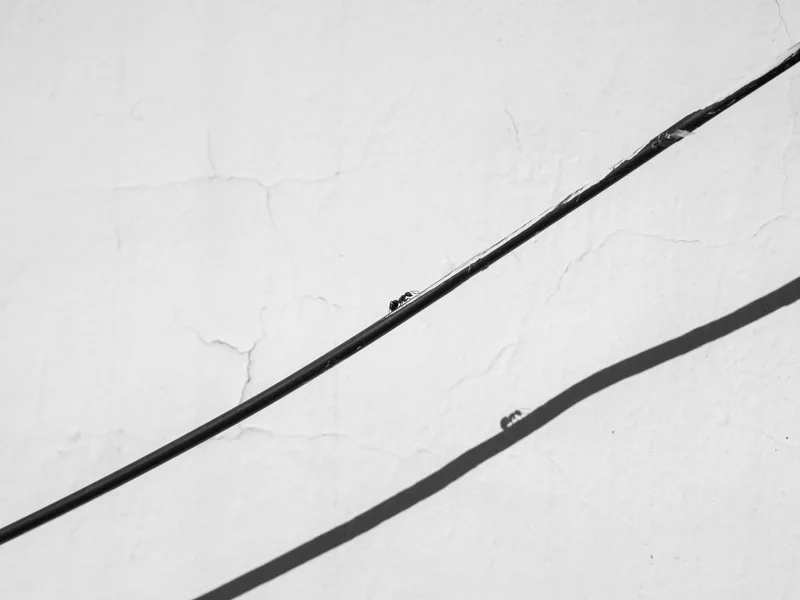
The trail and its direction
Ant trails in Al Shawqiyah follow foundations vertically and run along pipes and cables from lower floors upward, spreading horizontally across ceilings and white walls where they become plainly visible.
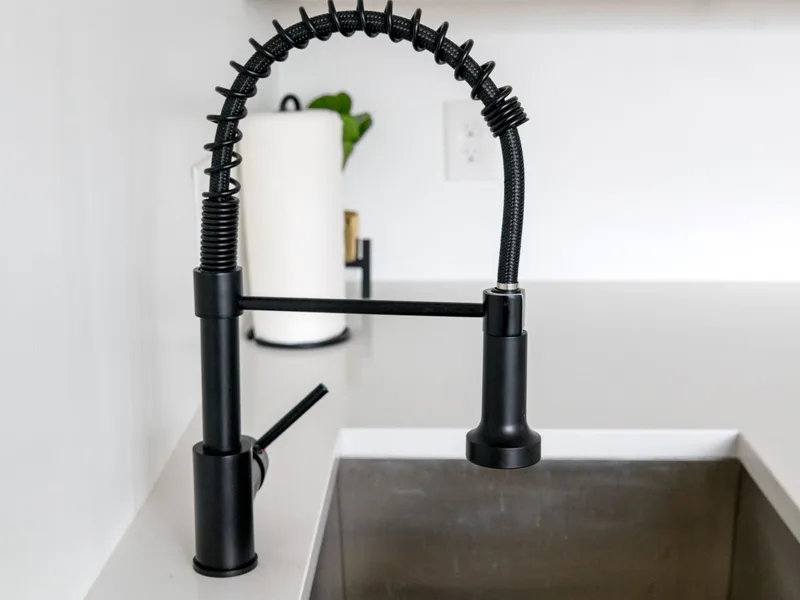
Moisture before food
Post rain moisture is high around park irrigation and wadis, drawing moisture feeders first before other species, and they shelter in damp voids under slabs and building bases.
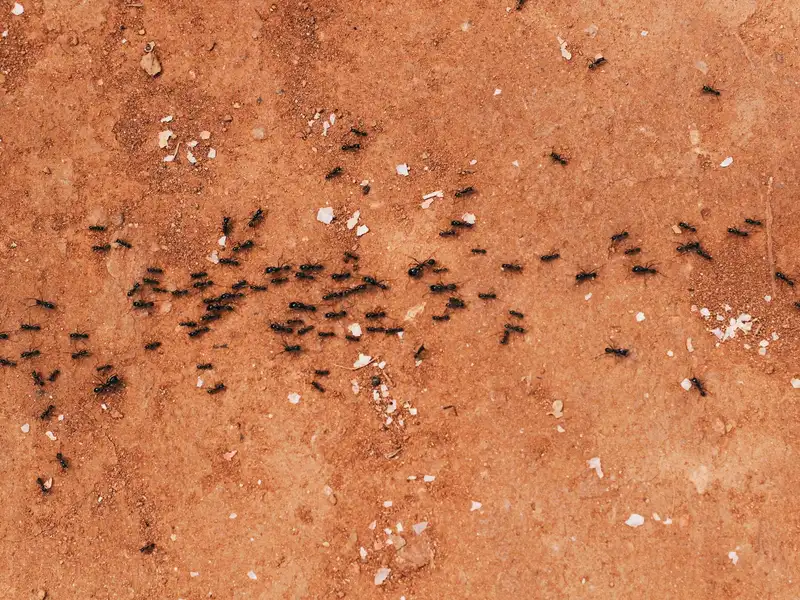
The nest outside the building
Nests outside Al Shawqiyah may be under rubble or foundation cracks or in Zainab park nearby. External treatment prevents ants returning from natural sources outside the building.
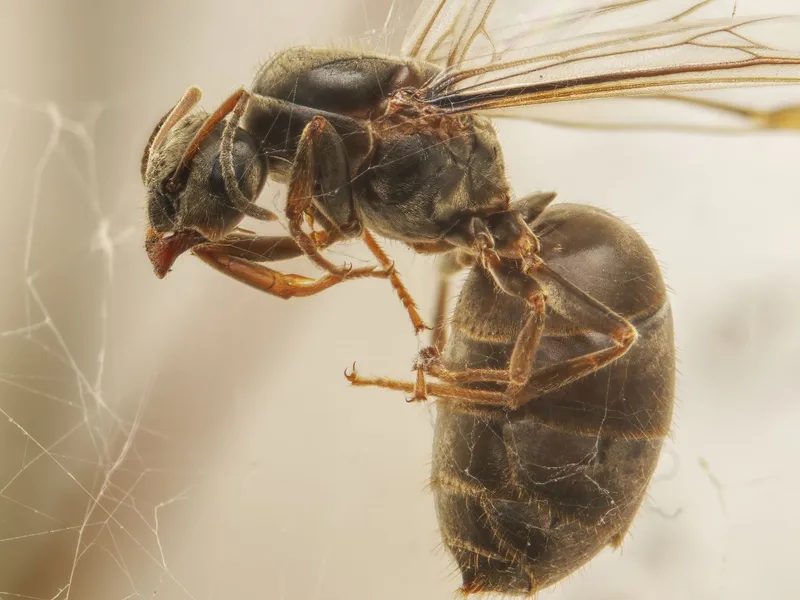
Winged ants
Winged ants in Al Shawqiyah appear seasonally in large numbers near food outlets, especially after washdown of voids and moisture accumulation, signalling active nests close by.
How we work
-
1
Inspect and follow the trail
We follow the line from where you see it to where it enters, and establish the species, what it is feeding on and the moisture keeping the nest close.
-
2
Matched bait placed on the trail
We choose the matrix from the feeding preference and place it on the trail itself, leaving the trail intact so the workers carry it to the queen and the brood.
-
3
Treat the perimeter and close the ways in
An external treatment at the wall base and the openings, and we point out the cracks, pipe entries and any branch touching the building.
-
4
The follow-up visit
We come back once the bait has worked through the nest, check the trail is gone, and look for a satellite nest if a new line has appeared.
What ant control includes
-

Following the trail to its source
Species, entry point and the direction of the nest, established before anything is applied.
-

Bait matched to the colony
Sugar or protein according to what the workers are carrying, placed on the trail rather than near it.
-

An external perimeter treatment
A band at the wall base and the outside openings, with the indoor trail left unsprayed so it keeps carrying bait.
-

Moisture points and entries
Condensate lines, sink surrounds, weep holes and pipe entries, which are what keeps a nest against the building.
-

Aftercare instructions
What not to wipe until the bait has been taken, what to cover, and when normal cleaning can resume.
-

A scheduled follow-up
A set date to check the nest and re-bait anywhere still active.
What is different about Al Shawqiyah Sub-Municipality
Al Shawqiyah sub municipality runs south from the Third Ring Road to the city's edge on the Al Layth road and the Jeddah expressway. Planned districts such as Al Shawqiyah, Al Malik Fahd and Bathaa Quraish have wide streets, villas and apartment blocks, while schemes in Wali Al Ahd are being built out and informal housing in Al Ukayshiyah and Al Zuhur is being cleared. The vegetable market and livestock auction at Souq Al Halaqa, open construction sites, the rocky slopes of Jabal Thawr and sewers still being laid through the southern fringe offer exposed food, shelter and moisture.
Questions about this district
Are ground floor shops more ant prone than the flats above them?
Yes. Food outlets attract ants directly and workers travel up shared foundations toward the homes above through gaps between electrical wiring, pipes and concrete. Treating ground floors first stops the main foraging routes.
Does old Al Zuhur housing need different treatment than new Al Shawqiyah blocks?
Yes. Zuhur has closely spaced buildings with wide cracks and loose concrete, while new blocks stand on solid pads. Ants find routes through both via services, but entry points and barrier placement differ.
Do seasonal rains and wadis drive more ant activity here?
Yes. After rain, soil stays damp around foundations and villas, attracting moisture seeking ants first. This is especially marked near Zainab park and after wadi flows, when humidity feeders arrive before any others.
Why do I see winged ants more often near food shops?
Winged ants appear seasonally when males and females fly to mate. Food outlets and accumulated waste attract them more through food smell and liquid residue than other sites.
Do incomplete drainage networks in the south mean ants will always return?
Incomplete drainage keeps soil damp, which allows ants to return from outside. However, treating external perimeters and placing correct baits stops the chemical signals that draw them back from soil outside.
Does apartment block size affect how much bait is needed?
Yes. Large blocks need multiple horizontal bait trails so workers carry food back to the queen. Upper floors may feed separate nests, so each zone needs separate treatment to ensure the queen receives enough bait to fail.
How much does ant control in Al Shawqiyah cost?
It is set after the inspection, because the price follows the type of infestation, the size of the space, how far it has spread and the number of visits it needs. Send a photo and a description on WhatsApp and we will give you an estimate before we reach Al Shawqiyah.
Nearby districts we cover
Other services in Al Shawqiyah
Other services we provide to residents of Al Shawqiyah.
-
 Residential
Cockroach control
Residential
Cockroach control
-
 Residential
Bed bug control
Residential
Bed bug control
-
 Residential
Termite control
Residential
Termite control
-
 Residential
Rodents and mice
Residential
Rodents and mice
-
 Residential
Mosquito control
Residential
Mosquito control
-
 Residential
Fly control
Residential
Fly control
-
 Residential
Gecko control
Residential
Gecko control
-
 Residential
Scorpion control
Residential
Scorpion control
-
 Residential
Snake control
Residential
Snake control
-
 Residential
Flea control
Residential
Flea control
-
 Residential
Bird and pigeon control
Residential
Bird and pigeon control
-
 Residential
Preventive treatment
Residential
Preventive treatment
-
 Residential
Disinfection
Residential
Disinfection
-
 Commercial
Annual contracts
Commercial
Annual contracts
-
 Commercial
Restaurants and cafes
Commercial
Restaurants and cafes
-
 Commercial
Hotels and apartments
Commercial
Hotels and apartments
-
 Commercial
Warehouses and factories
Commercial
Warehouses and factories
-
 Commercial
Schools and nurseries
Commercial
Schools and nurseries
-
 Commercial
Retail and malls
Commercial
Retail and malls
-
 Commercial
Rest houses and farms
Commercial
Rest houses and farms
-
 Commercial
Fumigation
Commercial
Fumigation
-
 Water tanks
Water tank cleaning
Water tanks
Water tank cleaning
-
 Water tanks
Water tank sterilization
Water tanks
Water tank sterilization
-
 Water tanks
Water tank sealing
Water tanks
Water tank sealing
-
 Water tanks
Tank leak repair
Water tanks
Tank leak repair
Need ant control in Al Shawqiyah? Tell us what you saw and we will tell you what it needs
We reach Al Shawqiyah at a time we agree, and you get the full cost before we start.