
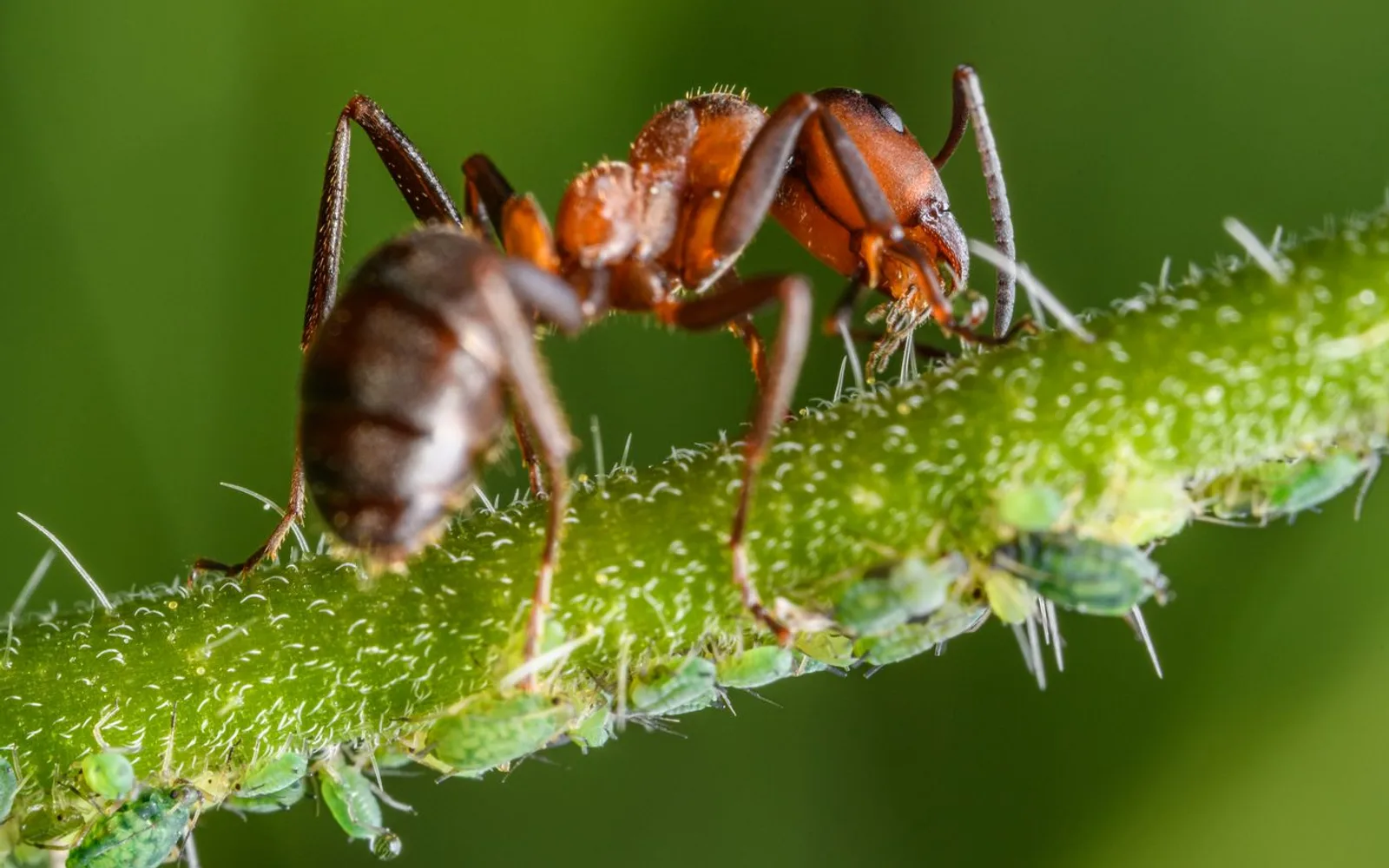
Ant control in Harat Al Kanadirah Jeddah
Harat Al Kanadirah in the small coastal town of Thuwal blends older popular houses with newer concrete buildings, with shops at street level and homes stacked above them. This mixture creates multiple pathways for ants between shops and flats and houses, and a varied range of food sources in each building that ants can exploit.
-
Targeted, not broadcast
Product goes into cracks and runways, never sprayed across open surfaces.
-
Told before we start
What we will use, where it goes, and what to cover or move before we arrive.
-
A follow-up visit
We return after the first treatment, because what survives it does not show on the day.
-
Homes and businesses
Apartments and villas, and kitchens and stores that need a record of each visit.
Why they keep coming back in Harat Al Kanadirah
The shops at ground level hold diverse food stocks, and the flats above face constant ant migration through shared ceilings, pipes and the walls they have in common. The method is set out in full on how we approach Ant control.
Shops attract a different ant fauna from flats
Grocery stores and food shops at street level draw ant species that forage for sugar, grease and protein. These ants do not stay in the shop but migrate into the flats above through gaps, pipes and cracks in the structure. This means the entire building must be treated as one unit, shop and flats together.
Sea moisture feeds ants year round
The humid coastal air means ants find water readily, so they are not limited to foraging for food alone. This increases the number of active colonies around the building, especially in damp cracks and shared ceilings. Moisture-seeking behaviour means ants concentrate in upper floors too, not just ground level.
Shared ceilings are highways between flats
A mix of older and newer building means shared ceilings between flats, and ants use these as motorways to move horizontally and vertically. Treating one flat does not stop ants from neighbouring flats above and below. Coordination between residents is essential, not optional.
The character of Harat Al Kanadirah
Mixed district: shops at street level with homes above them
Shops and flats in the same building mean one treatment spans different food sources and shared internal spaces. Ants move freely from the shop into the flat above through internal gaps, so neither can be treated in isolation.
The species and the trail decide the bait
The town sits on Wadi Thuwal and relies on water tankers for supply. Sea moisture remains high throughout the year, creating conditions that favour sustained ant activity in buildings and the ground around them.

The sweet feeders
Sugar-foraging ants in the shops migrate to residential flats through shared ceilings and pipes, bringing with them the feeding trails established in the commercial space below.
The grease and protein feeders
Grease and protein attract different ant species, and this diversity means varying bait strategies depending on the species type and the food resources each area offers.
The trail and its direction
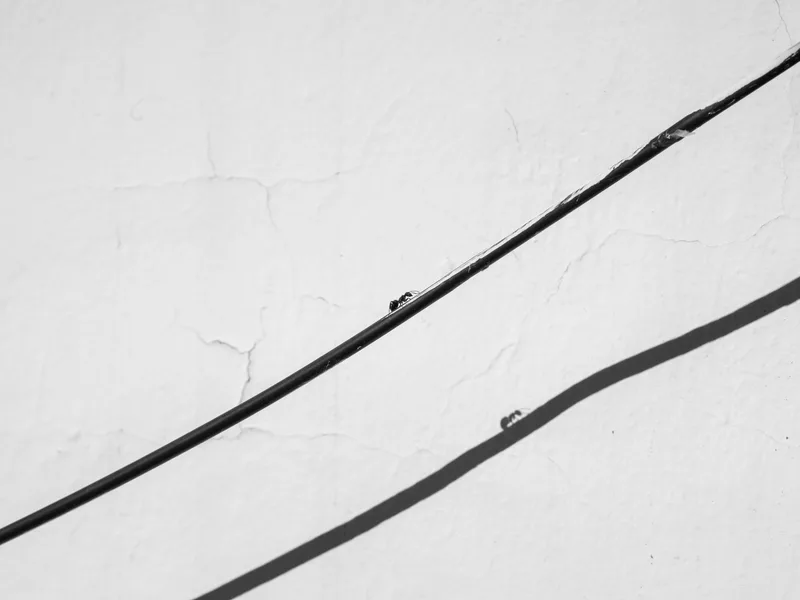
Ant trails in mixed-use buildings combine horizontal movement across ground floor shops with vertical movement between floors through ceilings, walls and internal voids.
Moisture before food
Sea moisture provides water that ants seek before food, so they concentrate in damp cracks, shared ceilings and corners near the coastline where condensation forms.
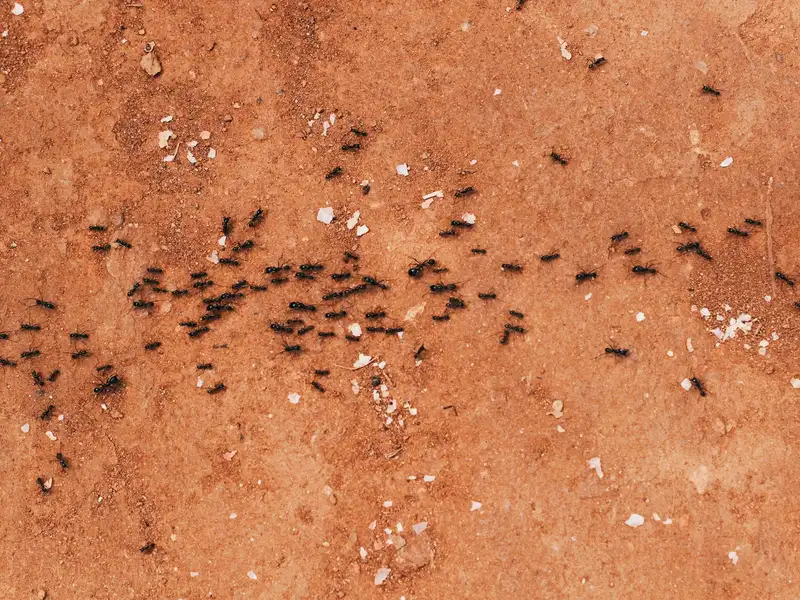
The nest outside the building
Ant nests lie outside the building in soil and gaps at the base, and extend into internal cracks when dampness draws them upward into the structure.
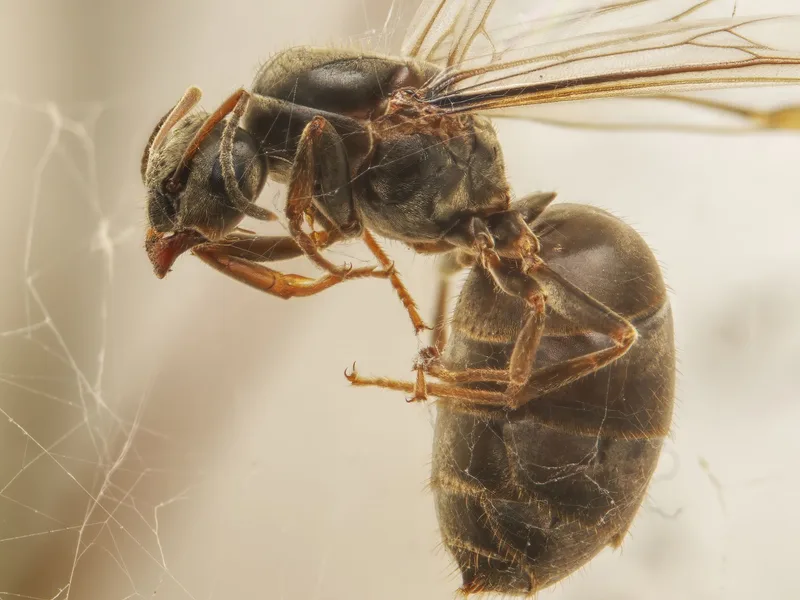
Winged ants
Winged ants in Thuwal appear in a distinct breeding season, especially after winter rains when water collects in the waterlogged ground around the buildings.
How we work
-
1
Inspect and follow the trail
We follow the line from where you see it to where it enters, and establish the species, what it is feeding on and the moisture keeping the nest close.
-
2
Matched bait placed on the trail
We choose the matrix from the feeding preference and place it on the trail itself, leaving the trail intact so the workers carry it to the queen and the brood.
-
3
Treat the perimeter and close the ways in
An external treatment at the wall base and the openings, and we point out the cracks, pipe entries and any branch touching the building.
-
4
The follow-up visit
We come back once the bait has worked through the nest, check the trail is gone, and look for a satellite nest if a new line has appeared.
What ant control includes
-

Following the trail to its source
Species, entry point and the direction of the nest, established before anything is applied.
-

Bait matched to the colony
Sugar or protein according to what the workers are carrying, placed on the trail rather than near it.
-

An external perimeter treatment
A band at the wall base and the outside openings, with the indoor trail left unsprayed so it keeps carrying bait.
-

Moisture points and entries
Condensate lines, sink surrounds, weep holes and pipe entries, which are what keeps a nest against the building.
-

Aftercare instructions
What not to wipe until the bait has been taken, what to cover, and when normal cleaning can resume.
-

A scheduled follow-up
A set date to check the nest and re-bait anywhere still active.
Landmarks of Harat Al Kanadirah
In Harat Al Kanadirah, located near King Abdullah University of Science and Technology to the north and along Jeddah Madinah Road, access to shops and homes runs through Thuwal Corniche and the town's narrow lanes. Treatment covers front facades, the perimeter around the building and open spaces near Al Shati Mosque where ant trails converge.
- King Abdullah University of Science and Technology
- Thuwal Corniche
- Jeddah Madinah Road
- Al Shati Mosque
Questions about this district
Should the shop be treated separately from the flats above?
No. The shop and the flats are part of the same structure with shared ceilings. Treatment unites the shop and flats because ants travel between them constantly through pipes, gaps and internal voids.
Why is the ant species in the shop different from the ants in the flat?
Shops hold rich and varied food resources, so they attract species foraging for sugar and grease. When shop food sources dwindle, these same species migrate into flats seeking alternative feeding sites within the building.
Is an upper flat less vulnerable than a ground floor flat?
No. Ants use shared ceilings, pipes and internal walls to climb and descend. Upper and lower flats face equal risk, though if dampness exists under the building, ants may originate from below and work upwards.
Does high sea moisture here mean more ants than inland districts?
Yes. Coastal humidity provides the water ants seek before food. Colonies grow faster here, and activity continues all year without the quiet periods inland districts experience in dry months.
Is treatment different for an old popular house and a new apartment building?
Yes. Old popular houses have wide cracks and gaps; newer buildings are sealed better but have shared ceilings. Each structure needs a different strategy based on how the ant trails run through it.
Must treatment be coordinated with neighbours and shop owners?
Yes. The shared building means treating one flat or shop alone will not stop ants from the others. Coordination makes treatment more effective and reduces the risk of ants returning from untreated neighbours.
How much does ant control in Harat Al Kanadirah cost?
It is set after the inspection, because the price follows the type of infestation, the size of the space, how far it has spread and the number of visits it needs. Send a photo and a description on WhatsApp and we will give you an estimate before we reach Harat Al Kanadirah.
Nearby districts we cover
Other services in Harat Al Kanadirah
Other services we provide to residents of Harat Al Kanadirah.
-
 Residential
Cockroach control
-
 Residential
Bed bug control
-
 Residential
Termite control
-
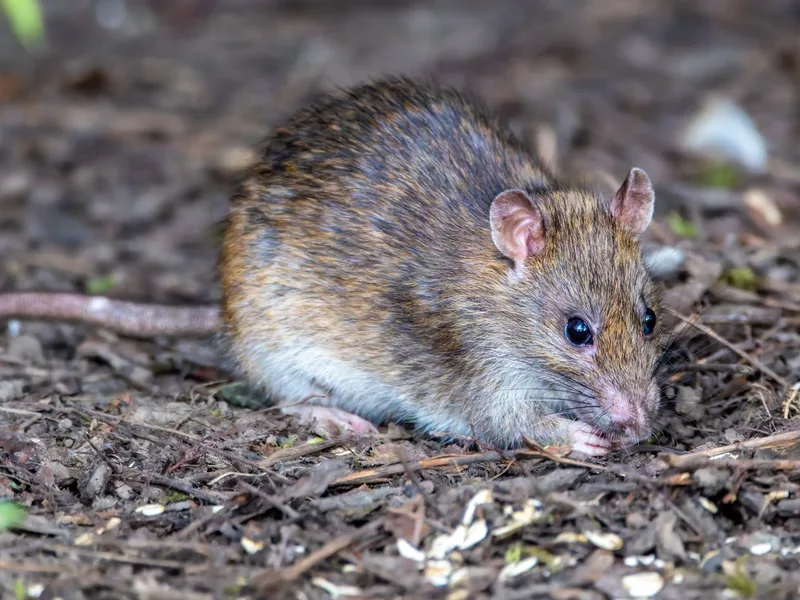 Residential
Rodents and mice
Need ant control in Harat Al Kanadirah? Tell us what you saw and we will tell you what it needs
We reach Harat Al Kanadirah at a time we agree, and you get the full cost before we start.