
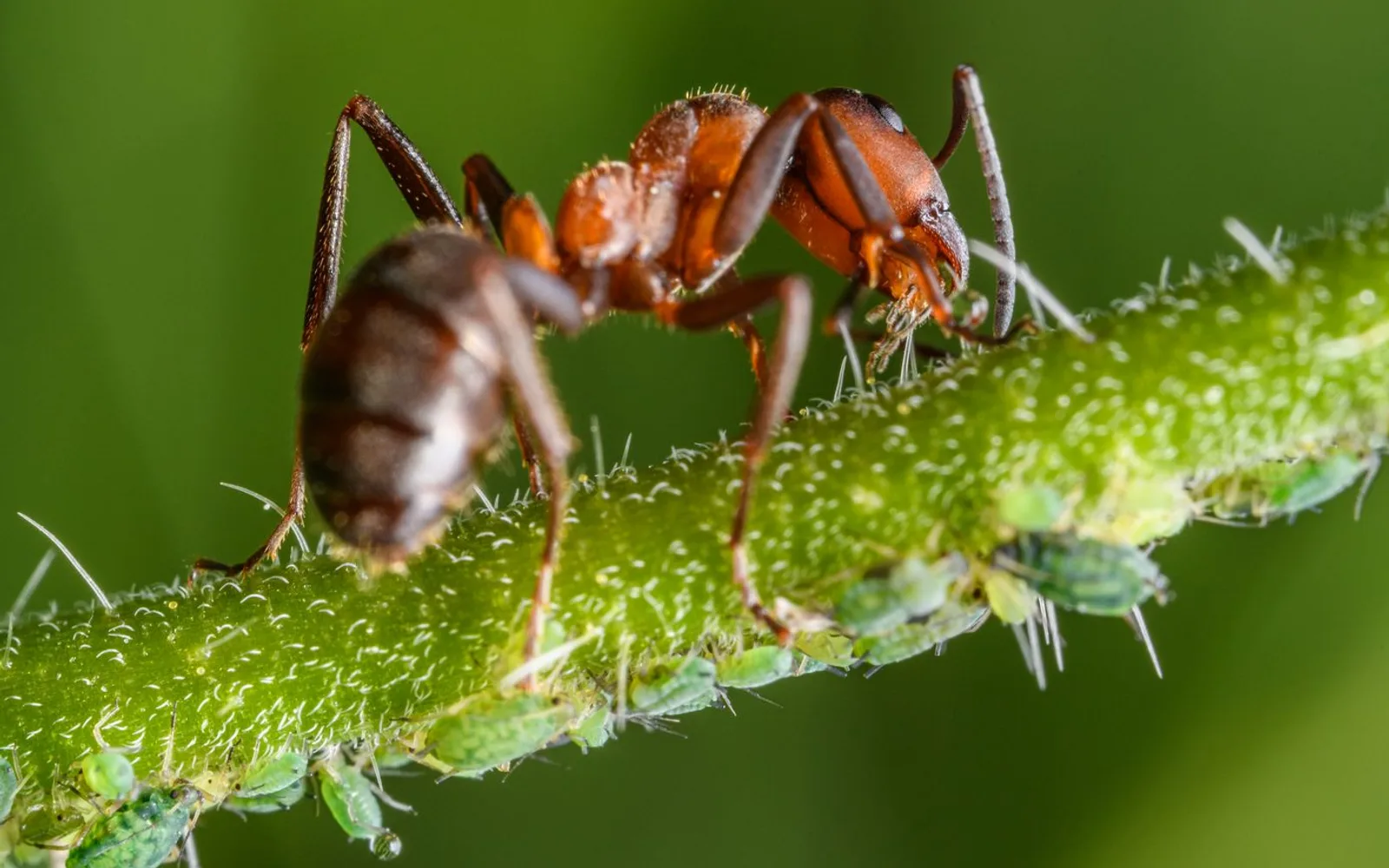
Ant control in Jabal Al Noor Makkah
Jabal Al Noor is an apartment district at the foot of the famous mountain, which draws pilgrims and visitors to the Hira cave year round. High foot traffic, constantly changing residents and guests, and food waste from pilgrims makes ants deeply established here. Treatment must keep pace with visitor flow.
-
Targeted, not broadcast
Product goes into cracks and runways, never sprayed across open surfaces.
-
Told before we start
What we will use, where it goes, and what to cover or move before we arrive.
-
A follow-up visit
We return after the first treatment, because what survives it does not show on the day.
-
Homes and businesses
Apartments and villas, and kitchens and stores that need a record of each visit.
Why they keep coming back in Jabal Al Noor
Active ants here track the seasons and visitor numbers, and furnished and occupied flats see equal activity because food comes from both types of occupant. The method is set out in full on Ant control in detail.
Continuous visitor and guest flow
Jabal Al Noor is a well known destination for pilgrims and visitors, and the adjacent flats are often home to constantly changing guests. Each new guest brings food, so the ants never go hungry.
Hotels and pilgrim housing around the mountain
Hotels and rental accommodation ring the mountain, and ants move freely from hotel to hotel and from hotels into flats. Treating one district alone does not work because sources feed it from every direction.
Apartment blocks and single entry with shared voids
Residential and hotel buildings use the same design, each with one entry and ants climb via shared shafts to every flat. Treating the hotel stops only ants from that hotel, not from other flats nearby.
Jabal Al Noor on the map
Jabal Al Noor sits about 1.5 km from Al Adl and about 2.5 km from Al Khansa.
Open in Google MapsThe species and the trail decide the bait
The district wraps the base of Jabal Al Noor near the Grand Mosque, and visitor numbers double during Hajj and Umrah seasons, with guests changing daily.
The sweet feeders
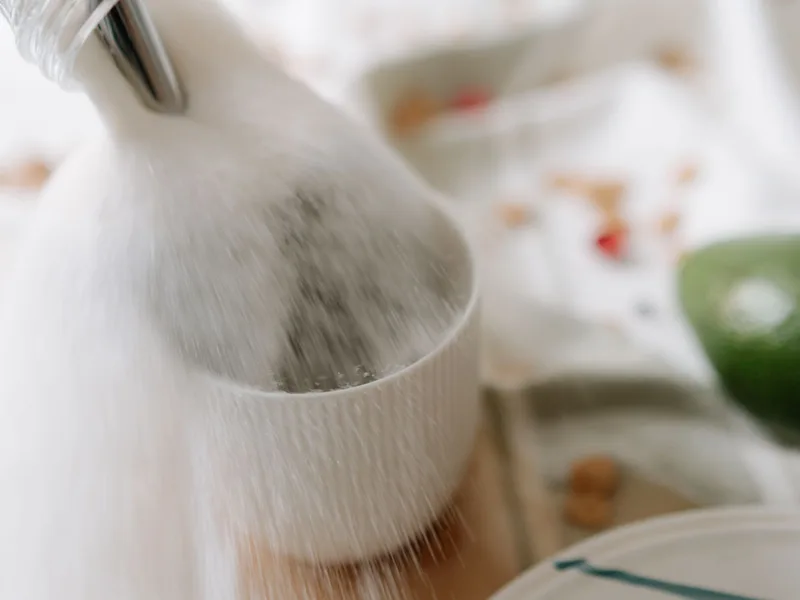
Sugars and sweets and fruit carried by pilgrims and visitors provide continuous feed for fast moving sugar-seeking ants.
The grease and protein feeders
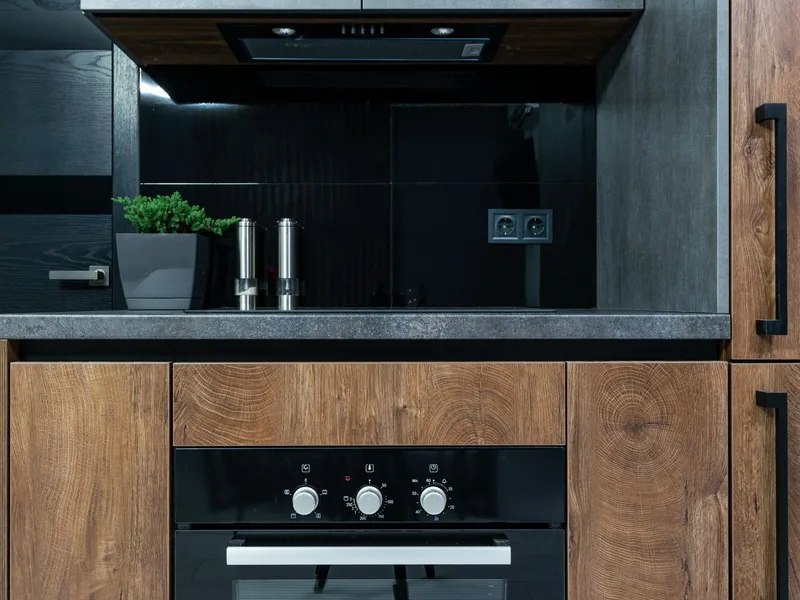
Cooking fats and food waste from restaurants and hotel rooms feed the grease-feeding type steadily.
The trail and its direction
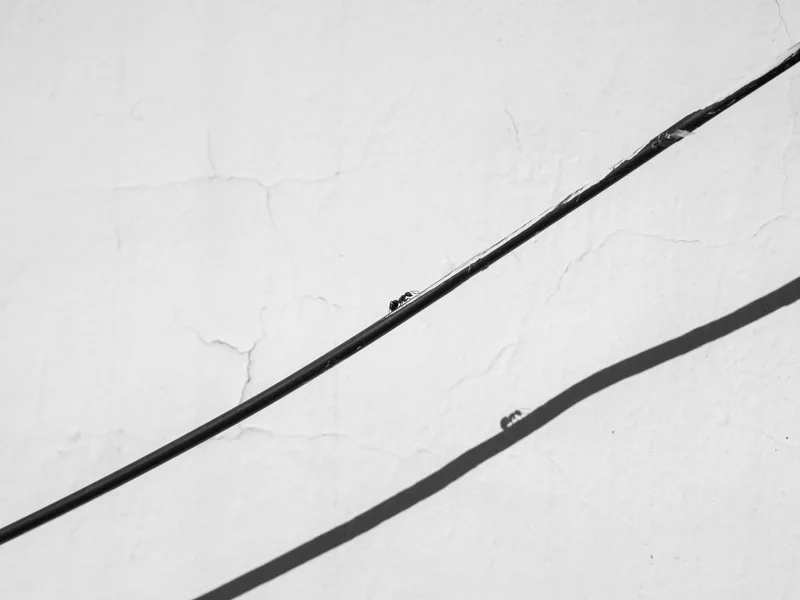
The trail starts from below the mountain and around the hotels, enters the building via the main entry or the foundation, then spreads to the flats.
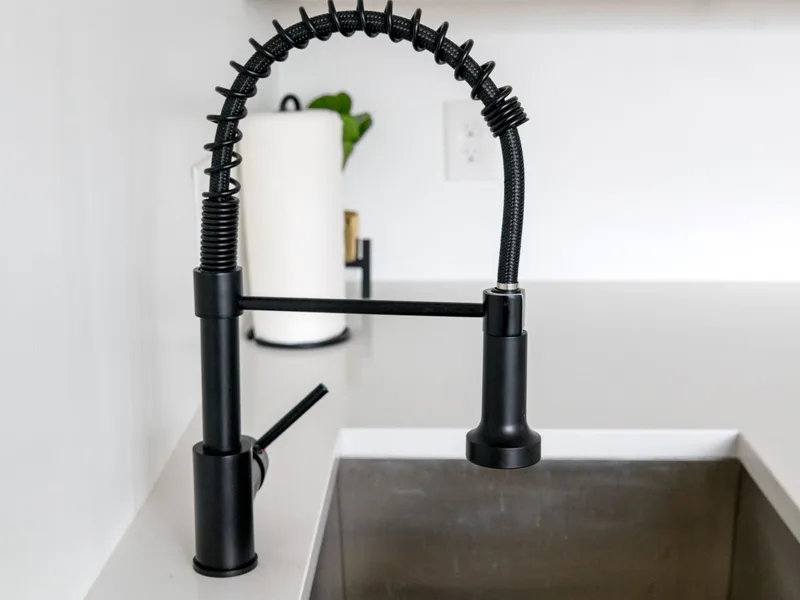
Moisture before food
Dampness from dense housing, restaurants and public bathrooms in hotels draws ants into shared voids and dark corners.
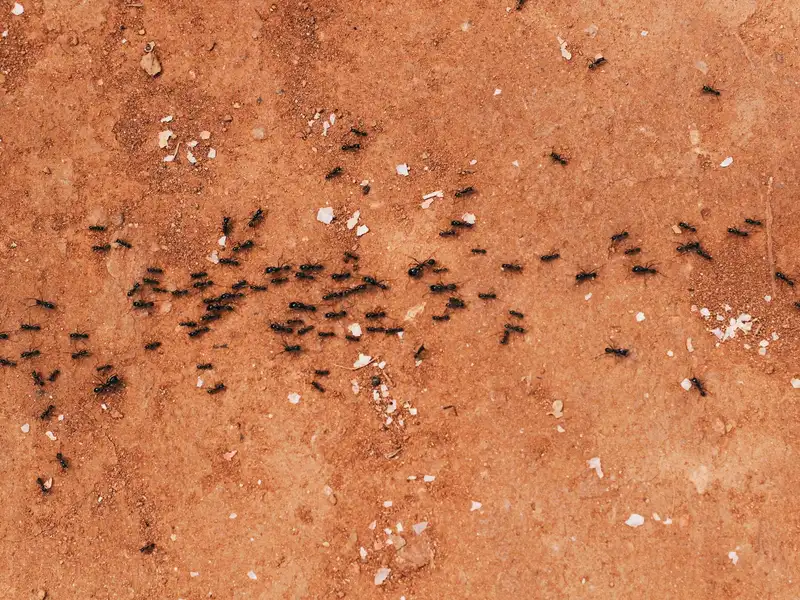
The nest outside the building
Nests lie beneath apartment and hotel foundations and in the mountain itself, and a barrier around the building cuts off ant climb.
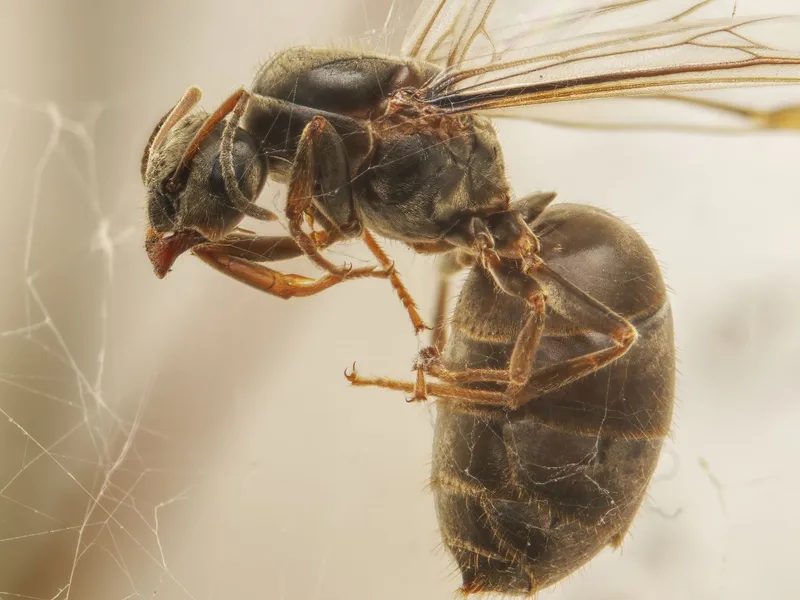
Winged ants
Winged ants emerge in certain seasons, dispersing from large nests in the mountain to adjacent buildings.
How we work
-
1
Inspect and follow the trail
We follow the line from where you see it to where it enters, and establish the species, what it is feeding on and the moisture keeping the nest close.
-
2
Matched bait placed on the trail
We choose the matrix from the feeding preference and place it on the trail itself, leaving the trail intact so the workers carry it to the queen and the brood.
-
3
Treat the perimeter and close the ways in
An external treatment at the wall base and the openings, and we point out the cracks, pipe entries and any branch touching the building.
-
4
The follow-up visit
We come back once the bait has worked through the nest, check the trail is gone, and look for a satellite nest if a new line has appeared.
What ant control includes
-

Following the trail to its source
Species, entry point and the direction of the nest, established before anything is applied.
-

Bait matched to the colony
Sugar or protein according to what the workers are carrying, placed on the trail rather than near it.
-

An external perimeter treatment
A band at the wall base and the outside openings, with the indoor trail left unsprayed so it keeps carrying bait.
-

Moisture points and entries
Condensate lines, sink surrounds, weep holes and pipe entries, which are what keeps a nest against the building.
-

Aftercare instructions
What not to wipe until the bait has been taken, what to cover, and when normal cleaning can resume.
-

A scheduled follow-up
A set date to check the nest and re-bait anywhere still active.
What is different about Al Maabdah Sub-Municipality
Al Maabdah sub municipality climbs from Al Abtah and Al Jumayzah beside the Al Mualla cemetery up through Al Khansa and Rai Adhakhir to Al Adl, Jabal Al Nour, Wadi Jaleel and Qurtubah on the outer ring roads. It mixes hotels and pilgrim housing near the Grand Mosque with old popular houses on hillside passes, new housing schemes on valley floors that carry flash floods after rain, and industrial plots, workshops and warehouses along Al Hajj Street in Qurtubah. Street widening and expropriation leave partly demolished frontages in Al Khansa.
Questions about this district
Is ant activity worse during Hajj and Umrah seasons?
Yes, the season doubles food and guests, but ants are present year round. Seasonal monitoring is needed during Hajj and Umrah because food supply doubles and attracts active foraging.
Guests change every week. Do they import ants from other hotels?
Rarely. Ants do not travel with luggage. But new guests bring new food, and resident ants exploit it. The issue is new food, not fresh ants from elsewhere.
Will treating my flat stop ants from neighbouring flats and the hotel below?
No, ants enter from all directions. Treating the entire building from the main entry and through shared voids stops them reaching any flat.
I found winged ants in the external corridor. Do they come from an old nest in the mountain or from the flat?
Winged ants indicate a mature nest nearby, possibly in the mountain, under the foundation, or in the walls. Treatment targets the nest without knowing its exact location.
After treating my flat, do ants return quickly from the adjacent hotel?
They return if the hotel is not treated. A barrier around the flat slows entry, but treating the hotel is what stops return for good.
Is a flat above a hotel or a flat next to a hotel harder to treat?
A flat above a hotel is harder because ants climb directly from below. A flat beside it needs treatment of the shared wall, but both need a strong barrier.
How much does ant control in Jabal Al Noor cost?
It is set after the inspection, because the price follows the type of infestation, the size of the space, how far it has spread and the number of visits it needs. Send a photo and a description on WhatsApp and we will give you an estimate before we reach Jabal Al Noor.
Nearby districts we cover
Other services in Jabal Al Noor
Other services we provide to residents of Jabal Al Noor.
-
 Residential
Cockroach control
Residential
Cockroach control
-
 Residential
Bed bug control
Residential
Bed bug control
-
 Residential
Termite control
Residential
Termite control
-
 Residential
Rodents and mice
Residential
Rodents and mice
-
 Residential
Mosquito control
Residential
Mosquito control
-
 Residential
Fly control
Residential
Fly control
-
 Residential
Gecko control
Residential
Gecko control
-
 Residential
Scorpion control
Residential
Scorpion control
-
 Residential
Snake control
Residential
Snake control
-
 Residential
Flea control
Residential
Flea control
-
 Residential
Bird and pigeon control
Residential
Bird and pigeon control
-
 Residential
Preventive treatment
Residential
Preventive treatment
-
 Residential
Disinfection
Residential
Disinfection
-
 Commercial
Annual contracts
Commercial
Annual contracts
-
 Commercial
Restaurants and cafes
Commercial
Restaurants and cafes
-
 Commercial
Hotels and apartments
Commercial
Hotels and apartments
-
 Commercial
Warehouses and factories
Commercial
Warehouses and factories
-
 Commercial
Schools and nurseries
Commercial
Schools and nurseries
-
 Commercial
Retail and malls
Commercial
Retail and malls
-
 Commercial
Rest houses and farms
Commercial
Rest houses and farms
-
 Commercial
Fumigation
Commercial
Fumigation
-
 Water tanks
Water tank cleaning
Water tanks
Water tank cleaning
-
 Water tanks
Water tank sterilization
Water tanks
Water tank sterilization
-
 Water tanks
Water tank sealing
Water tanks
Water tank sealing
-
 Water tanks
Tank leak repair
Water tanks
Tank leak repair
Need ant control in Jabal Al Noor? Tell us what you saw and we will tell you what it needs
We reach Jabal Al Noor at a time we agree, and you get the full cost before we start.