
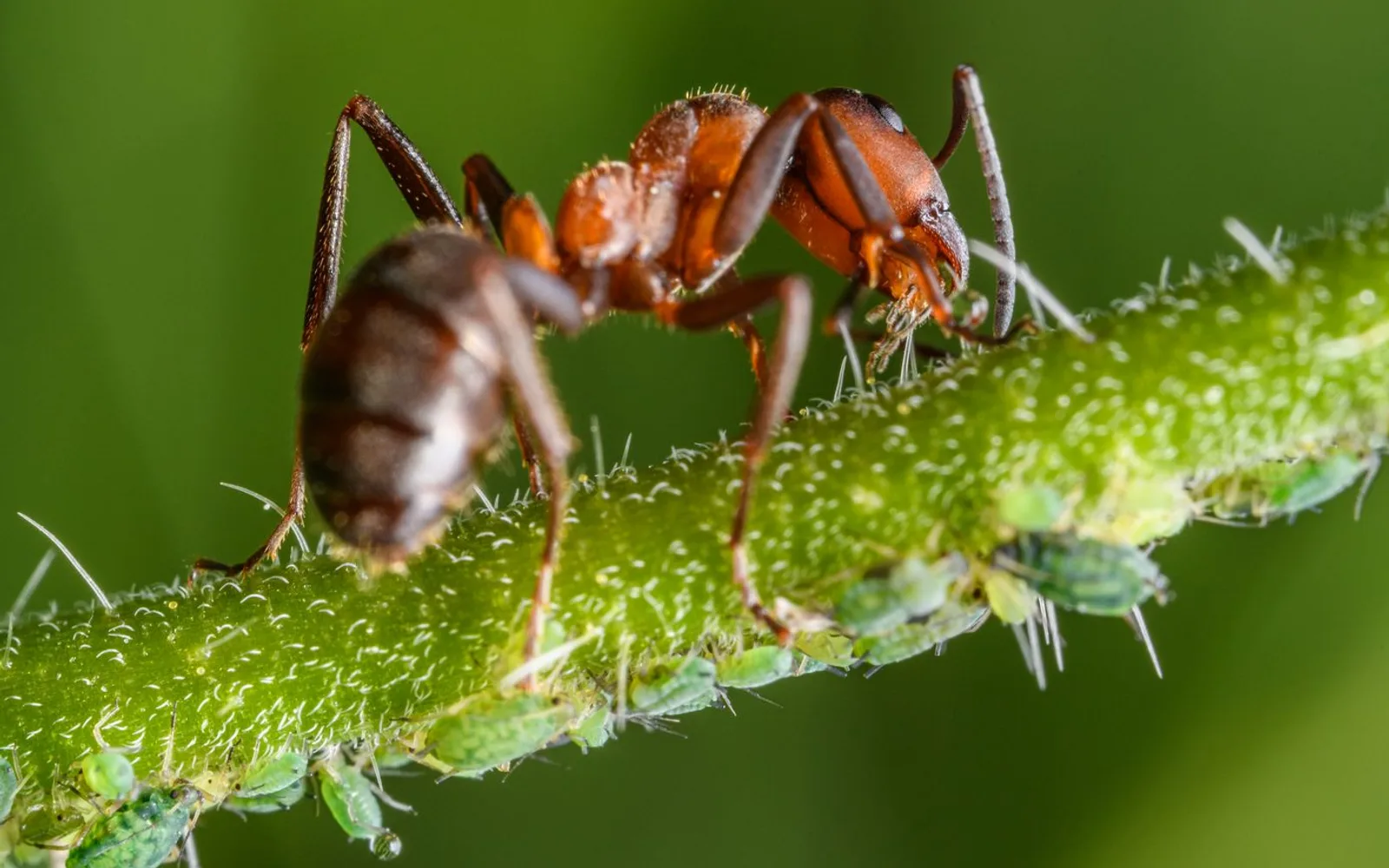
Ant control in Jarwal Makkah
Jarwal is a dense apartment quarter north west of the Grand Mosque, where old family houses have mostly become budget hotels and seasonal lodgings for pilgrims. Ants live in this high density of people, food and closely packed buildings, and the problem intensifies with every Hajj and Umrah season.
-
Targeted, not broadcast
Product goes into cracks and runways, never sprayed across open surfaces.
-
Told before we start
What we will use, where it goes, and what to cover or move before we arrive.
-
A follow-up visit
We return after the first treatment, because what survives it does not show on the day.
-
Homes and businesses
Apartments and villas, and kitchens and stores that need a record of each visit.
Why they keep coming back in Jarwal
High seasonal occupancy and constant food preparation in hotels and flats keep ants in permanent plenty. The method is set out in full on our Ant control service.
High density and seasonal population from pilgrims
The quarter is crowded in Hajj and Umrah seasons, and budget hotels and furnished flats fill to capacity. Food is prepared constantly and waste sits everywhere. Ants live in luxury during these periods.
Old buildings with cracked bases and shared ageing pipes
The buildings are old apartment blocks converted from family homes to hotel use, with cracked foundations and old shared pipes. Ants nest easily in the fissures and gaps, and shared structures let them move freely between flats.
Markets and eateries crowded around Jabal Qaiqaan
Shops and restaurants around the quarter serve pilgrims and visitors, with food in abundance. Jabal Qaiqaan rises to the east and draws a constant stream, and beneath it Jarwal sits packed with demand for food.
The character of Jarwal
Apartment district: residential blocks, repeated floors and shared entrances
In an apartment quarter like Jarwal filled with seasonal hotels and pilgrim lodging, ants are permanently settled because food flows without break and density stays high. Treatment needs repeating in the periods between major seasons.
The species and the trail decide the bait
The quarter sits directly north west of the Grand Mosque, with old buildings and seasonal hotels, surrounded by roads leading towards Al Masjid Al Haram.
The sweet feeders
Sweet feeding ants focus on hotels and furnished flats where food is prepared constantly for guests.
The grease and protein feeders
Grease seeking ants extract oils and fats from hotel restaurant waste and nearby eateries.
The trail and its direction
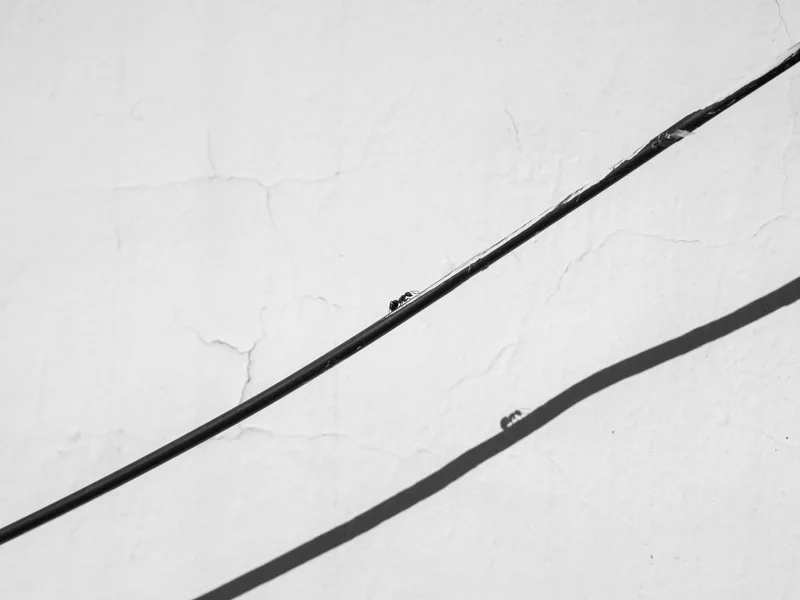
Trails follow food from restaurants to hotels and furnished flats, crossing through shared ageing pipes.
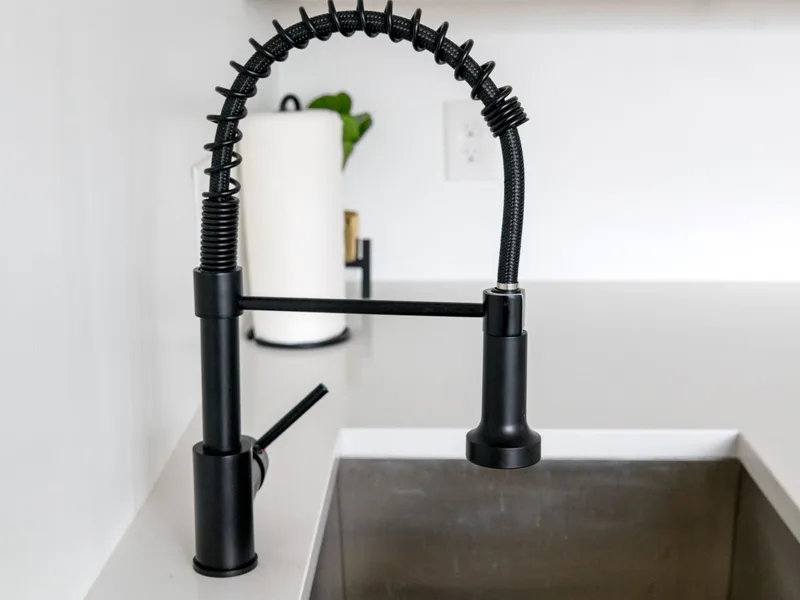
Moisture before food
Moisture comes from shared and aged pipes and from historic Bir Tuwa nearby, keeping the perimeter damp.
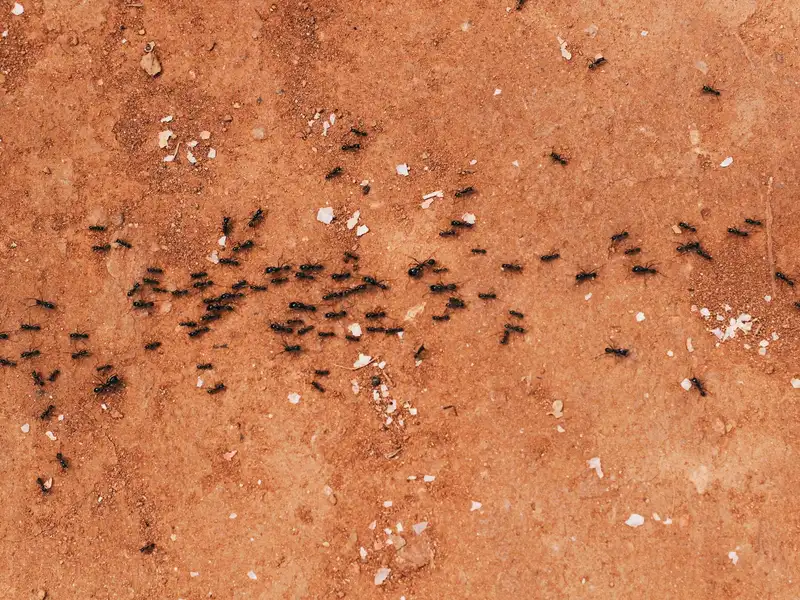
The nest outside the building
Nests outside rest beneath hotel and old building foundations, in gaps between tightly packed structures.
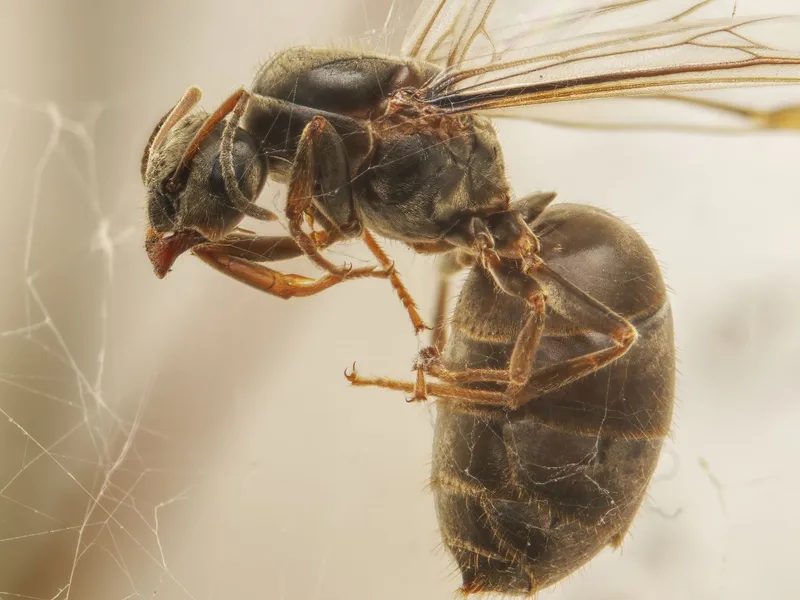
Winged ants
Winged ants emerge in vast numbers during Hajj and Umrah seasons when density and food supply peak.
How we work
-
1
Inspect and follow the trail
We follow the line from where you see it to where it enters, and establish the species, what it is feeding on and the moisture keeping the nest close.
-
2
Matched bait placed on the trail
We choose the matrix from the feeding preference and place it on the trail itself, leaving the trail intact so the workers carry it to the queen and the brood.
-
3
Treat the perimeter and close the ways in
An external treatment at the wall base and the openings, and we point out the cracks, pipe entries and any branch touching the building.
-
4
The follow-up visit
We come back once the bait has worked through the nest, check the trail is gone, and look for a satellite nest if a new line has appeared.
What ant control includes
-

Following the trail to its source
Species, entry point and the direction of the nest, established before anything is applied.
-

Bait matched to the colony
Sugar or protein according to what the workers are carrying, placed on the trail rather than near it.
-

An external perimeter treatment
A band at the wall base and the outside openings, with the indoor trail left unsprayed so it keeps carrying bait.
-

Moisture points and entries
Condensate lines, sink surrounds, weep holes and pipe entries, which are what keeps a nest against the building.
-

Aftercare instructions
What not to wipe until the bait has been taken, what to cover, and when normal cleaning can resume.
-

A scheduled follow-up
A set date to check the nest and re-bait anywhere still active.
What is different about Al Ghazza Sub-Municipality
Al Ghazza sub municipality wraps around the north and west of the Grand Mosque, from Al Shamiyah, Al Qararah and Shaib Amir round to Jarwal and Al Taysir. Large tracts were cleared for the northern expansion and the Rua Al Haram scheme, leaving excavated ground and open construction sites beside ageing blocks that now serve as dense seasonal lodgings in Jarwal and Al Taysir. Old flood paths still fall from Jabal Qaiqaan and Jabal Khandamah towards the mosque, and markets and eateries crowd Al Masjid Al Haram Road and Umm Al Qura Road.
Questions about this district
Is ant activity heaviest during Hajj and Umrah seasons?
Yes, entirely. Hajj and Umrah bring vast visitor numbers, and food and waste increase enormously. Ant populations explode during these periods.
Are the budget hotels the main ant source?
Budget hotels are the primary source because food and waste are very heavy. Ants nest in walls and foundations beneath these facilities.
Will treating my flat stop ants coming from neighbouring hotels?
Treating your flat will stop ants entering it but may not stop the continuous pressure from neighbouring hotel walls.
Do ants come down from Jabal Qaiqaan into the quarter?
Jabal Qaiqaan is close but ants do not move straight down from the mountain. Food and waste in Jarwal itself attract and sustain them.
Will closing a hotel or furnished flat stop the ants?
Closing may stop them feeding temporarily, but nests beneath the ground will remain.
Does the historic Bir Tuwa well affect ant populations?
Bir Tuwa is ancient and may be a moisture source in the perimeter, but food from hotels and eateries is the driving factor.
How much does ant control in Jarwal cost?
It is set after the inspection, because the price follows the type of infestation, the size of the space, how far it has spread and the number of visits it needs. Send a photo and a description on WhatsApp and we will give you an estimate before we reach Jarwal.
Nearby districts we cover
Other services in Jarwal
Other services we provide to residents of Jarwal.
-
 Residential
Cockroach control
Residential
Cockroach control
-
 Residential
Bed bug control
Residential
Bed bug control
-
 Residential
Termite control
Residential
Termite control
-
 Residential
Rodents and mice
Residential
Rodents and mice
-
 Residential
Mosquito control
Residential
Mosquito control
-
 Residential
Fly control
Residential
Fly control
-
 Residential
Gecko control
Residential
Gecko control
-
 Residential
Scorpion control
Residential
Scorpion control
-
 Residential
Snake control
Residential
Snake control
-
 Residential
Flea control
Residential
Flea control
-
 Residential
Bird and pigeon control
Residential
Bird and pigeon control
-
 Residential
Preventive treatment
Residential
Preventive treatment
-
 Residential
Disinfection
Residential
Disinfection
-
 Commercial
Annual contracts
Commercial
Annual contracts
-
 Commercial
Restaurants and cafes
Commercial
Restaurants and cafes
-
 Commercial
Hotels and apartments
Commercial
Hotels and apartments
-
 Commercial
Warehouses and factories
Commercial
Warehouses and factories
-
 Commercial
Schools and nurseries
Commercial
Schools and nurseries
-
 Commercial
Retail and malls
Commercial
Retail and malls
-
 Commercial
Rest houses and farms
Commercial
Rest houses and farms
-
 Commercial
Fumigation
Commercial
Fumigation
-
 Water tanks
Water tank cleaning
Water tanks
Water tank cleaning
-
 Water tanks
Water tank sterilization
Water tanks
Water tank sterilization
-
 Water tanks
Water tank sealing
Water tanks
Water tank sealing
-
 Water tanks
Tank leak repair
Water tanks
Tank leak repair
Need ant control in Jarwal? Tell us what you saw and we will tell you what it needs
We reach Jarwal at a time we agree, and you get the full cost before we start.