
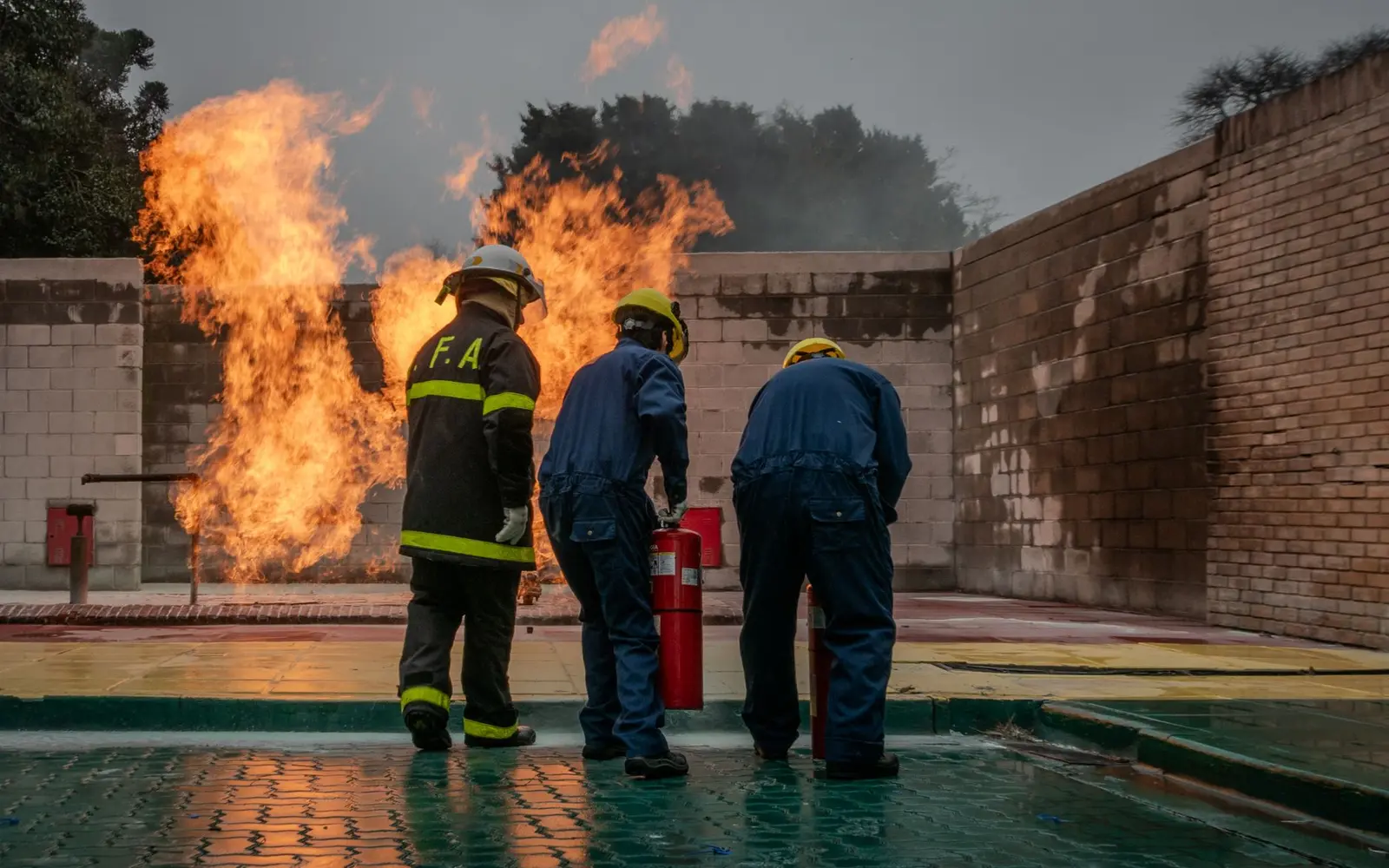
Bird and pigeon control in Al Hijrah Makkah
Al Hijrah is a dense apartment district clinging to the rocky slopes of Jabal Thawr south of the Grand Mosque, with tall blocks packed closely together and multiple shared balconies and entrances. Pigeons and wild birds use the gaps between buildings, balconies and entry halls to nest and shelter.
-
Targeted, not broadcast
Product goes into cracks and runways, never sprayed across open surfaces.
-
Told before we start
What we will use, where it goes, and what to cover or move before we arrive.
-
A follow-up visit
We return after the first treatment, because what survives it does not show on the day.
-
Homes and businesses
Apartments and villas, and kitchens and stores that need a record of each visit.
Why they keep coming back in Al Hijrah
Shared balconies and multiple stairwells offer many different entry points for pigeons, making it difficult to seal each opening separately without coordination between the flats. The method is set out in full on the full Bird and pigeon control page.
Tall blocks with multiple roosting points on each floor
Each flat has a balcony that may shelter pigeons, and gaps between balconies and railings create nesting points. External wall-mounted air conditioners accumulate water and droppings. Sealing every opening requires comprehensive treatment of the entire block.
Shared entrances, open stairwells and long corridors
Common passages, open flights and gaps around doors offer pigeons safe passages inside. Birds enter through one door and nest in a hallway without reaching the roof. Treating entrances and passages is essential to success.
The rocky slope provides natural wild bird shelter very close by
Jabal Thawr is extremely close and offers caves and natural crevices that attract wild birds. Pigeons move easily between the mountain and the block and back again. Treatment must account for the very proximity of the rocky hillside.
Landmarks of Al Hijrah
The district spreads between the famous Jabal Thawr and a ring road that leads toward central Makkah. Identifying affected flats is straightforward using nearby mosques and the cave as reference points when locating the target building.
- Jabal Thawr
- Cave of Thawr
- Al Noor Specialist Hospital
- Third Ring Road
- Dhat An Nitaqain Street
- Al Bukhari Mosque
The building decides which deterrent works
Residential blocks press against Jabal Thawr's rocky slopes, with mosques and Al Noor Specialist Hospital nearby. A ring road and Dhat An Nitaqain Street pass through the district towards the Holy Sanctuary.
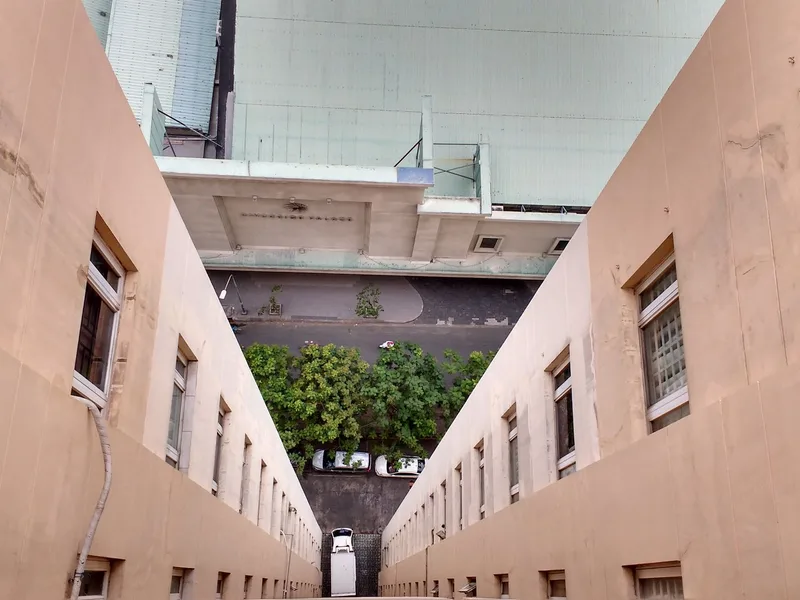
Ledge width
Balcony edges and iron railings provide multiple nesting points, especially closed corners and curves that shield nests from wind.
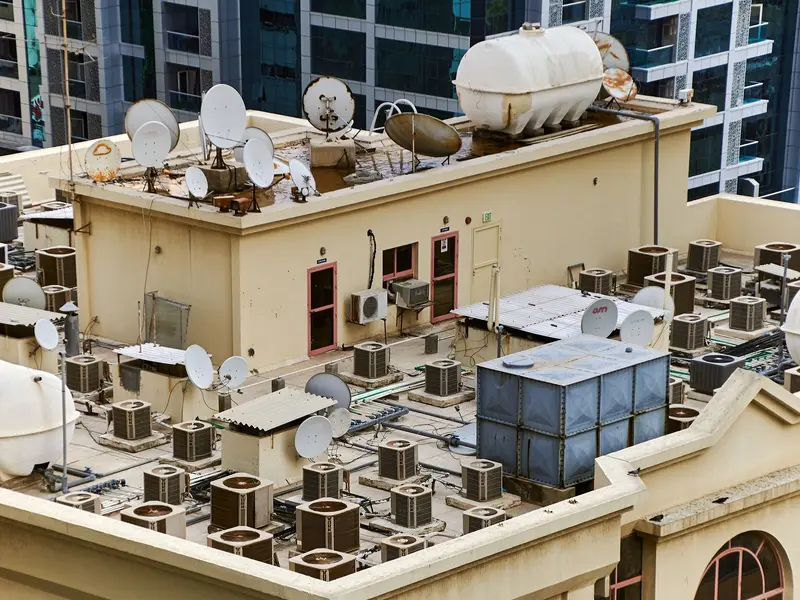
Air conditioning platforms
Air conditioner mounting platforms on external walls are saturated with water and humidity, collecting layers of droppings that attract additional birds.
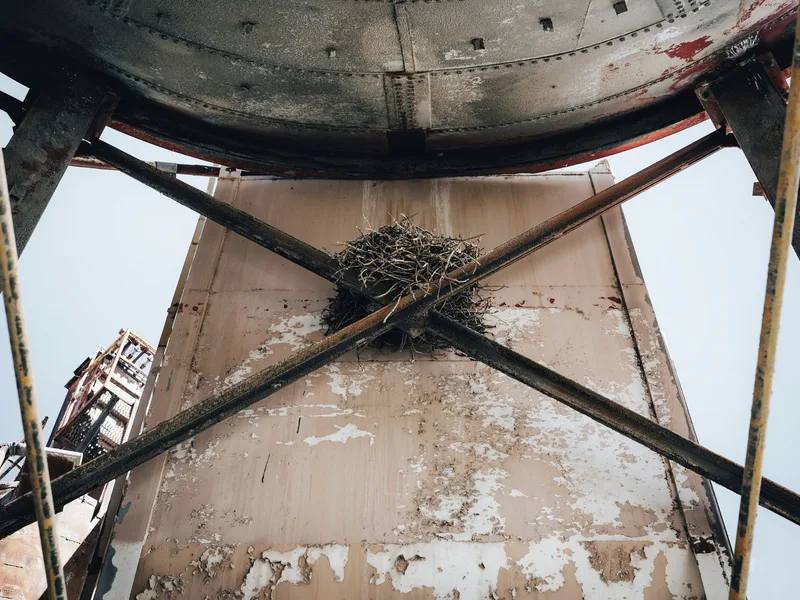
The nest itself
Nests hidden in gaps between balconies and external walls are hard to spot and remove, and nest building quickly after the first attempt.
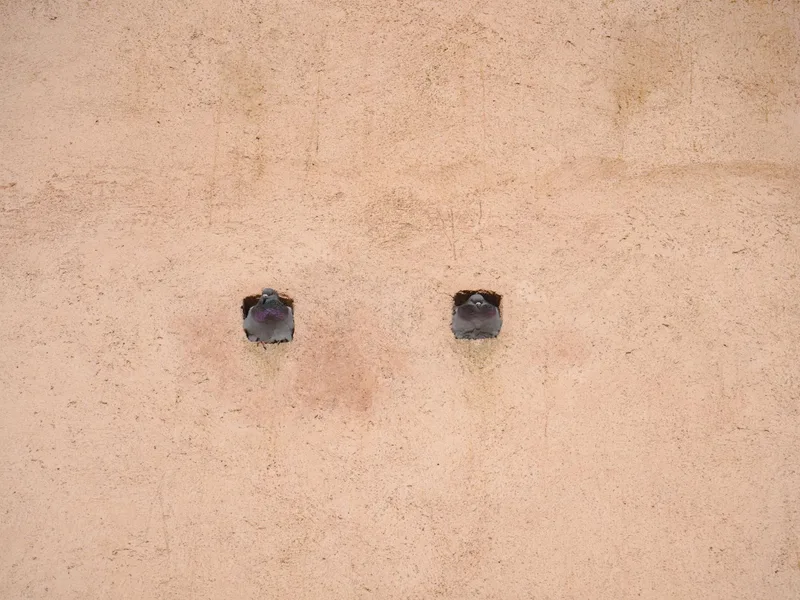
The droppings pattern
Pigeon droppings on shared balconies spark complaints fast because contamination spreads between flats through air and water pathways.
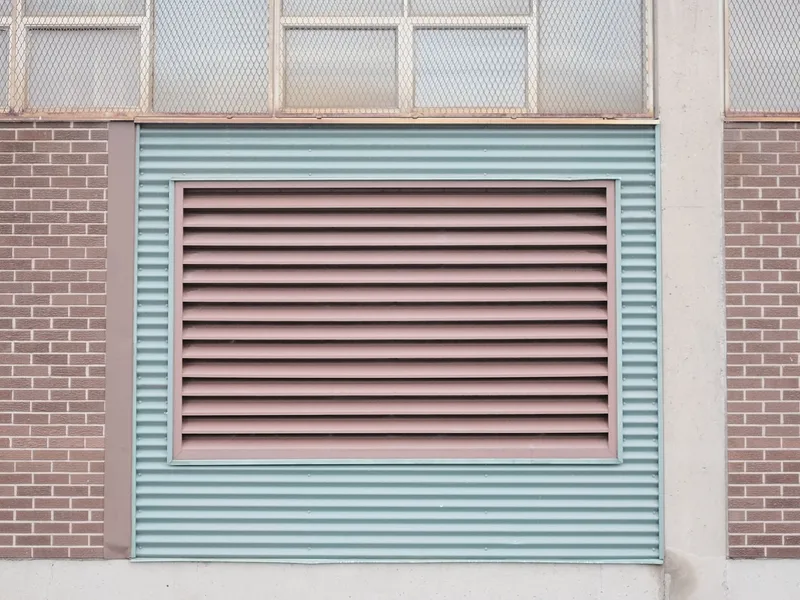
Openings and shafts
Openings around drainage pipes and cables on external walls allow birds easy entry from outside the block to the interior.
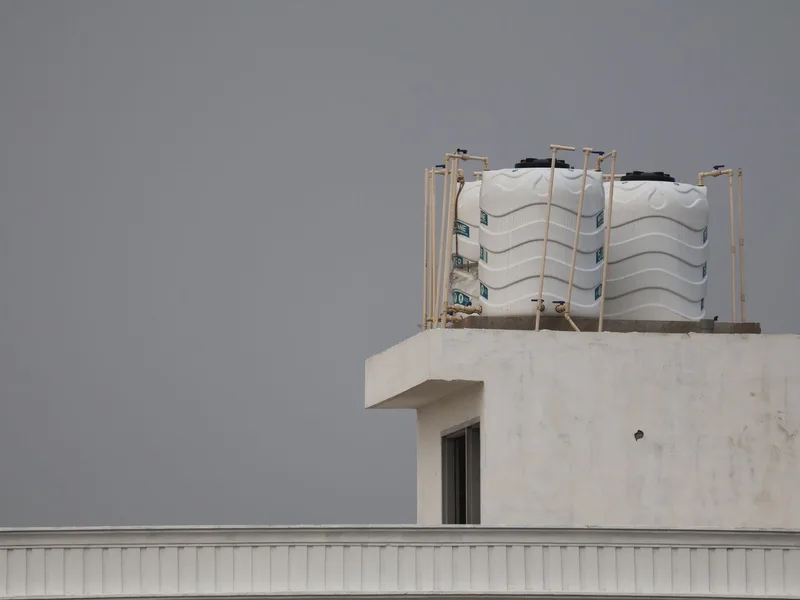
Around the roof tank
Protecting a roof tank perimeter on an apartment block is difficult without coordination, because the roof is shared and gaps are numerous.
How we work
-
1
Survey the roof and the facade
We walk the roof, the projections, the condenser platforms and the shafts, separate the nesting positions from the perching ones, and measure and photograph every ledge.
-
2
Strip the nests and treat the parasites
Droppings are wetted before they are lifted so nothing goes airborne dry, bagged closed, and the nest position is treated for ticks and mites before the surface is sanitised.
-
3
Close and fit
Netting tensioned on a perimeter wire with no gap at the corners, spikes or wire on the narrow projections, metal mesh across vents and shafts, and the roof drains freed of the nest material packing them.
-
4
The follow-up visit
We come back to check the tension, the corners and any position the flock has moved to, and correct what has slackened before a bird finds it.
What bird and pigeon control includes
-

A recorded survey
Every ledge, condenser platform and shaft, photographed, with nesting separated from perching before anything is chosen.
-

Nest removal and drain clearing
Lifted wet rather than swept dry, bagged closed, and the roof drains freed of the nest material packing them.
-

Parasite treatment and sanitising
The nest position treated for ticks and mites, then the surface the droppings sat on sanitised.
-

Sealing and fitting the deterrents
Netting tensioned on a perimeter wire, spikes or wire on narrow projections, and metal mesh across ventilation openings.
-

Aftercare instructions
The condensate water, food left on the roof, and what should not sit beside a ledge if the attraction is to stay gone.
-

A follow-up on tension and corners
Netting slackens and corners open over time; the visit corrects that and closes any new position.
What is different about Al Shawqiyah Sub-Municipality
Al Shawqiyah sub municipality runs south from the Third Ring Road to the city's edge on the Al Layth road and the Jeddah expressway. Planned districts such as Al Shawqiyah, Al Malik Fahd and Bathaa Quraish have wide streets, villas and apartment blocks, while schemes in Wali Al Ahd are being built out and informal housing in Al Ukayshiyah and Al Zuhur is being cleared. The vegetable market and livestock auction at Souq Al Halaqa, open construction sites, the rocky slopes of Jabal Thawr and sewers still being laid through the southern fringe offer exposed food, shelter and moisture.
Questions about this district
Do balconies on apartment blocks attract more pigeons than shared rooftops?
Balconies offer private, sheltered roosting. Pigeons prefer them to exposed communal roofs where neighbours can see them. Each balcony is a potential nesting point. Deterrents on railings and corners are essential.
Do the gaps between closely-spaced balconies shelter nesting birds?
Yes. Cracks and spaces between balconies and the external walls create hidden nesting points that residents cannot see. Treatment requires accessing these gaps and sealing them.
Are the air conditioners on the external walls a water source for pigeons?
AC units produce large amounts of water, and pigeons roost on them and drink. Droppings pile up on the fins underneath. Insulating the units and fitting deterrents around them is essential.
Can we treat a single flat without treating the neighbours on the same floor?
Adjacent balconies are very close together. Pigeons on a neighbouring balcony can enter yours through gaps. Treating a single flat is incomplete unless you also address the adjacent units.
Do wild birds from Jabal Thawr enter open flat windows?
Yes. Wild birds from the mountain enter open windows and exposed balconies hunting for better shelter or water. Balconies covered with netting or deterrents block entry.
Are pigeons nesting in the common passages harder or easier to handle than roof pigeons?
Passage pigeons are easier to remove because they are confined, but it requires accessing the passages and sealing all entry points. Treating both the roof and the passages together is necessary.
How much does bird and pigeon control in Al Hijrah cost?
It is set after the inspection, because the price follows the type of infestation, the size of the space, how far it has spread and the number of visits it needs. Send a photo and a description on WhatsApp and we will give you an estimate before we reach Al Hijrah.
Nearby districts we cover
Other services in Al Hijrah
Other services we provide to residents of Al Hijrah.
-
 Residential
Cockroach control
Residential
Cockroach control
-
 Residential
Bed bug control
Residential
Bed bug control
-
 Residential
Termite control
Residential
Termite control
-
 Residential
Rodents and mice
Residential
Rodents and mice
-
 Residential
Mosquito control
Residential
Mosquito control
-
 Residential
Fly control
Residential
Fly control
-
 Residential
Ant control
Residential
Ant control
-
 Residential
Gecko control
Residential
Gecko control
-
 Residential
Scorpion control
Residential
Scorpion control
-
 Residential
Snake control
Residential
Snake control
-
 Residential
Flea control
Residential
Flea control
-
 Residential
Preventive treatment
Residential
Preventive treatment
-
 Residential
Disinfection
Residential
Disinfection
-
 Commercial
Annual contracts
Commercial
Annual contracts
-
 Commercial
Restaurants and cafes
Commercial
Restaurants and cafes
-
 Commercial
Hotels and apartments
Commercial
Hotels and apartments
-
 Commercial
Warehouses and factories
Commercial
Warehouses and factories
-
 Commercial
Schools and nurseries
Commercial
Schools and nurseries
-
 Commercial
Retail and malls
Commercial
Retail and malls
-
 Commercial
Rest houses and farms
Commercial
Rest houses and farms
-
 Commercial
Fumigation
Commercial
Fumigation
-
 Water tanks
Water tank cleaning
Water tanks
Water tank cleaning
-
 Water tanks
Water tank sterilization
Water tanks
Water tank sterilization
-
 Water tanks
Water tank sealing
Water tanks
Water tank sealing
-
 Water tanks
Tank leak repair
Water tanks
Tank leak repair
Need bird and pigeon control in Al Hijrah? Tell us what you saw and we will tell you what it needs
We reach Al Hijrah at a time we agree, and you get the full cost before we start.