
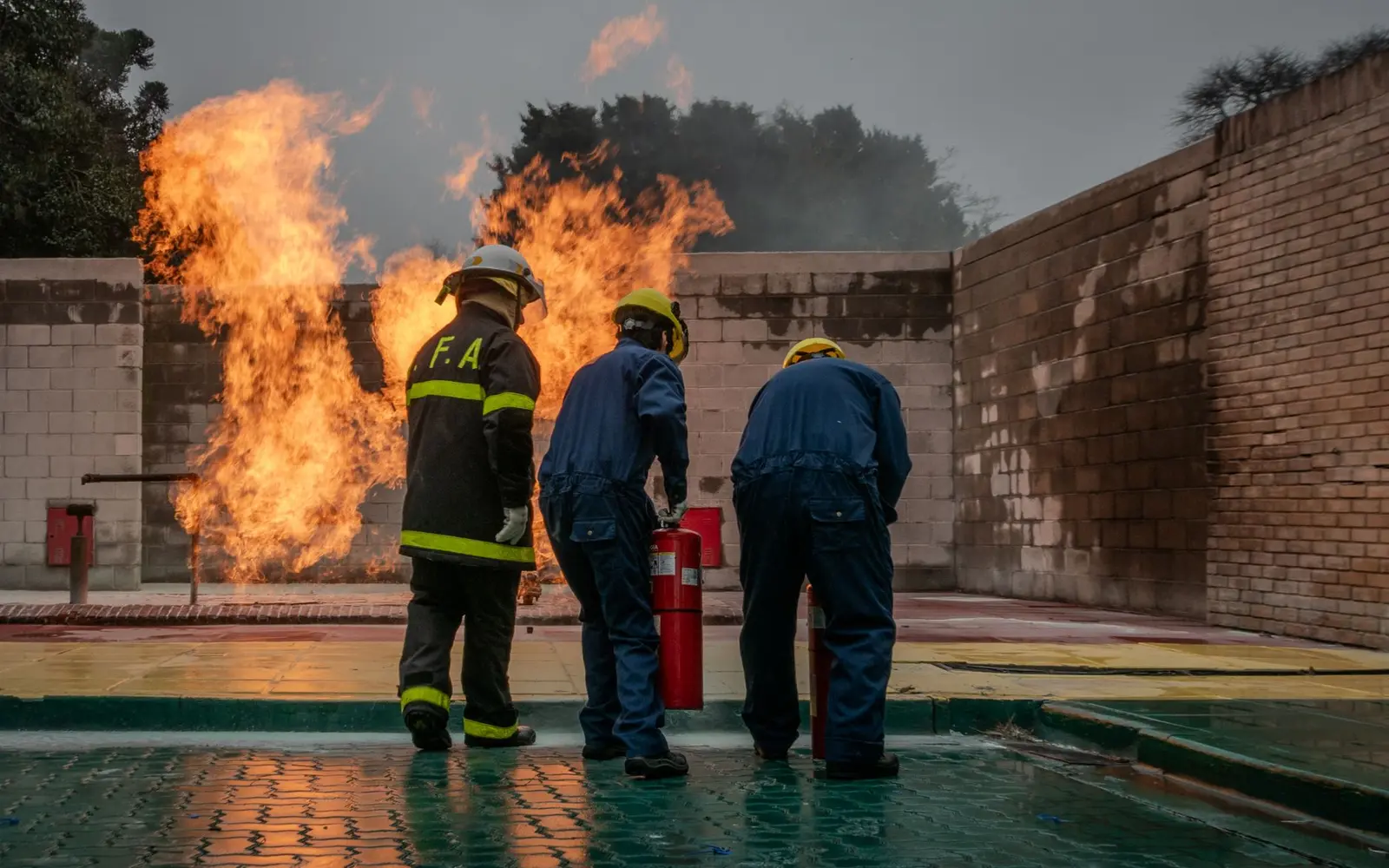
Bird and pigeon control in Al Muhammadiyah Jeddah
Al Muhammadiyah is an upmarket district between King Abdulaziz Road and Madinah Road near the coast, with spacious villas, modern apartment towers and beach access. High sea humidity and year round garden irrigation keep materials damp throughout the year. Pigeons do not arrive seeking water; they seek safe ledges sheltered from wind and salt spray, and these villas provide them perfectly.
-
Targeted, not broadcast
Product goes into cracks and runways, never sprayed across open surfaces.
-
Told before we start
What we will use, where it goes, and what to cover or move before we arrive.
-
A follow-up visit
We return after the first treatment, because what survives it does not show on the day.
-
Homes and businesses
Apartments and villas, and kitchens and stores that need a record of each visit.
Why they keep coming back in Al Muhammadiyah
Coastal villas report pigeons returning repeatedly even after treatment, because the marine environment supplies everything birds need: long protected ledges shaded by trees and constant garden irrigation. The method is set out in full on our Bird and pigeon control service.
Gardens and trees supply shelter from salt wind
Villas in Al Muhammadiyah sit within permanent irrigated gardens shaded by established trees, and pigeons choose ledges sheltered from wind and salt spray. The nearby beach increases humidity and salt laden gusts, so the bird seeks protected refuge, and villas surrounded by mature landscaping provide exactly that.
Commercial spines on Quraish and Prince Sultan nearby
Quraish Street and Prince Sultan Road carry commercial complexes, hotels and public gardens within walking distance, and pigeons commute daily between food sources in these spines and safe ledges on adjoining villa compounds. Treatment must cover all villas backing onto or near these commercial arteries.
Sea humidity and irrigation accelerate return and nesting
High sea humidity, salt air and continuous garden watering keep building materials damp year round, encouraging pigeons to return swiftly to the same ledges. Local conditions are limited: if a bird left the coast for four kilometres it would find no comparable environment, so it returns to the familiar sheltered villas.
Al Muhammadiyah on the map
Al Muhammadiyah sits about 3 km from Al Naeem and about 3.5 km from Al Nahdah.
Open in Google MapsThe building decides which deterrent works
The district lies between King Abdulaziz Road and Madinah Road immediately inland from the Red Sea, with large villas and modern apartment buildings bordering Al Shati and Al Basatin to the west.
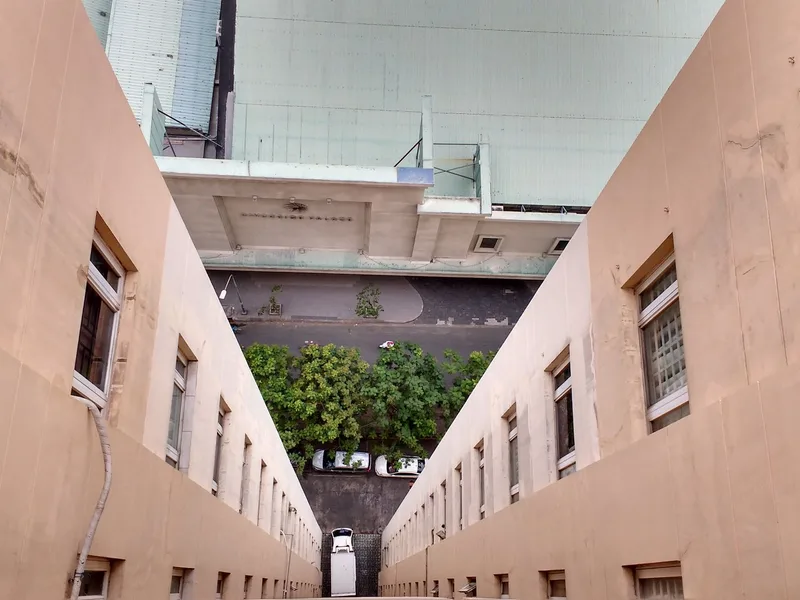
Ledge width
Villa ledges in Al Muhammadiyah are long and sun exposed, and surrounding trees shelter them from salt wind, making them prime pigeon roost sites.
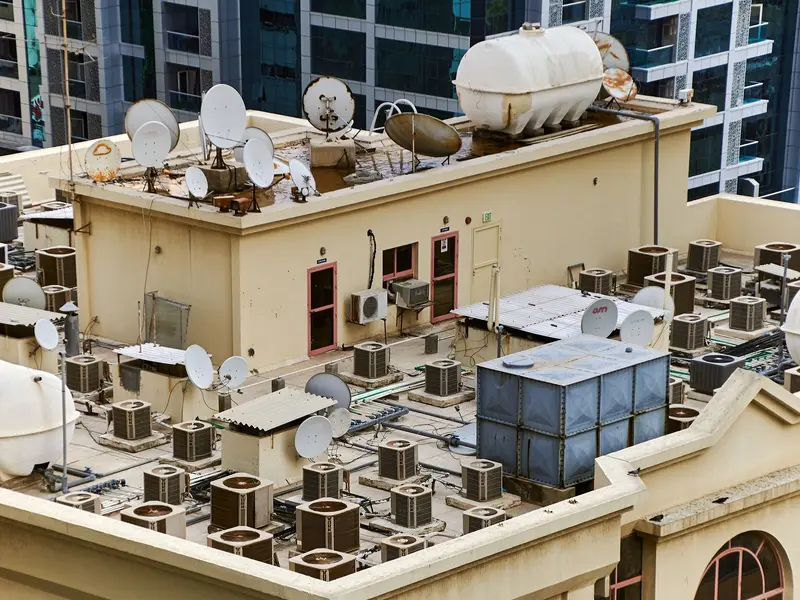
Air conditioning platforms
Large villa air conditioners may sit on side elevations shaded by trees, and pigeons nest behind them unseen from windows inside the main rooms.
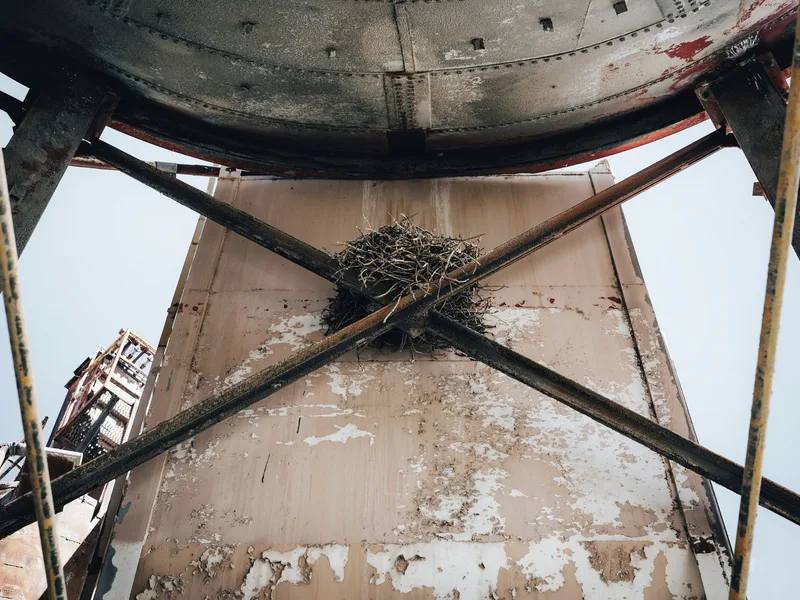
The nest itself
Nests on Al Muhammadiyah villas are large and robust because birds settle long term in the stable, watered environment.
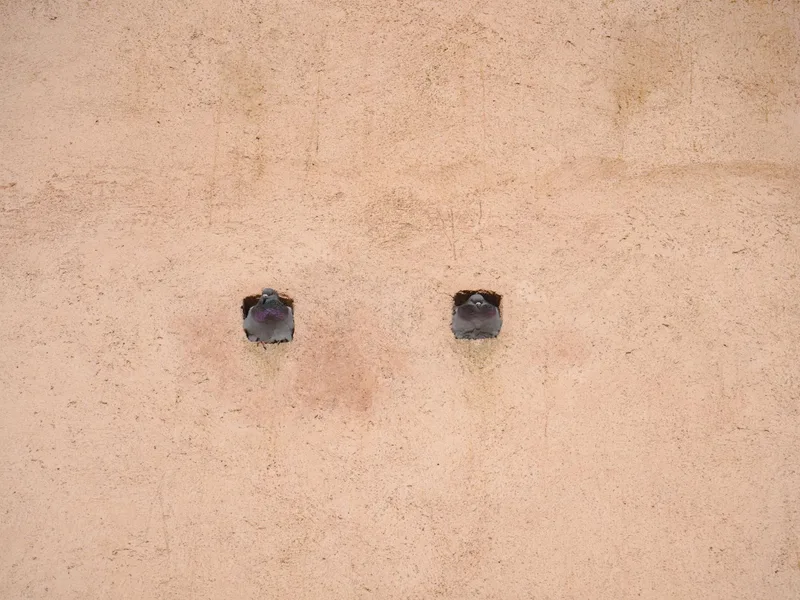
The droppings pattern
Droppings accumulate on side elevations and ledges far from the front facade, and residents may not notice the problem until it worsens significantly.
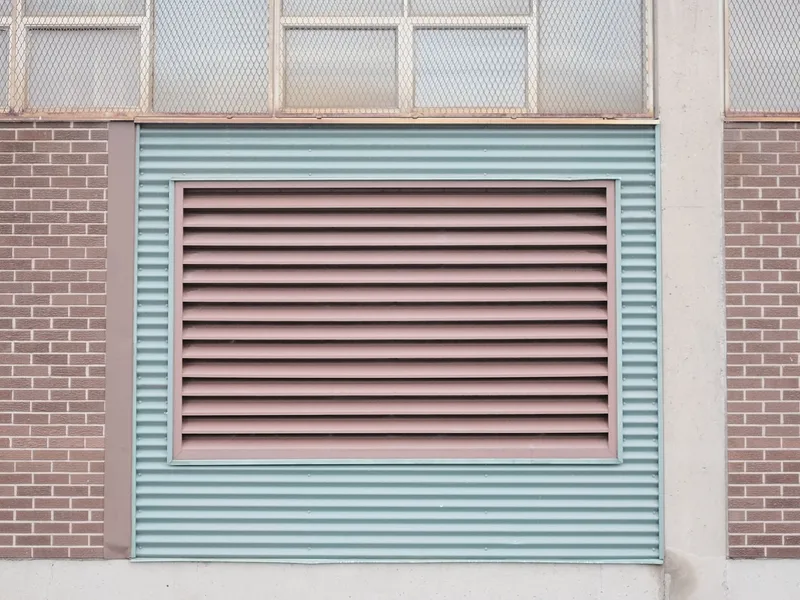
Openings and shafts
Gaps between ceiling and wall in luxury villas may be wide for architectural reasons, and pigeons nest directly inside them.
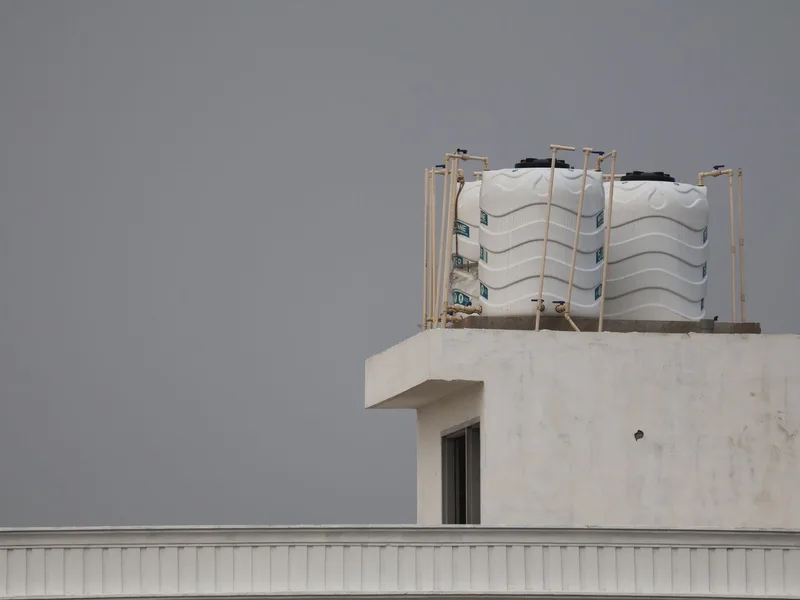
Around the roof tank
Roof water tanks on villas are exposed, and pigeons perch on them and contaminate the water with droppings, so treatment must seal the entire tank perimeter.
How we work
-
1
Survey the roof and the facade
We walk the roof, the projections, the condenser platforms and the shafts, separate the nesting positions from the perching ones, and measure and photograph every ledge.
-
2
Strip the nests and treat the parasites
Droppings are wetted before they are lifted so nothing goes airborne dry, bagged closed, and the nest position is treated for ticks and mites before the surface is sanitised.
-
3
Close and fit
Netting tensioned on a perimeter wire with no gap at the corners, spikes or wire on the narrow projections, metal mesh across vents and shafts, and the roof drains freed of the nest material packing them.
-
4
The follow-up visit
We come back to check the tension, the corners and any position the flock has moved to, and correct what has slackened before a bird finds it.
What bird and pigeon control includes
-

A recorded survey
Every ledge, condenser platform and shaft, photographed, with nesting separated from perching before anything is chosen.
-

Nest removal and drain clearing
Lifted wet rather than swept dry, bagged closed, and the roof drains freed of the nest material packing them.
-

Parasite treatment and sanitising
The nest position treated for ticks and mites, then the surface the droppings sat on sanitised.
-

Sealing and fitting the deterrents
Netting tensioned on a perimeter wire, spikes or wire on narrow projections, and metal mesh across ventilation openings.
-

Aftercare instructions
The condensate water, food left on the roof, and what should not sit beside a ledge if the attraction is to stay gone.
-

A follow-up on tension and corners
Netting slackens and corners open over time; the visit corrects that and closes any new position.
What is different about Obhur Sub-Municipality
Obhur sub-municipality runs along Jeddah's northern shoreline from Al Shati up to Obhur Creek. It mixes large villas and gated compounds with busy commercial spines of restaurants, cafes, markets and hotels. Sea humidity is high for most of the year and salt laden breezes keep timber and render damp, while irrigated gardens and lawns surround the corniche and the villa plots. Standing irrigation water, dense planting and food waste from the hospitality strip suit cockroaches, mosquitoes and ants, and the chalets and rest houses scattered along the creek stand empty for long spells, which lets insects and rodents settle undisturbed.
Questions about this district
My villa sits close to the shore and salt water corrodes metal; do barriers rust quickly?
Yes, metals corrode far faster than in inland districts. Barriers must be stainless steel or non metallic, and routine maintenance is essential to sustain performance.
The garden is watered year round; should I reduce it to deter pigeons?
No. Pigeons do not arrive for garden water. They come for safe ledges, and garden water alone will not attract them. Letting the garden dry may actually invite other more destructive pests.
The villa is large with gardens on every side; are there many ledges to treat?
Yes, large villas in Al Muhammadiyah have ledges on four exposures, and some have additional balconies. Treatment must cover every exposed ledge, which takes longer than a smaller villa.
The house is finished in natural stone and luxury timber; does fitting damage the appearance?
Barrier fixing leaves small anchor marks on the ledge. Pigeon nests and droppings damage appearance far more than fixing marks.
Hospitals and medical complexes are nearby; do they attract more birds?
Hospitals may create food waste, but pigeons move between multiple ledges seeking the best options. If all ledges in Al Muhammadiyah are sealed, birds may relocate to adjacent districts.
Al Muhammadiyah Park sits beside us; are birds there more numerous?
The park holds wild birds and pigeons that may migrate to neighbouring villas seeking safer ledges. Villas bordering the park may require more careful treatment.
How much does bird and pigeon control in Al Muhammadiyah cost?
It is set after the inspection, because the price follows the type of infestation, the size of the space, how far it has spread and the number of visits it needs. Send a photo and a description on WhatsApp and we will give you an estimate before we reach Al Muhammadiyah.
Nearby districts we cover
Other services in Al Muhammadiyah
Other services we provide to residents of Al Muhammadiyah.
-
 Residential
Cockroach control
Residential
Cockroach control
-
 Residential
Bed bug control
Residential
Bed bug control
-
 Residential
Termite control
Residential
Termite control
-
 Residential
Rodents and mice
Residential
Rodents and mice
-
 Residential
Mosquito control
Residential
Mosquito control
-
 Residential
Fly control
Residential
Fly control
-
 Residential
Ant control
Residential
Ant control
-
 Residential
Gecko control
Residential
Gecko control
-
 Residential
Scorpion control
Residential
Scorpion control
-
 Residential
Snake control
Residential
Snake control
-
 Residential
Flea control
Residential
Flea control
-
 Residential
Preventive treatment
Residential
Preventive treatment
-
 Residential
Disinfection
Residential
Disinfection
-
 Commercial
Annual contracts
Commercial
Annual contracts
-
 Commercial
Restaurants and cafes
Commercial
Restaurants and cafes
-
 Commercial
Hotels and apartments
Commercial
Hotels and apartments
-
 Commercial
Warehouses and factories
Commercial
Warehouses and factories
-
 Commercial
Schools and nurseries
Commercial
Schools and nurseries
-
 Commercial
Retail and malls
Commercial
Retail and malls
-
 Commercial
Rest houses and farms
Commercial
Rest houses and farms
-
 Commercial
Fumigation
Commercial
Fumigation
-
 Water tanks
Water tank cleaning
Water tanks
Water tank cleaning
-
 Water tanks
Water tank sterilization
Water tanks
Water tank sterilization
-
 Water tanks
Water tank sealing
Water tanks
Water tank sealing
-
 Water tanks
Tank leak repair
Water tanks
Tank leak repair
Need bird and pigeon control in Al Muhammadiyah? Tell us what you saw and we will tell you what it needs
We reach Al Muhammadiyah at a time we agree, and you get the full cost before we start.